


Velvet Fabrics in Venice
VELVETS: Ardis, Bestiary, Cà D'oro, Hunting, Capri, Thistles, Crocodile, Casabianca, Da Vinci, Fairs, Flowers, Fountains, Freesias, Ancient Garden, Gothic, Grid, Grotesques, Lancé, Byzantine Lions, Leopard, Moons, Mosaic, Wave, Palermo, Palmyra, Pine Cone, Briar, Small Stripes, Renaissance, Senators, Shoplifted, Turtle, Tiger, Torcello, Zebra, Zebra Stripe and Zig Zag
With a tradition of craftsmanship that stretches back centuries, Venetian velvets are renowned for their softness, sheen, and the intricate production process that makes them unique.
The production of velvet fabrics in Venice is a complex art requiring great skill and attention to detail. Velvet is a pile fabric, created by inserting an additional thread into the warp, which is then cut to form a soft, supple surface. This process requires a high degree of precision to ensure a uniform pile and the fabric's distinctive luxurious appearance.
Traditionally, these fabrics were used to embellish the interiors of noble homes and palaces, finding application in curtains, furniture upholstery, decorative cushions, and church vestments. Their opulent texture and ability to capture light made them perfect for adding a touch of sumptuousness and refinement to the most elegant spaces. Even today, Venetian velvets continue to be highly prized for interior decoration, keeping alive the tradition and artistry of the past.
In the fashion world, Venetian velvet fabrics are highly sought after for evening gowns, elegant jackets, and luxury accessories such as bags and shoes. Their soft texture and luxurious appearance make them ideal for garments that convey elegance and style. Contemporary designers often use them to create unique pieces that combine tradition and modernity, perpetuating centuries-old craftsmanship in an innovative way.
The production process for our velvet fabrics in Venice requires the use of the highest quality materials. Silk is one of the most prized materials used for velvet production, thanks to its natural luster and ability to absorb vivid, intense colors. Cotton and blended fibers are also used to create velvets with different characteristics, each suited to specific applications and aesthetic preferences.
In recent years, new trends have seen these fabrics featured not only in classic tones but also in vibrant, modern colors, such as electric blue, emerald green, and ruby red. This chromatic versatility allows them to be used in both traditional and contemporary settings, making them an ideal choice for those seeking to add a touch of luxury and sophistication to their style.
Mario Bevilacqua, with his velvet fabrics in Venice, continues to represent excellence in the field, offering products that are both a tribute to tradition and a testament to artisanal innovation. Thanks to his dedication and passion for his work, Bevilacqua ensures that every piece he creates is of the highest quality, making each creation unique and precious.
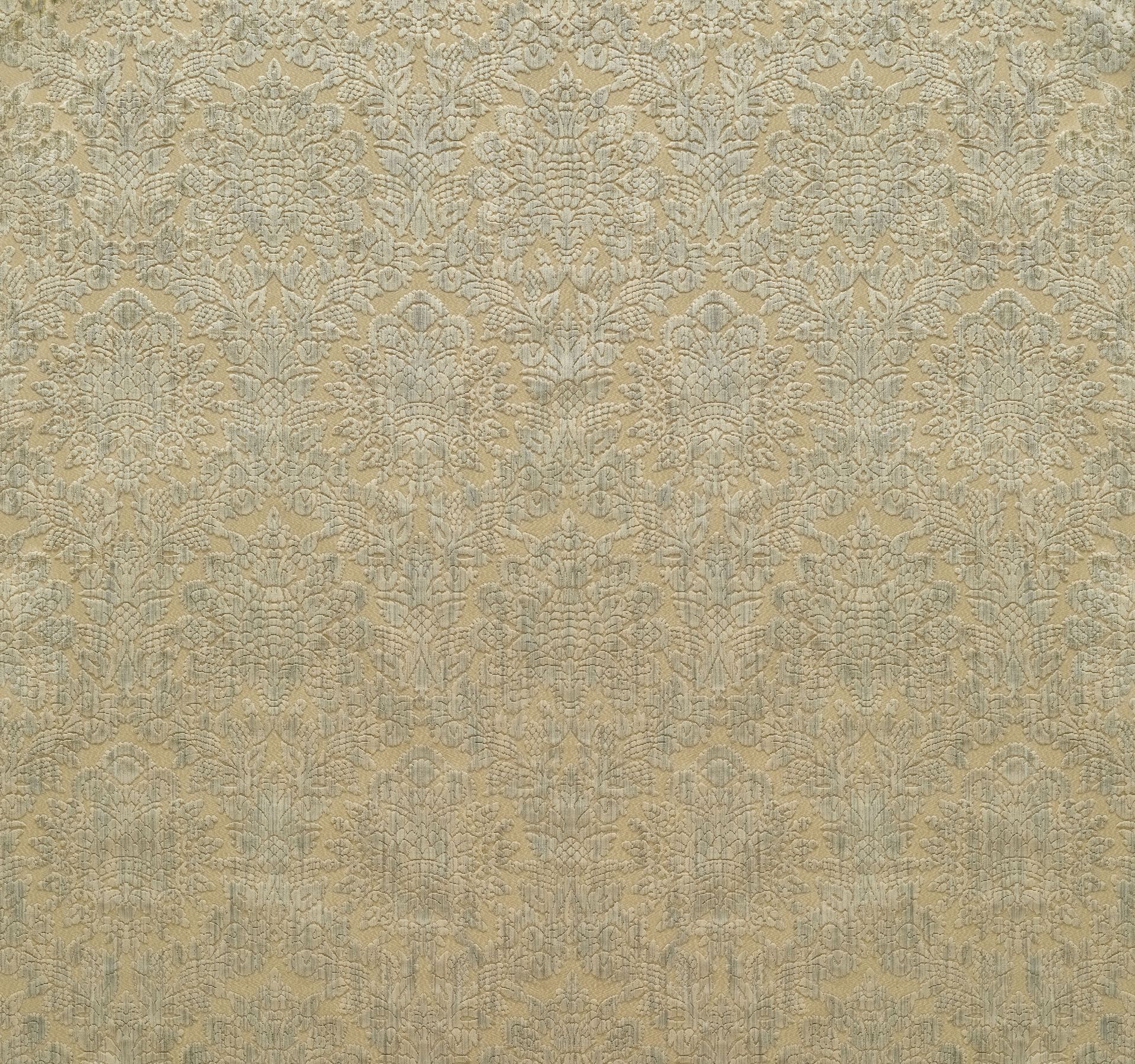
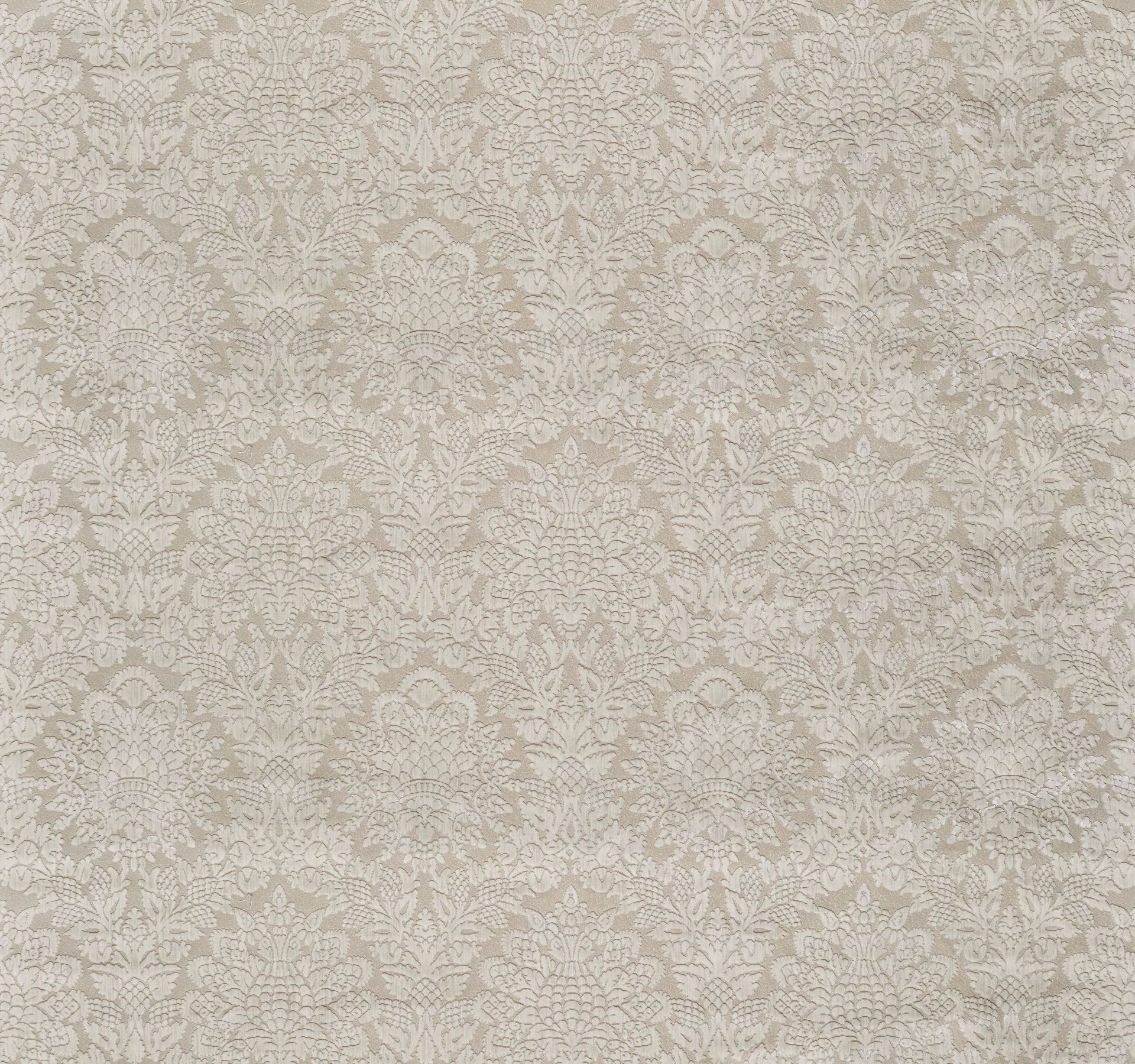
ARDIS 3365
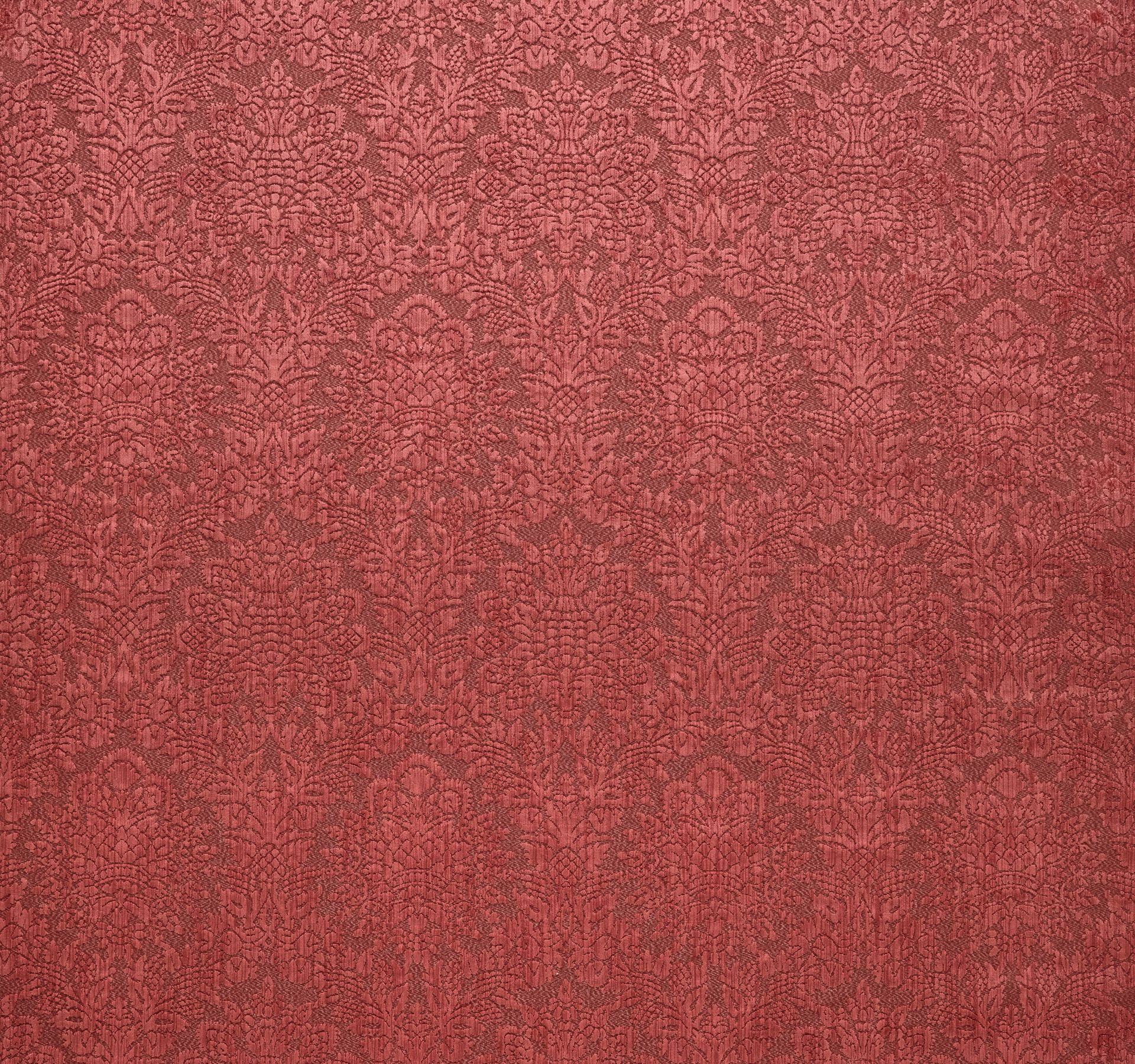
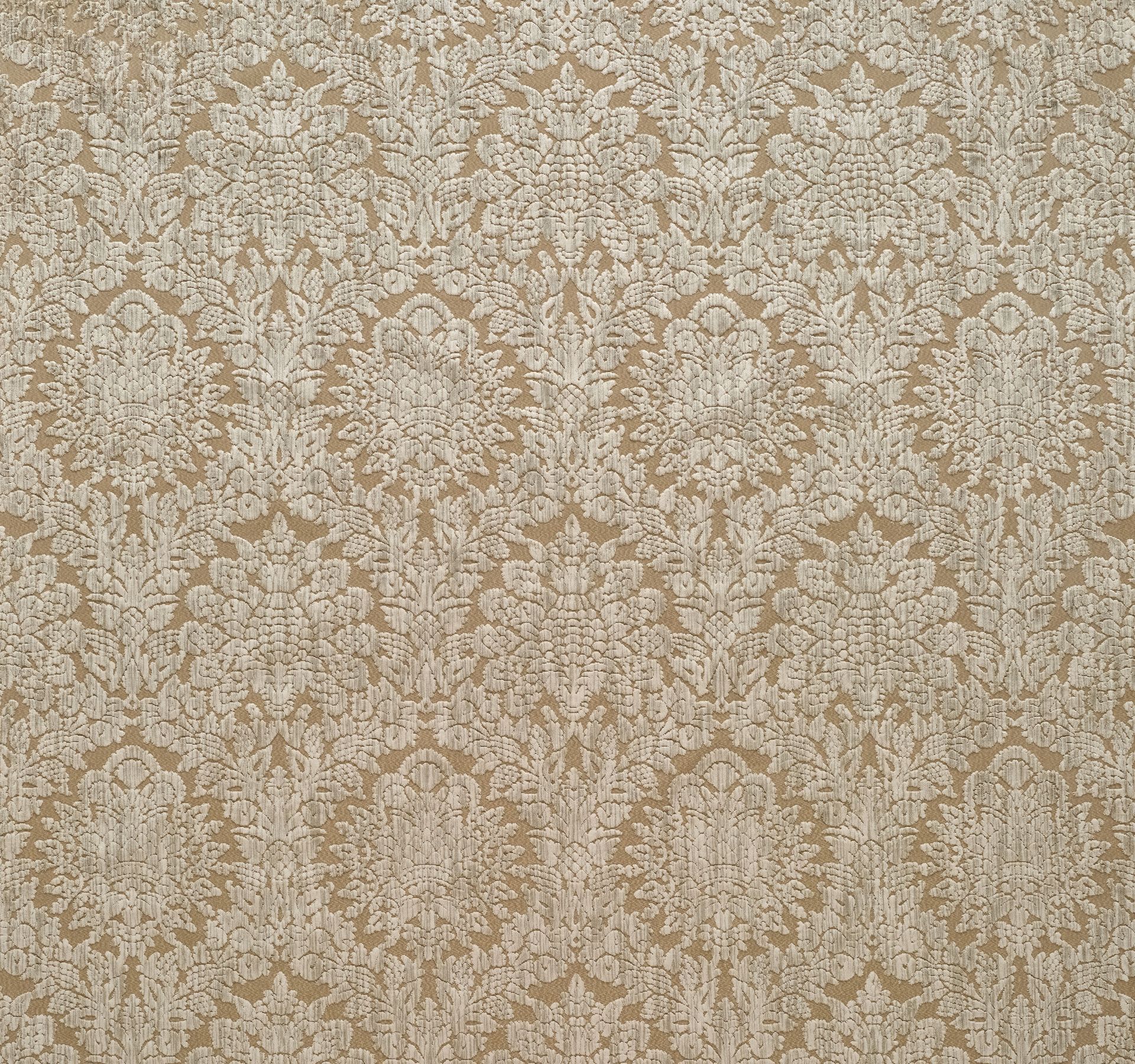
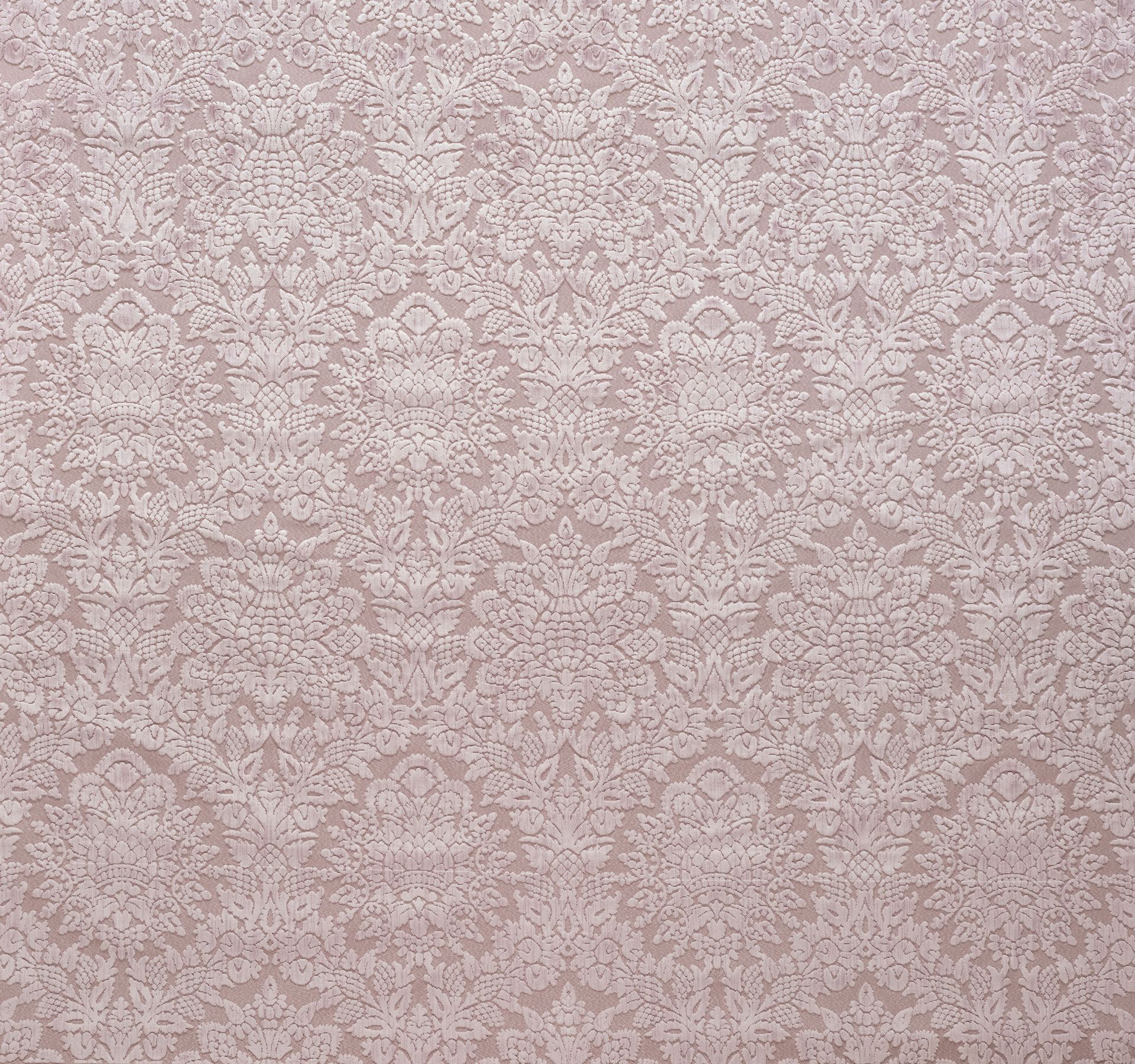
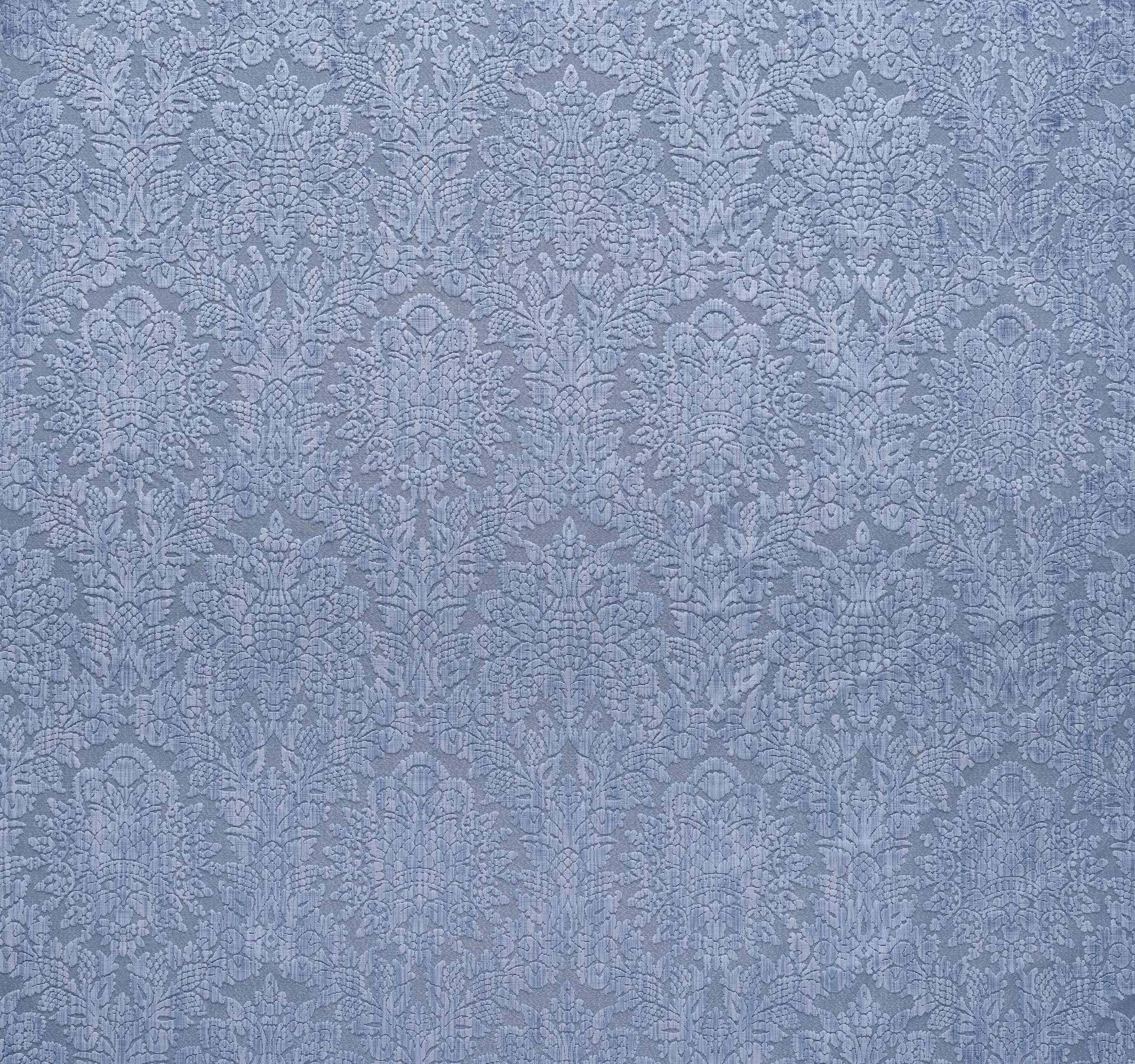
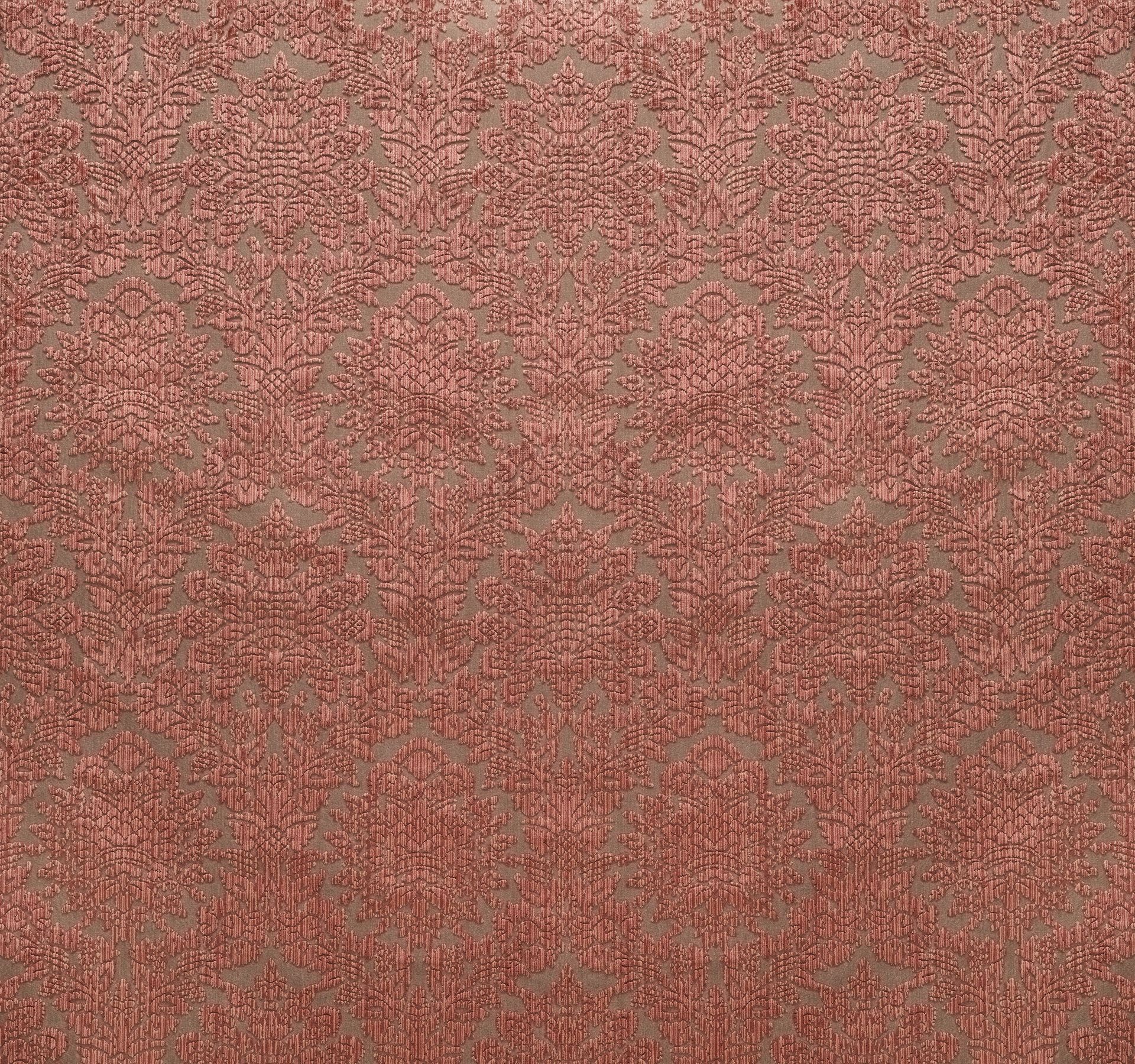
BESTIARY 3339
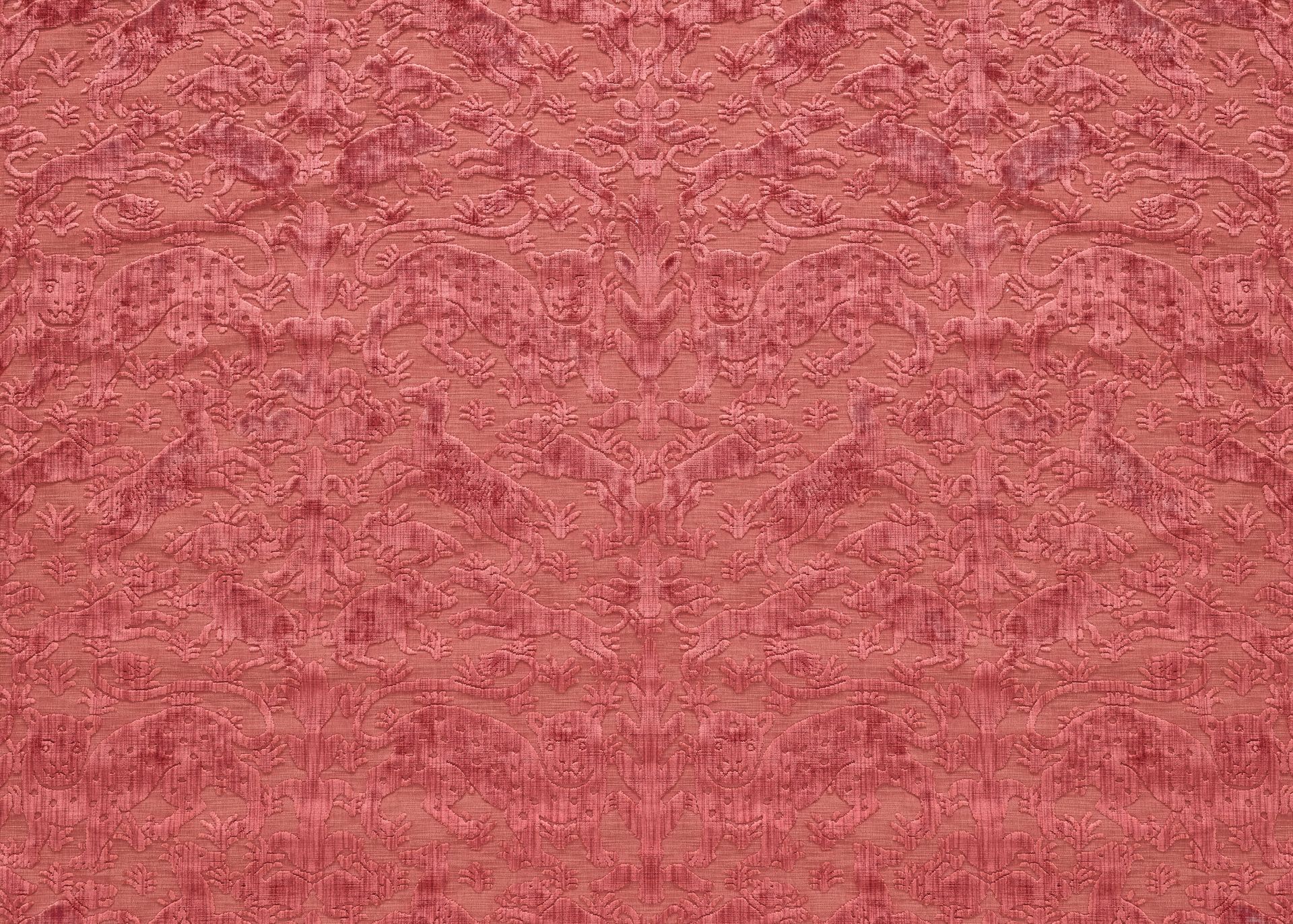
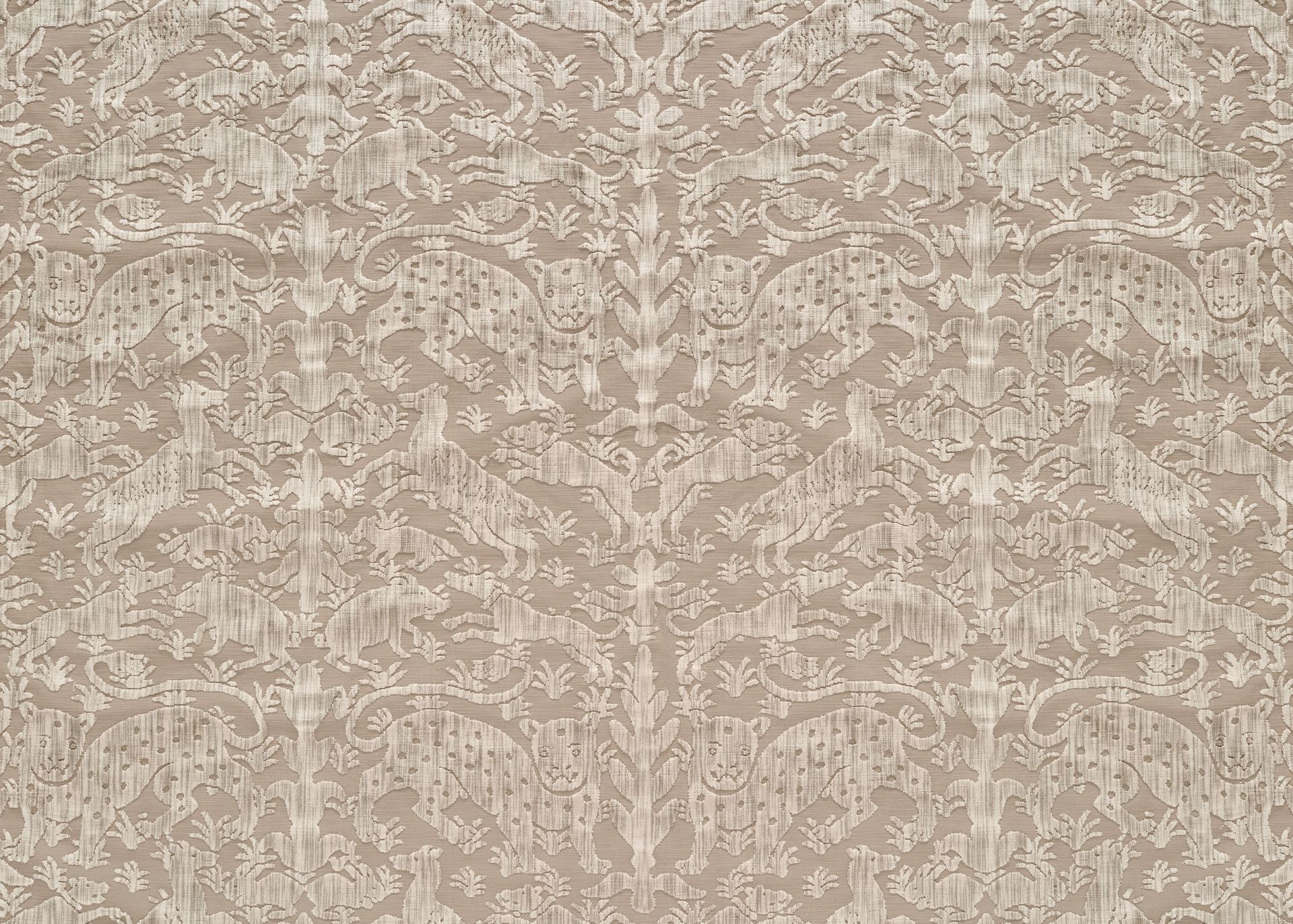
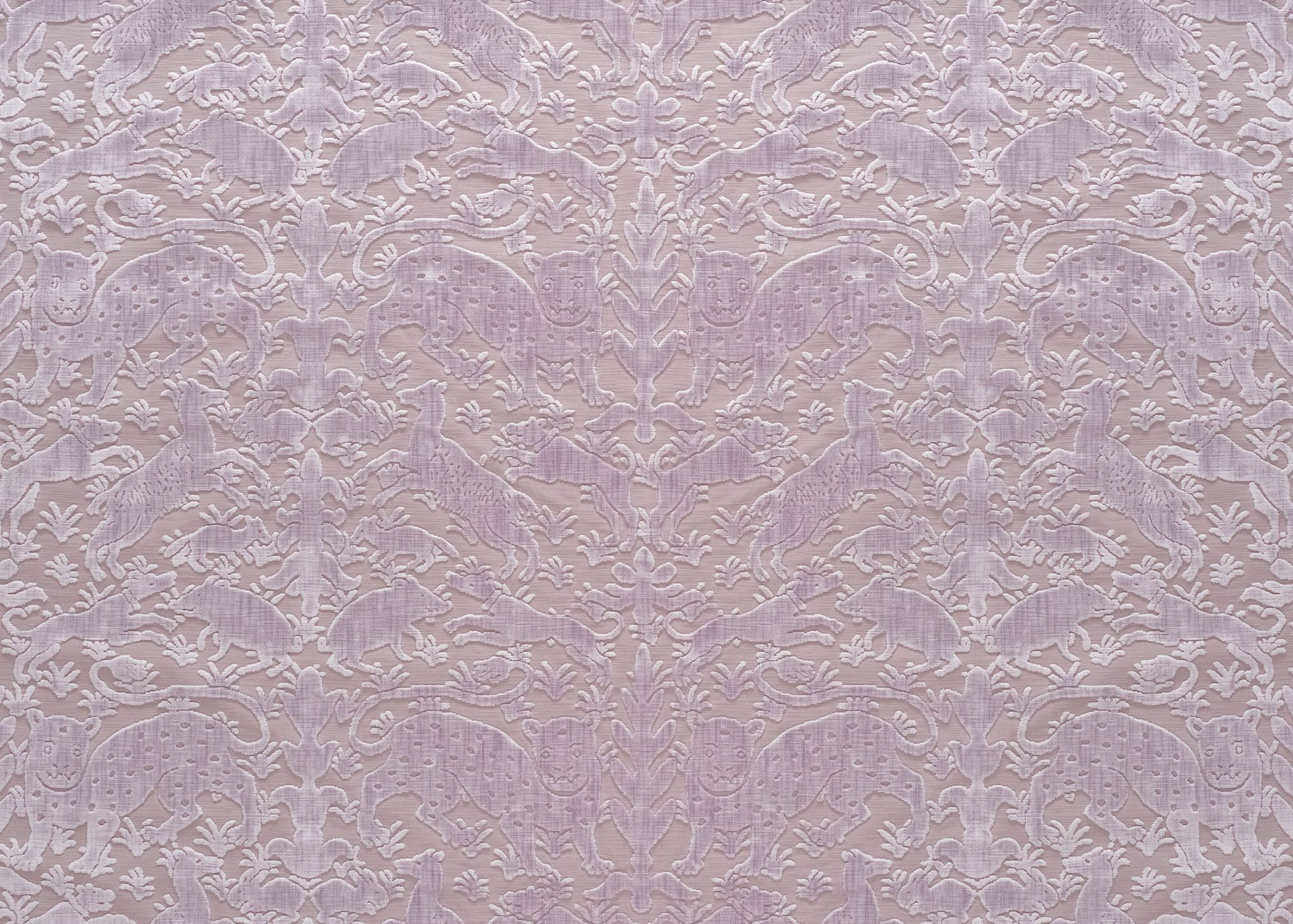
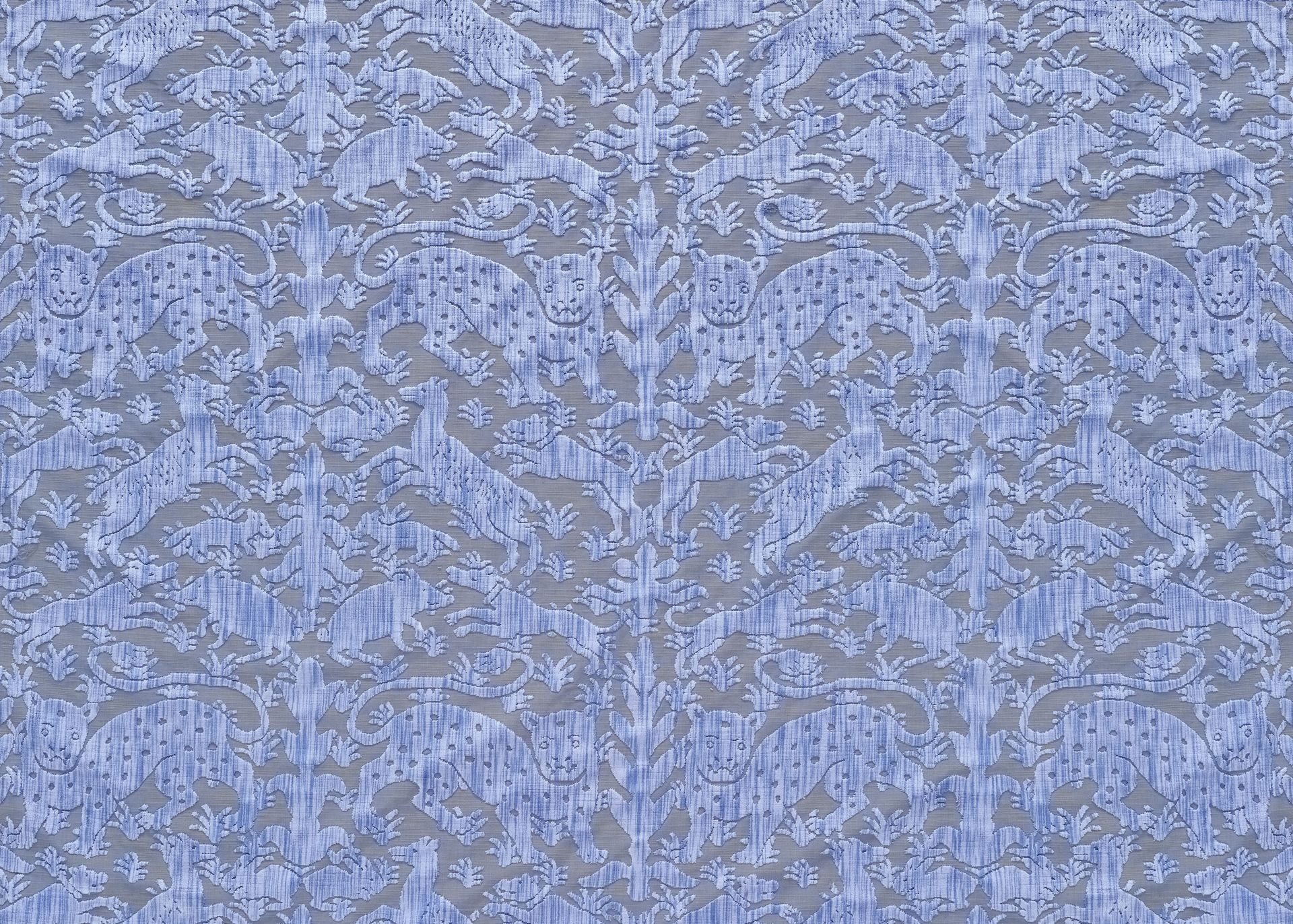
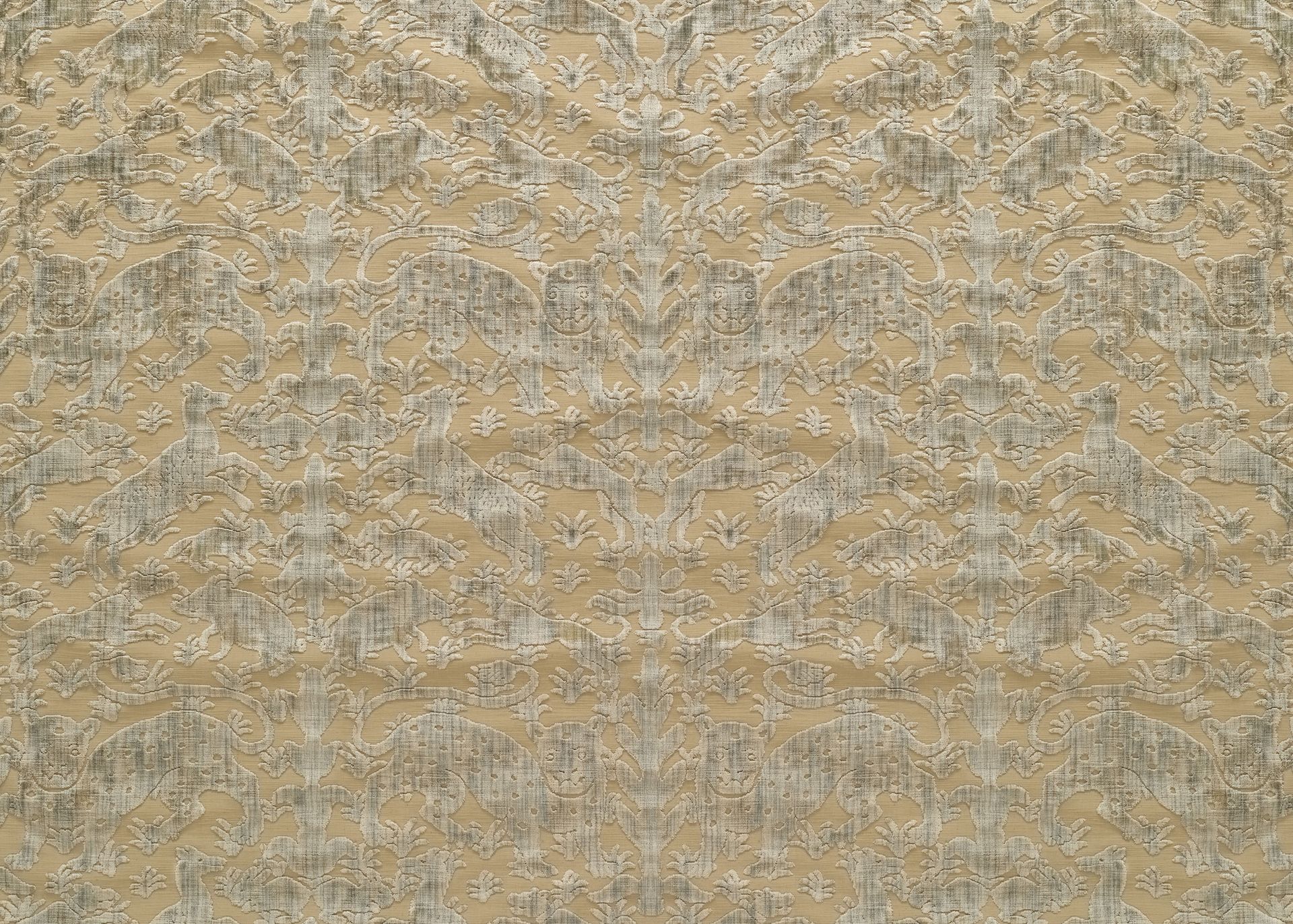
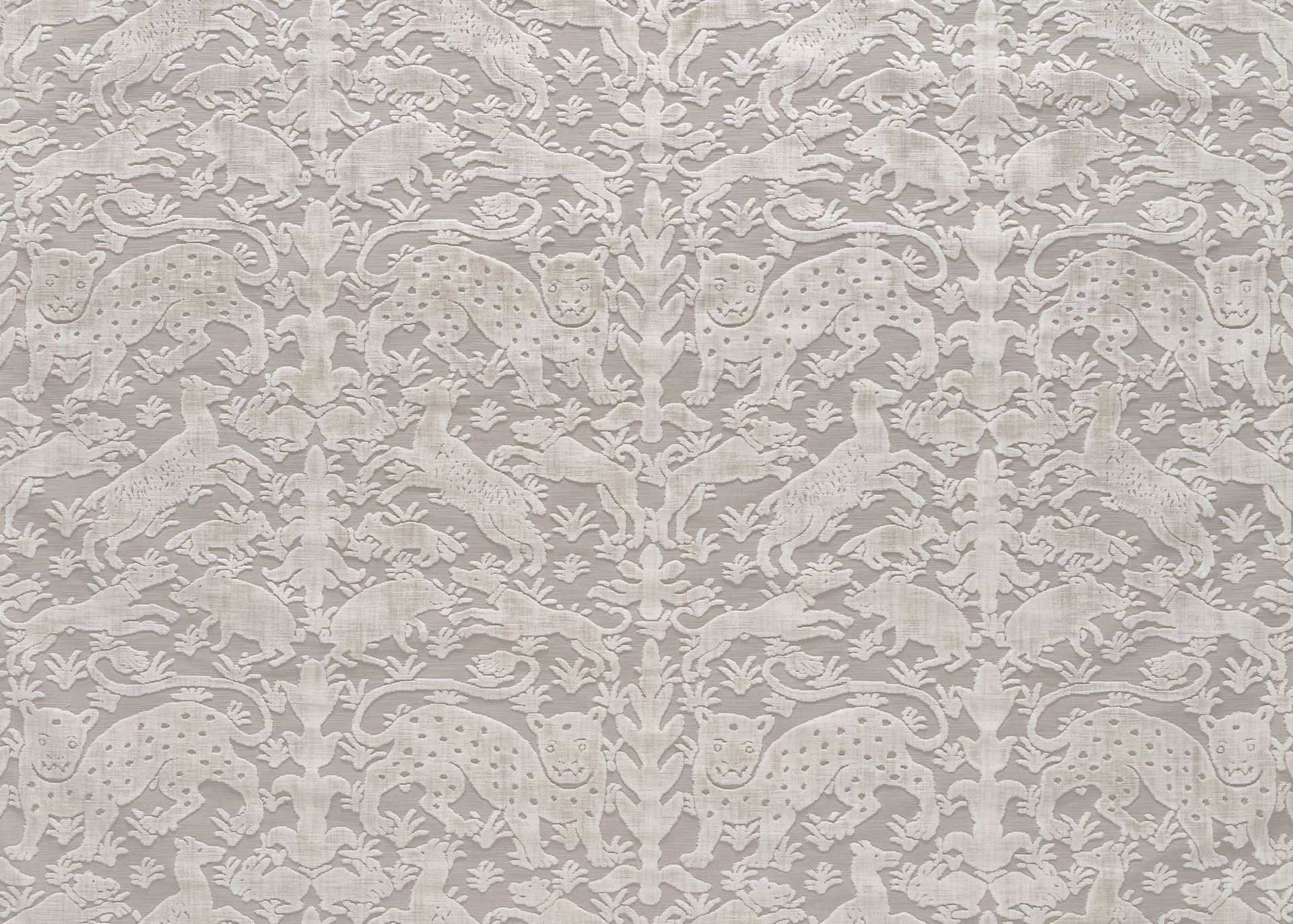
CA' D'ORO 3283S
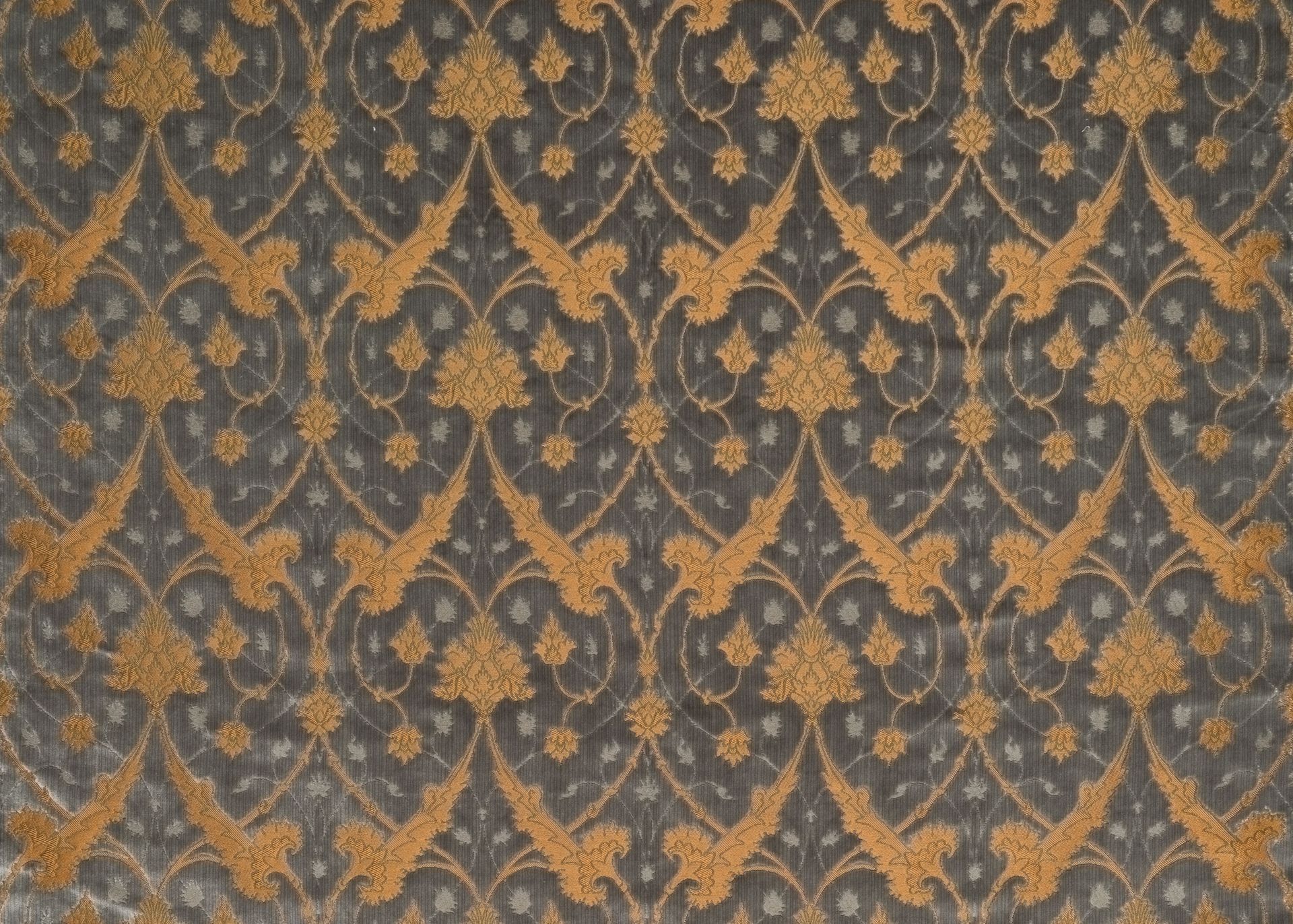
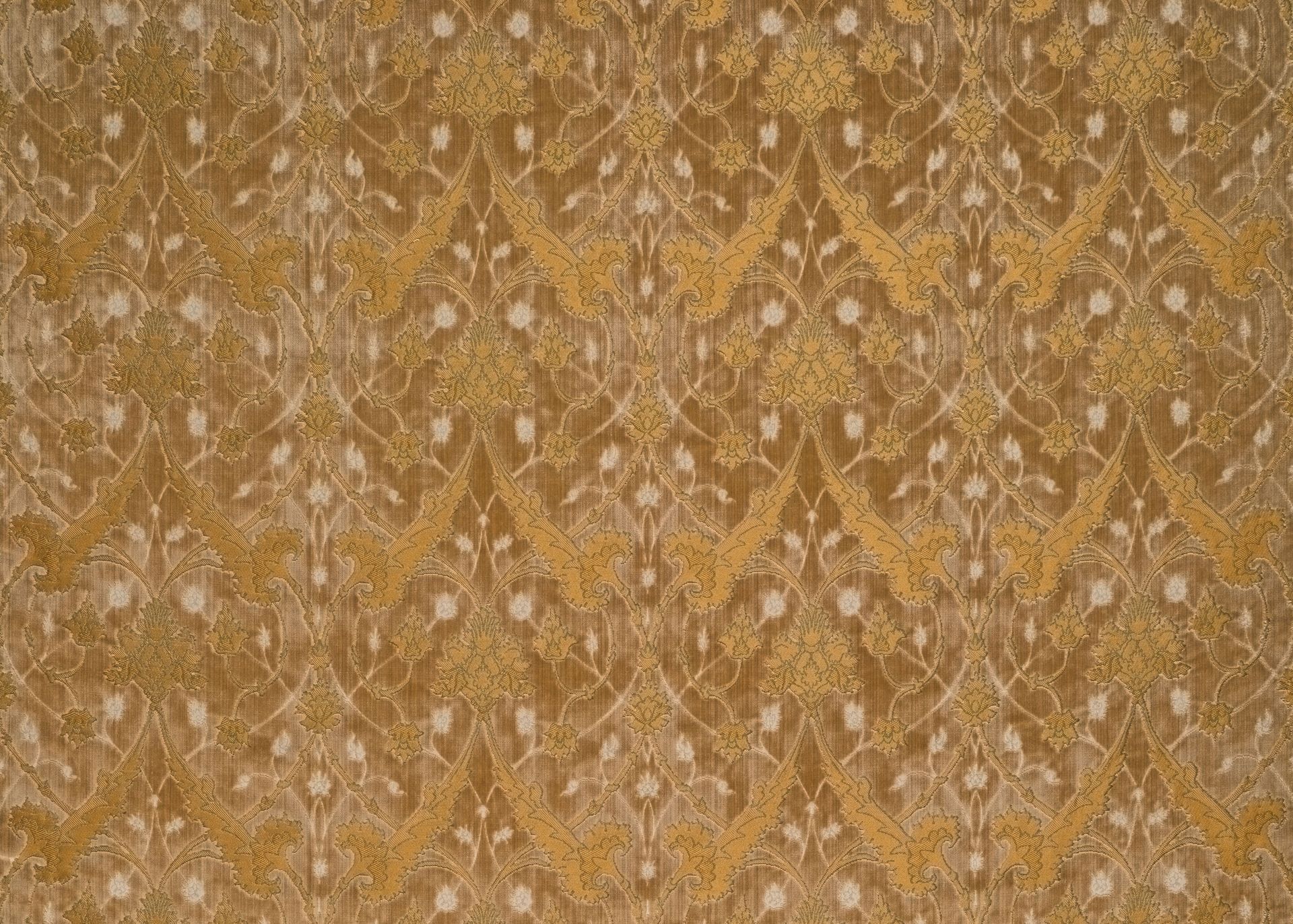
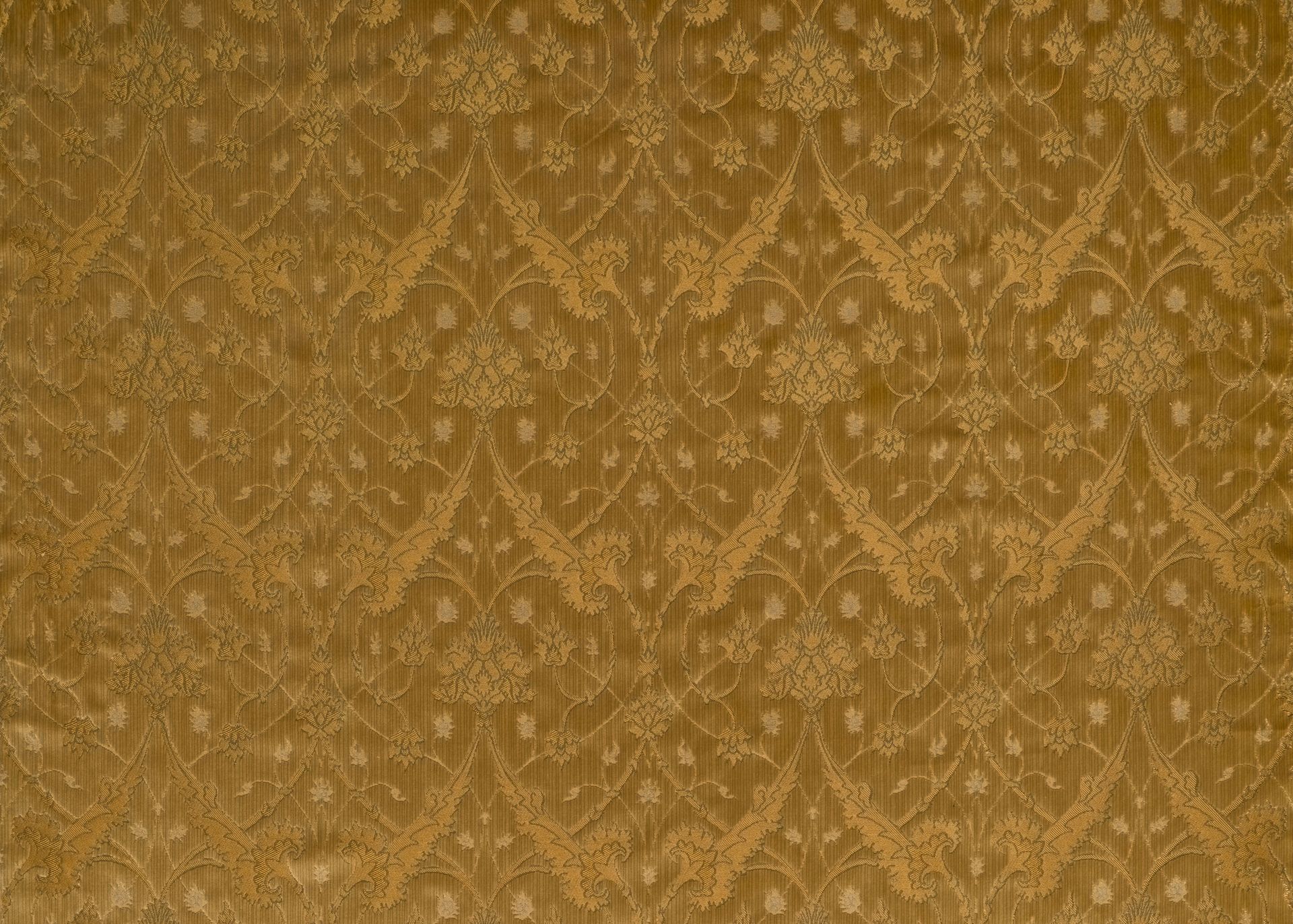
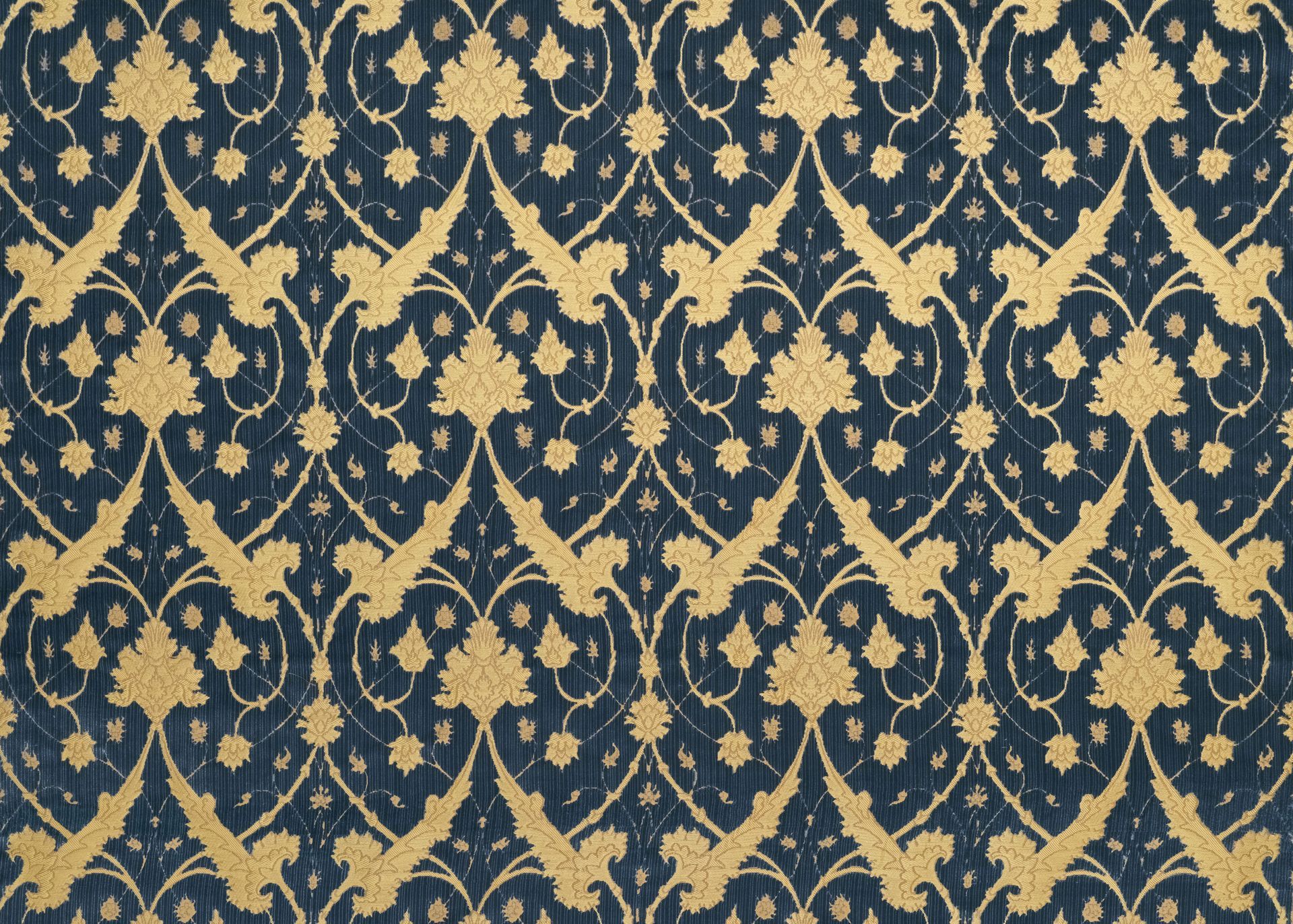
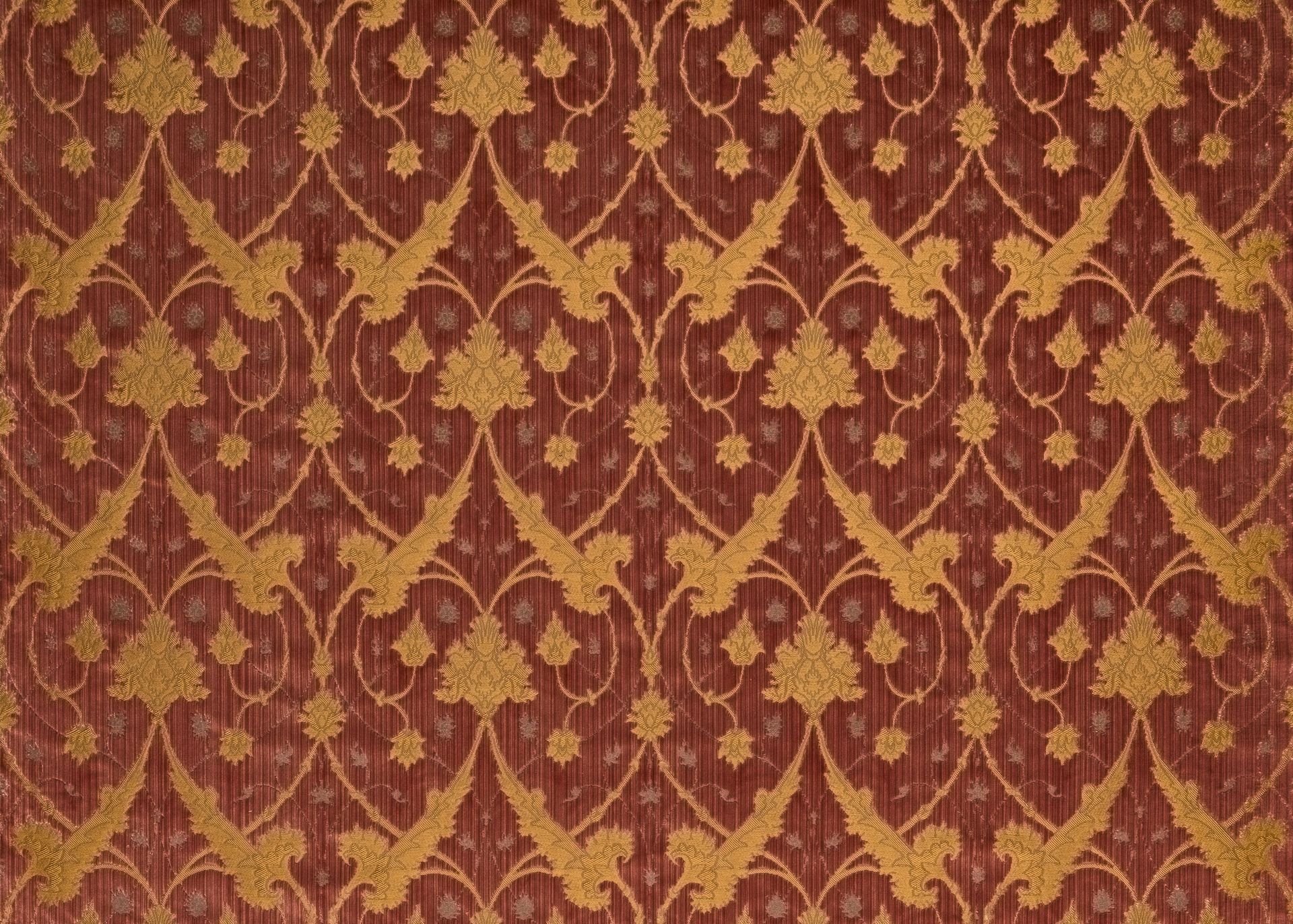
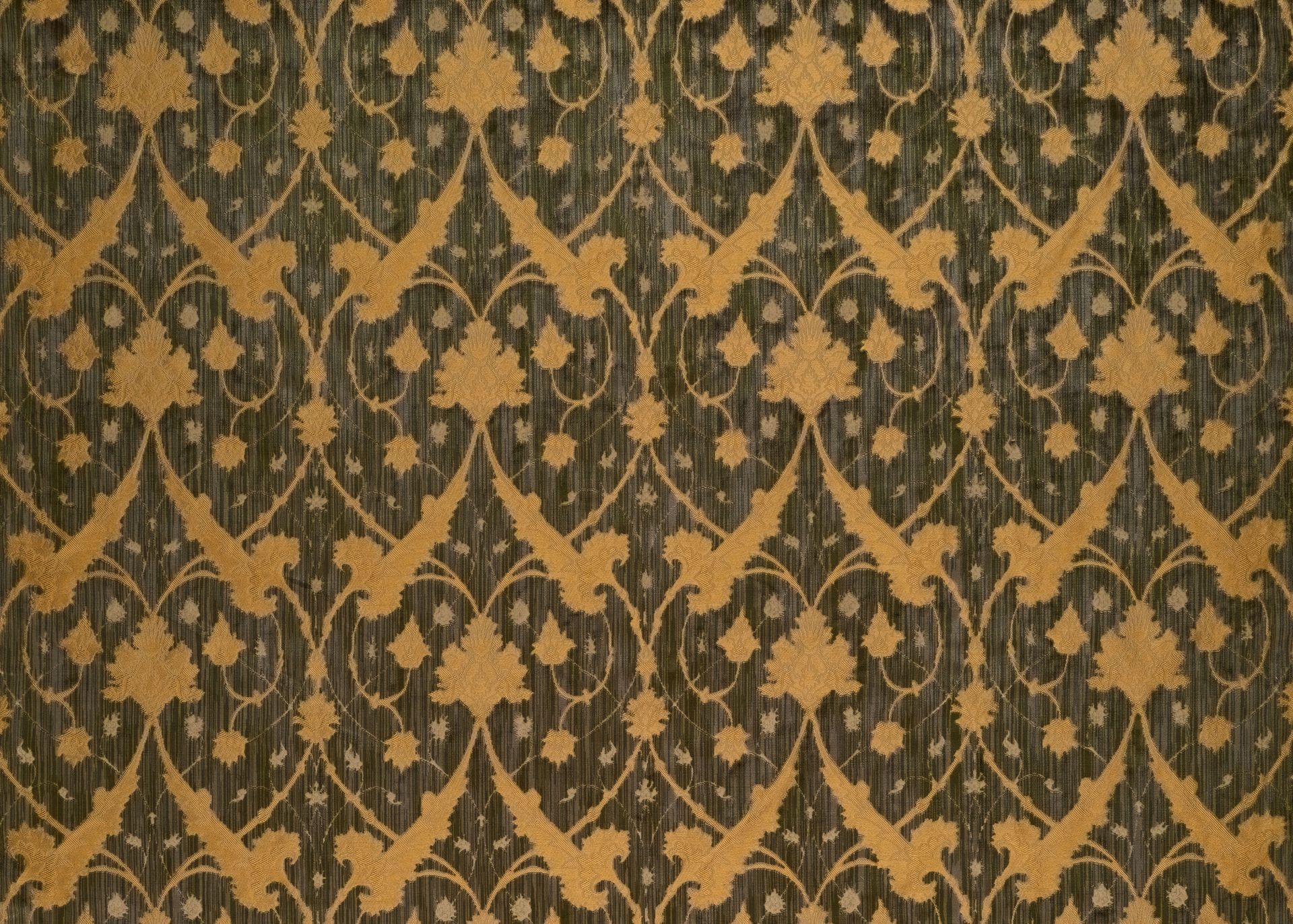
HUNTING 3349S
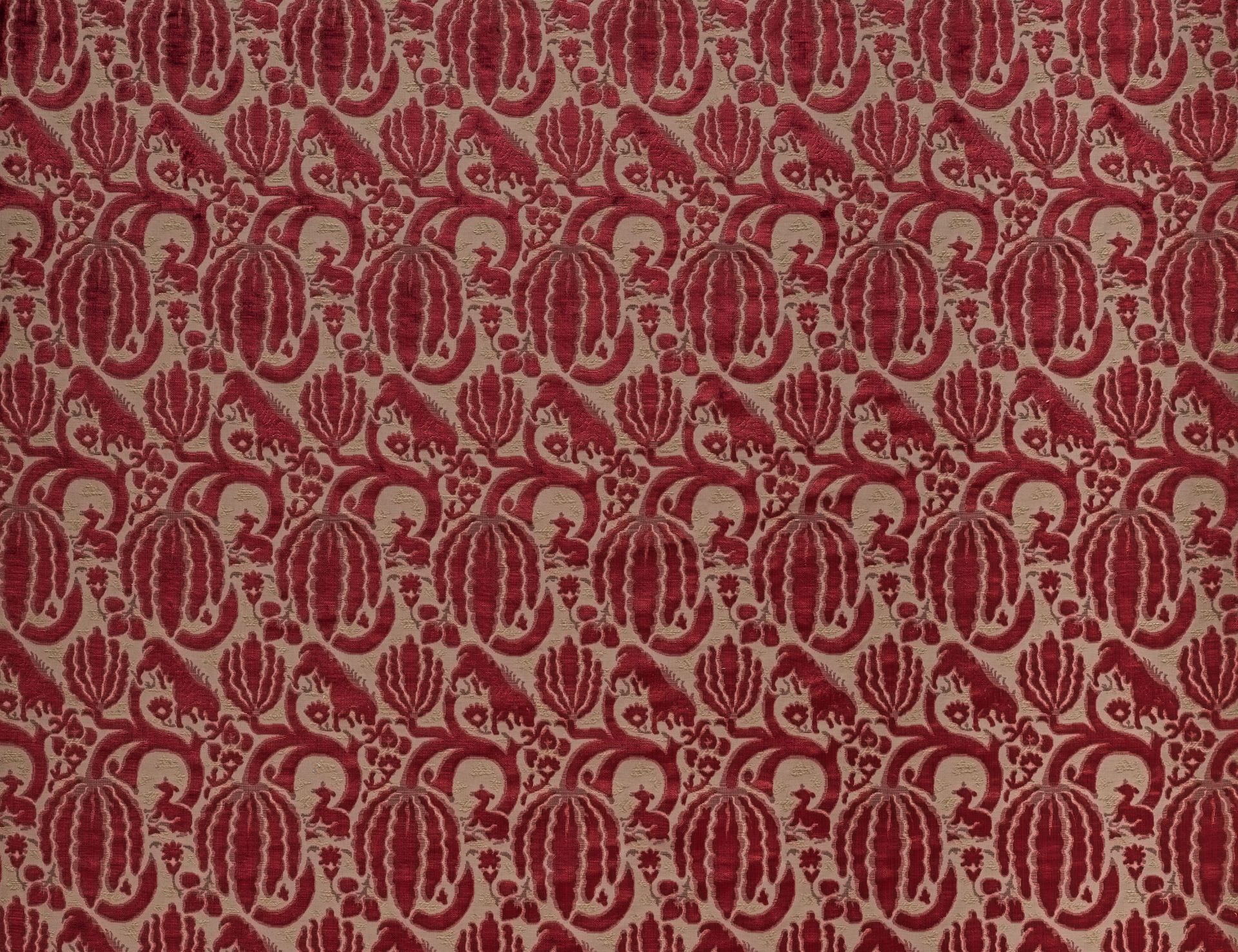
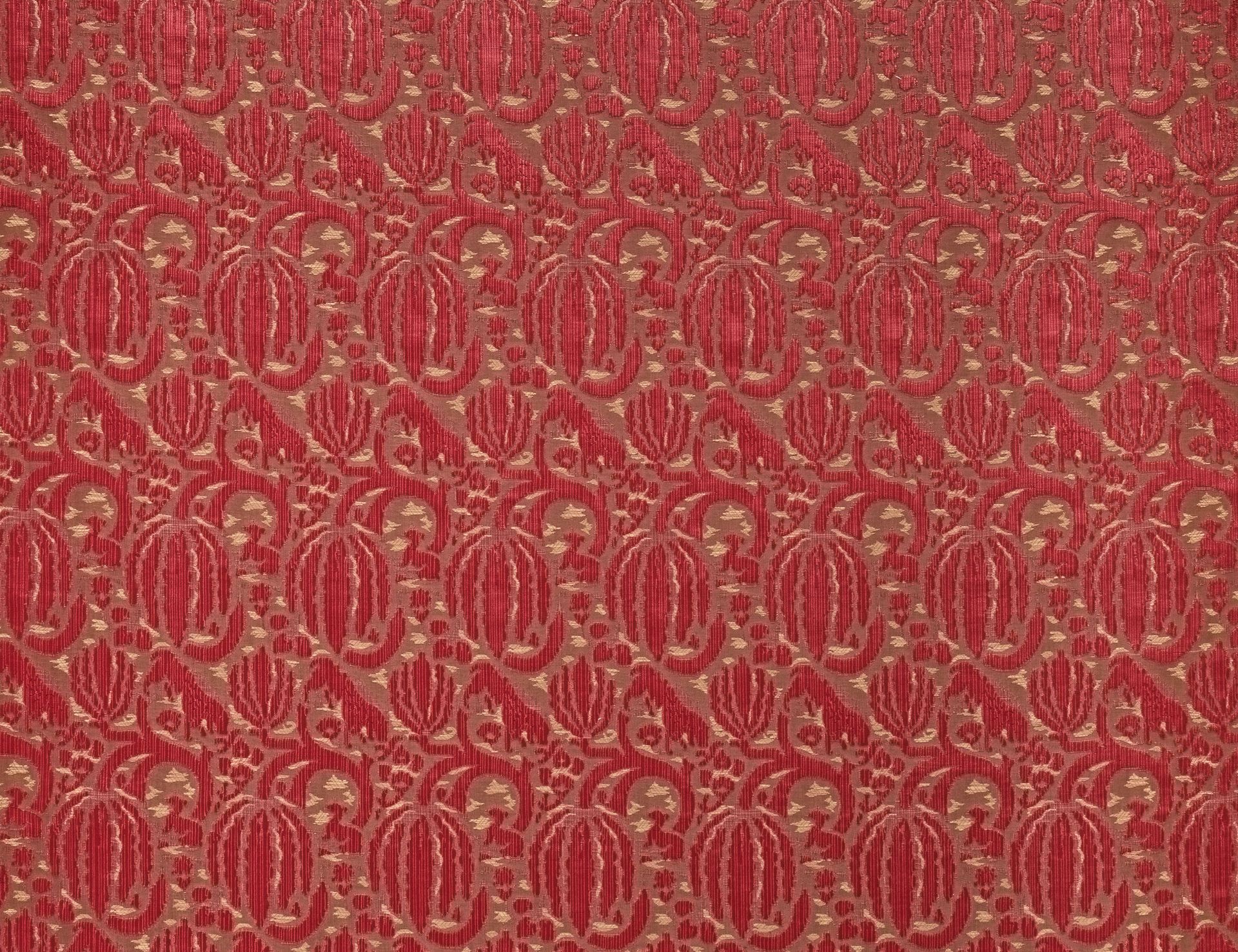
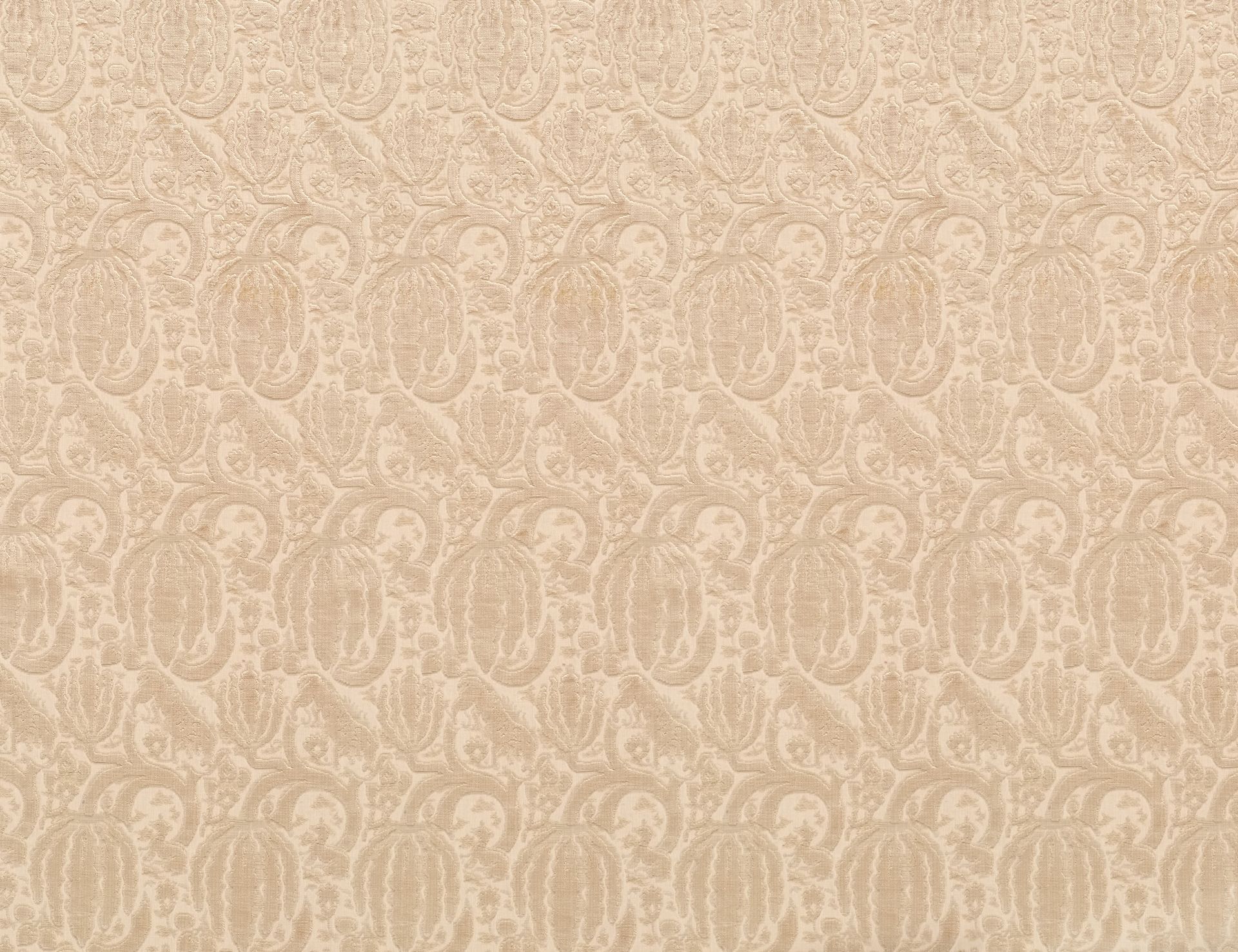
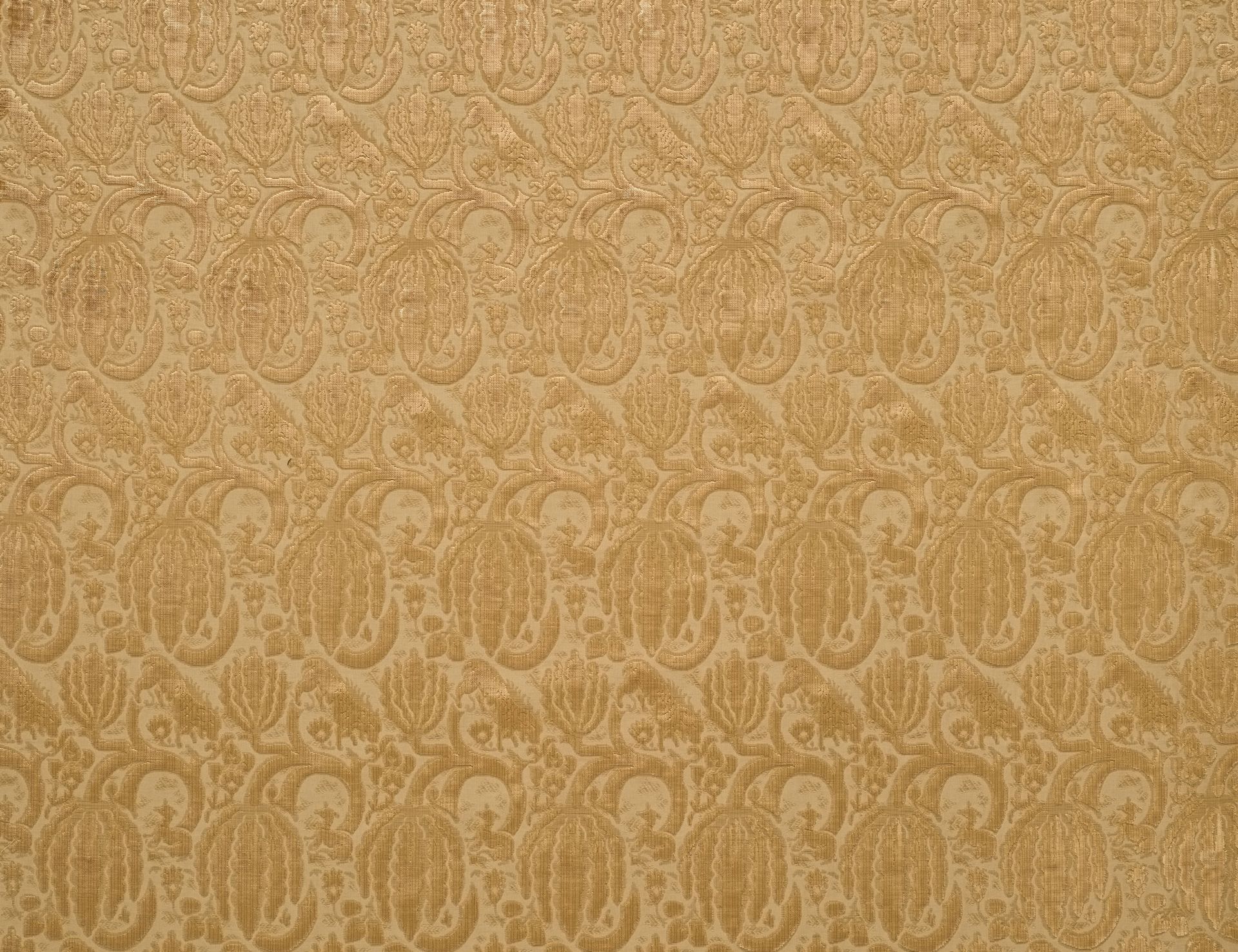
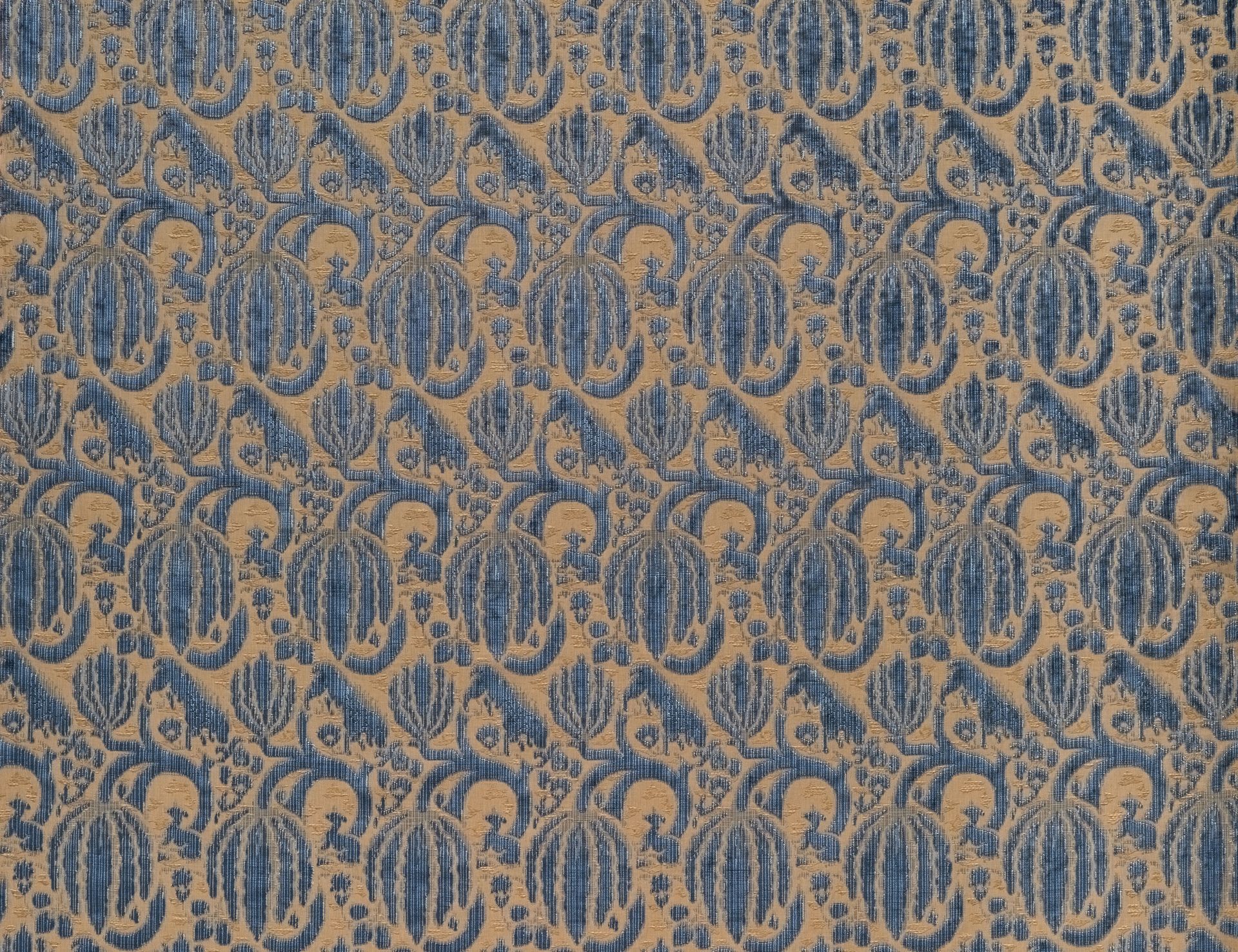
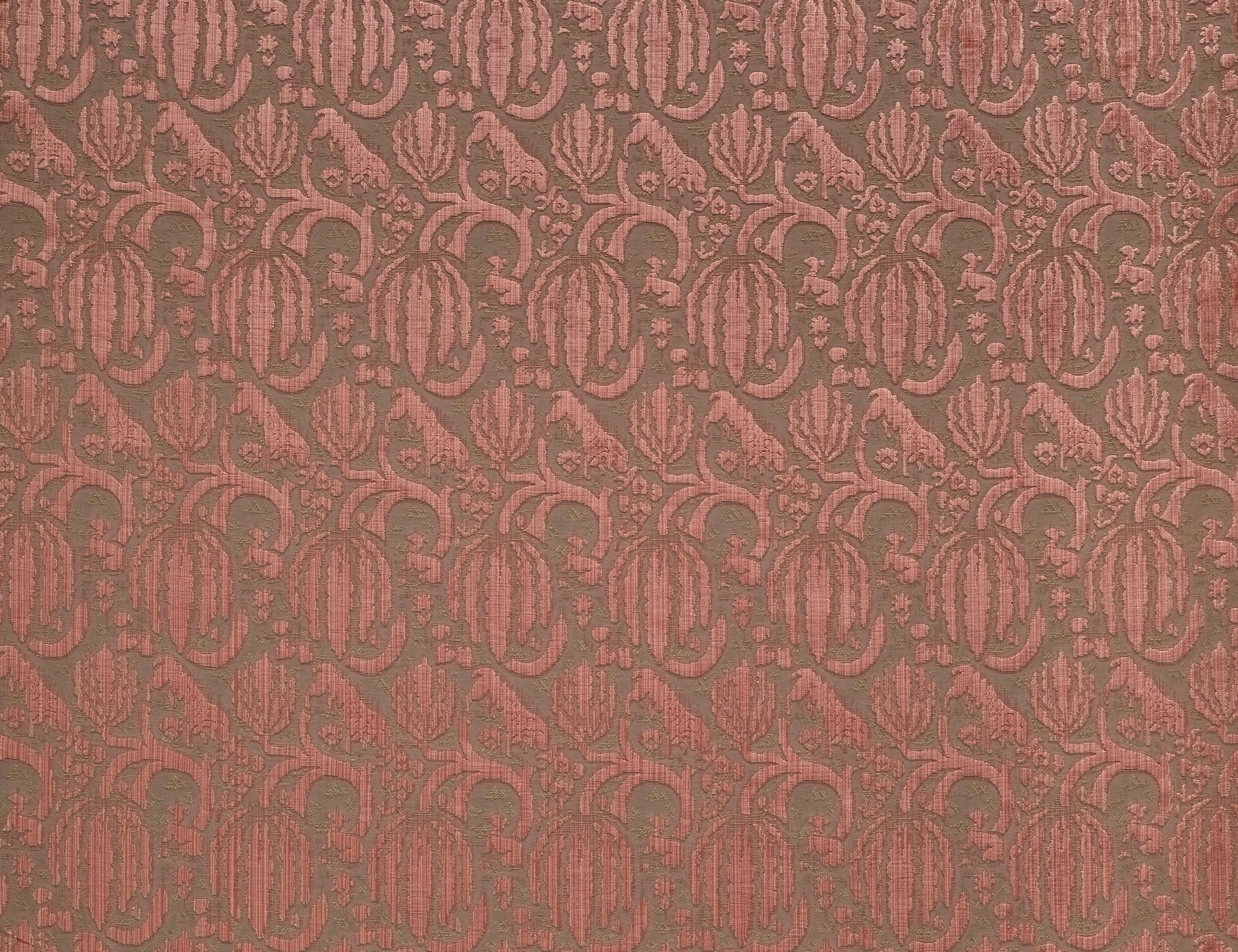
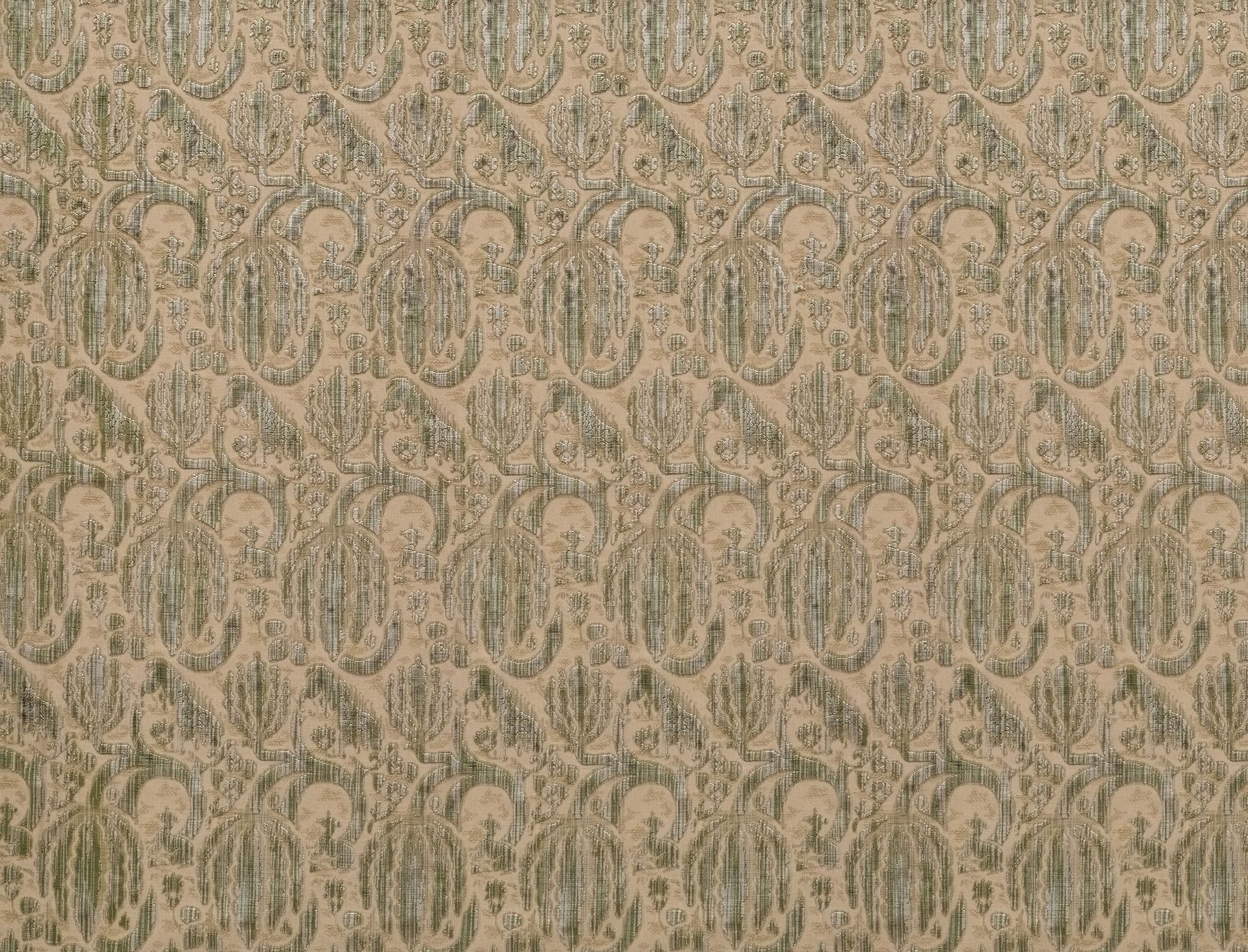
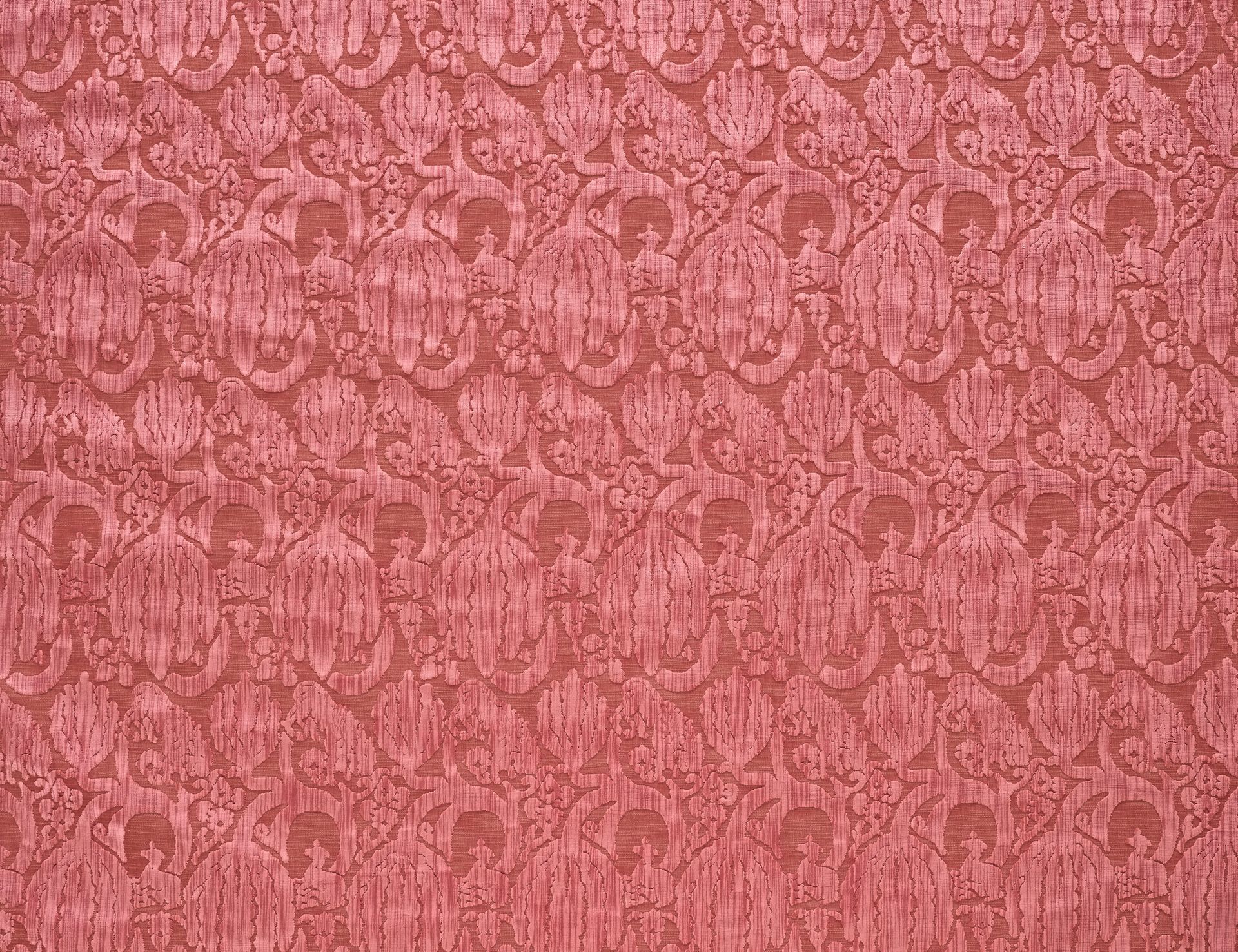
HUNTING 3349D
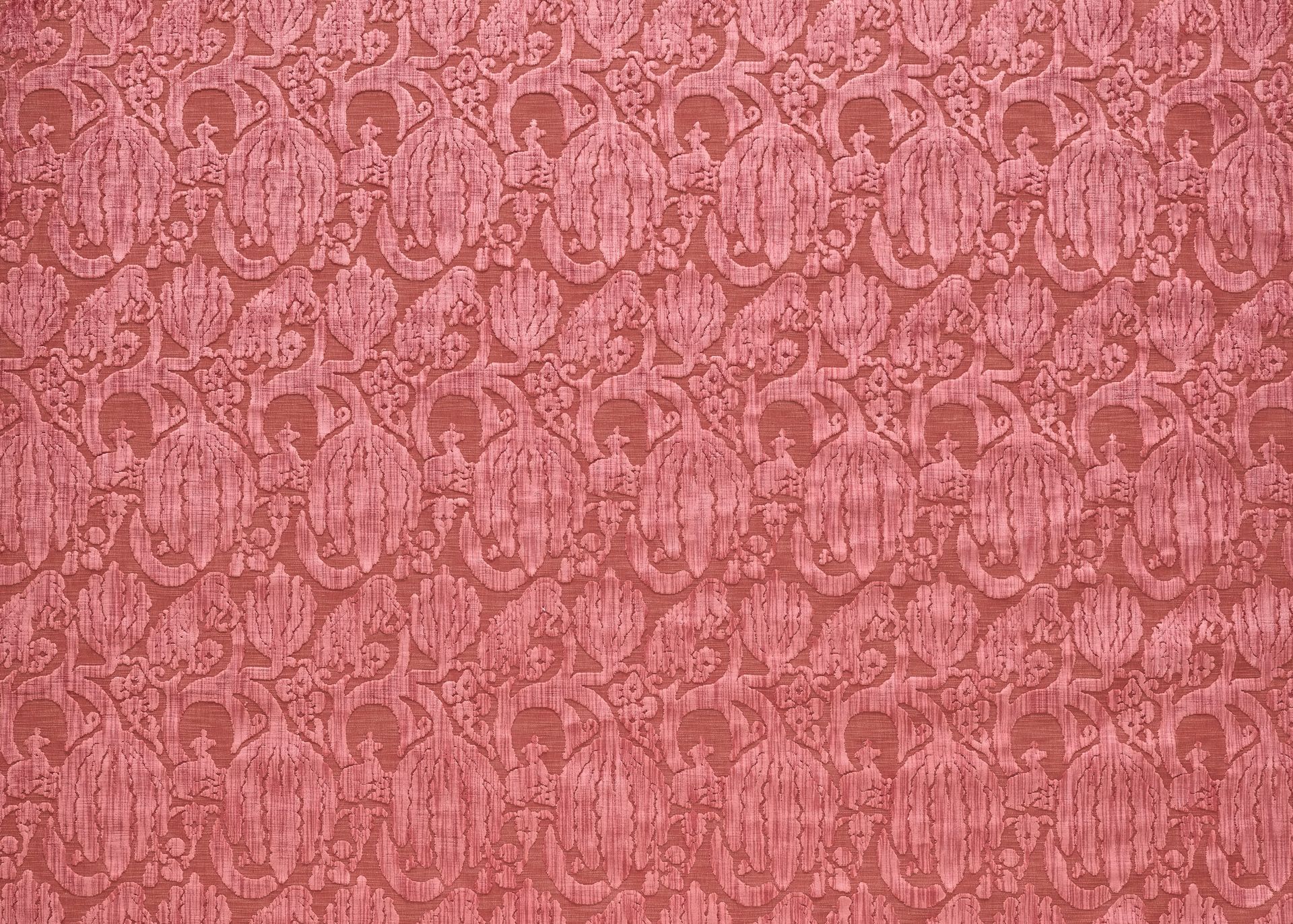
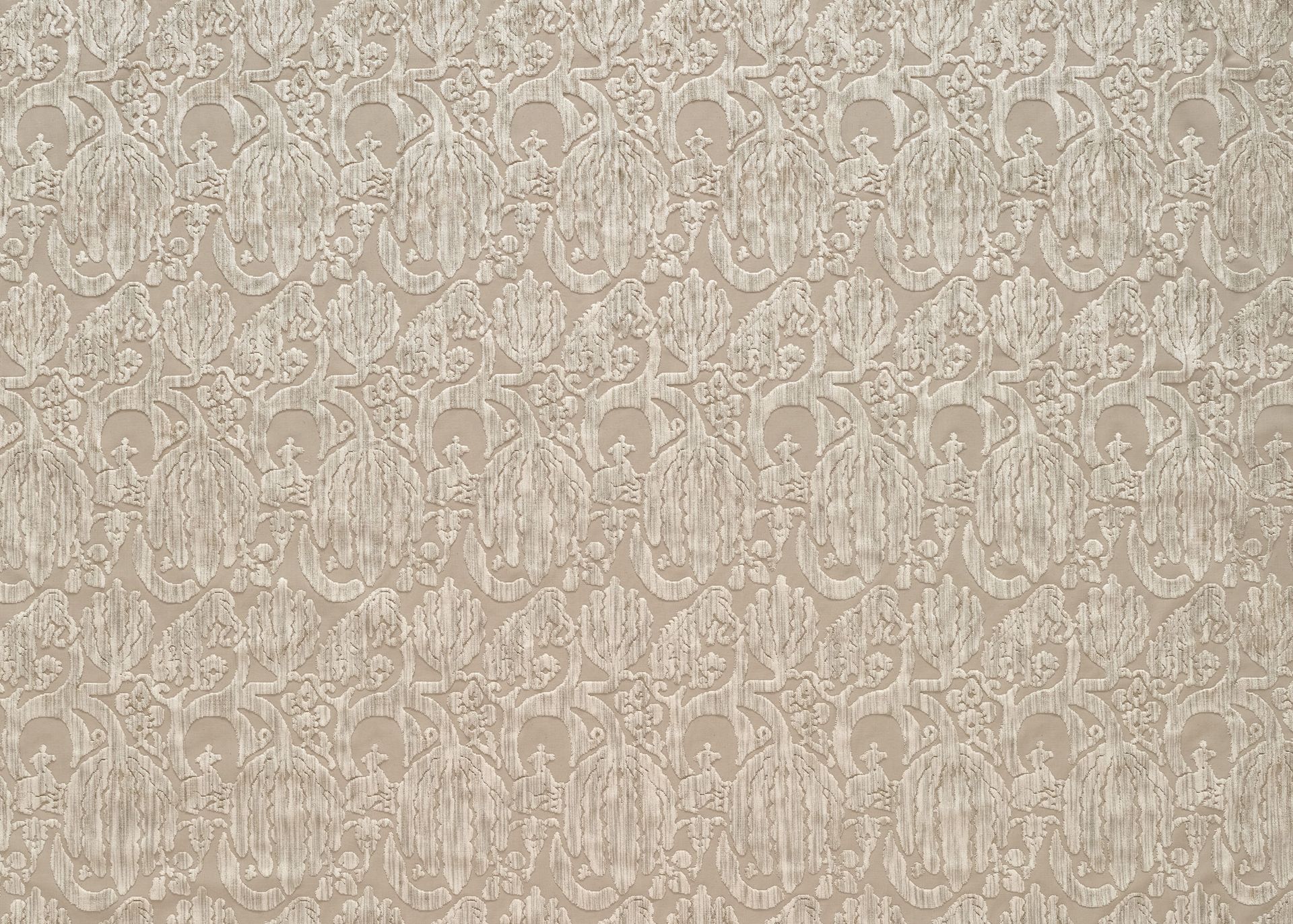
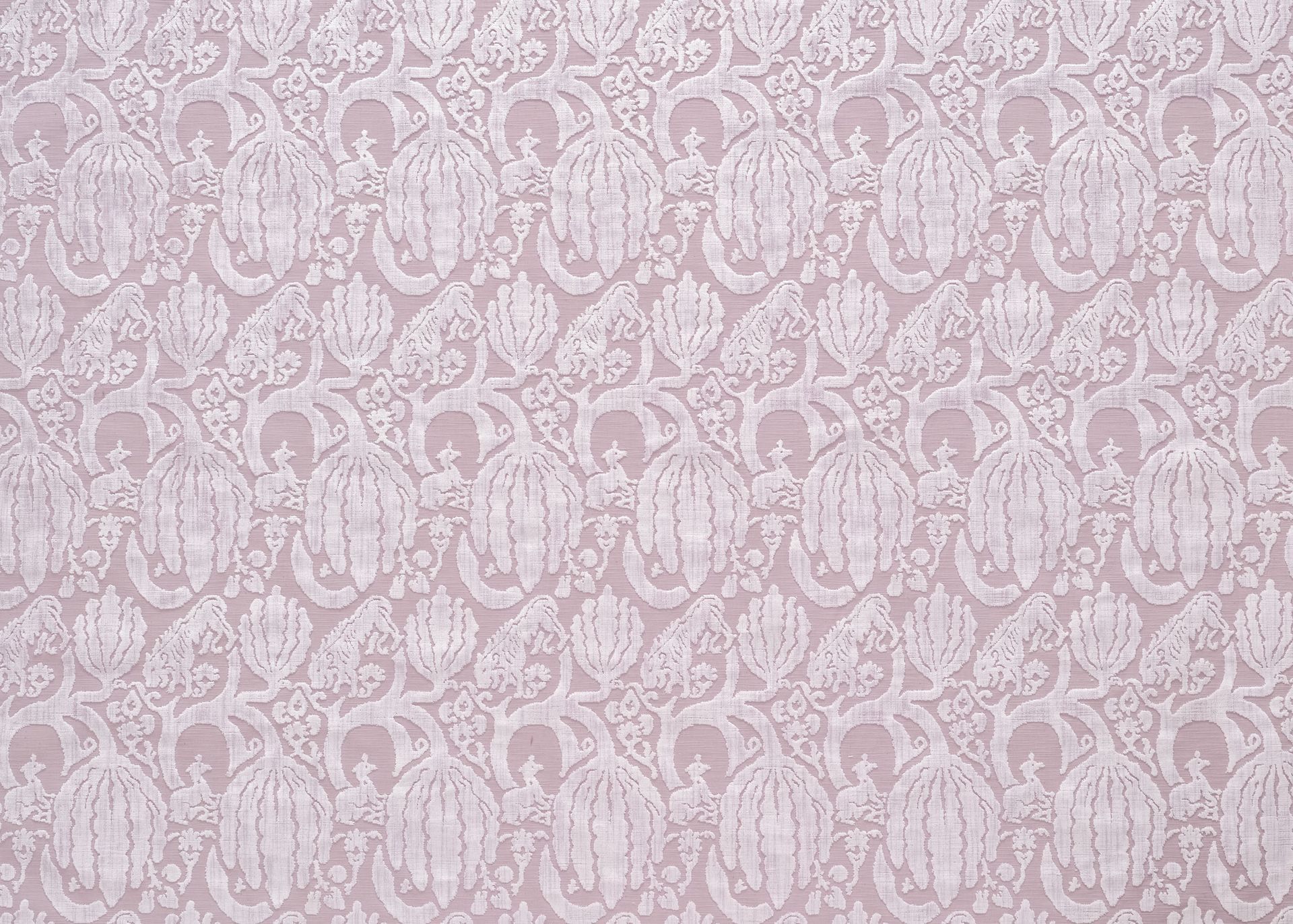
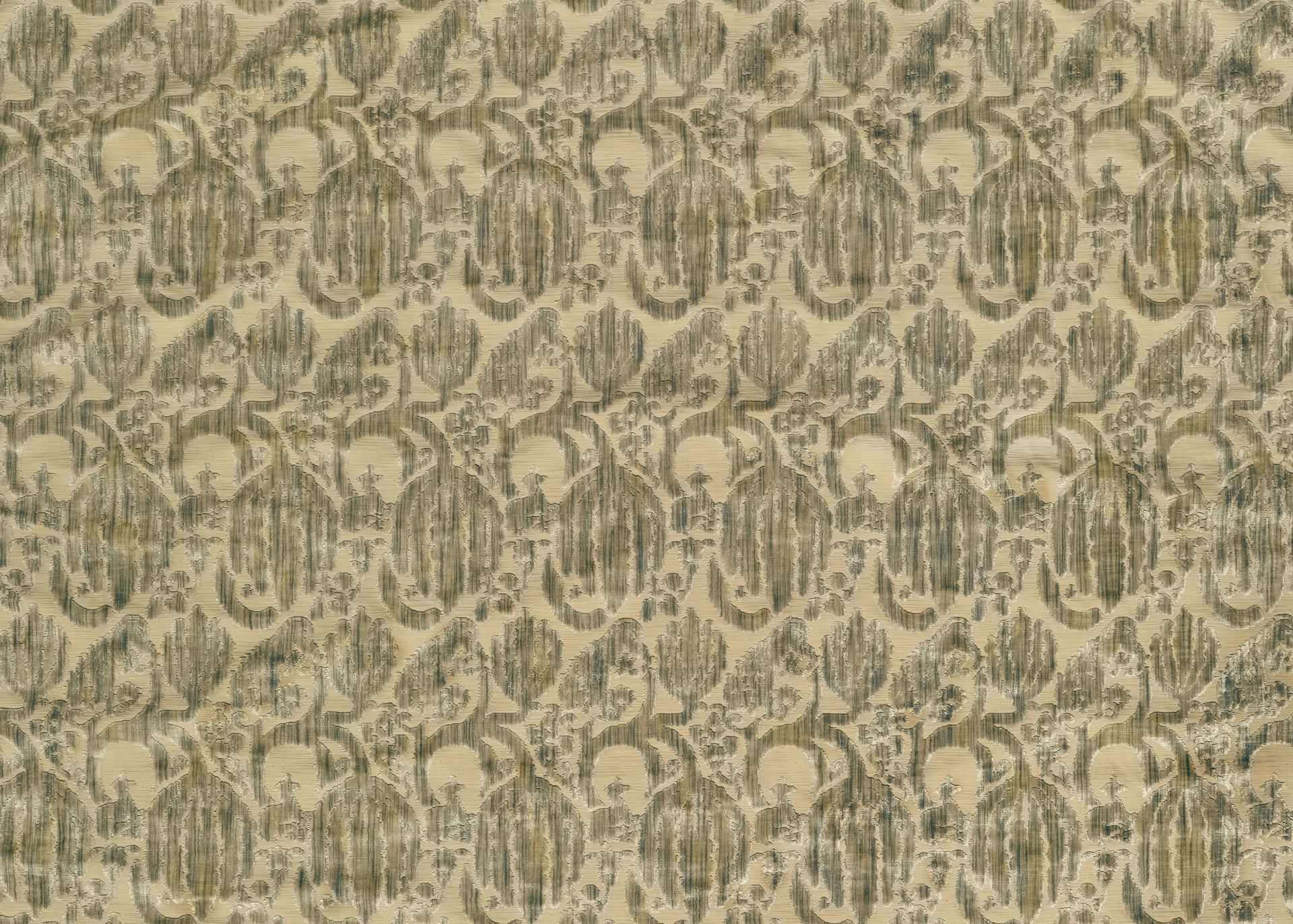
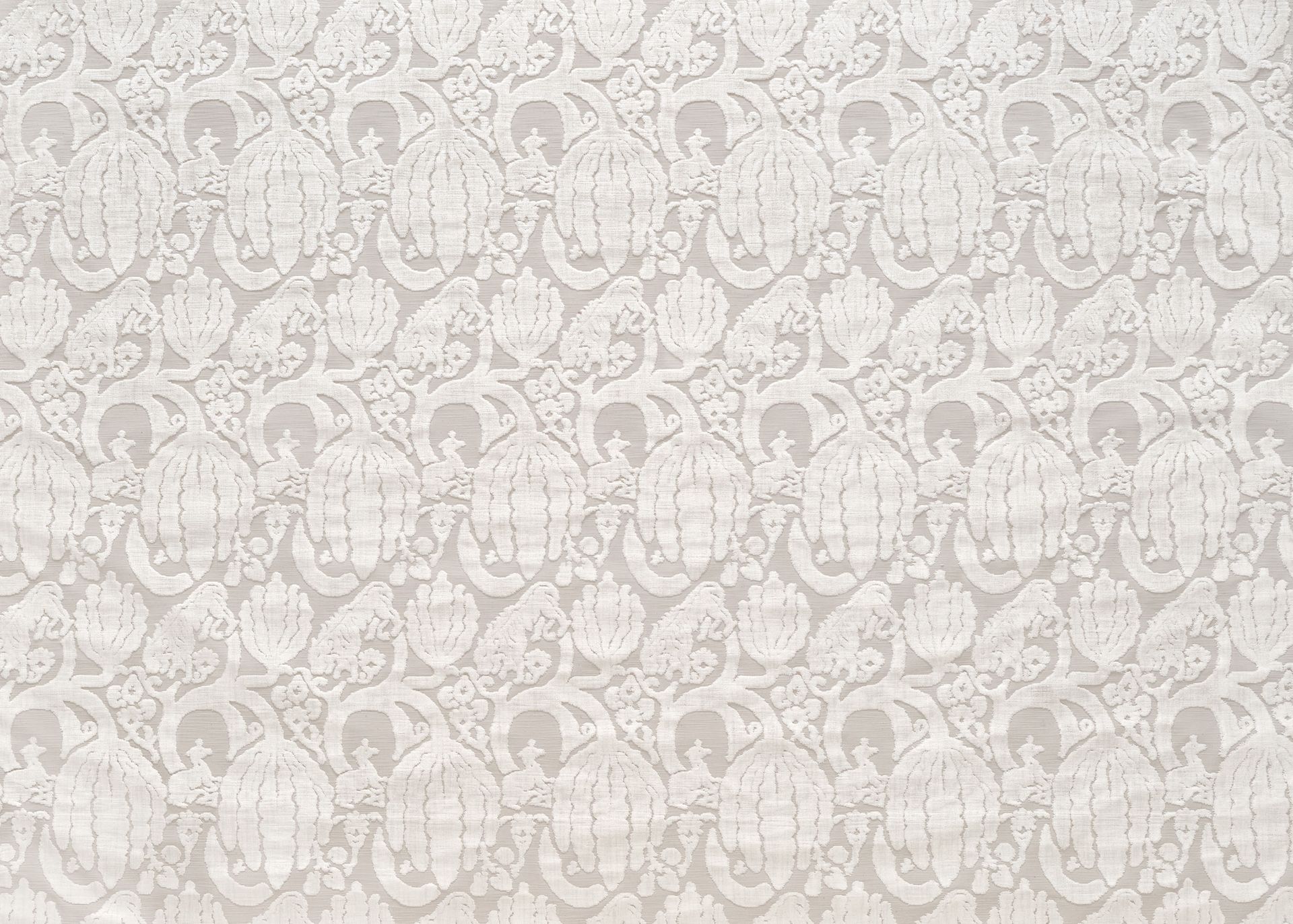
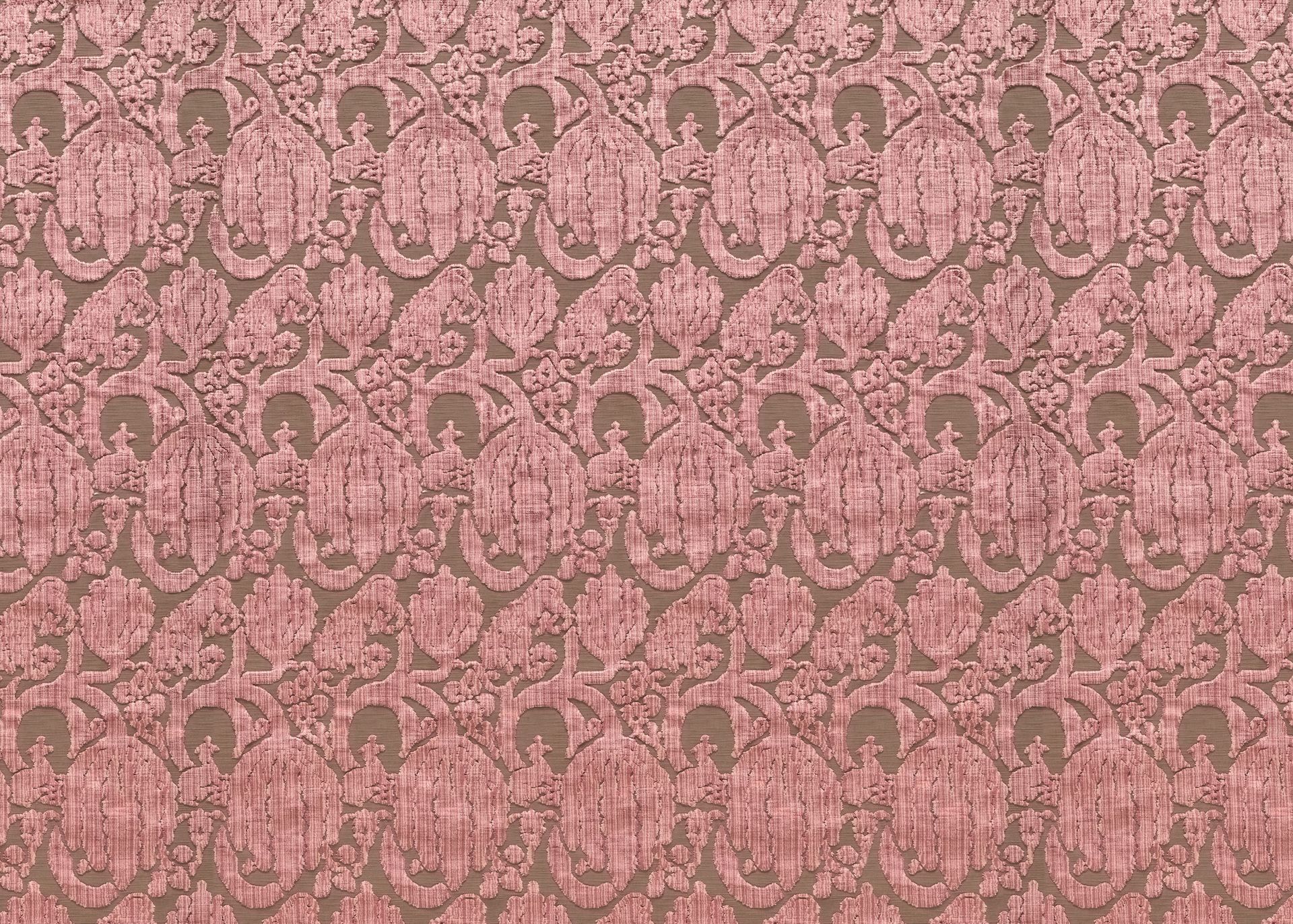
CAPRI 3771S
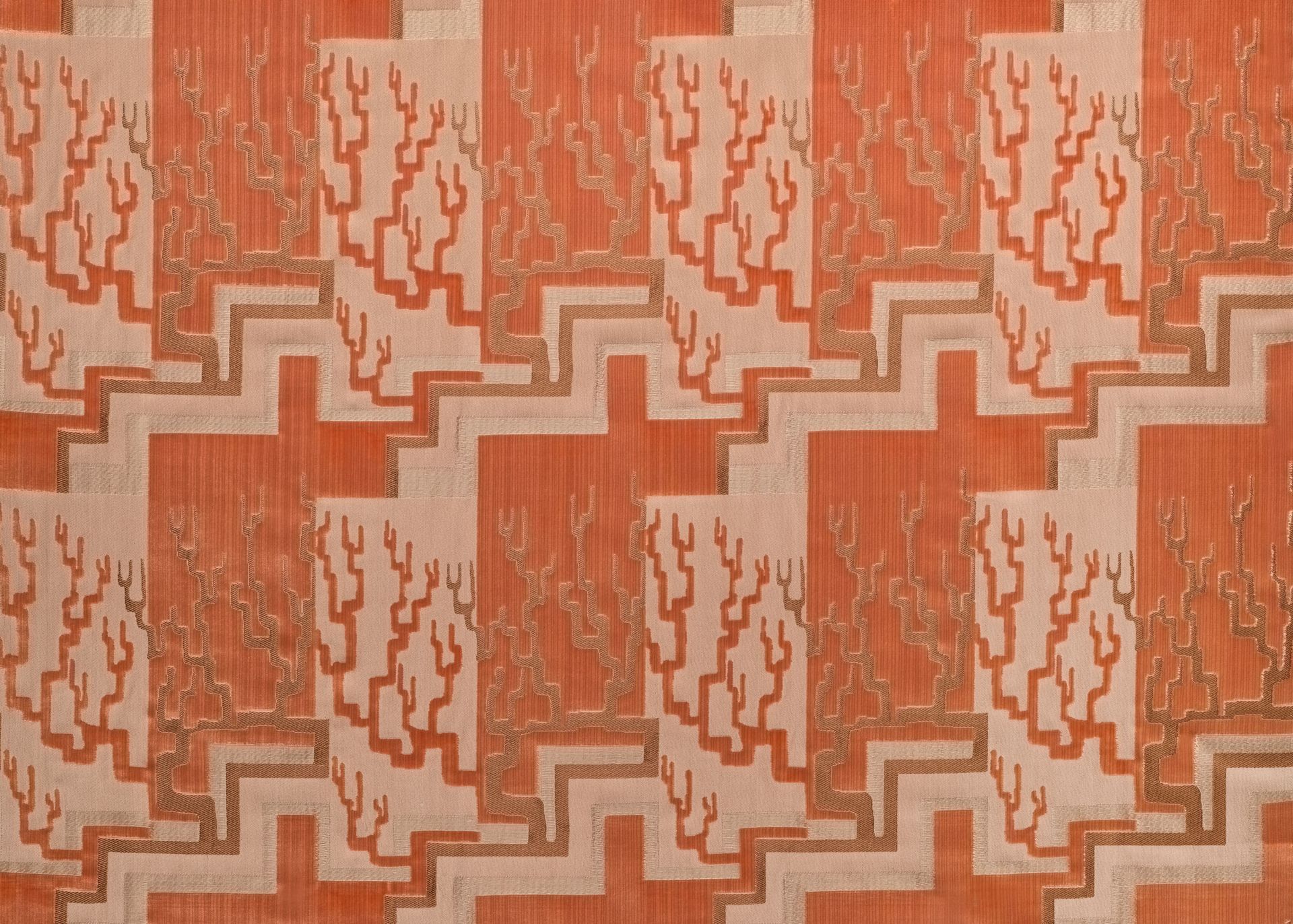
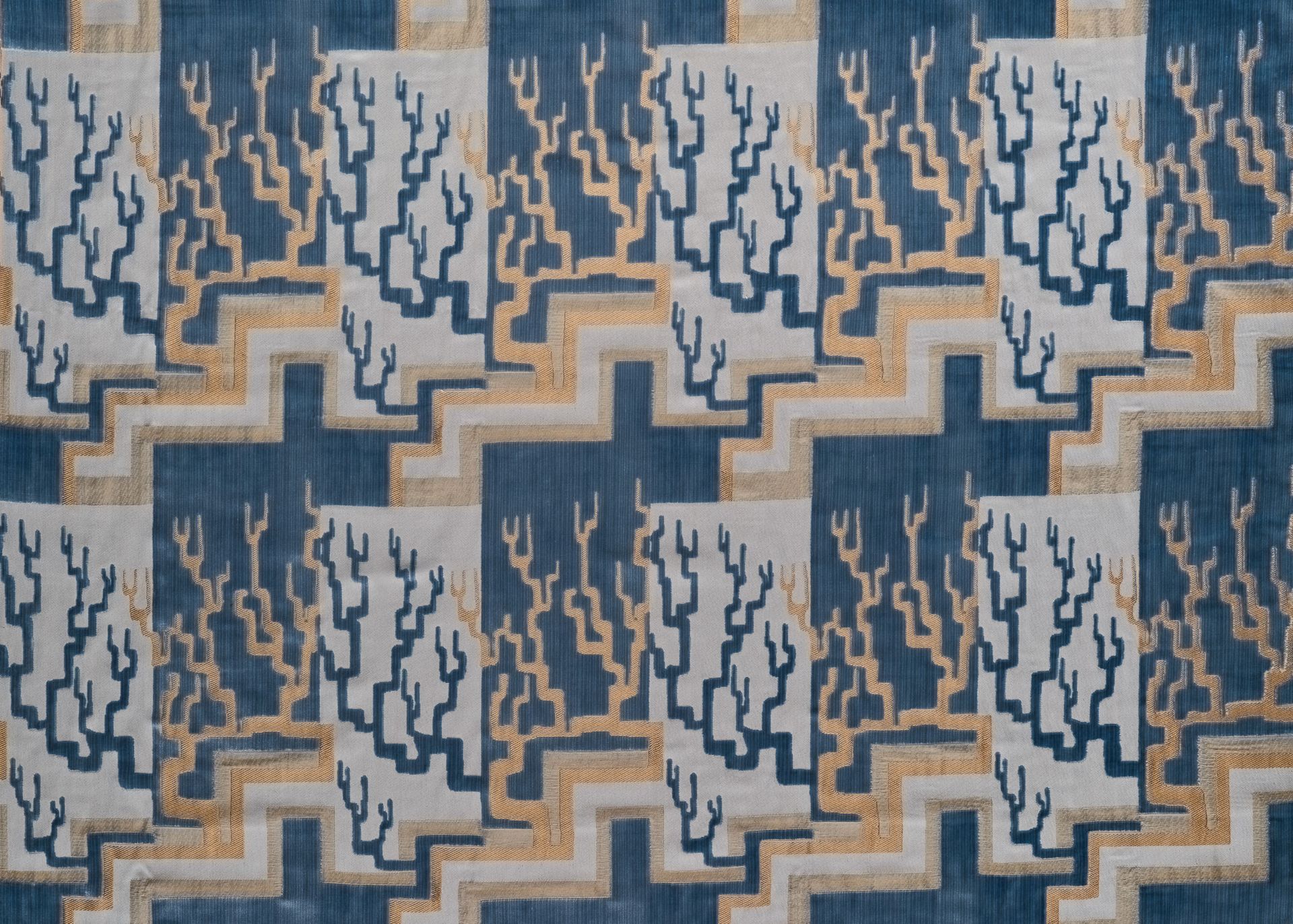
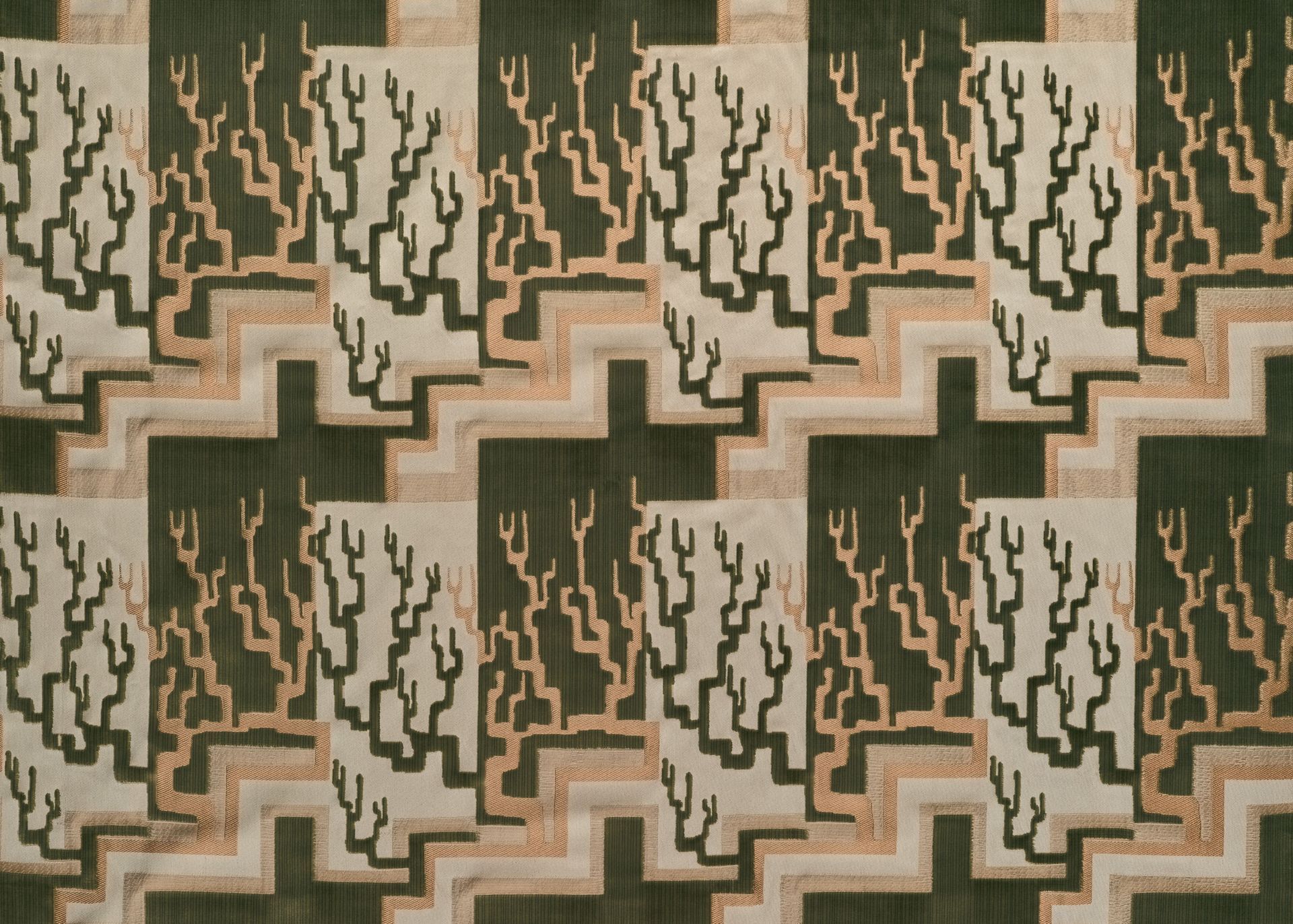
CARDI 3335S
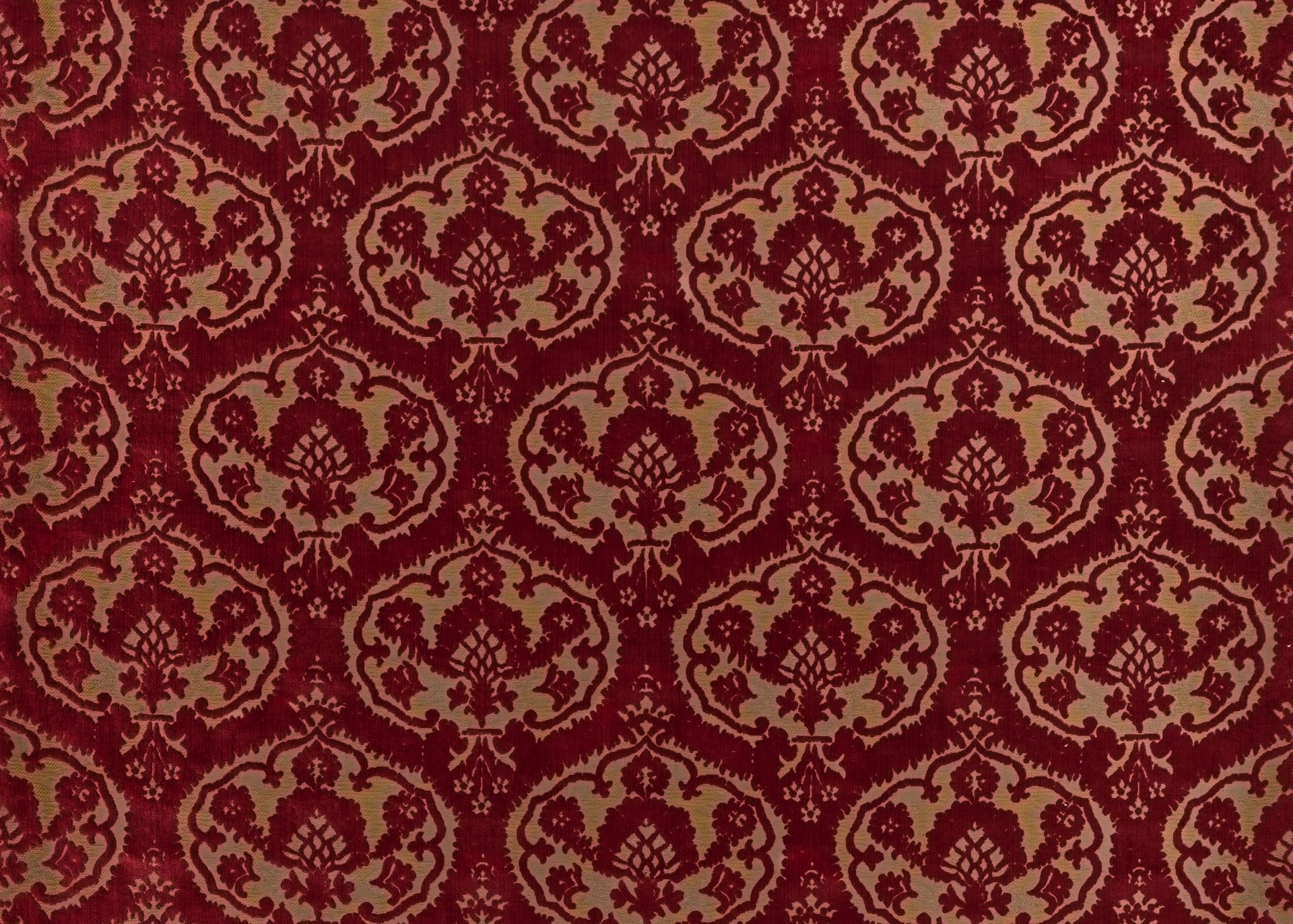
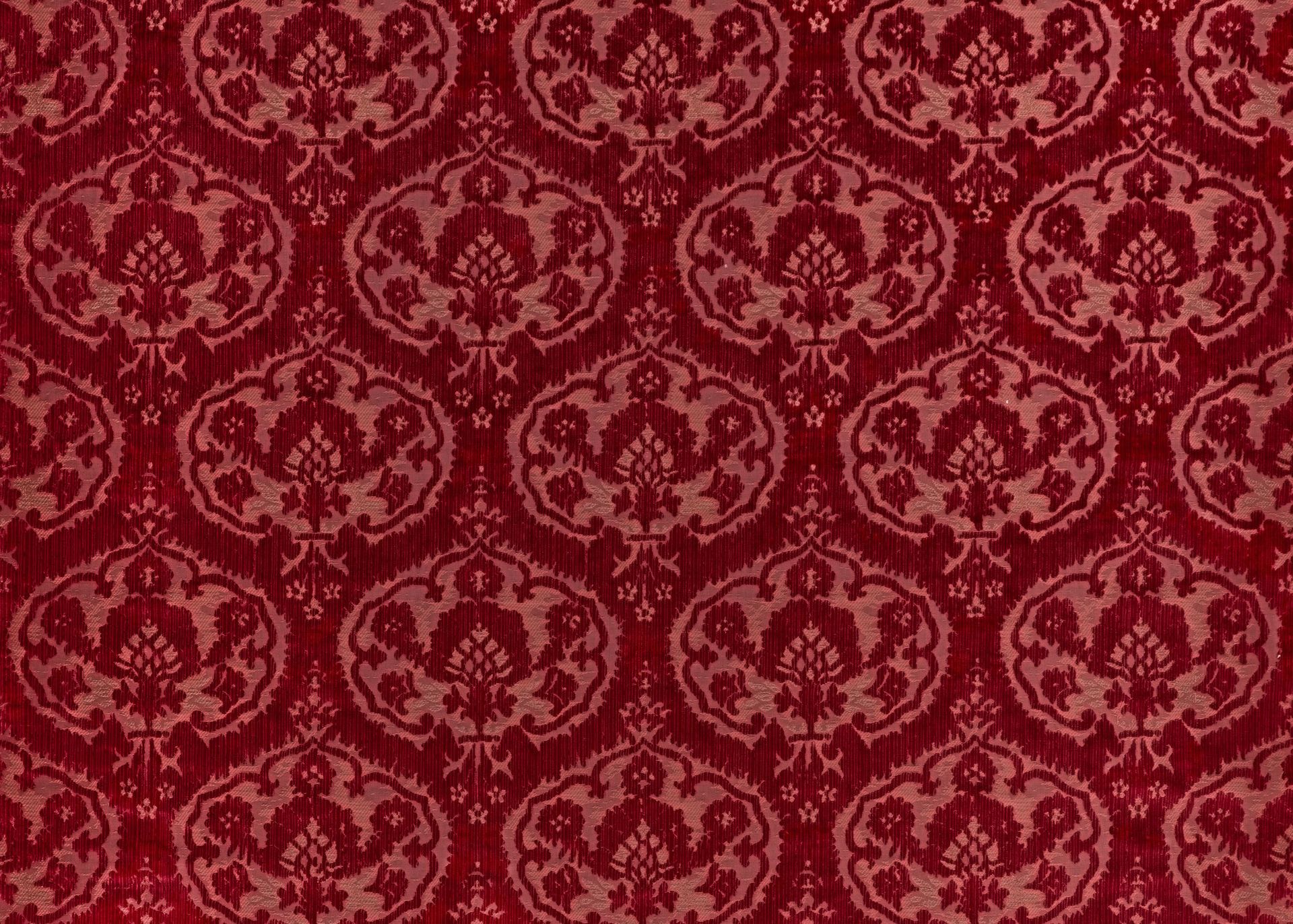
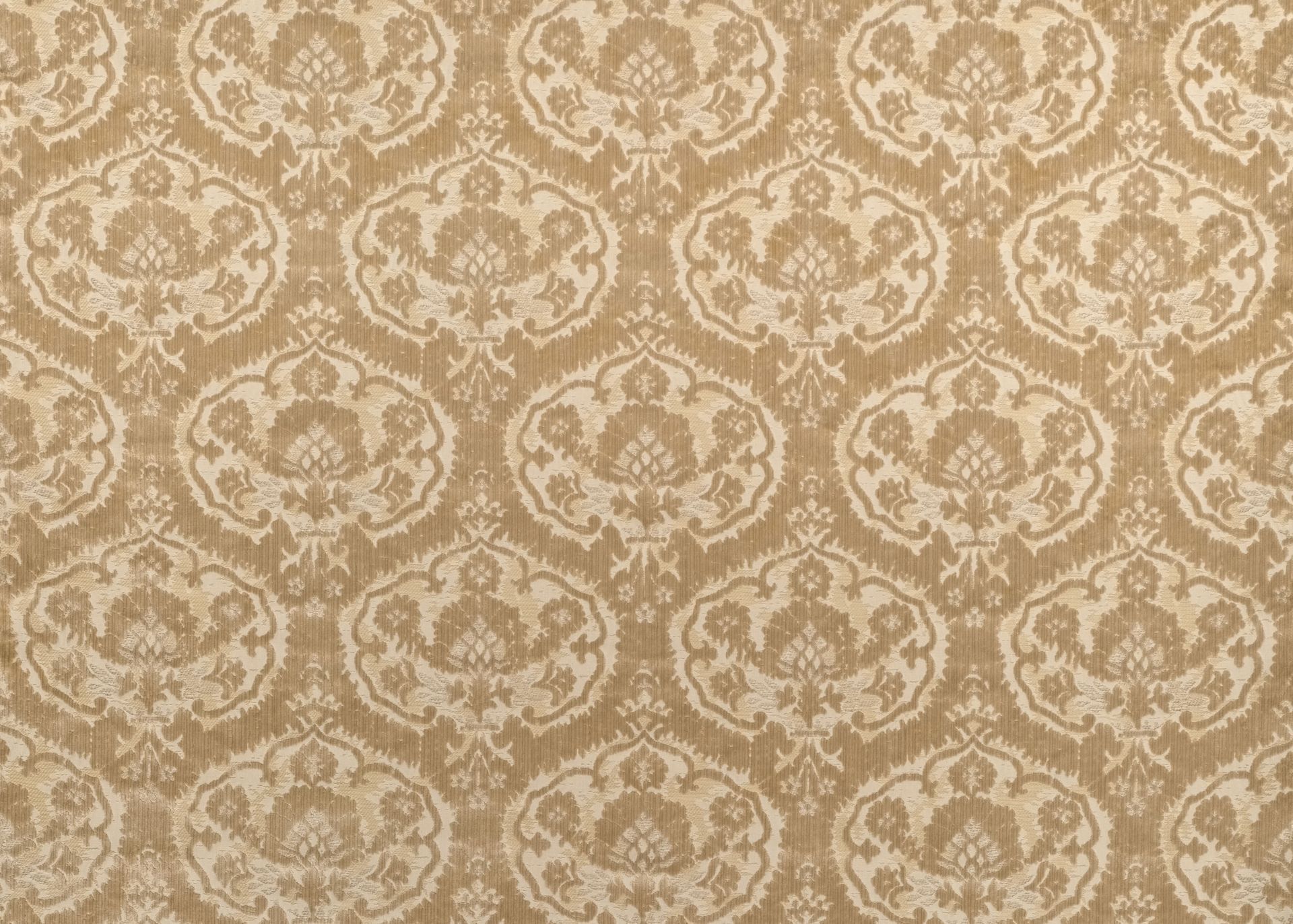
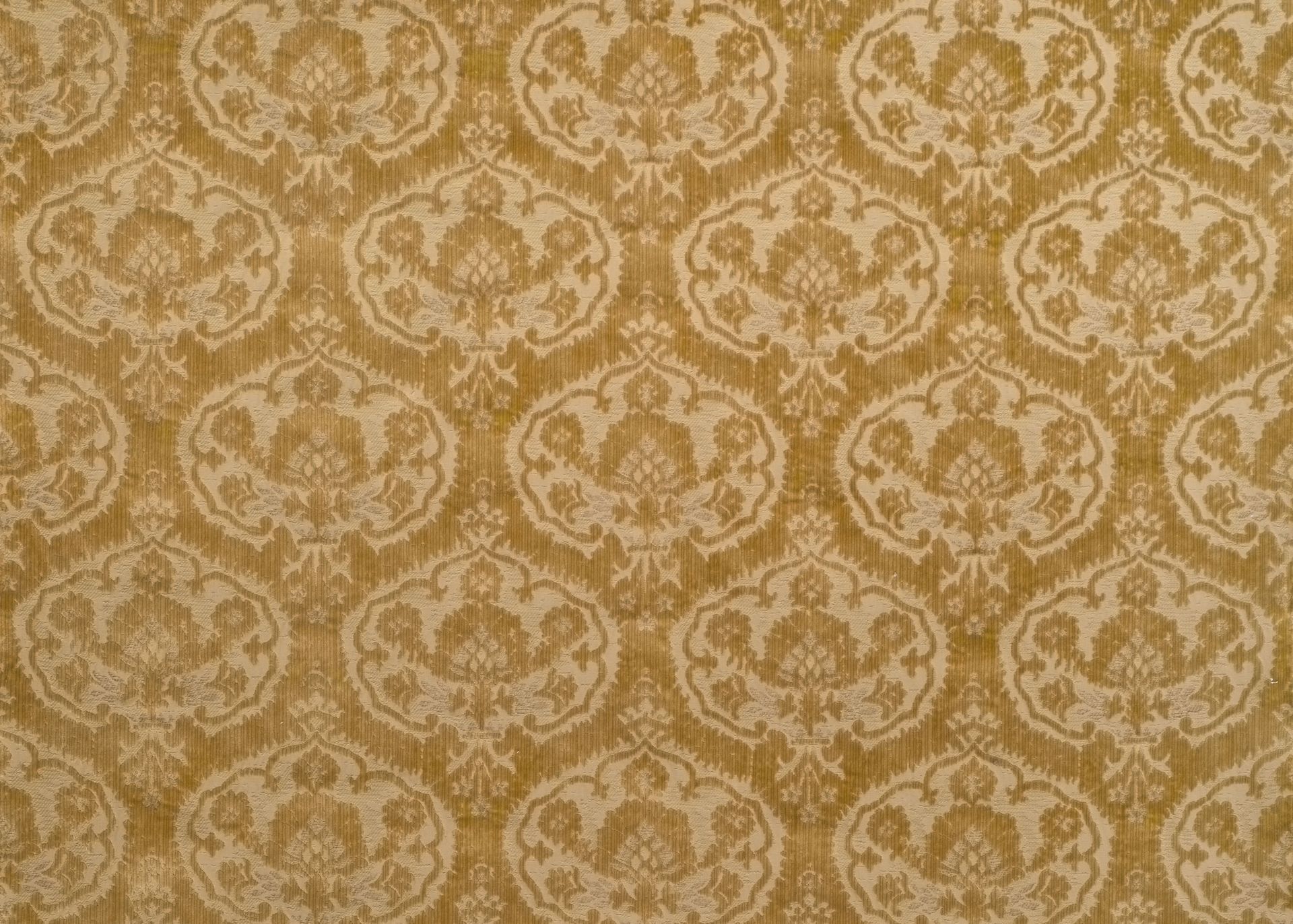
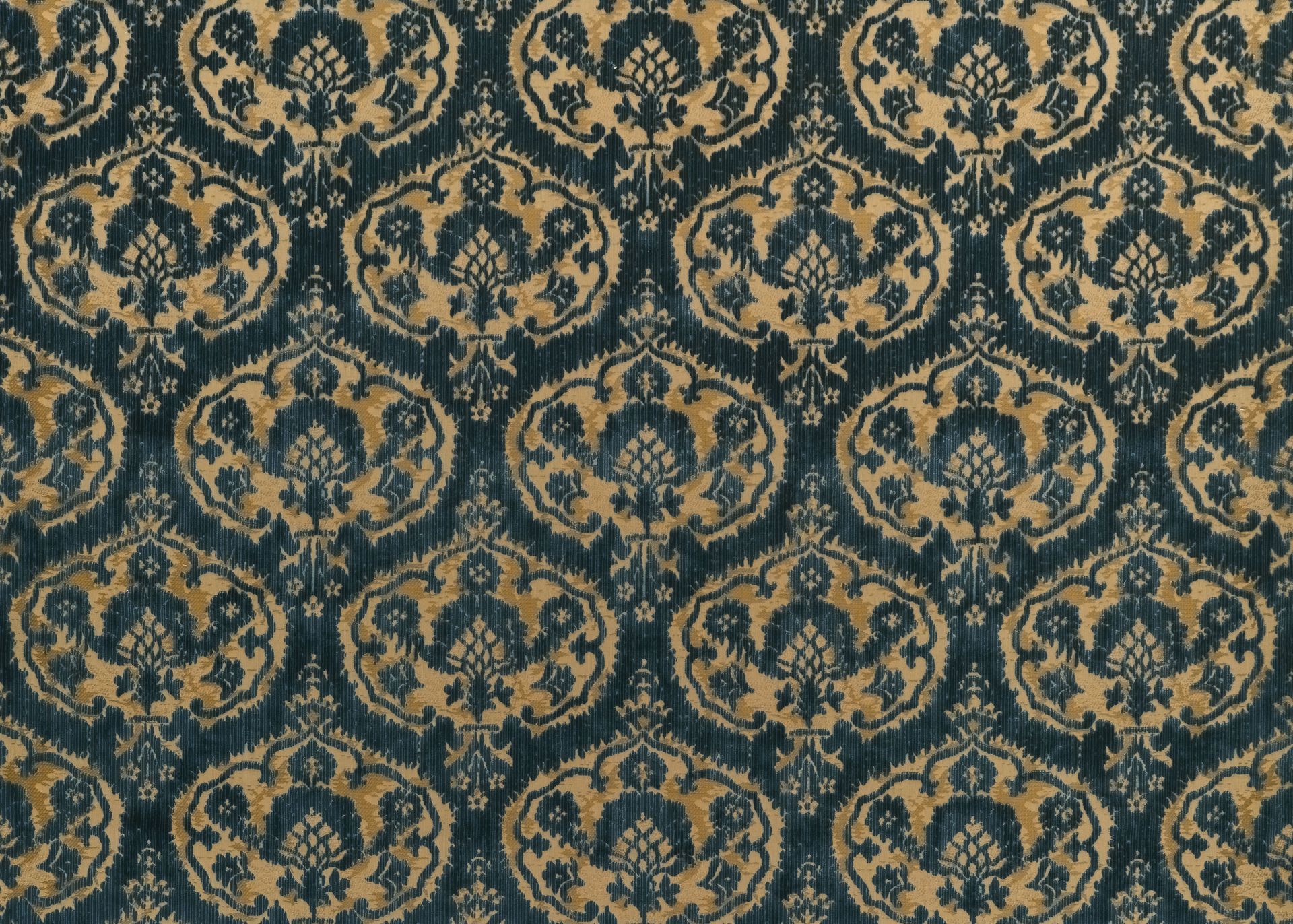
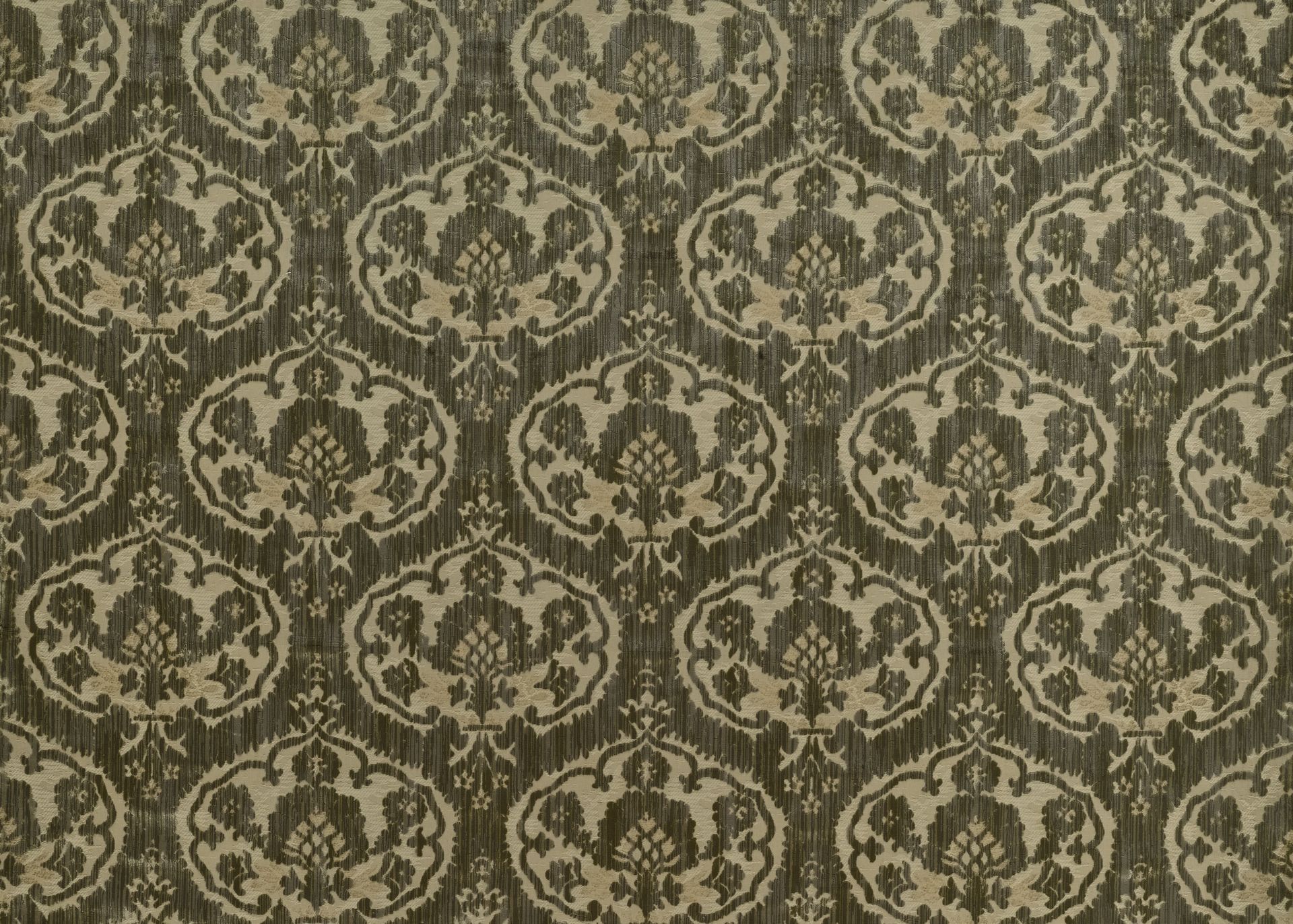
WHITE HOUSE 39372D
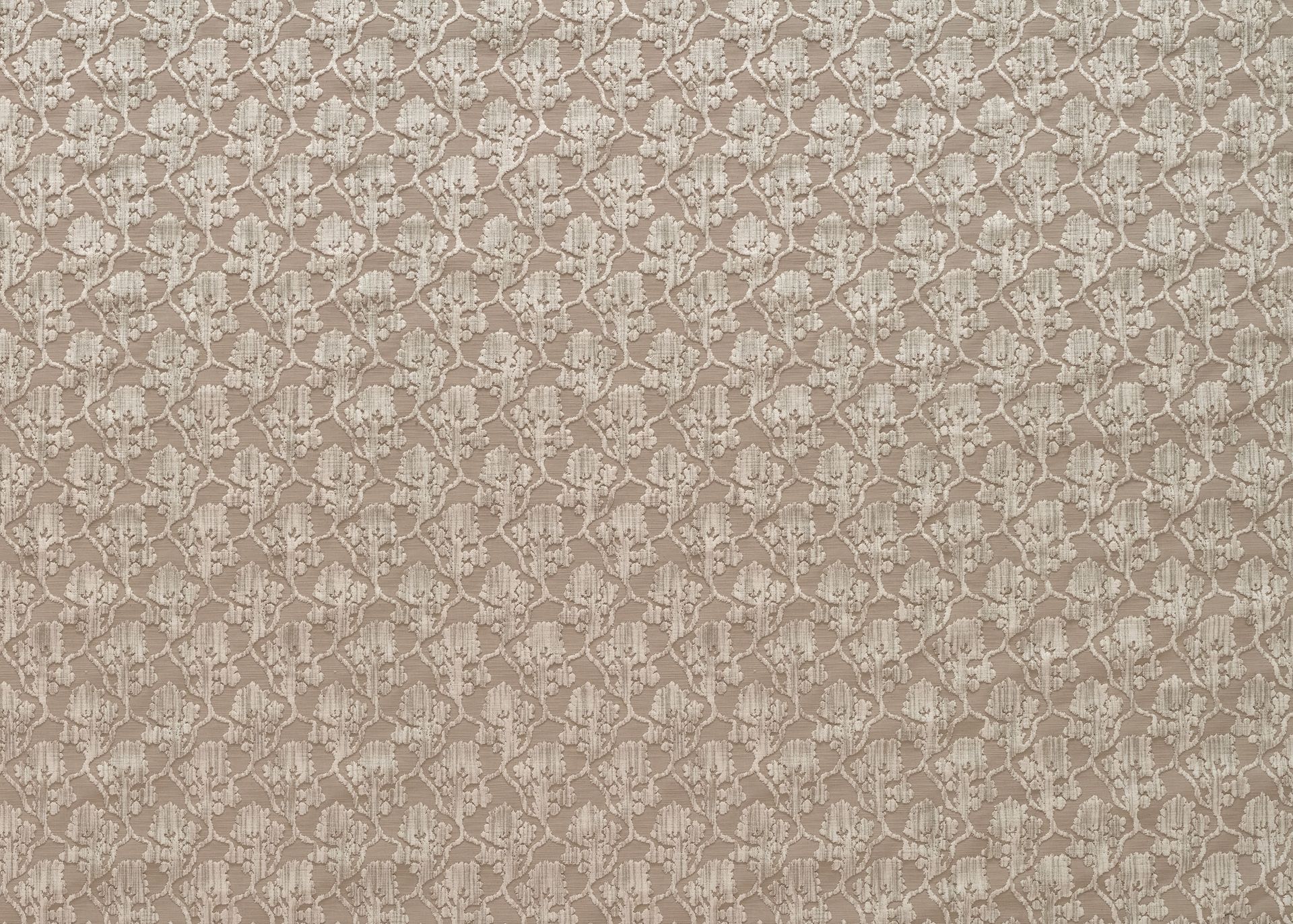
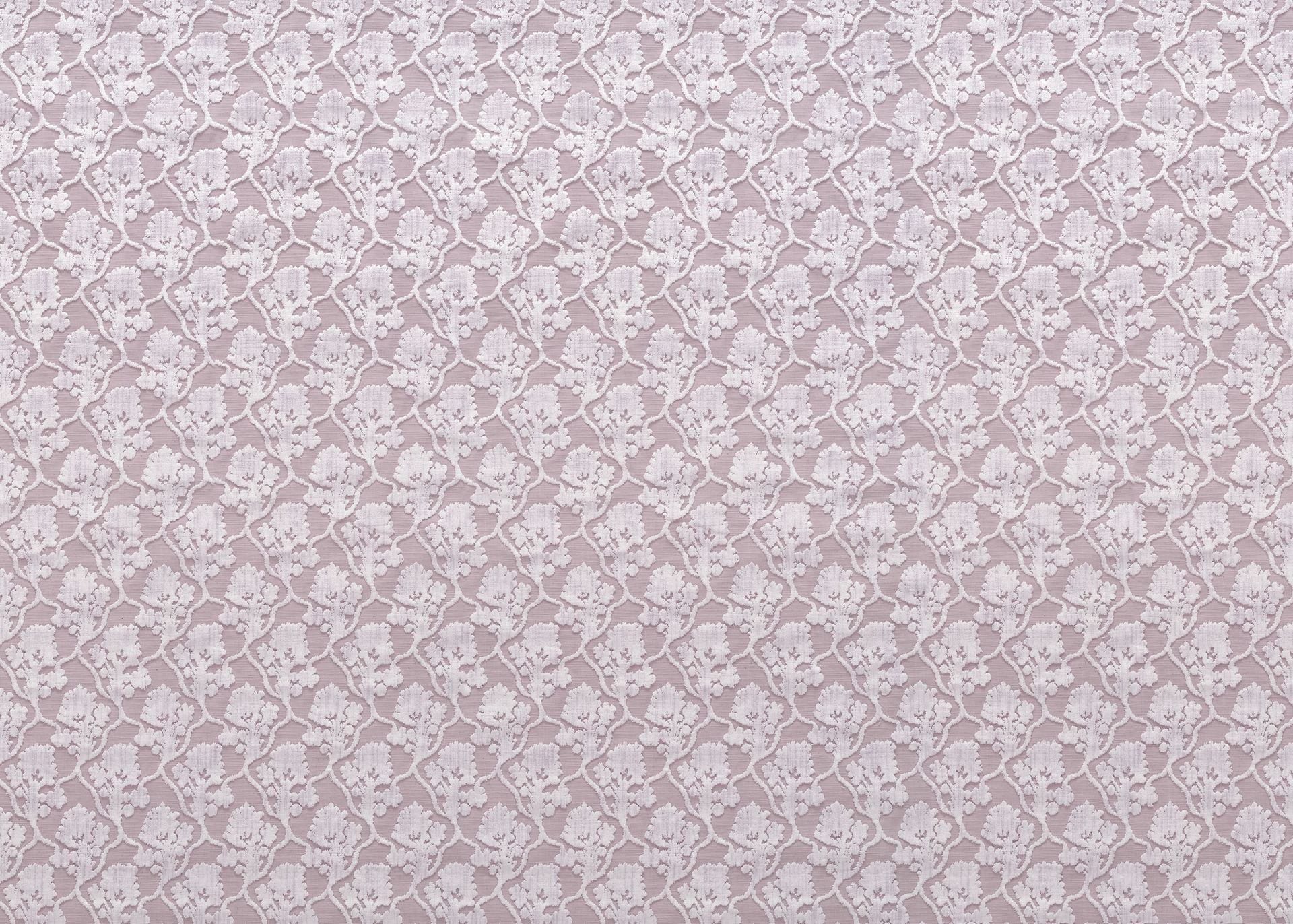
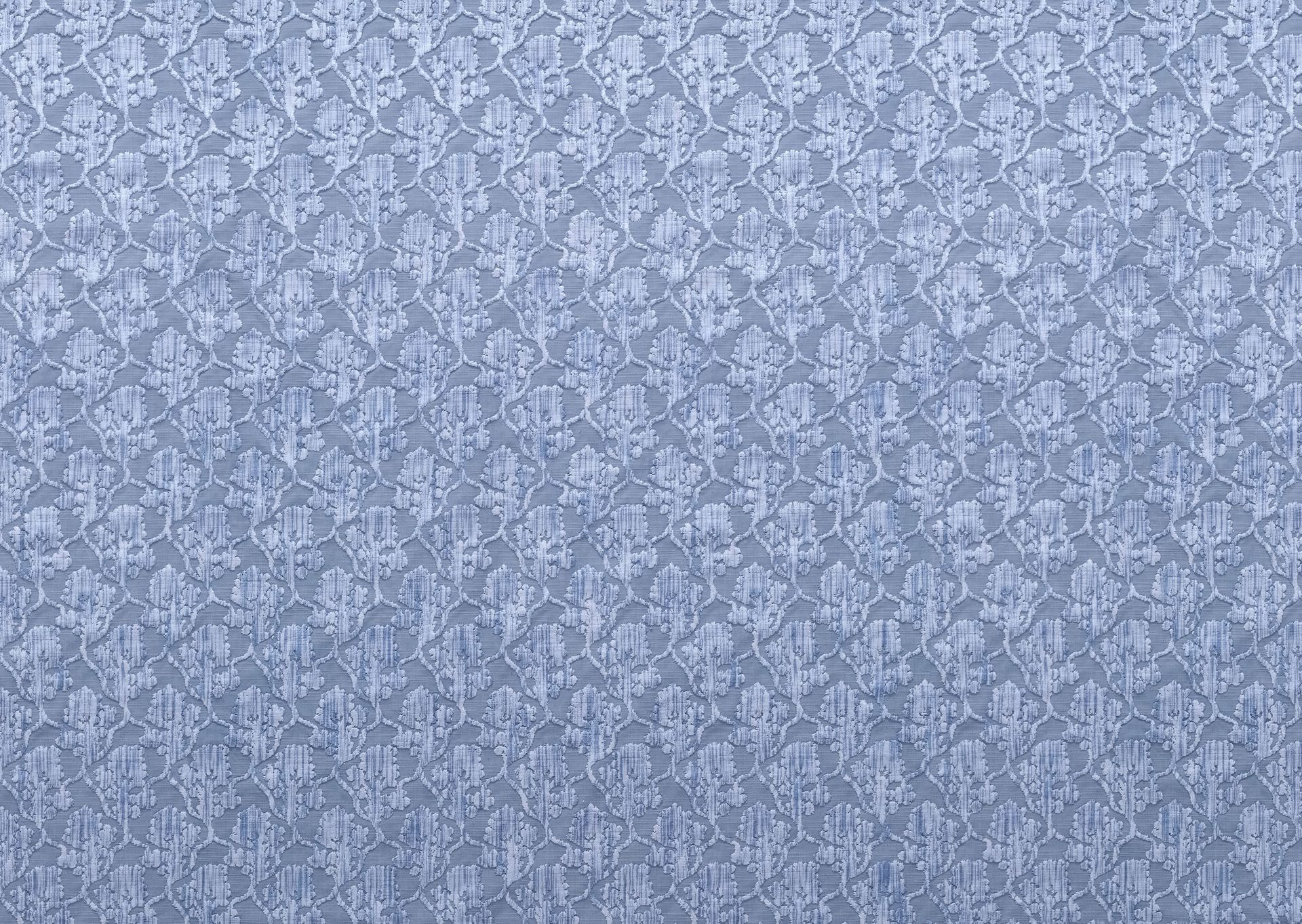
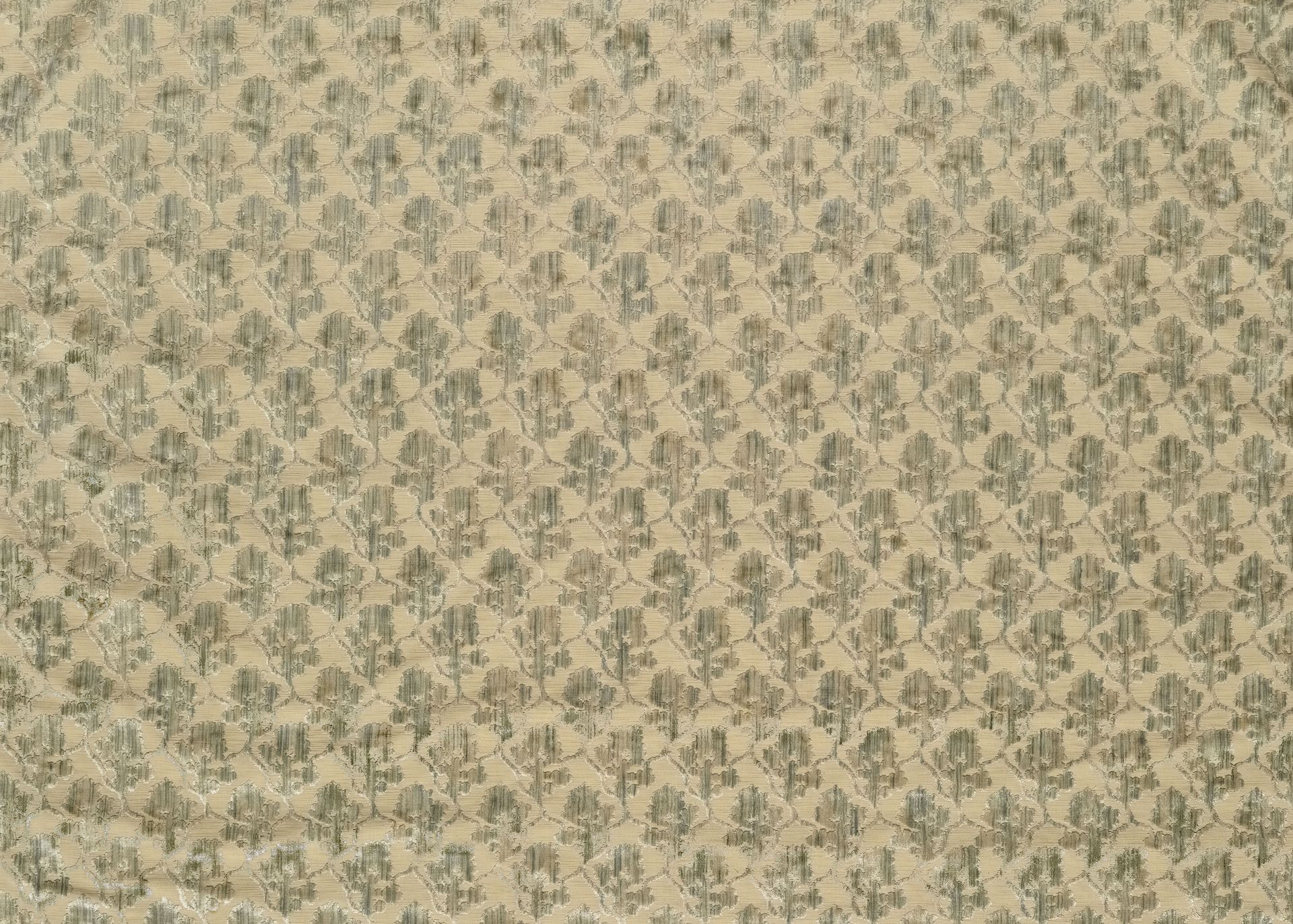
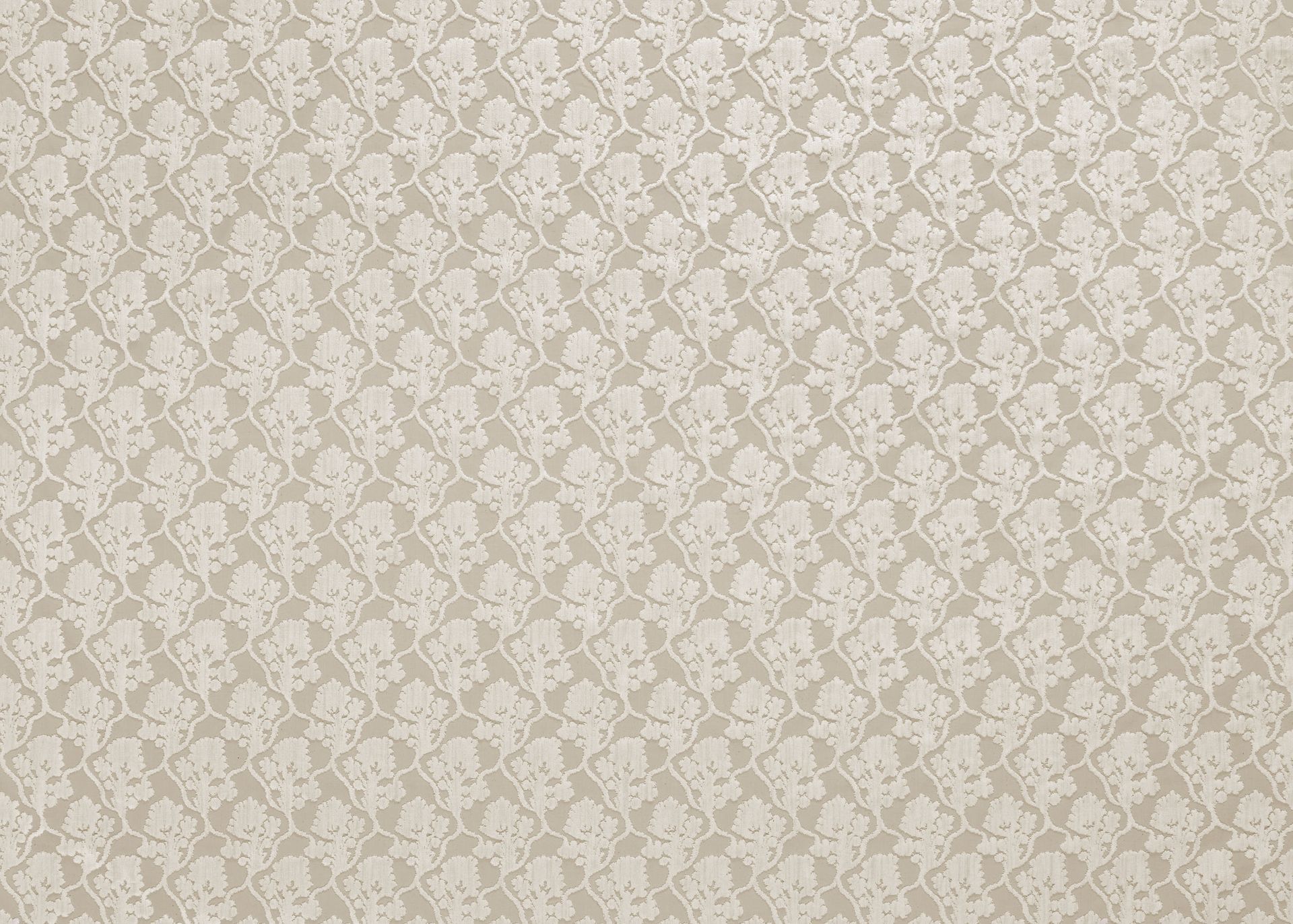
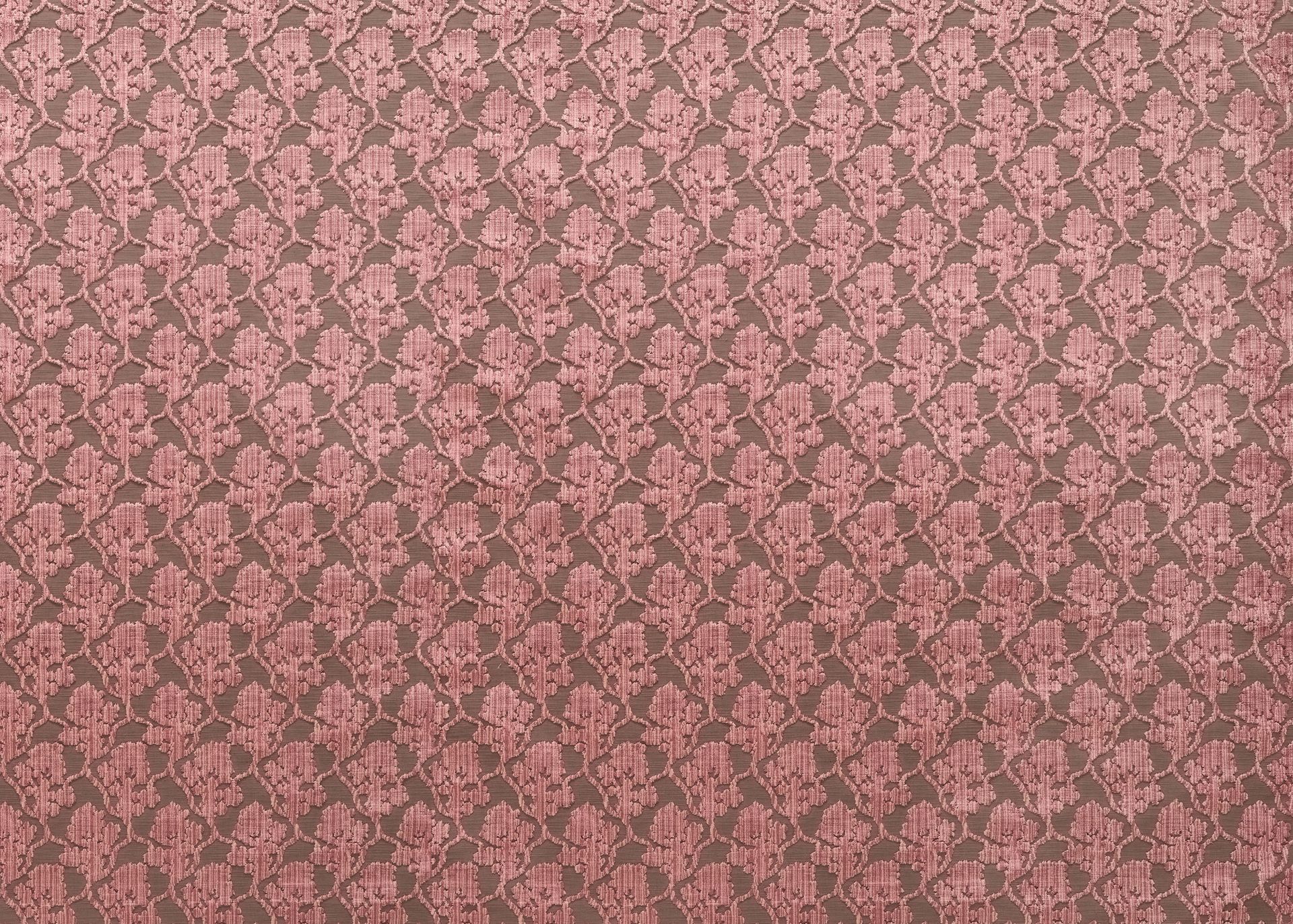
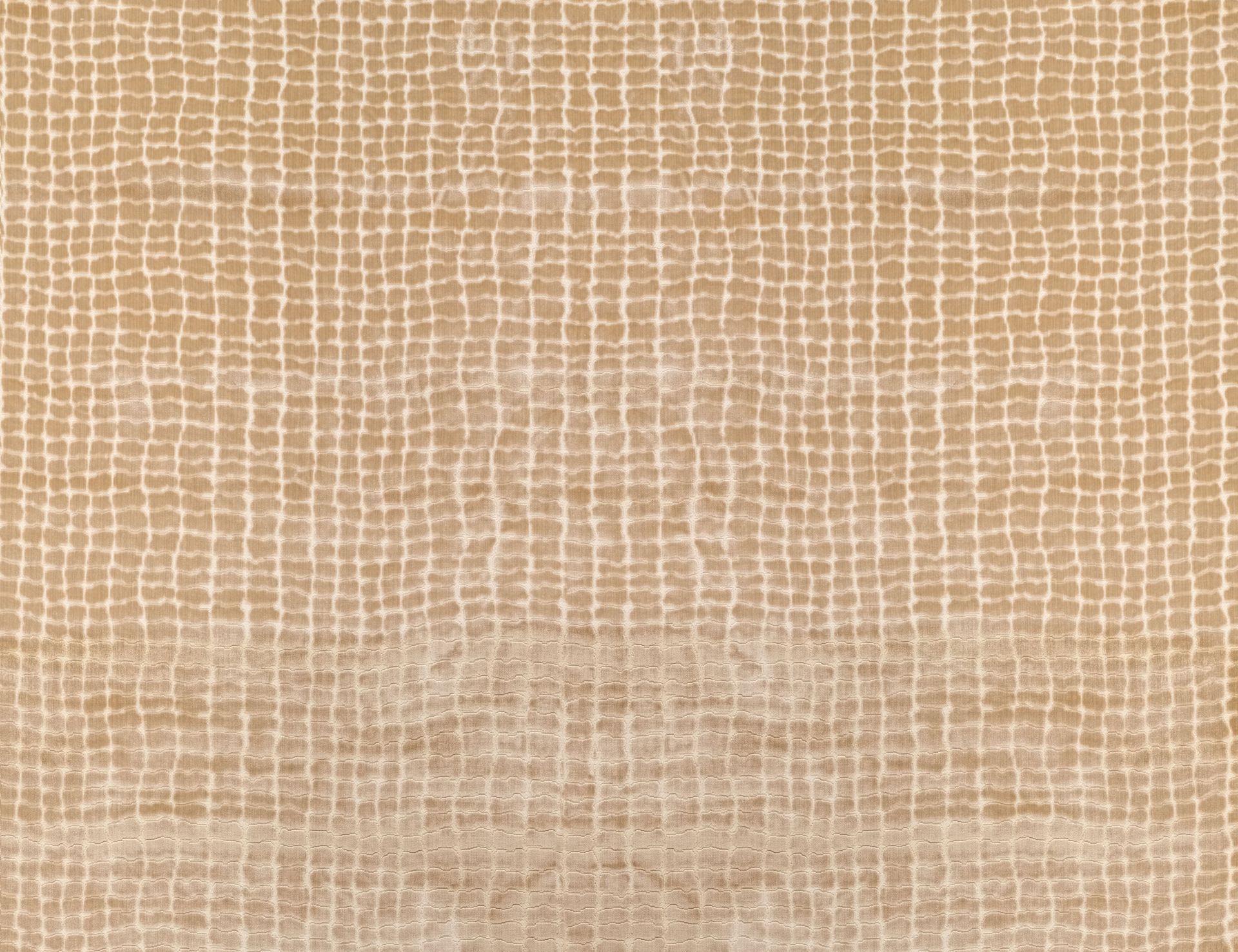
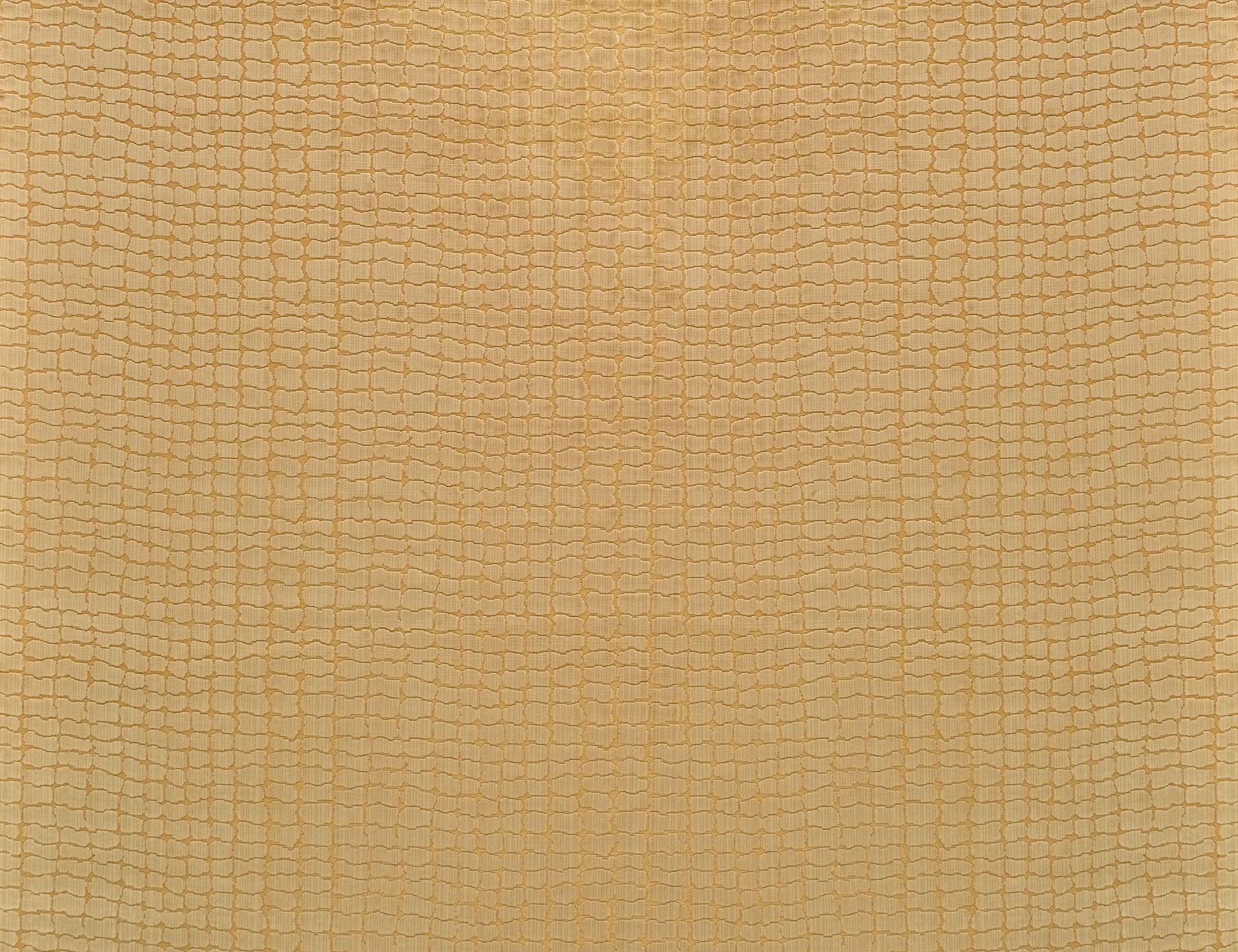
CROCODILE 3886DP
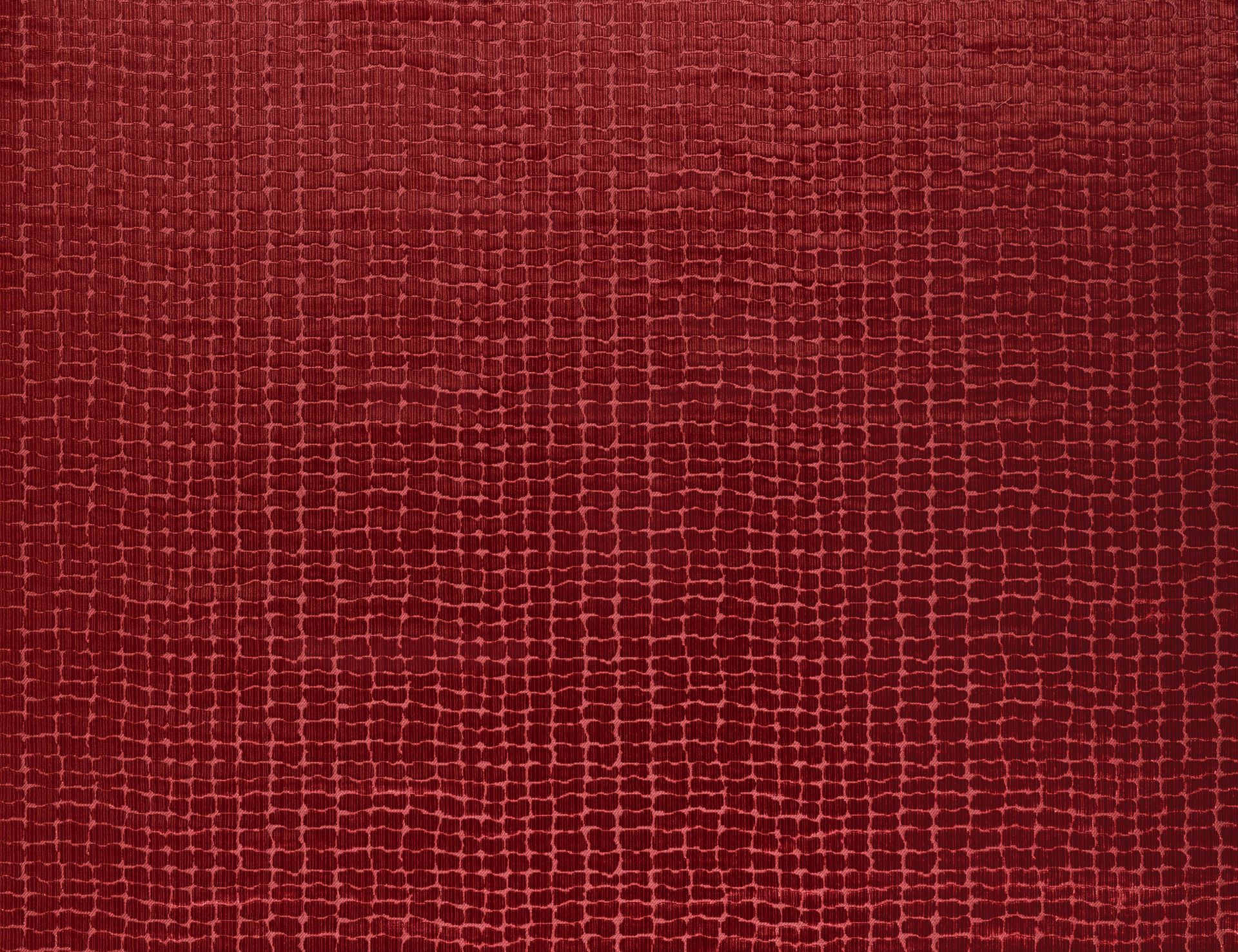
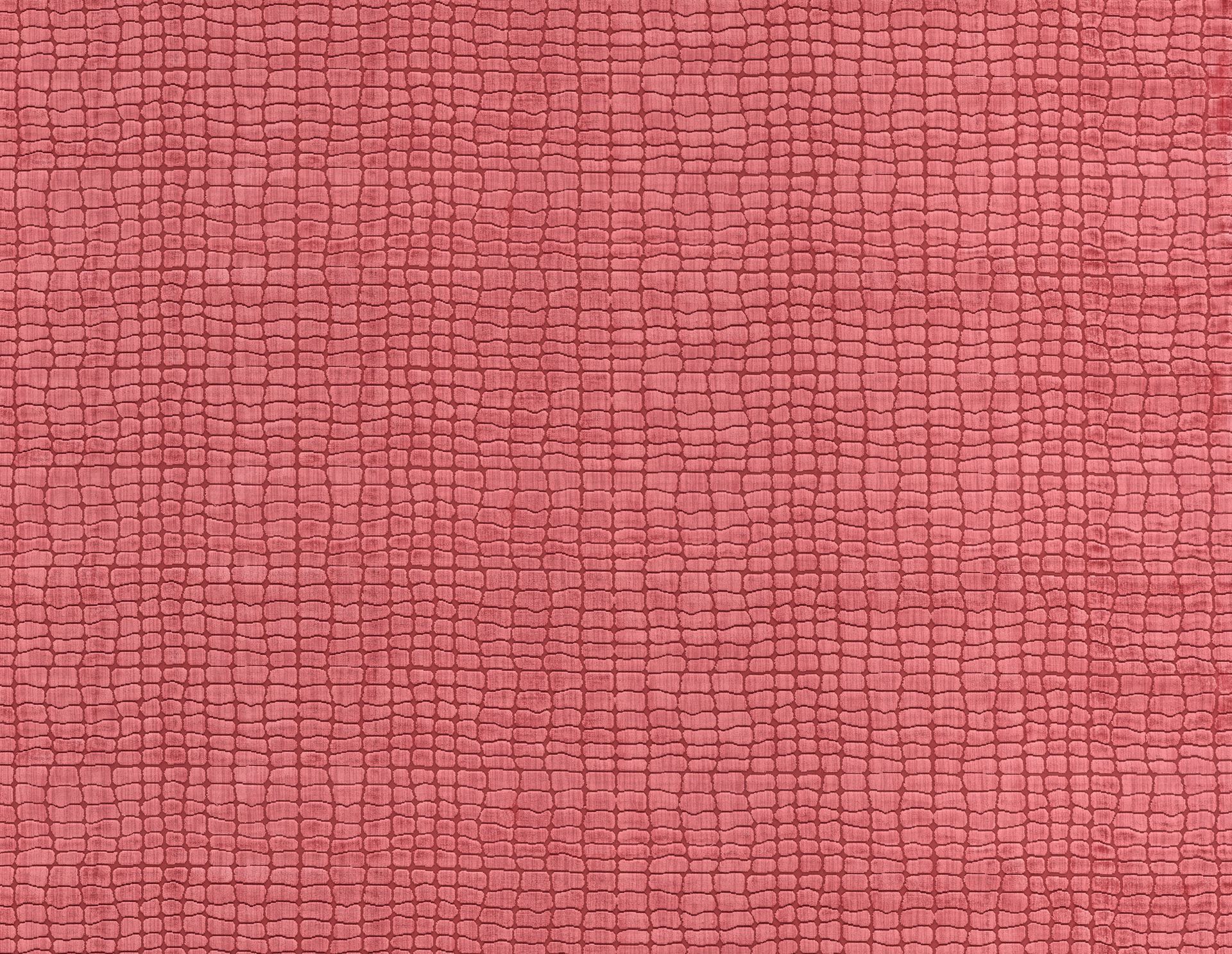
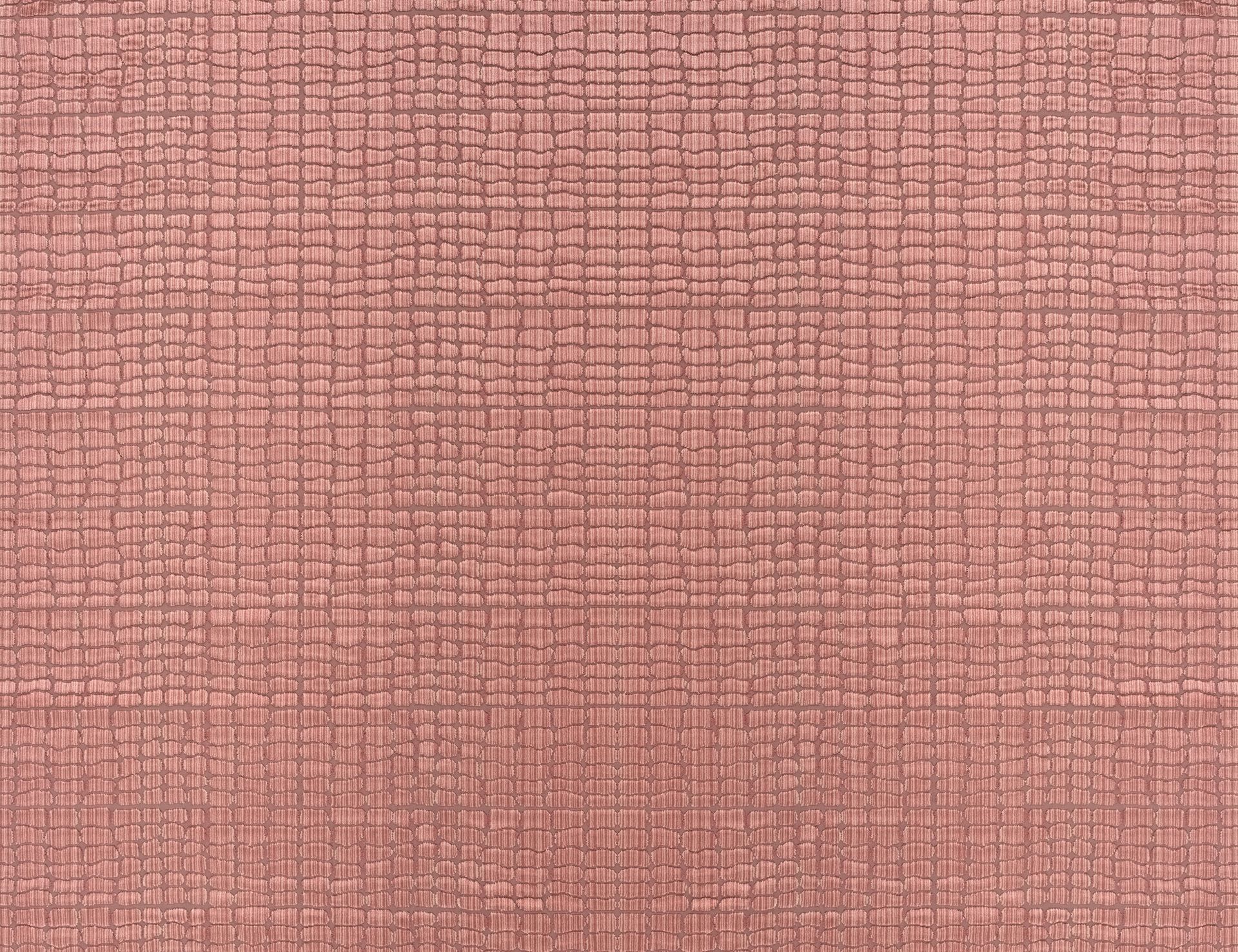
CROCODILE 3886S
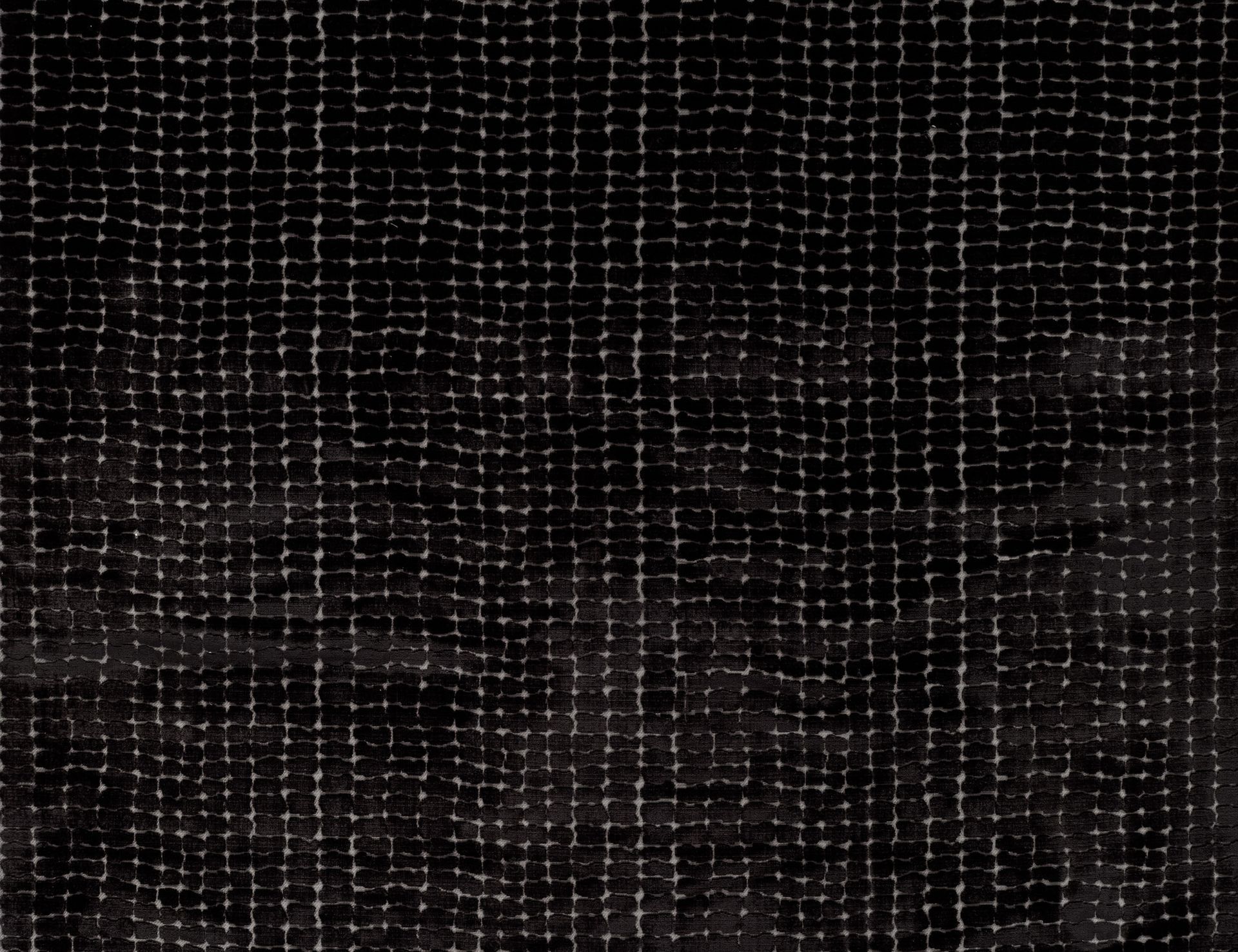
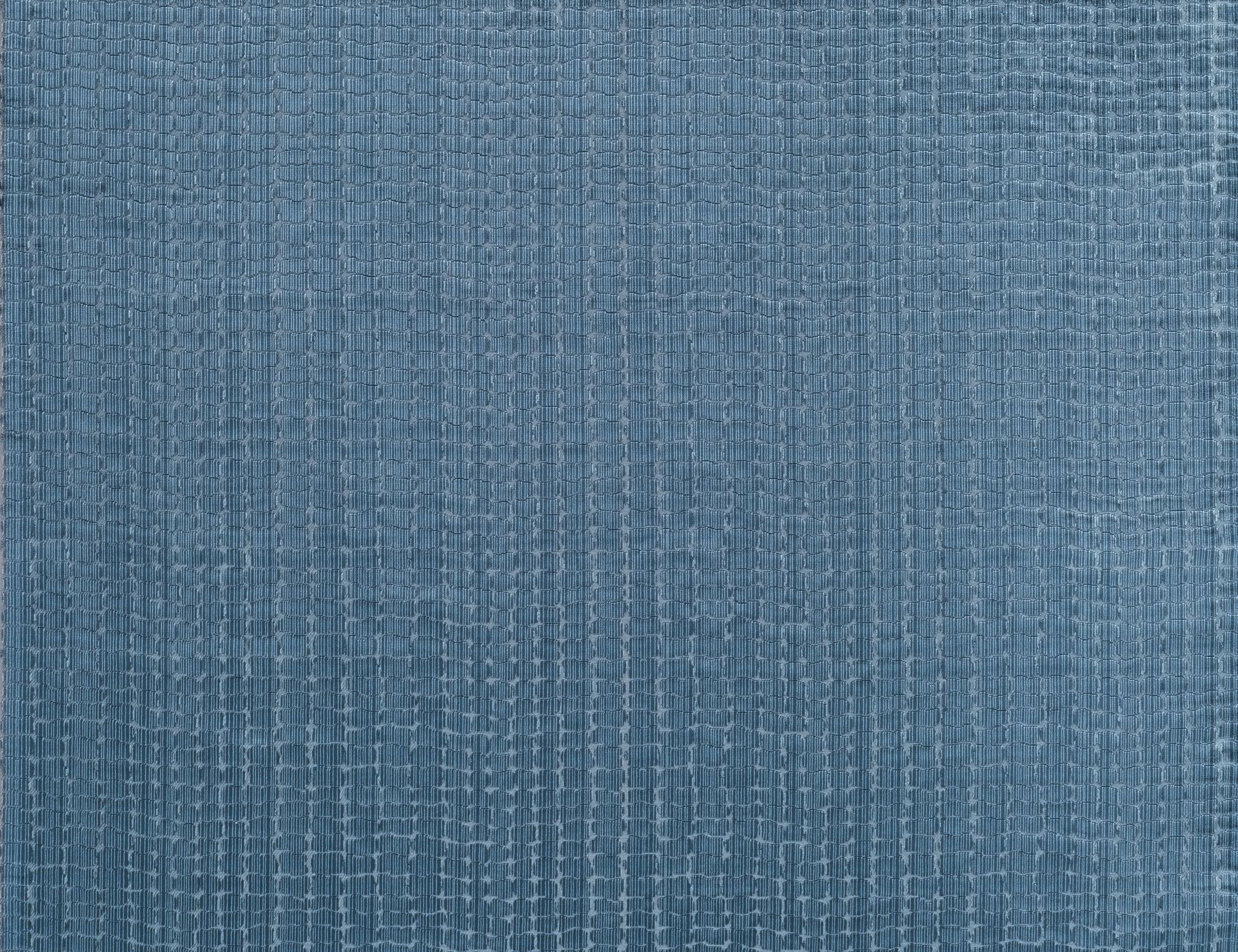
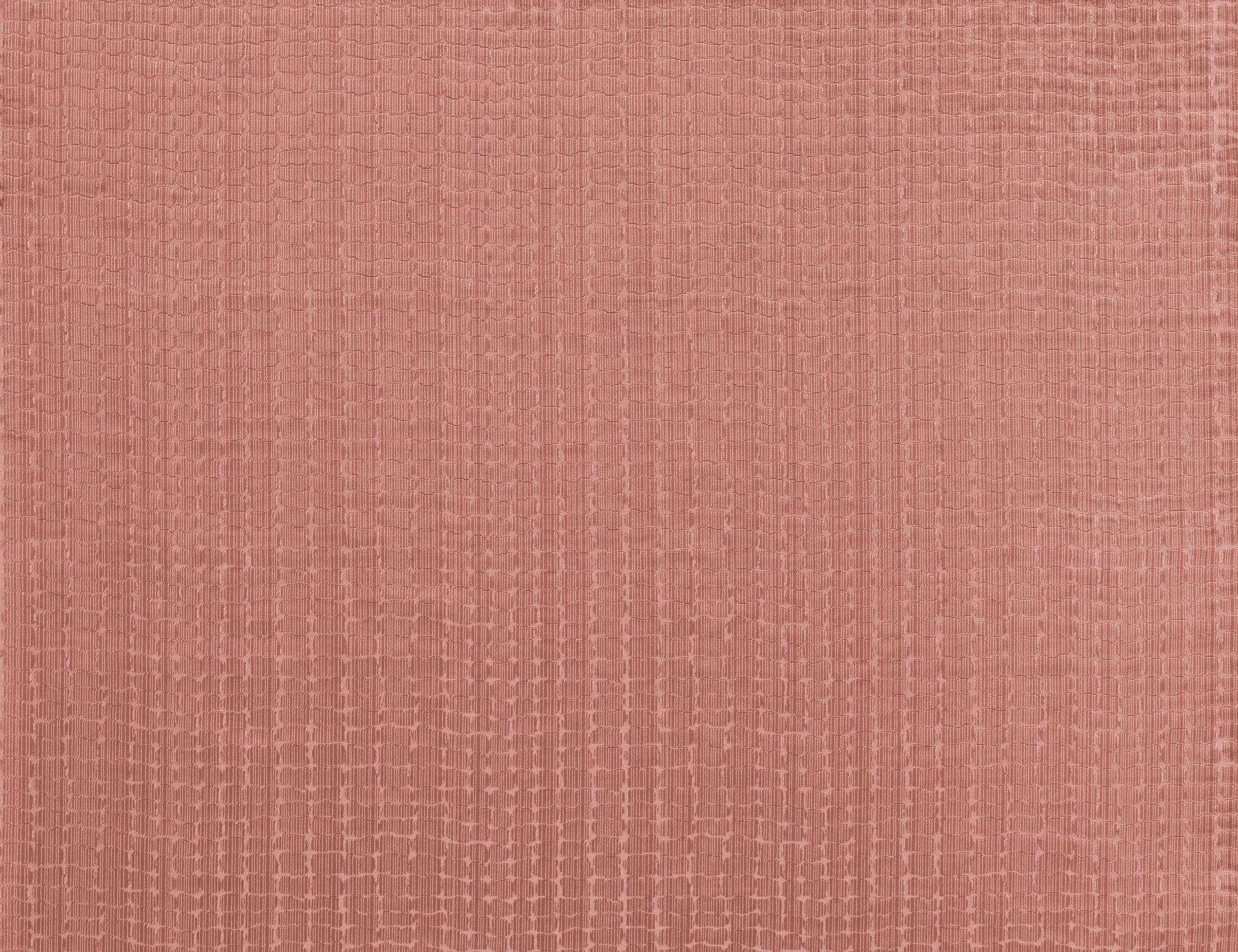
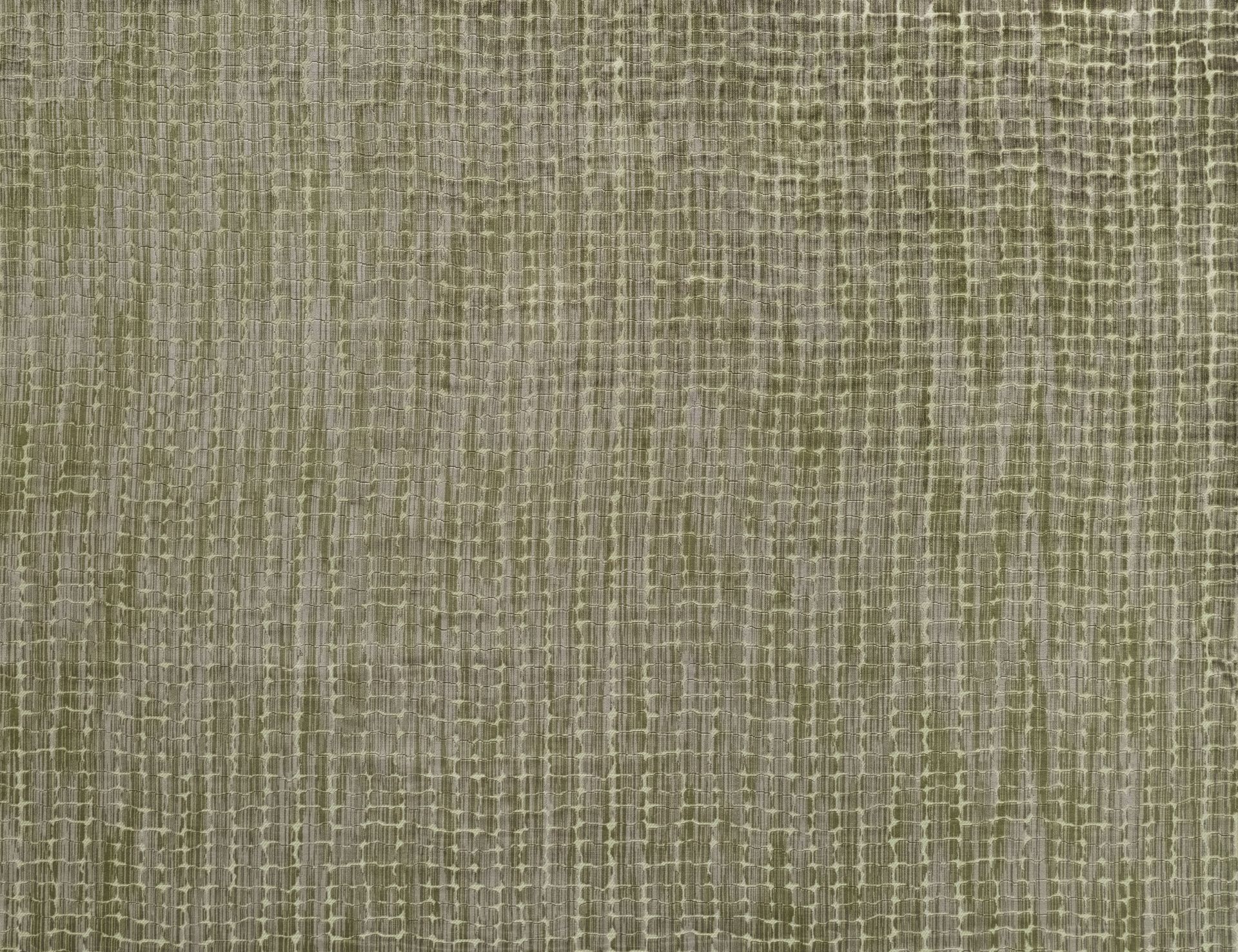
DA VINCI 39243D
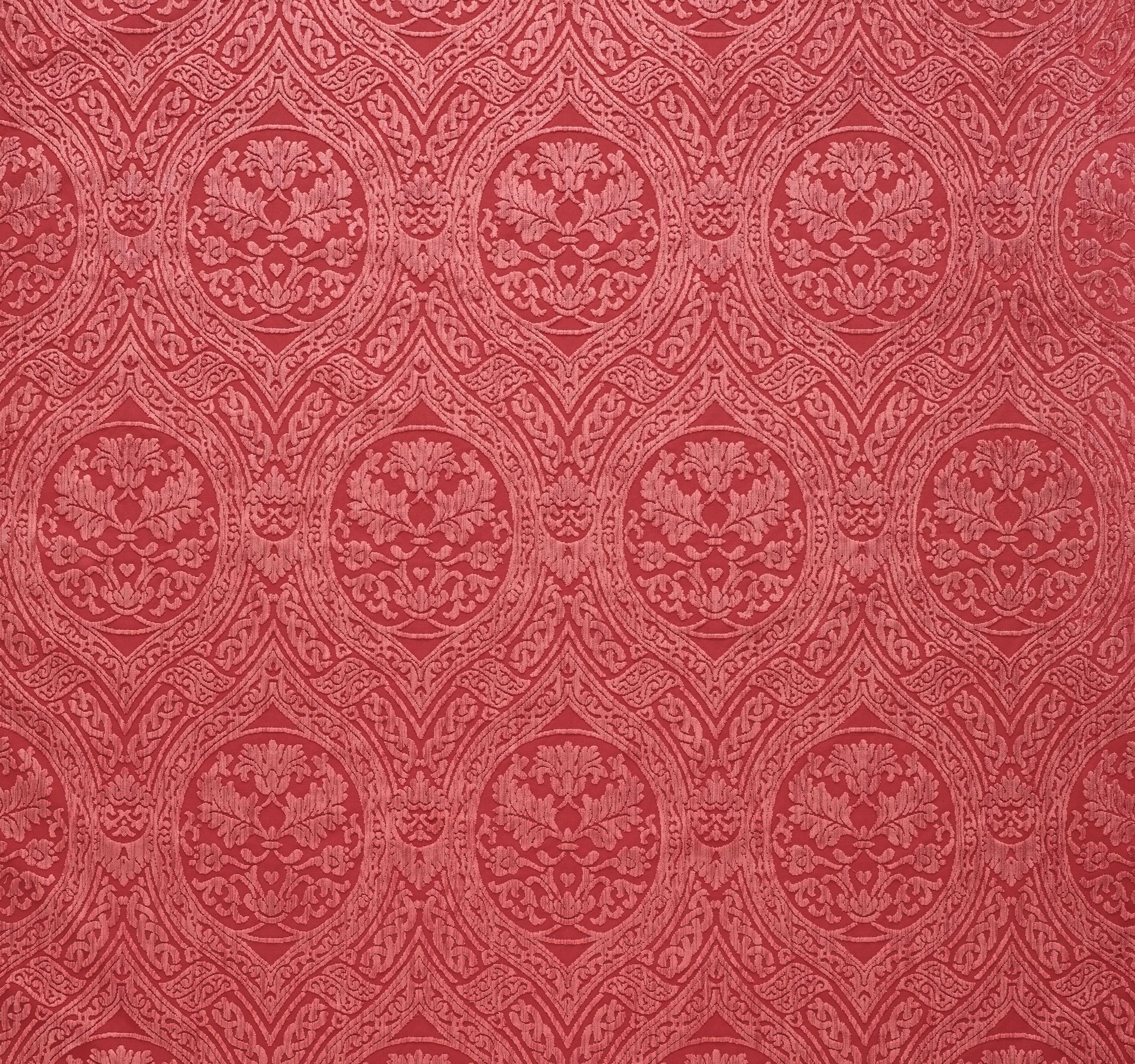
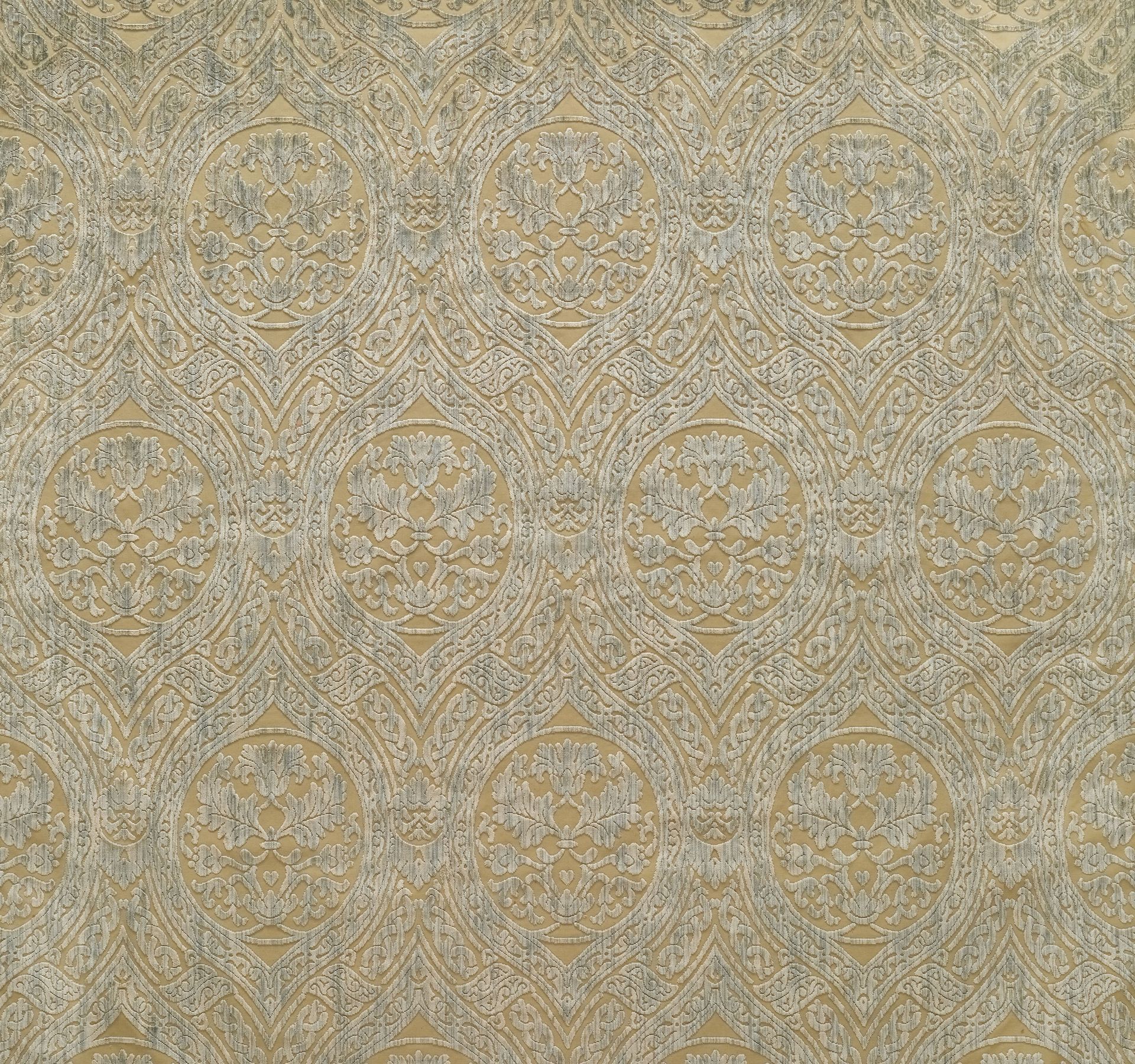
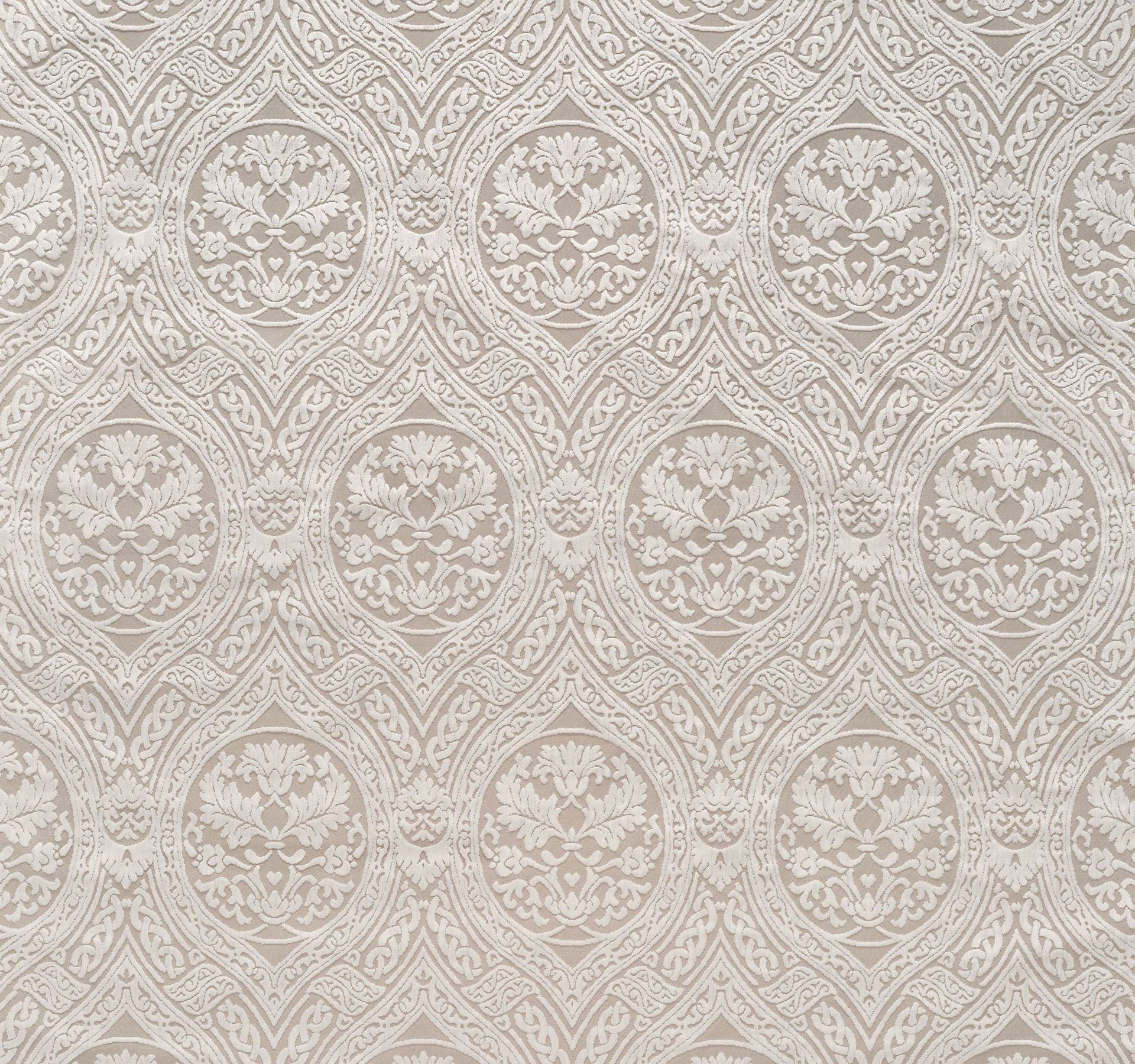
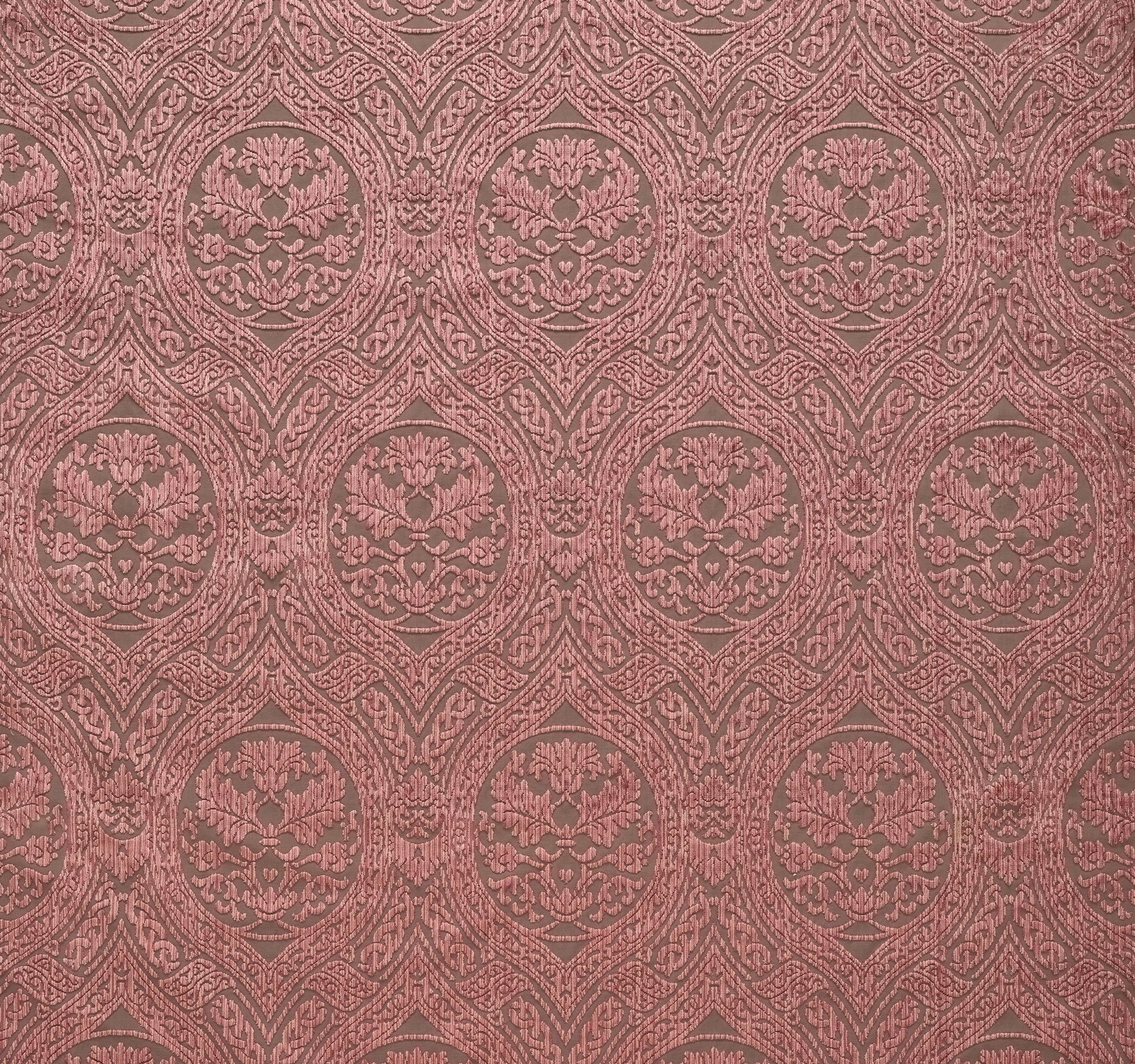
DA VINCI 39243S
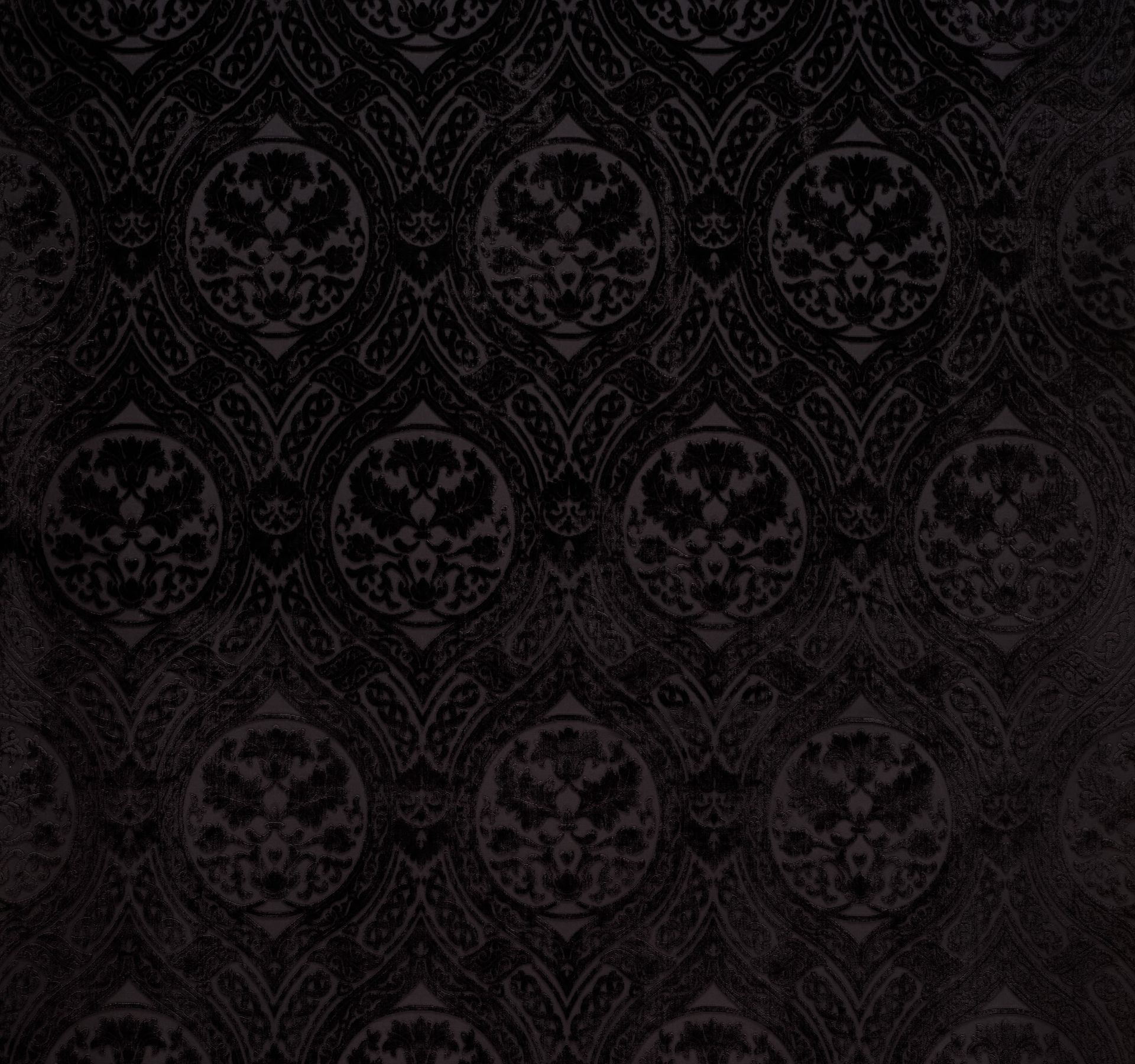
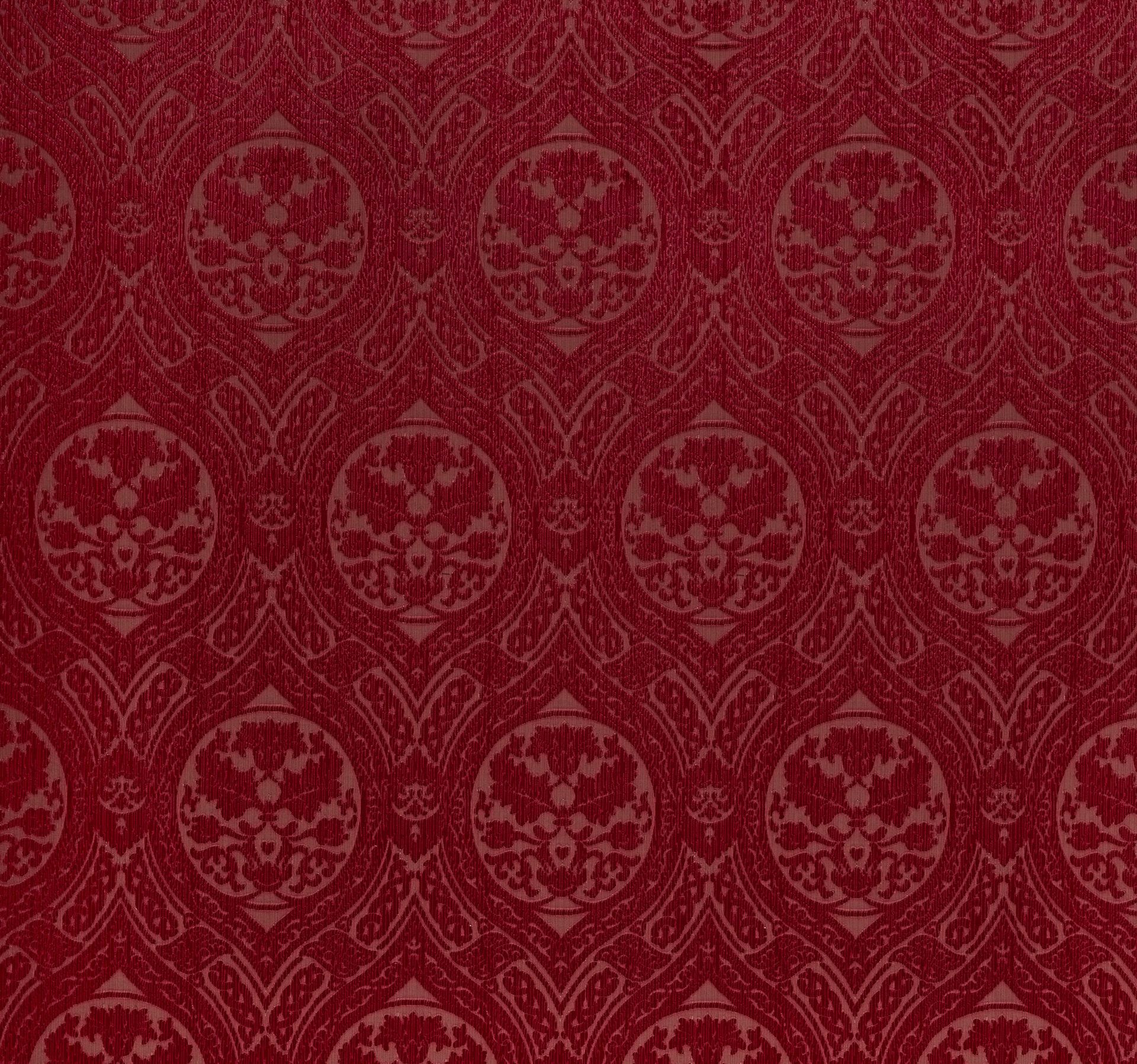
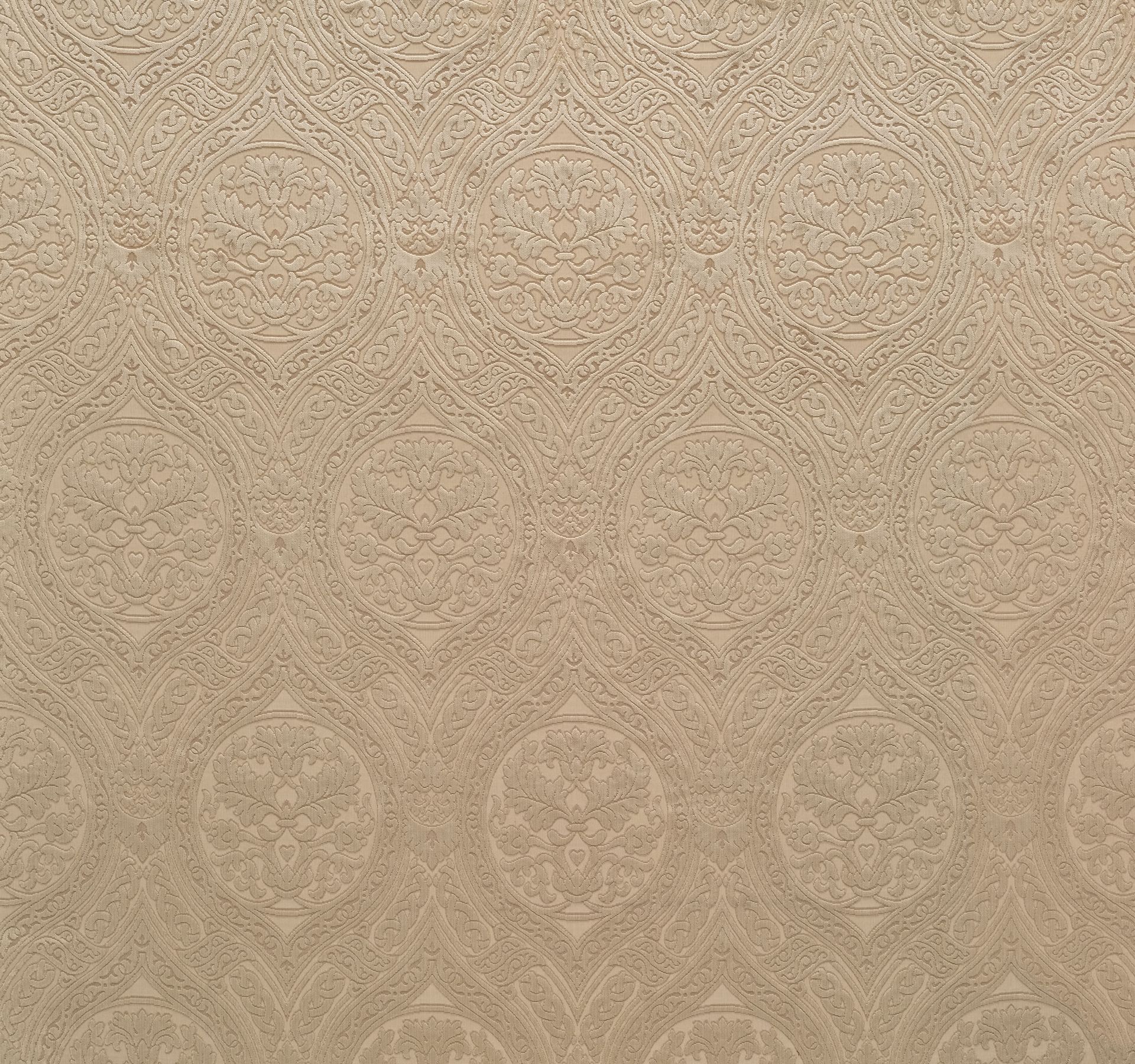
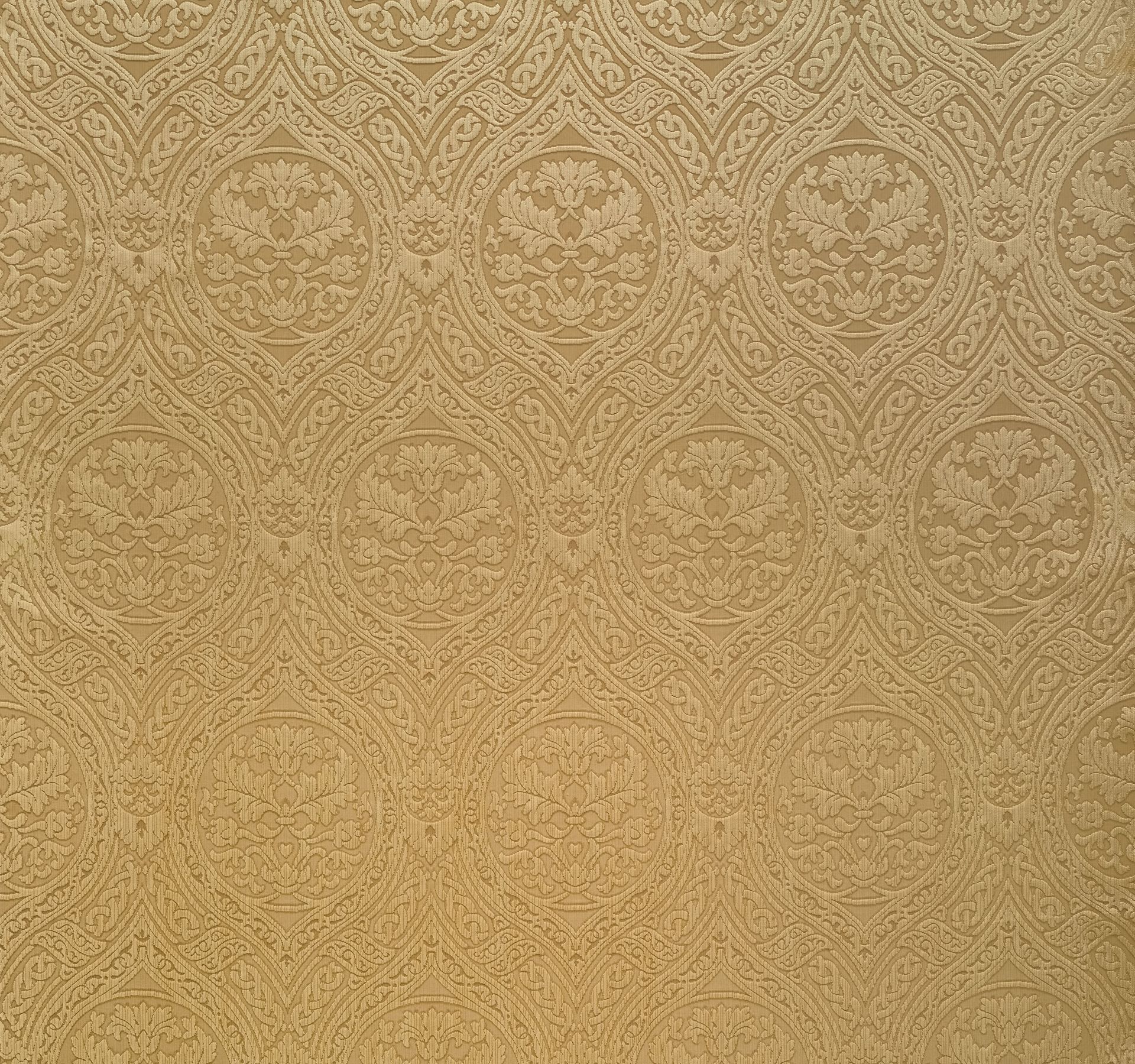
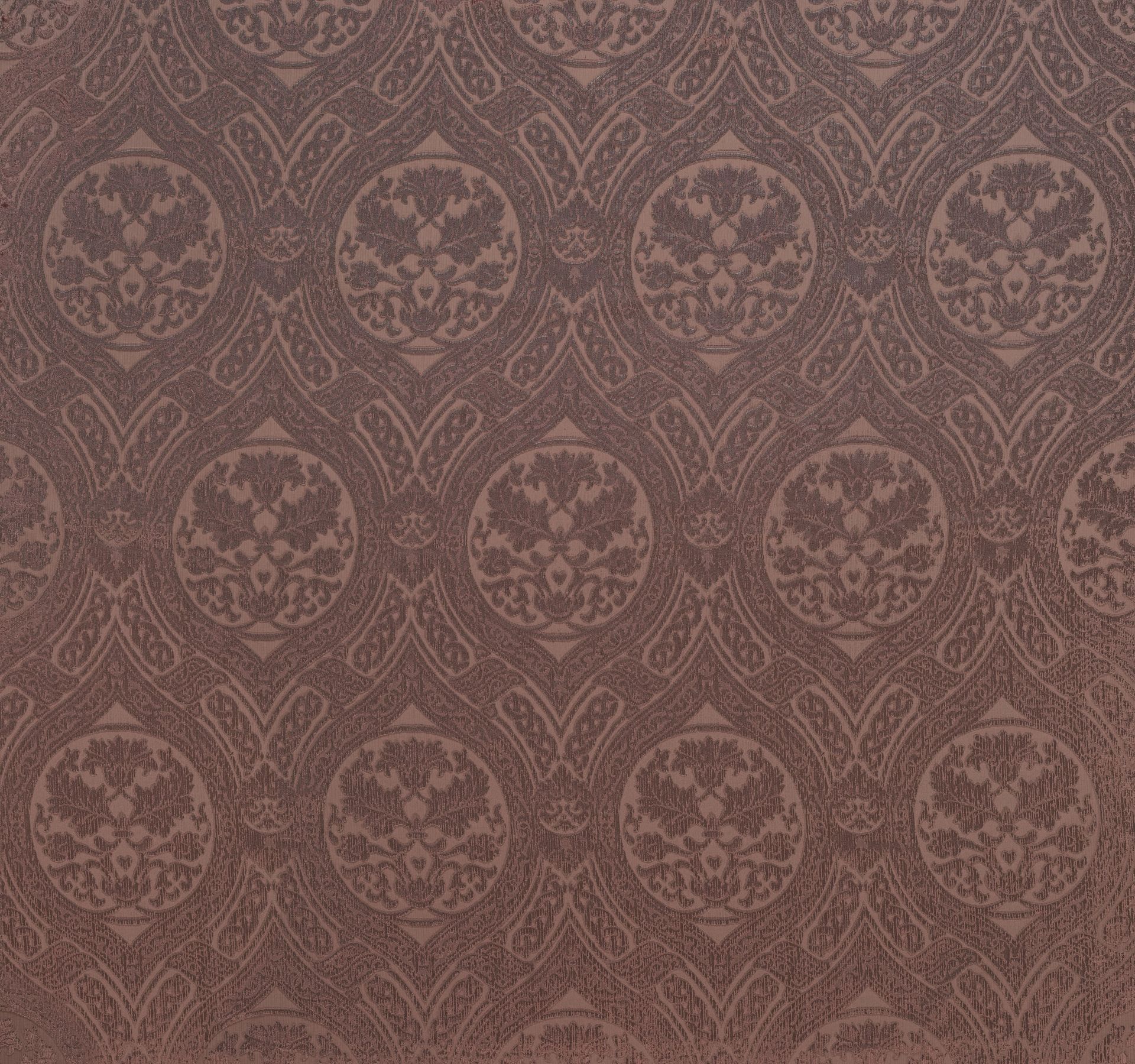


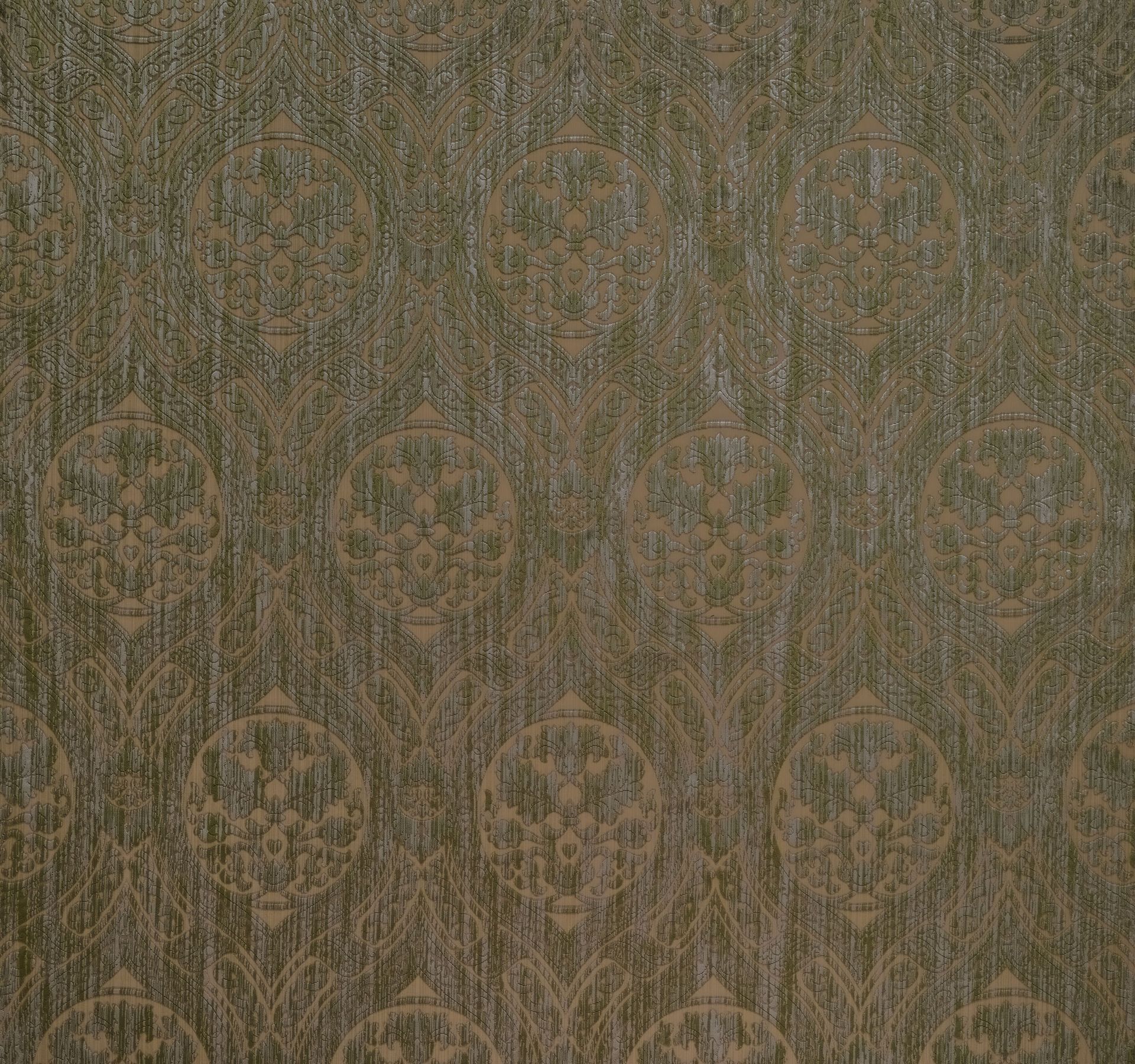
FIERE 3973S
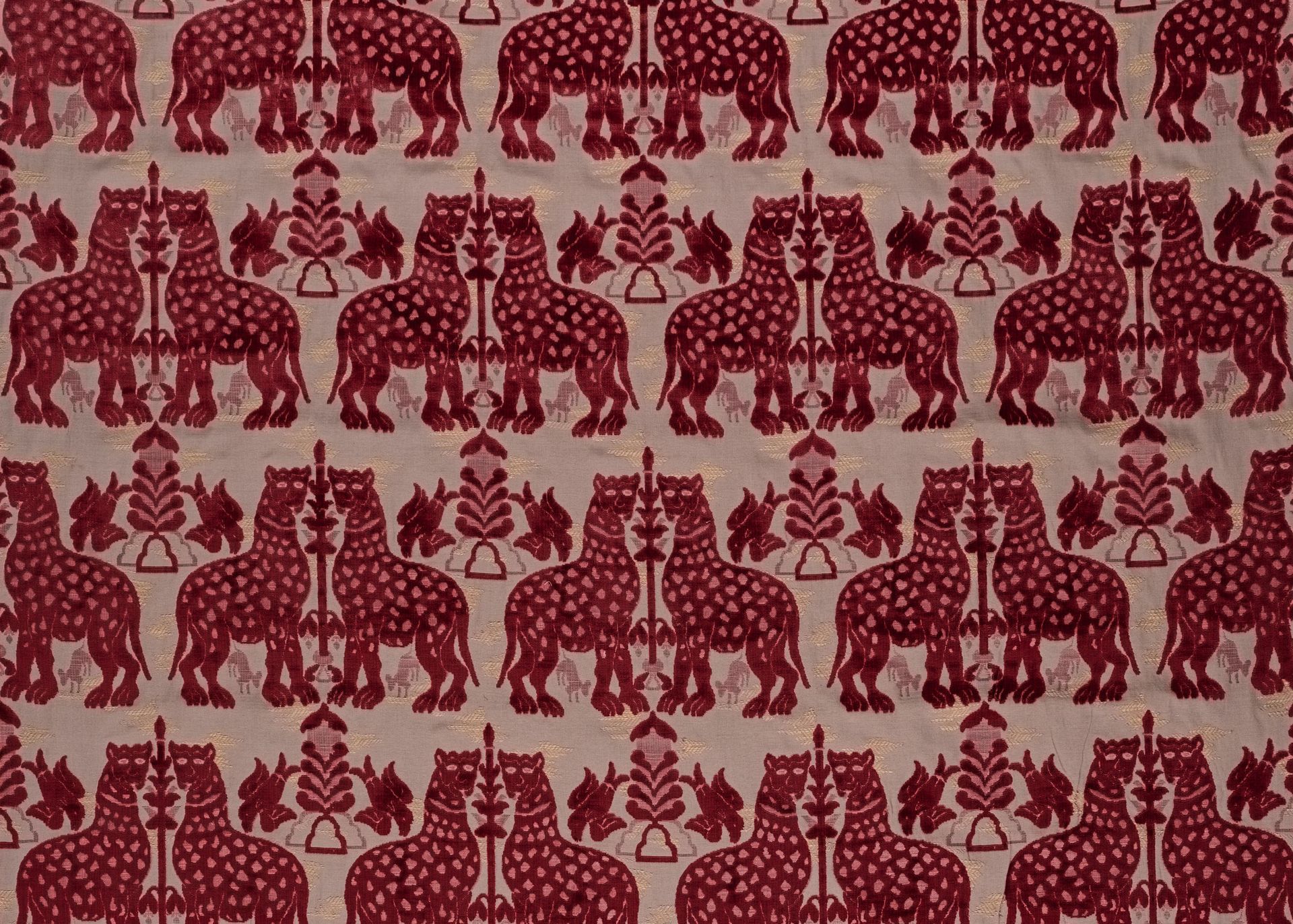
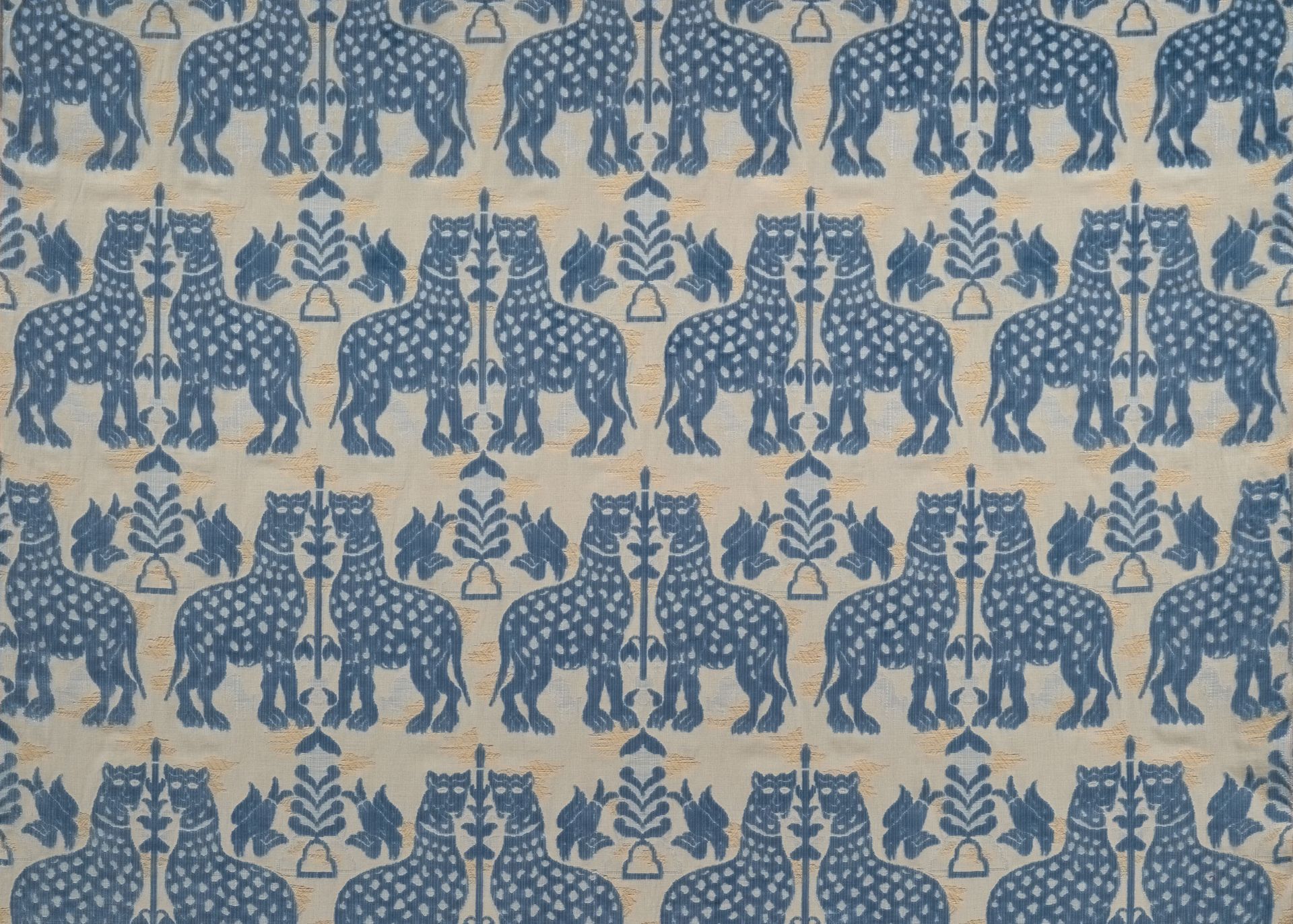
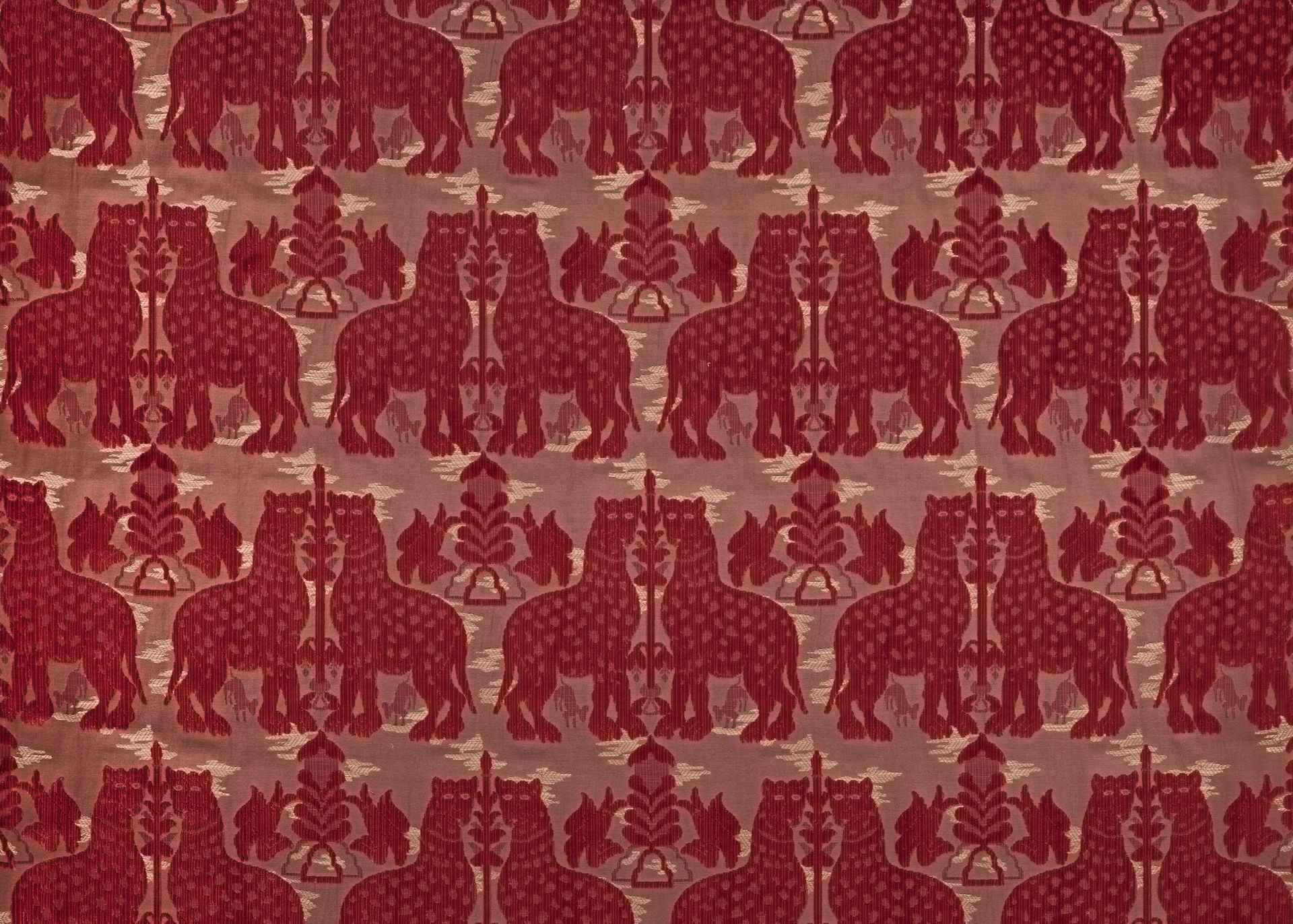
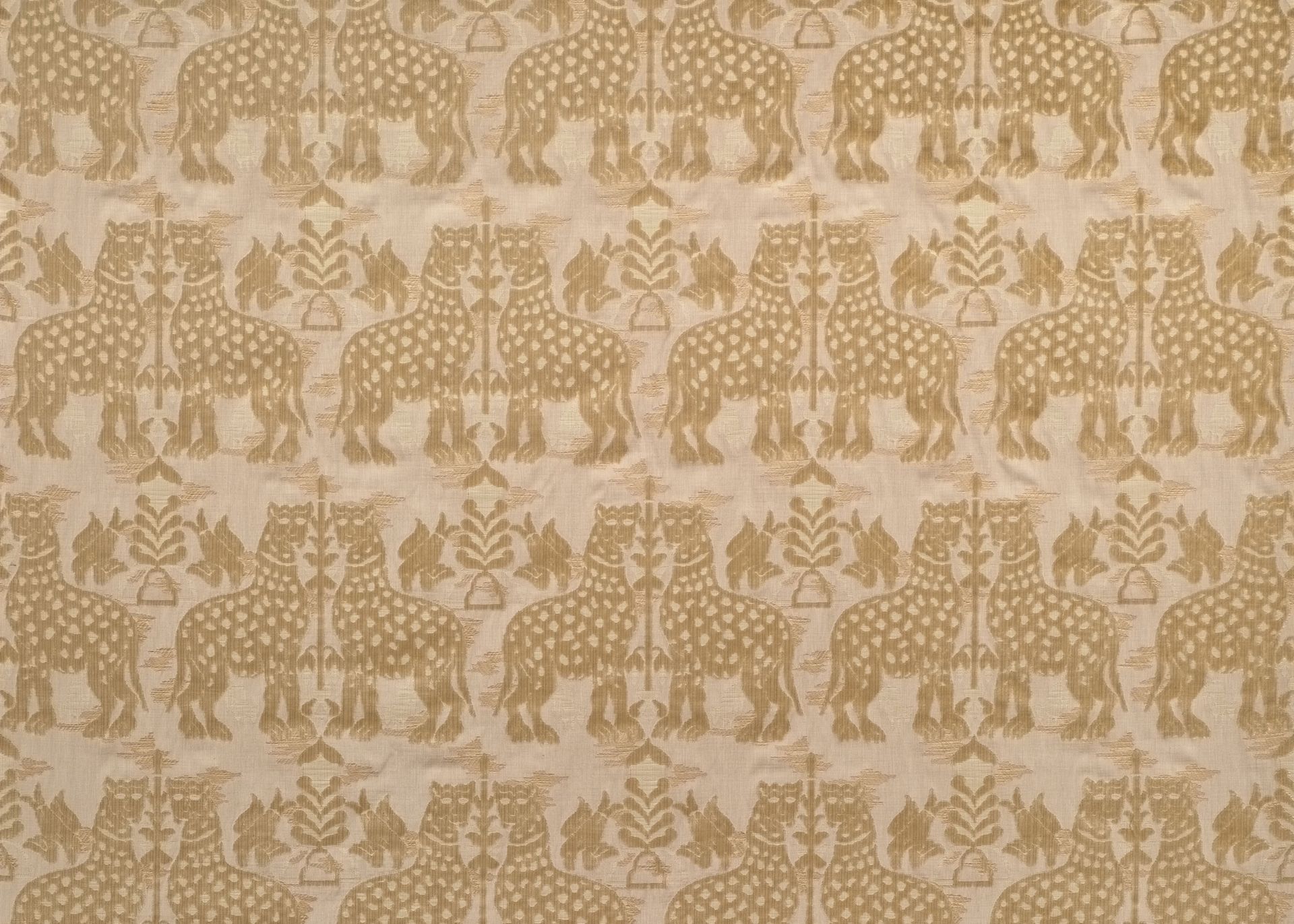
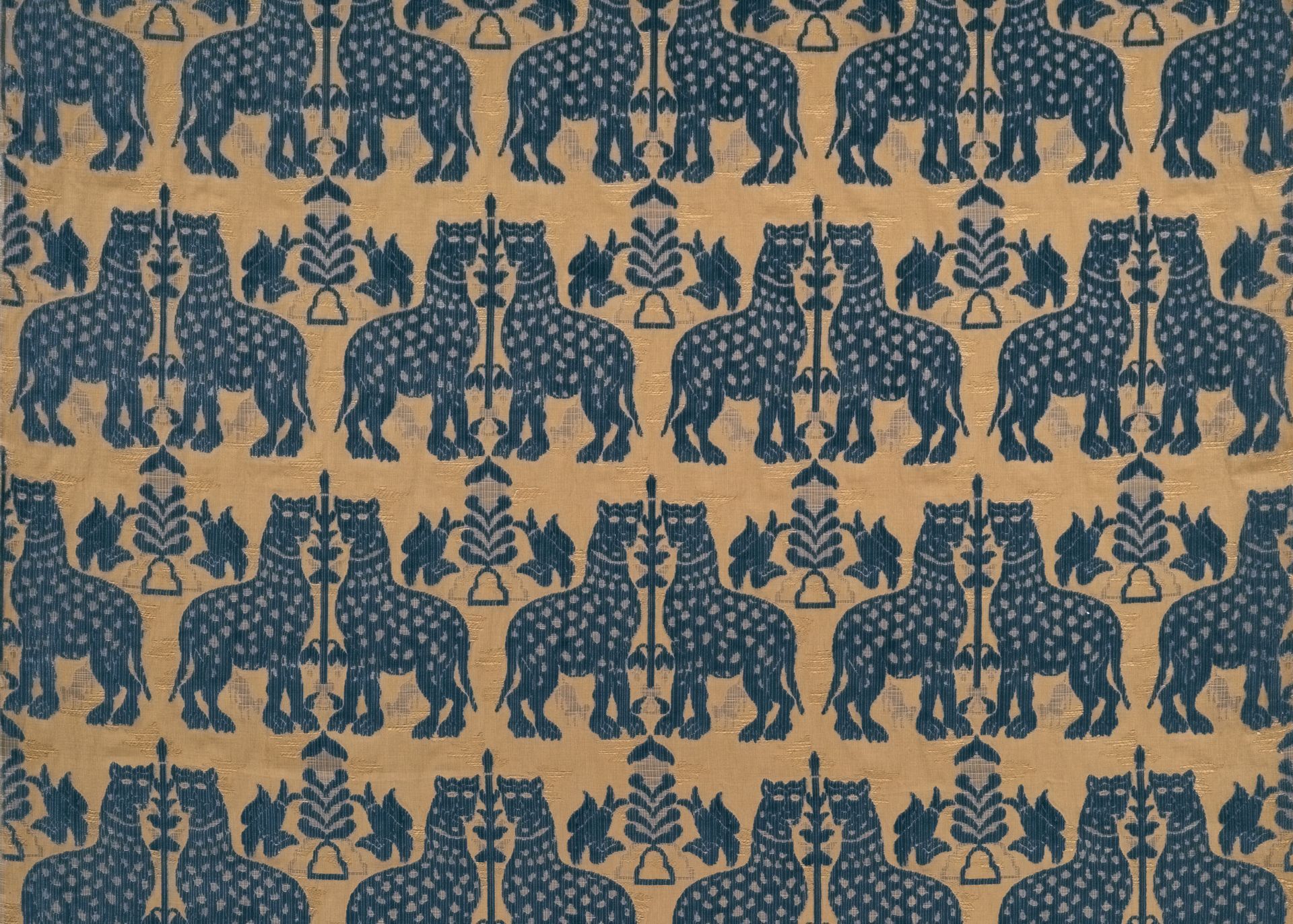
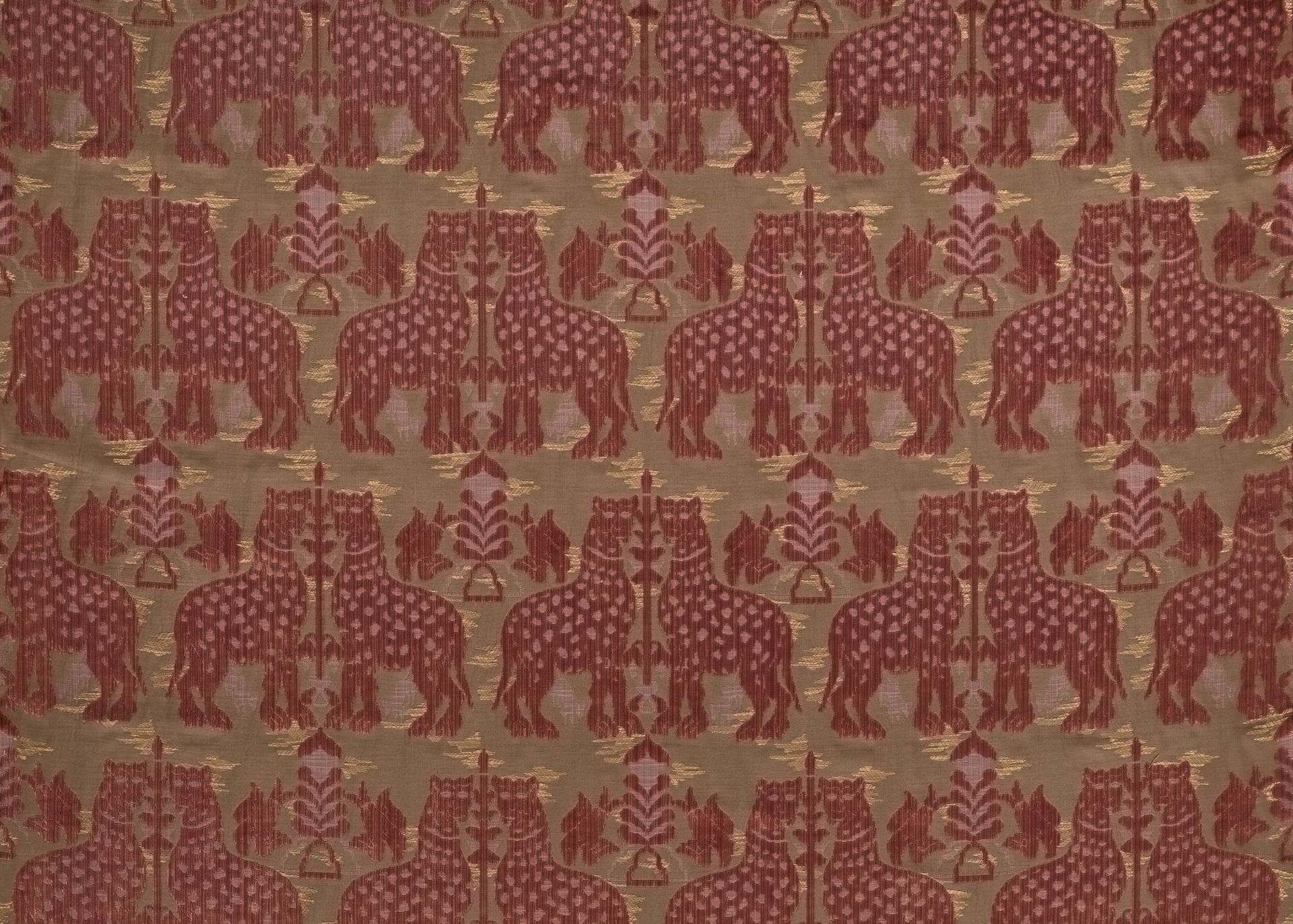
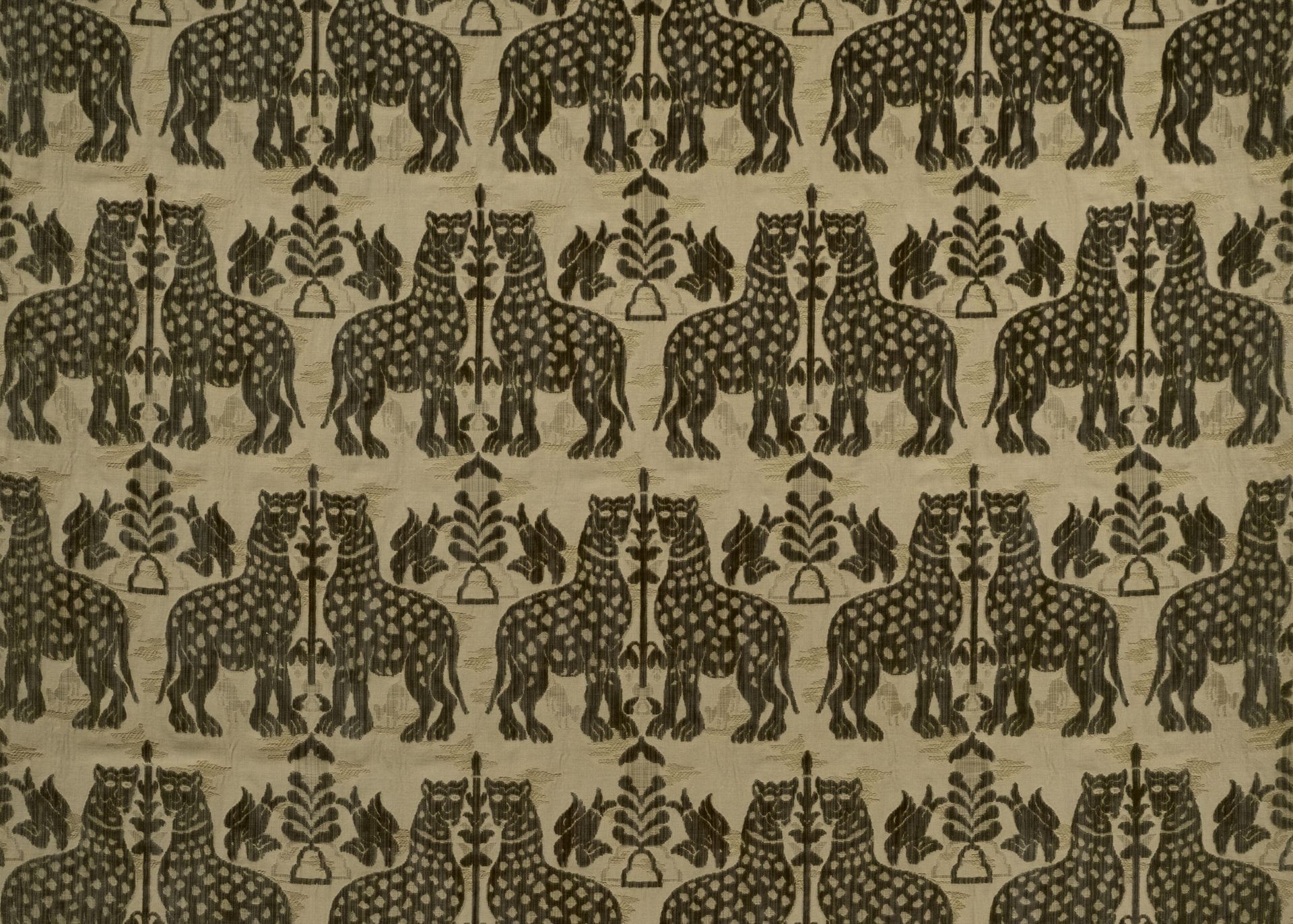
FIORONI 30771

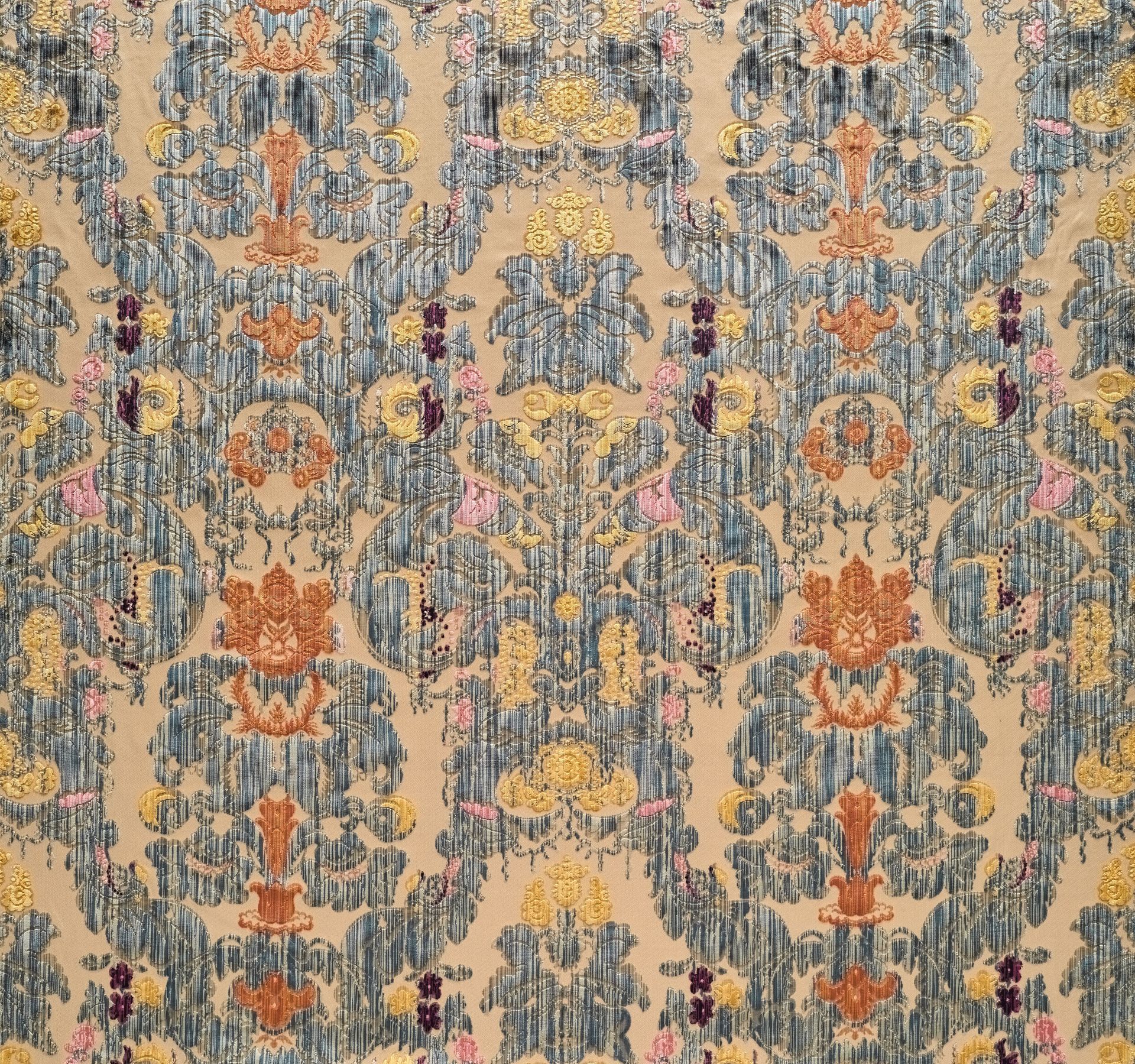

FONTANE 3795S
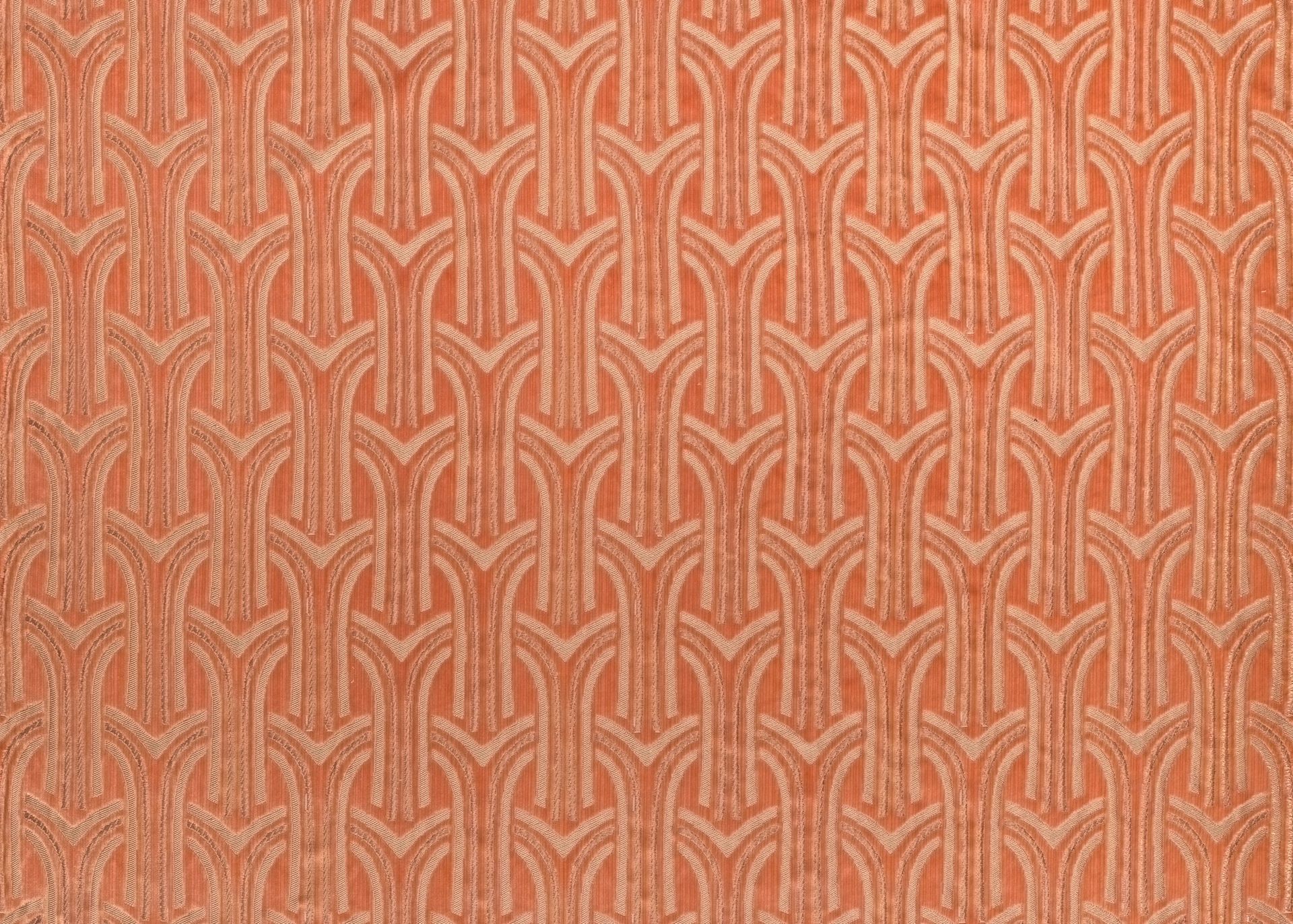
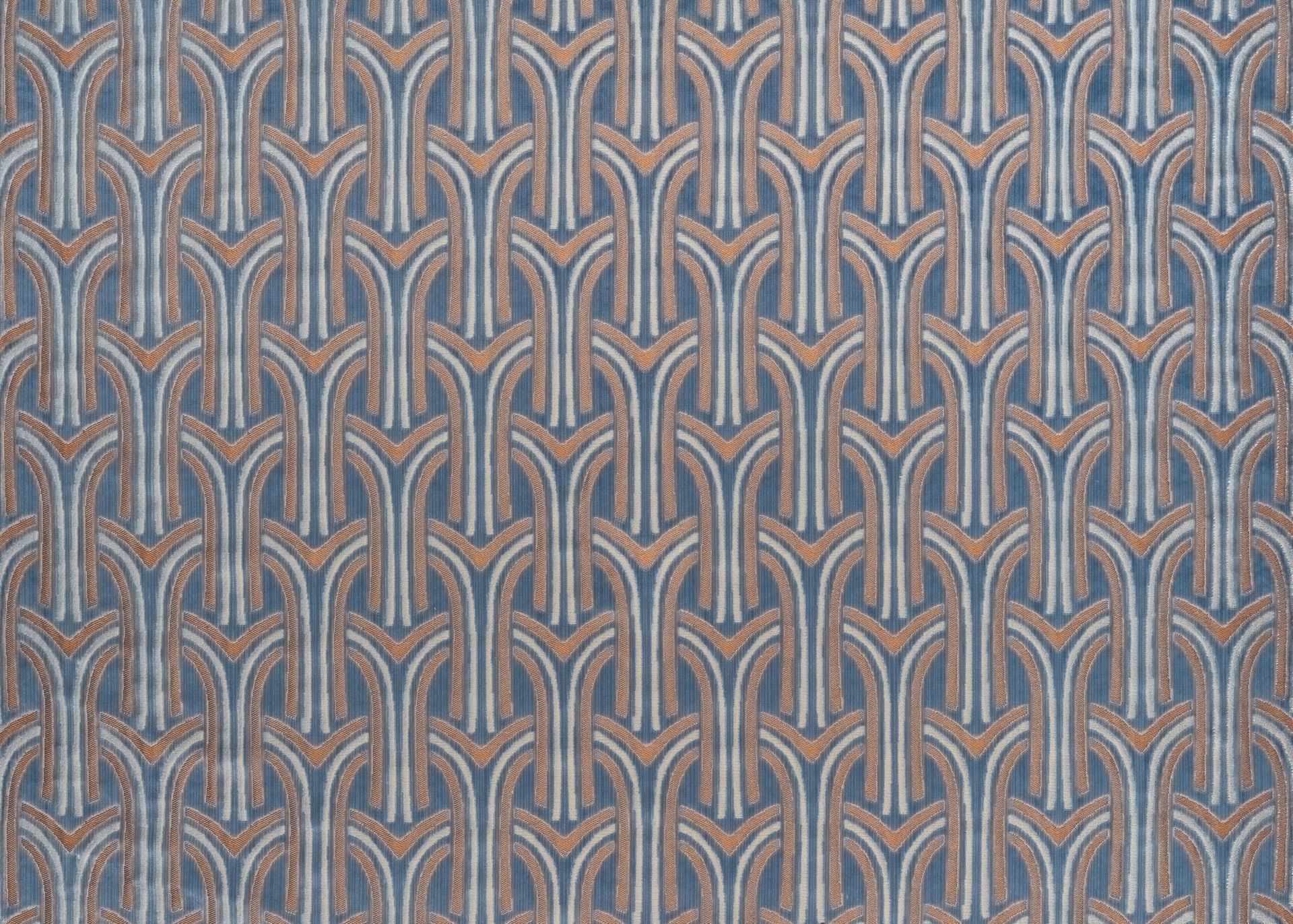
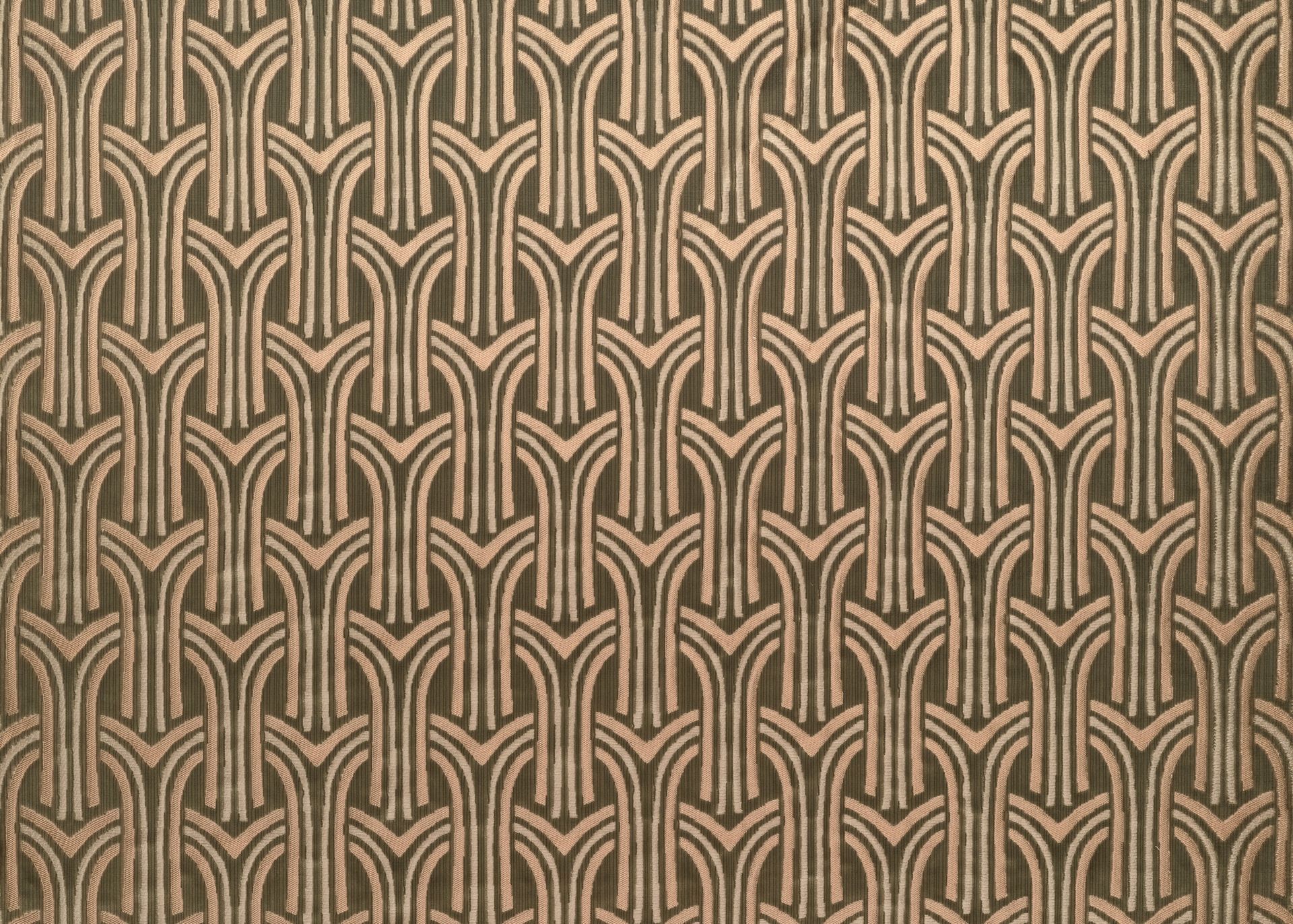
FREESIA 3160

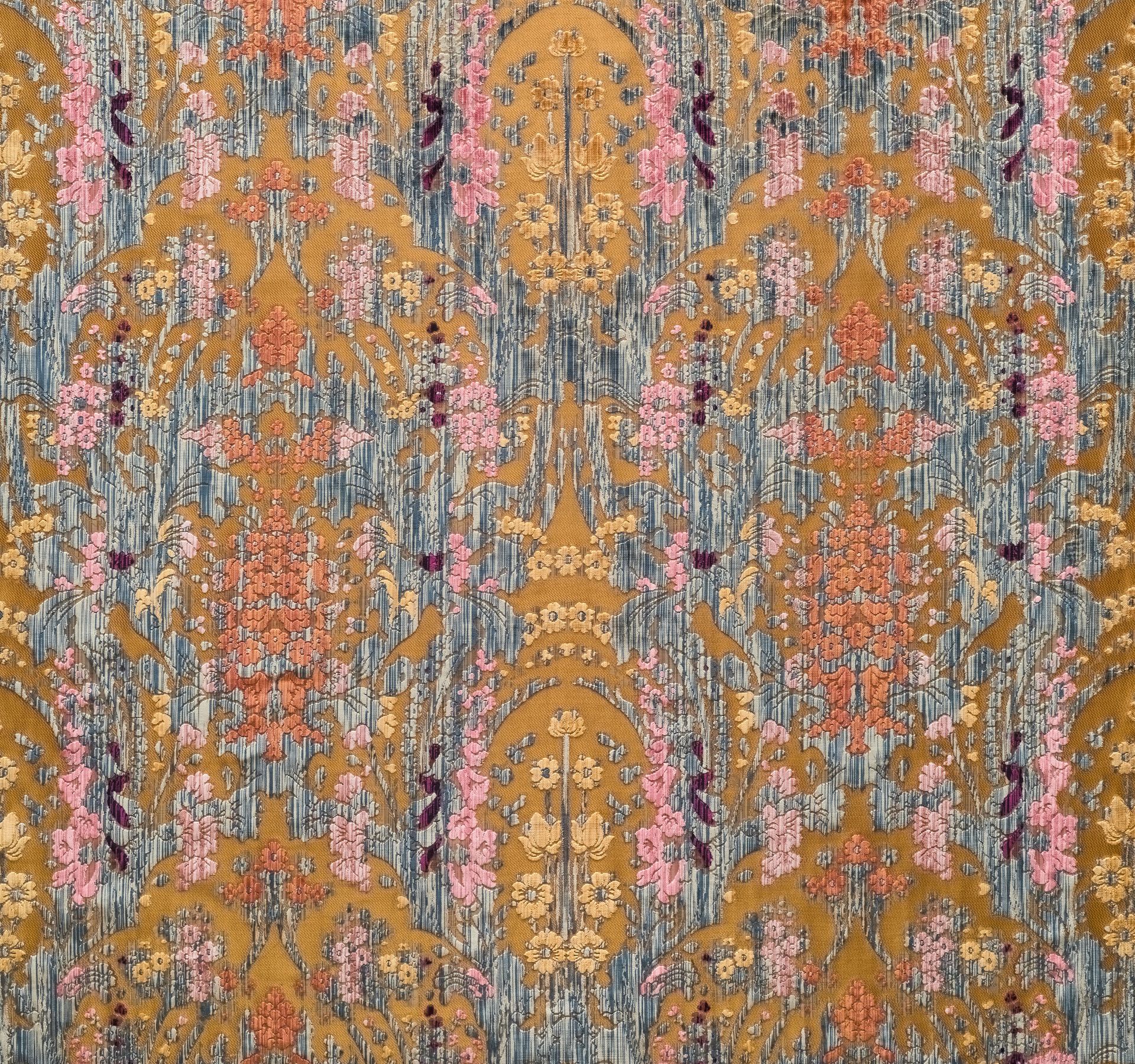
ANCIENT GARDEN 32288
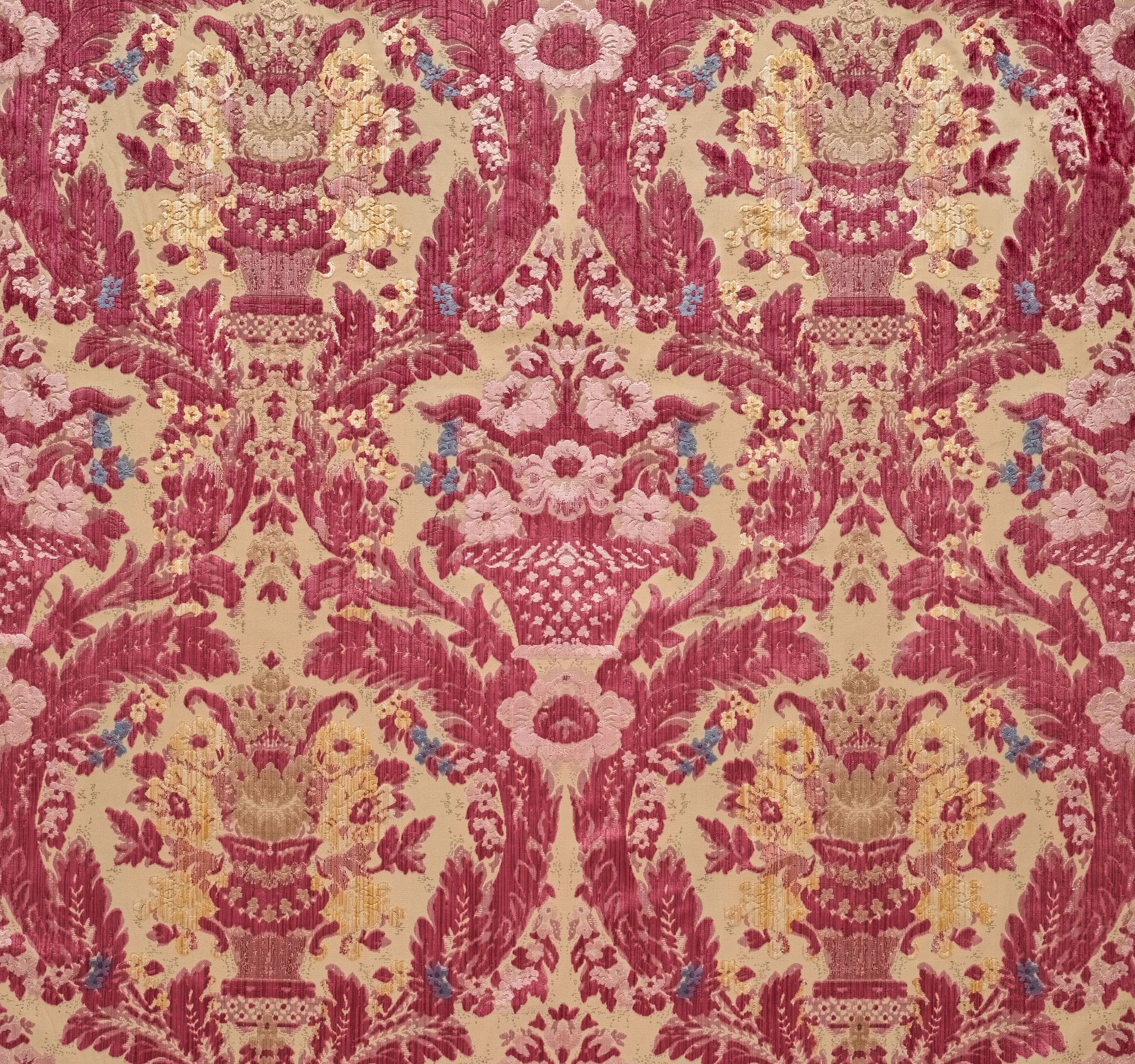
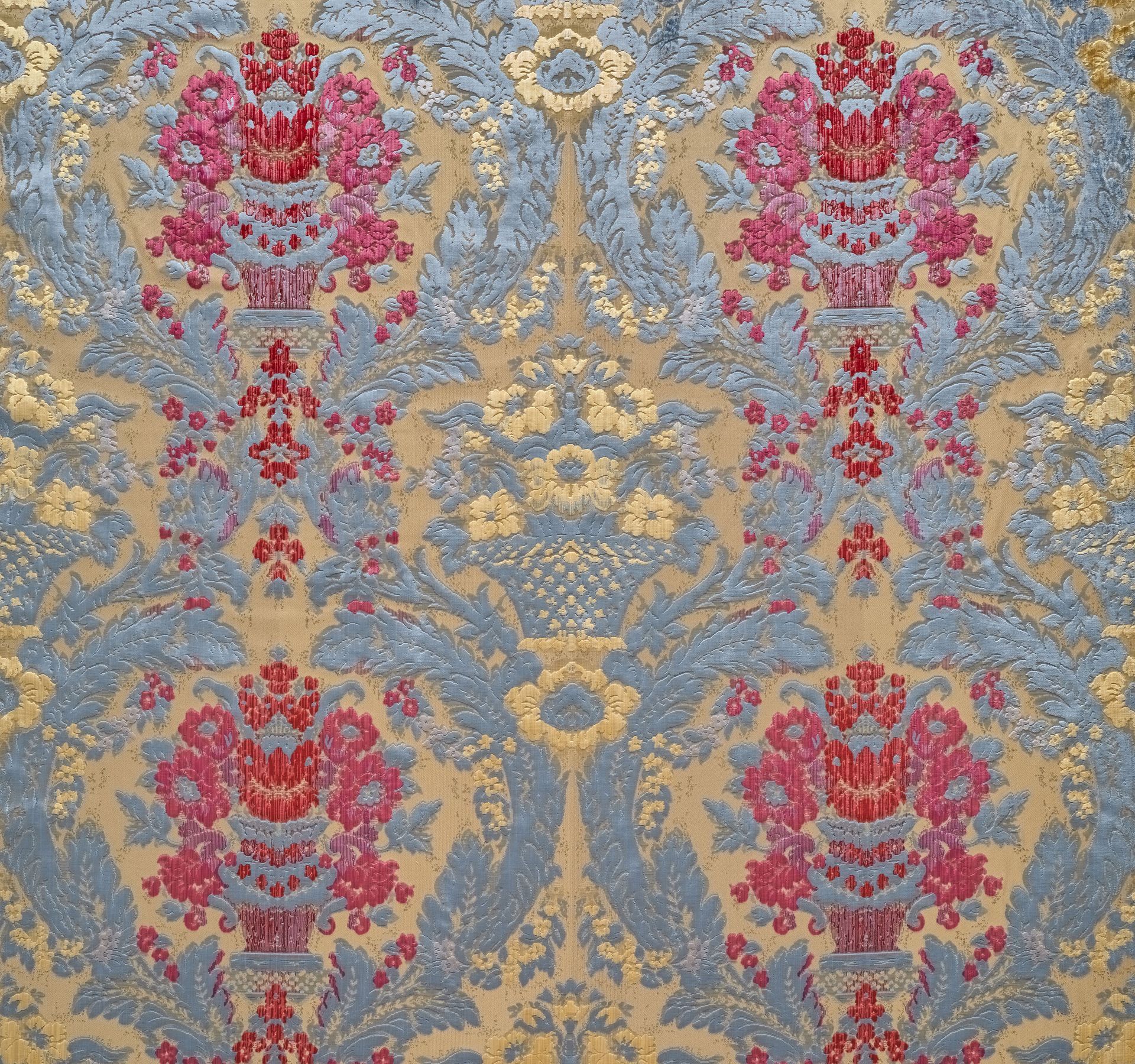
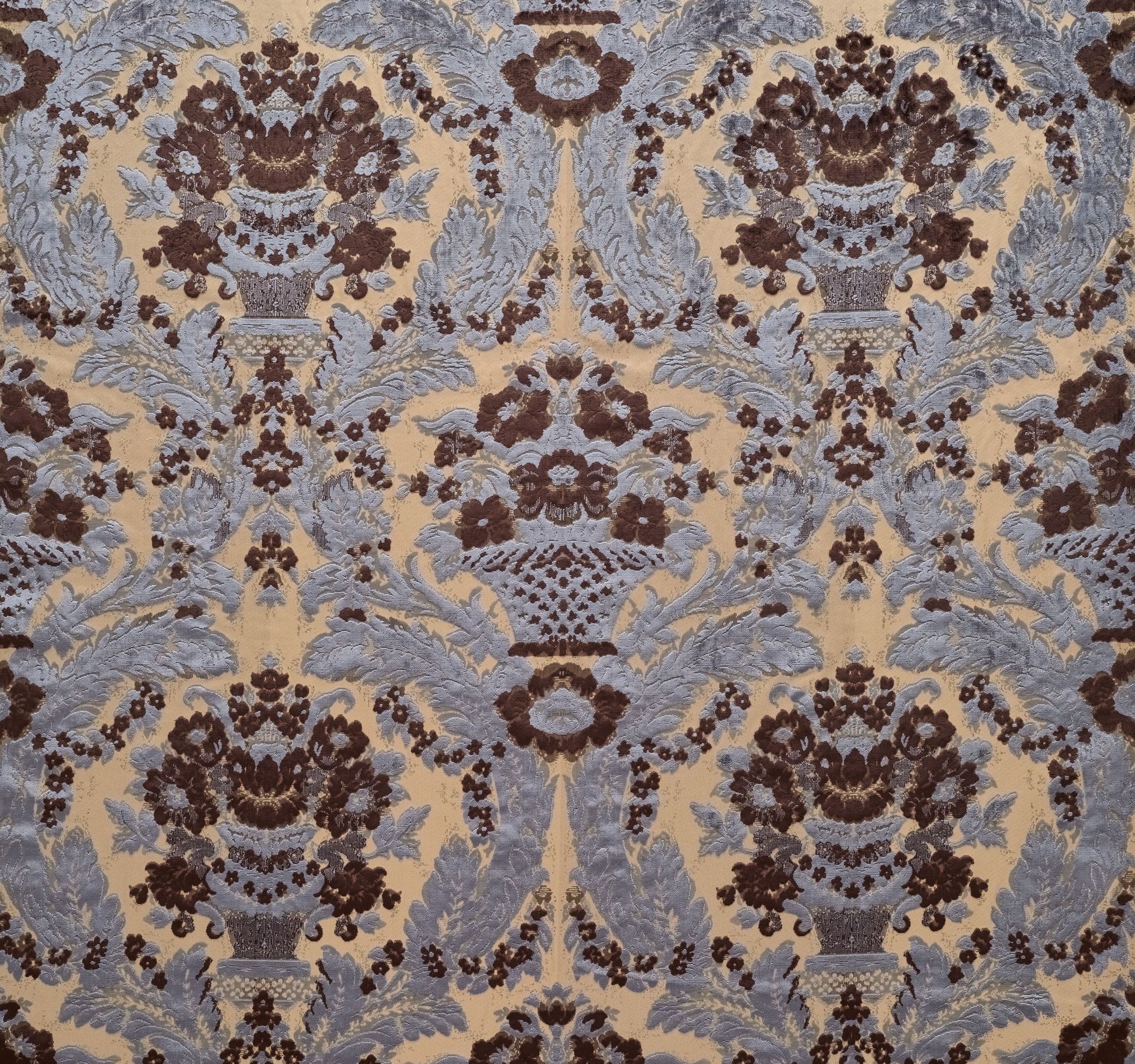
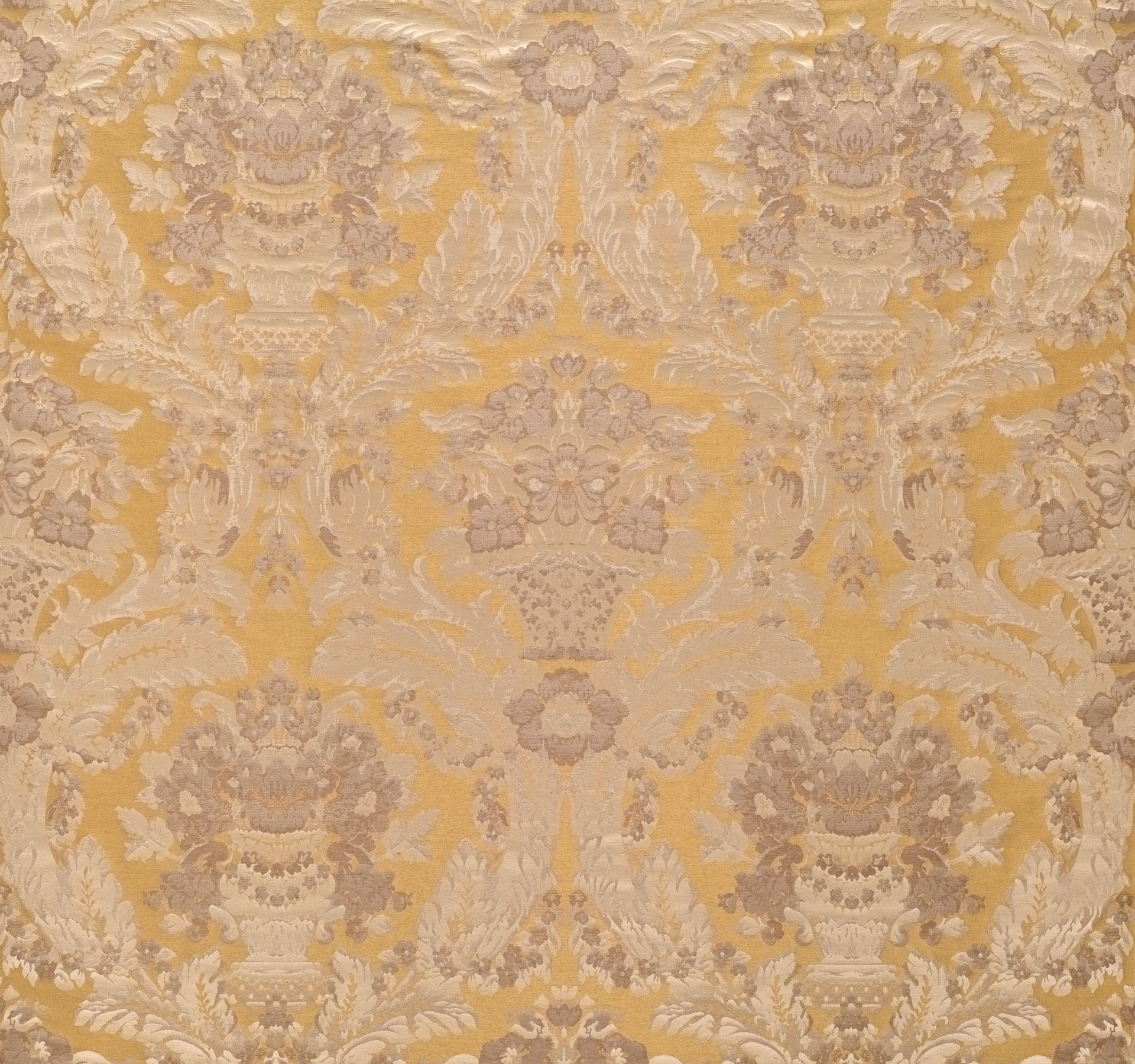
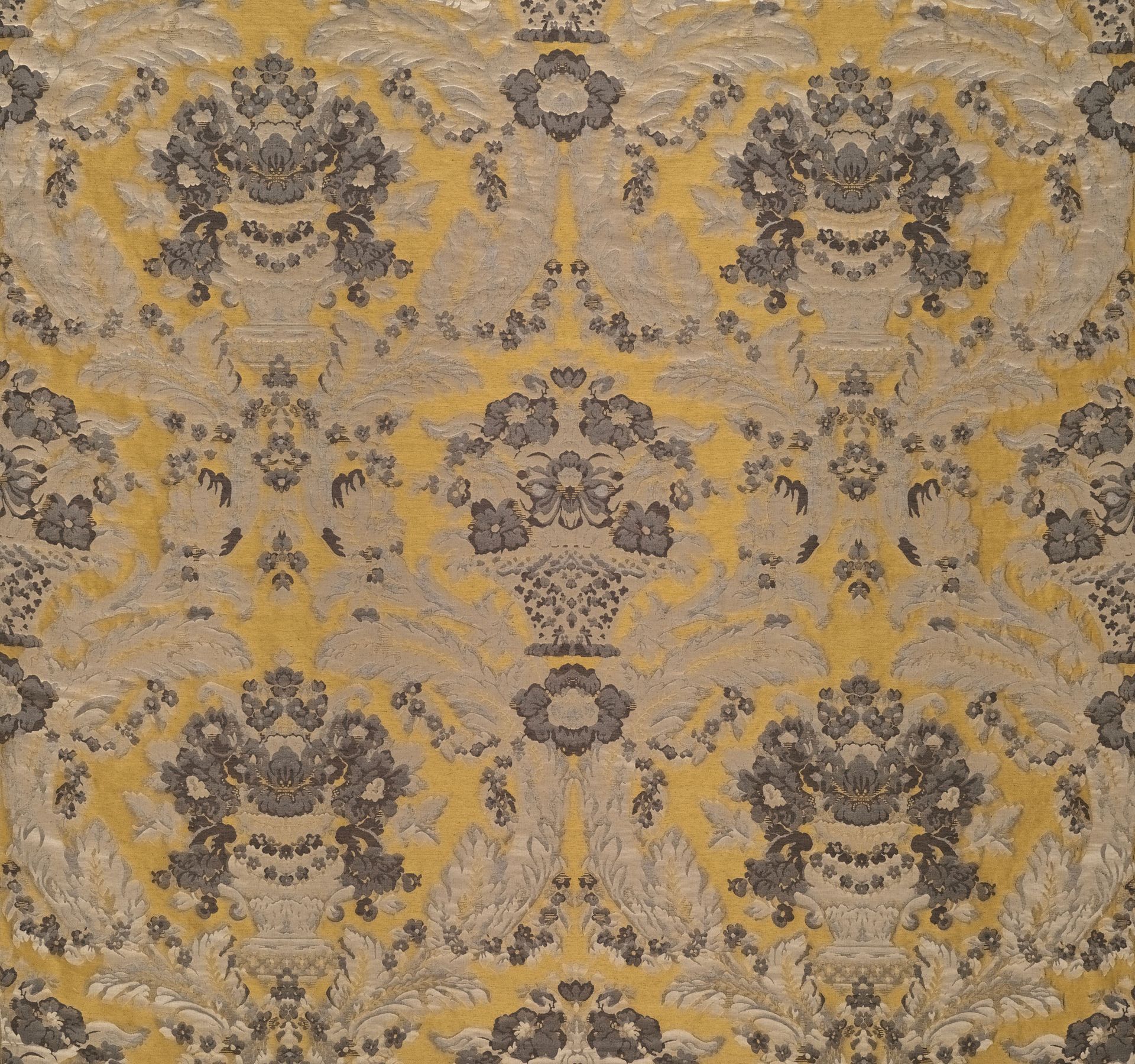
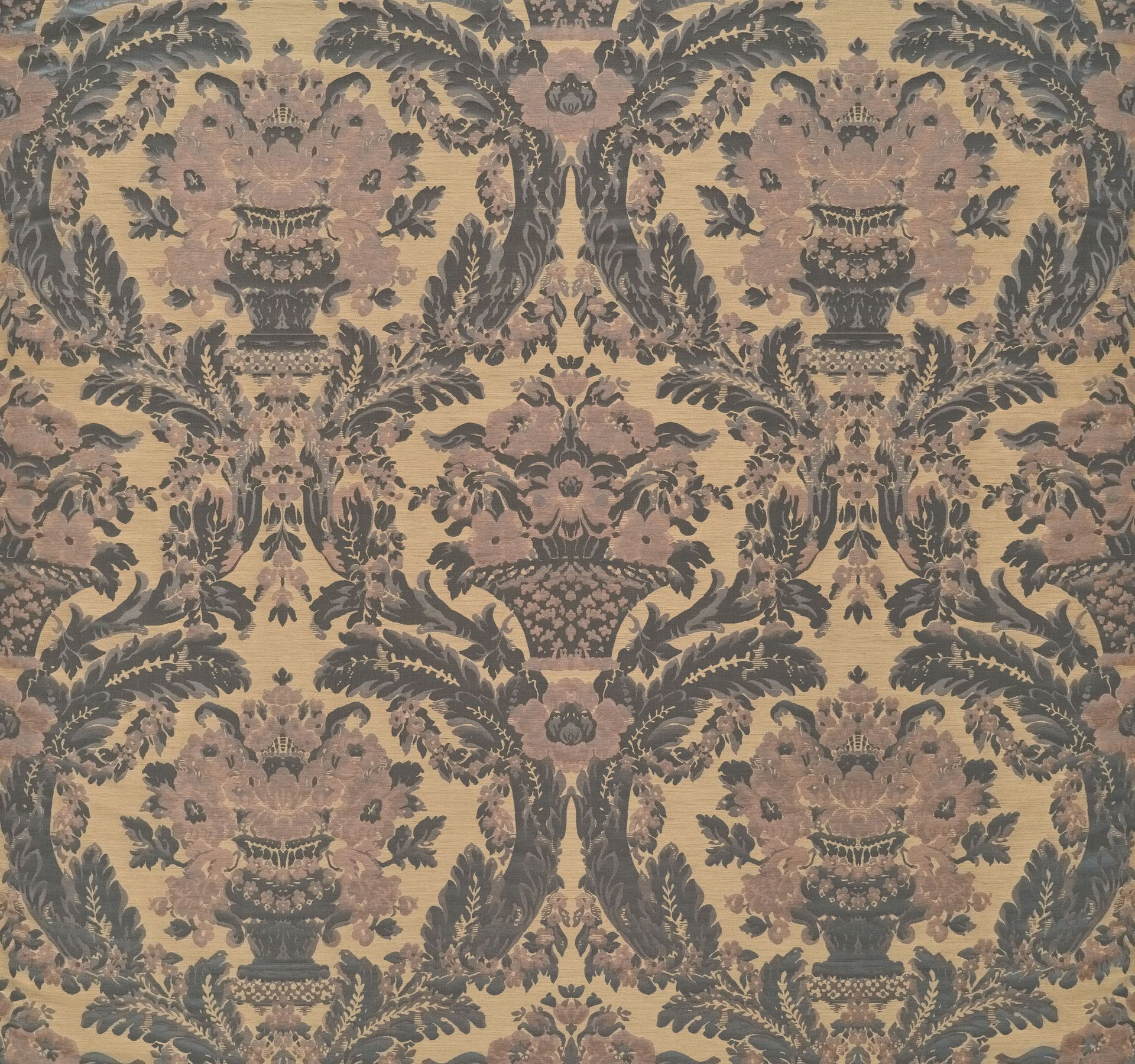
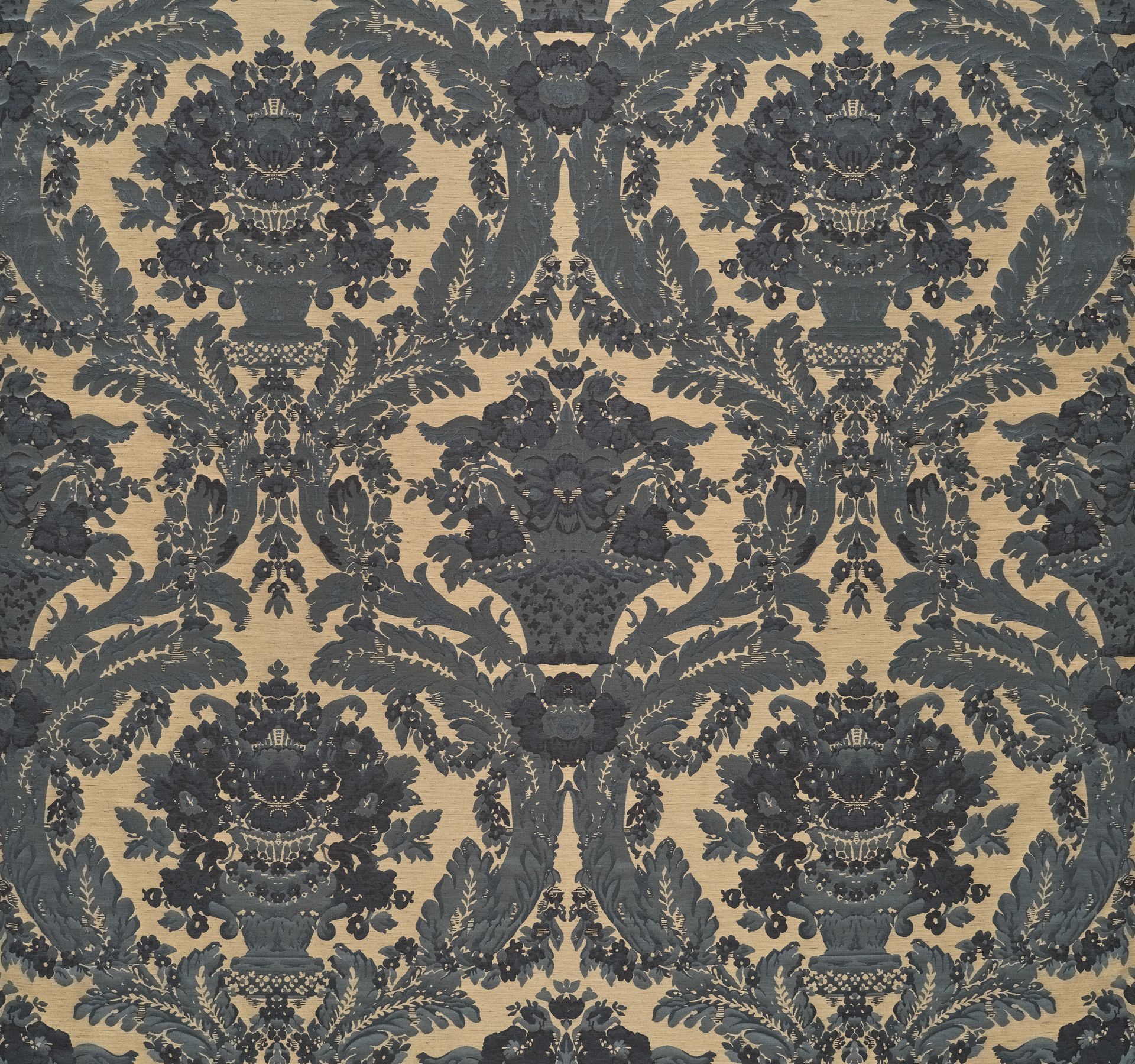
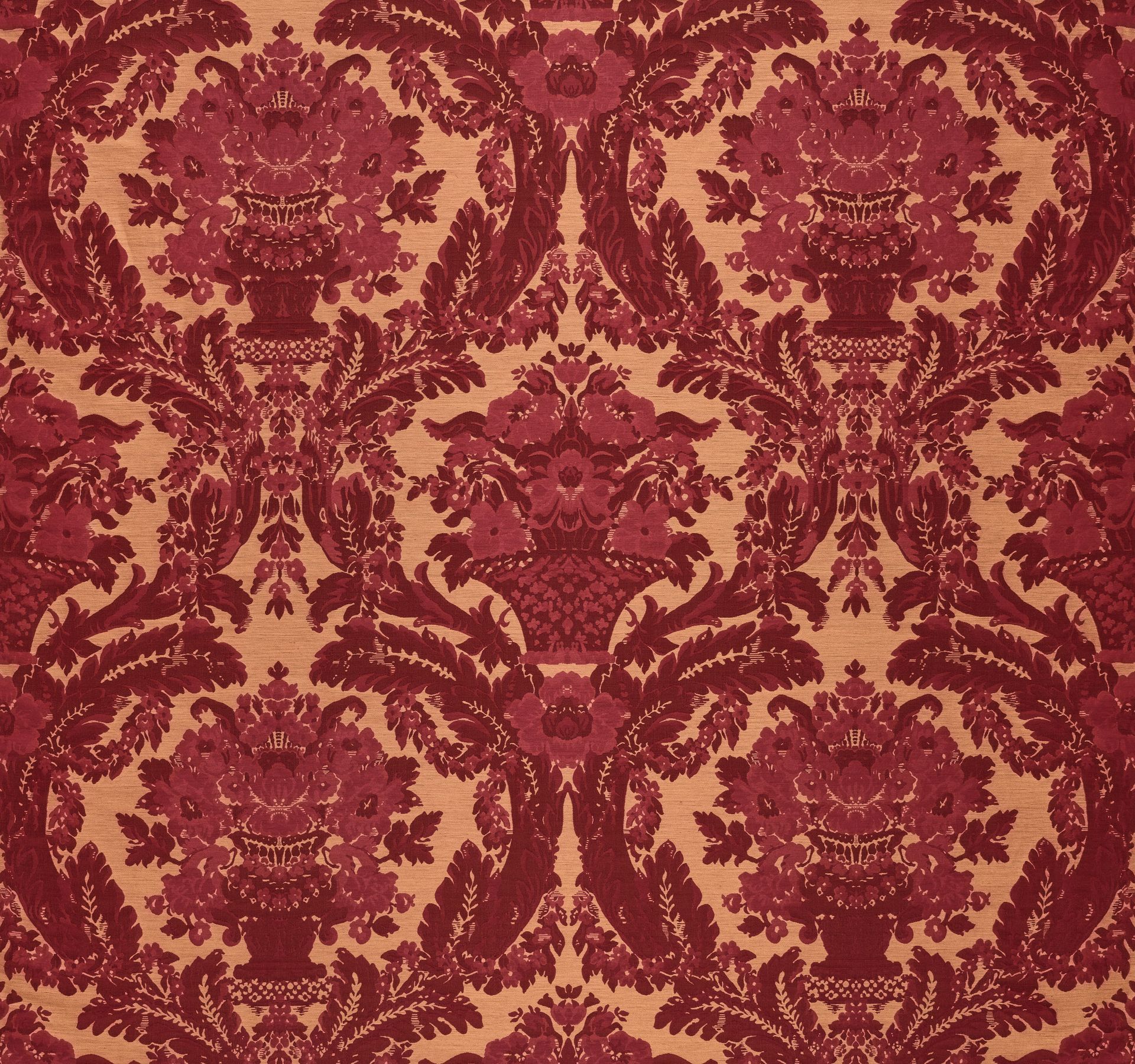
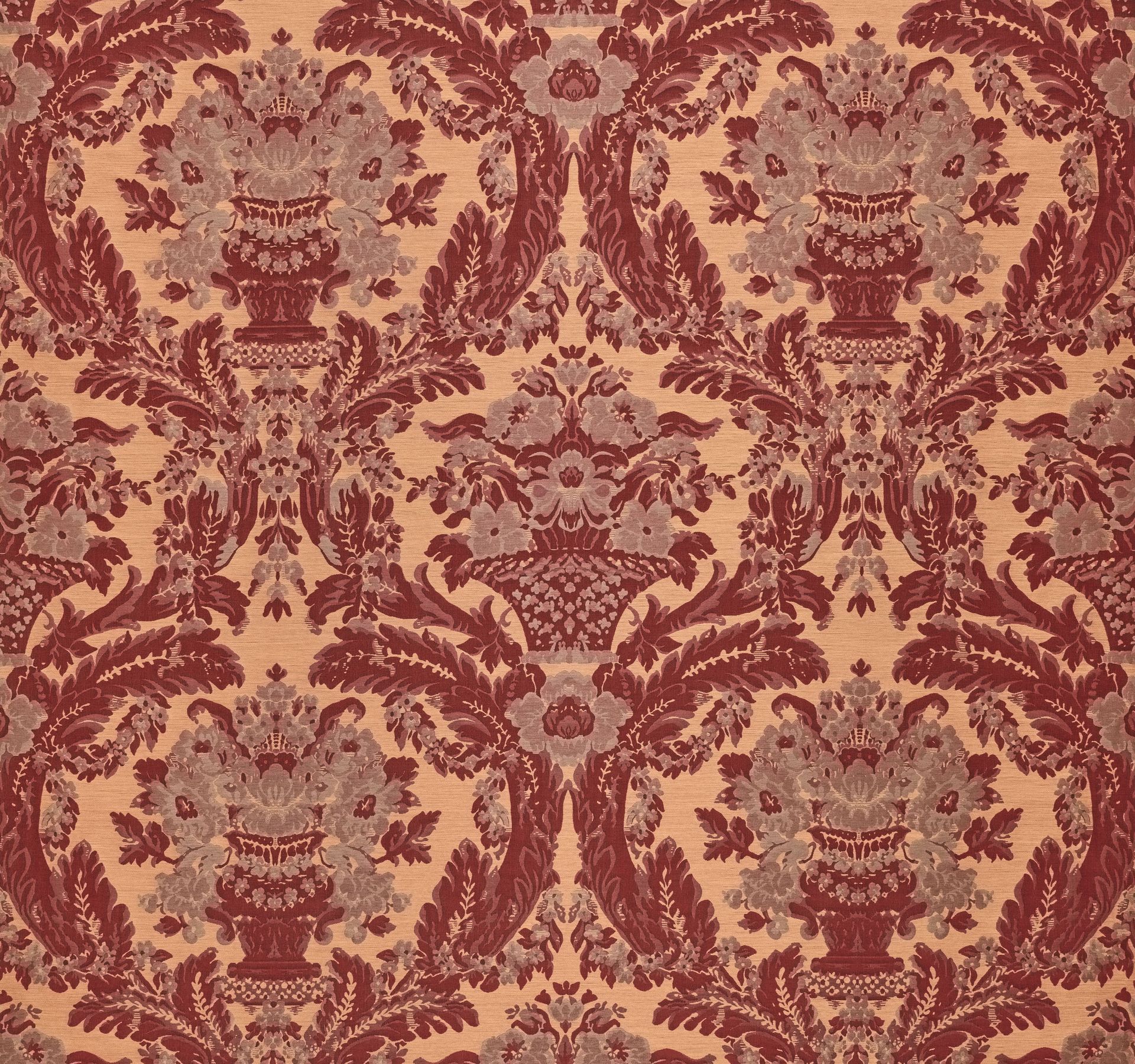
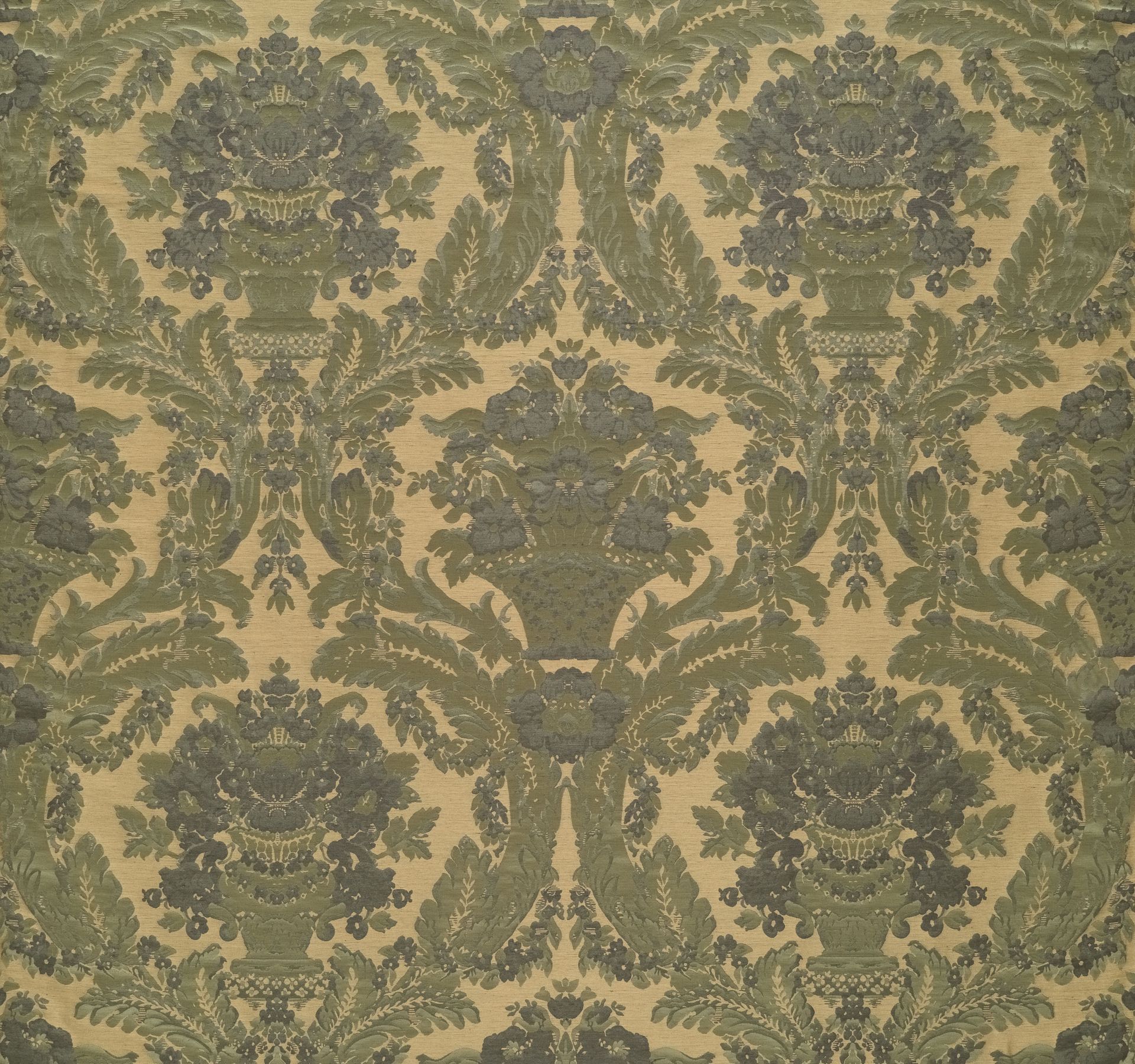
GOTHIC 3945S
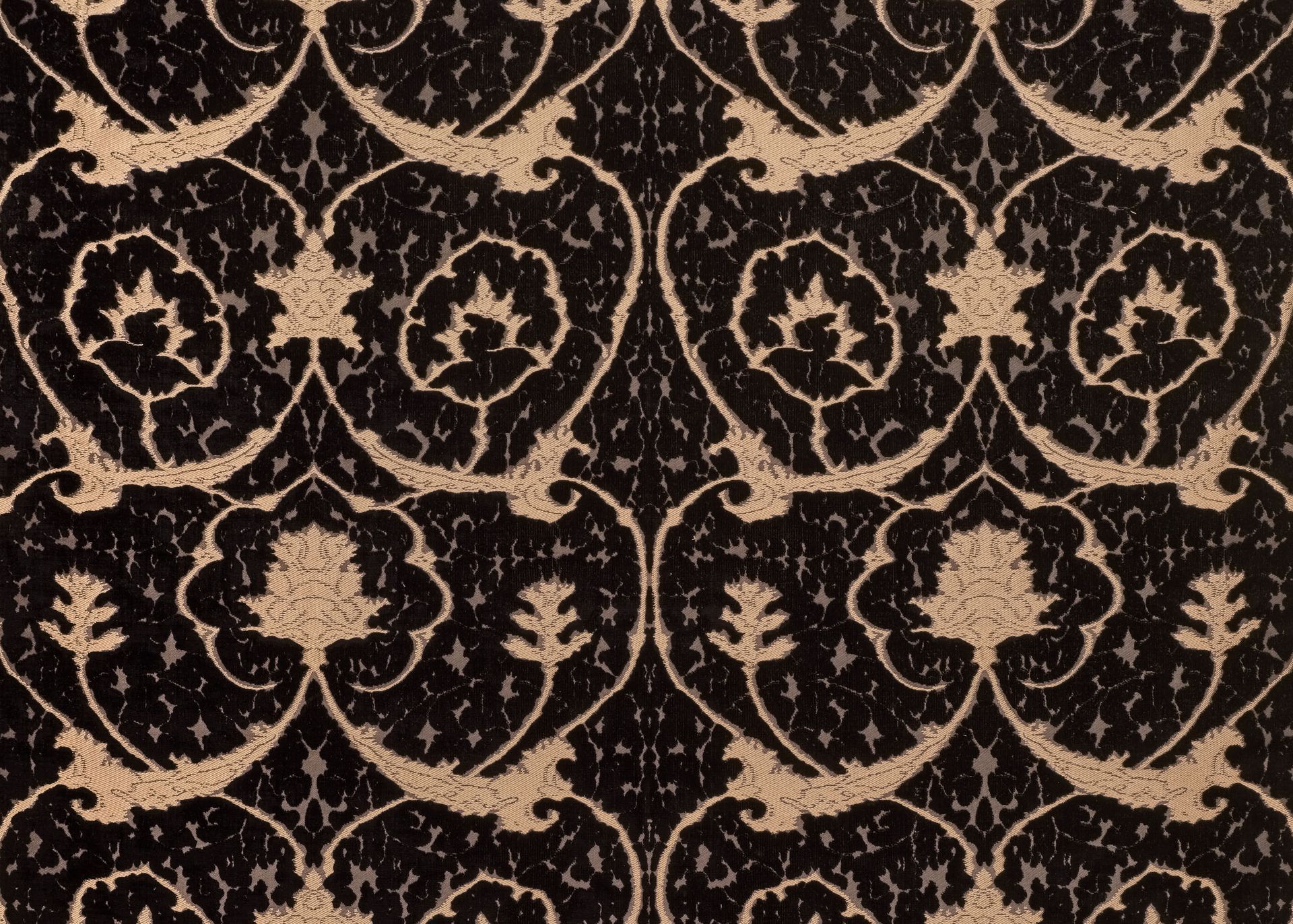
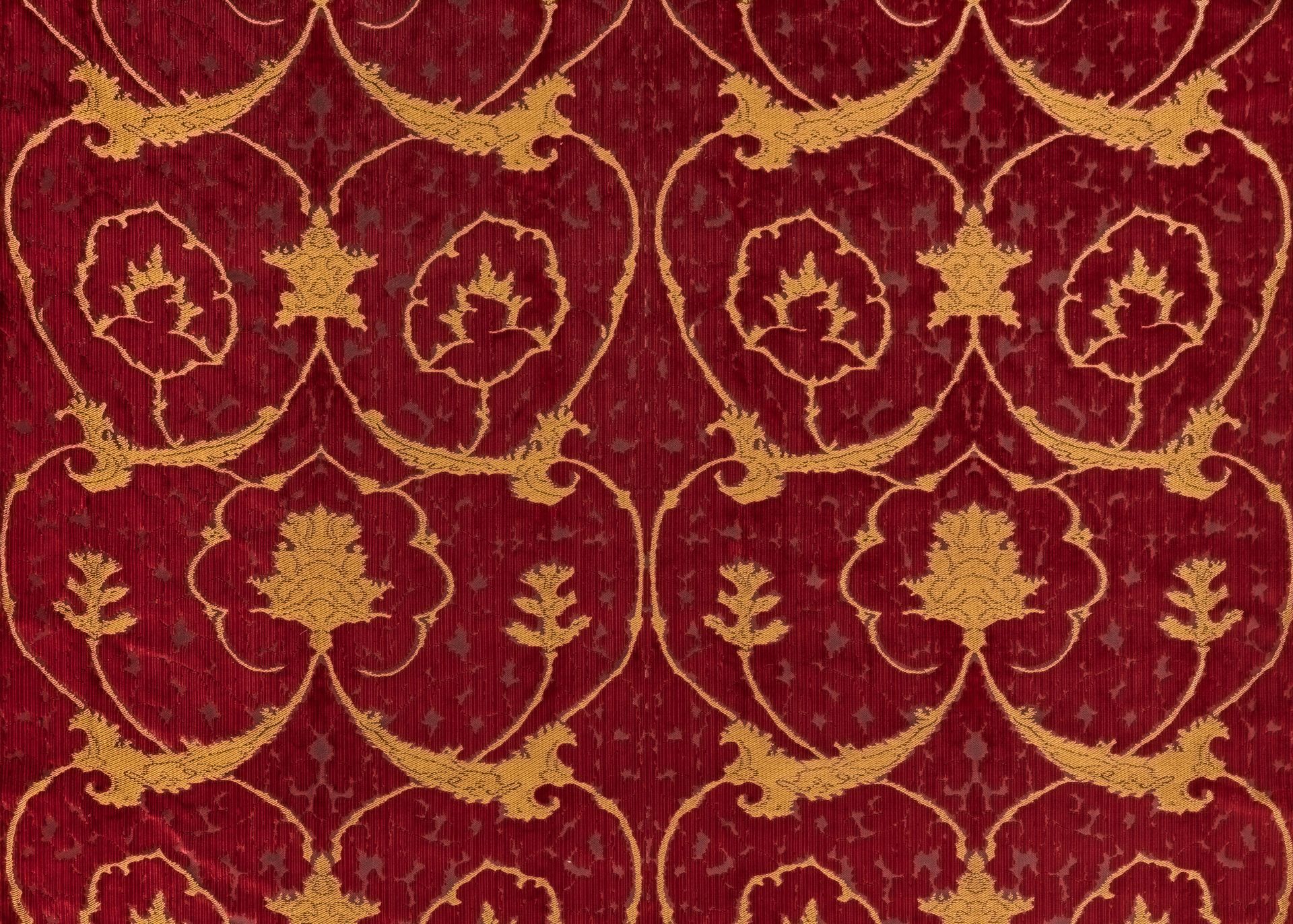
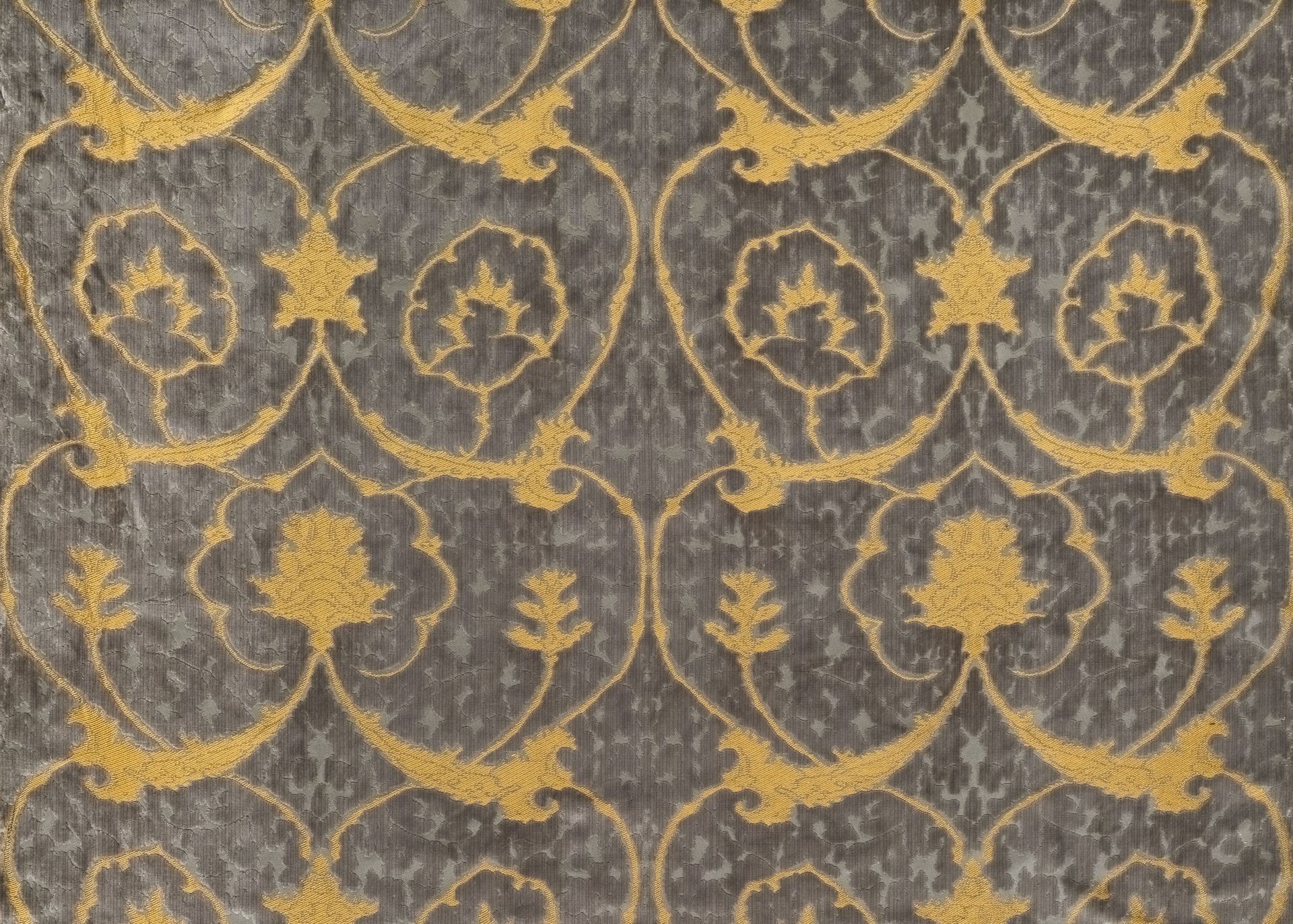
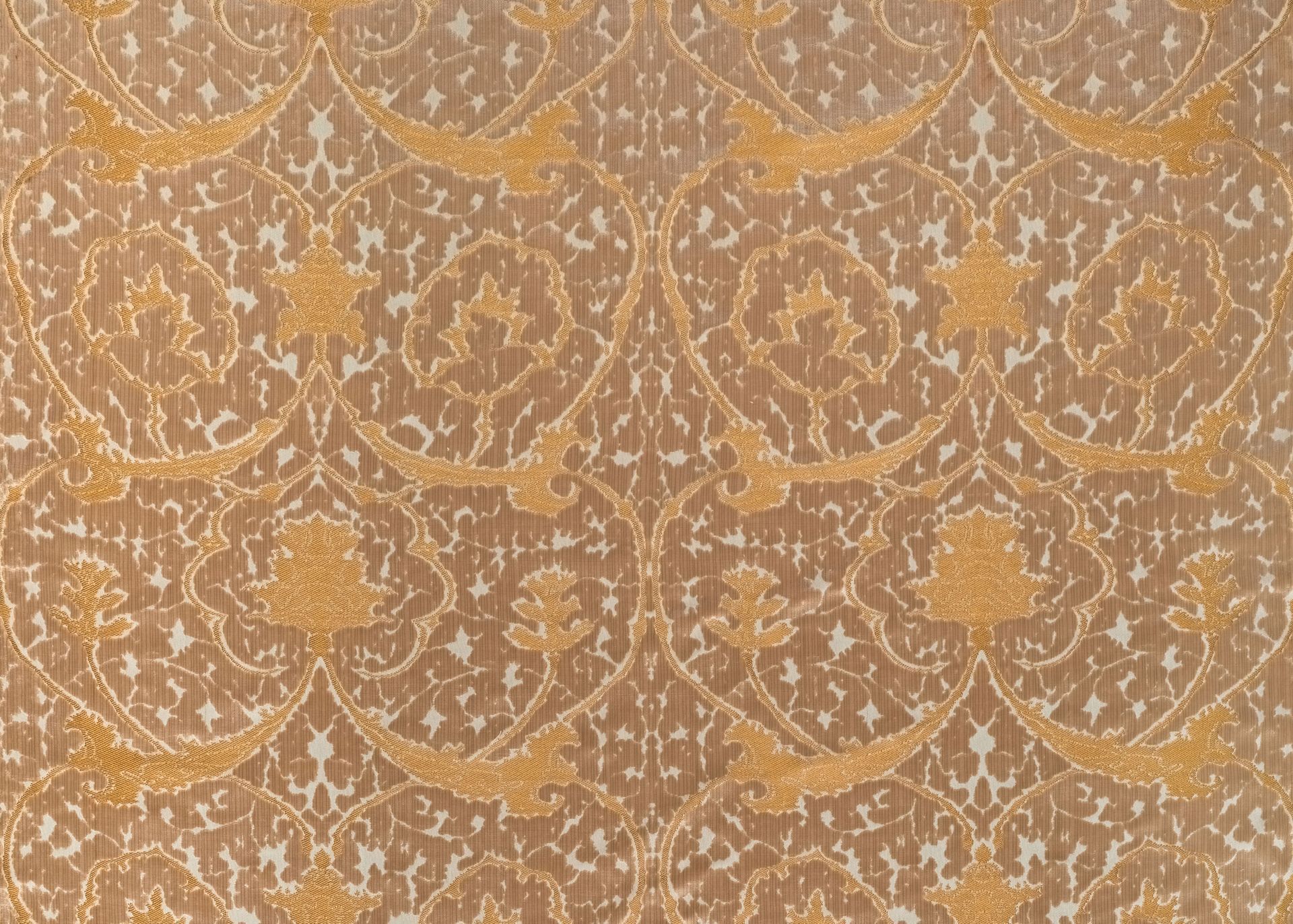
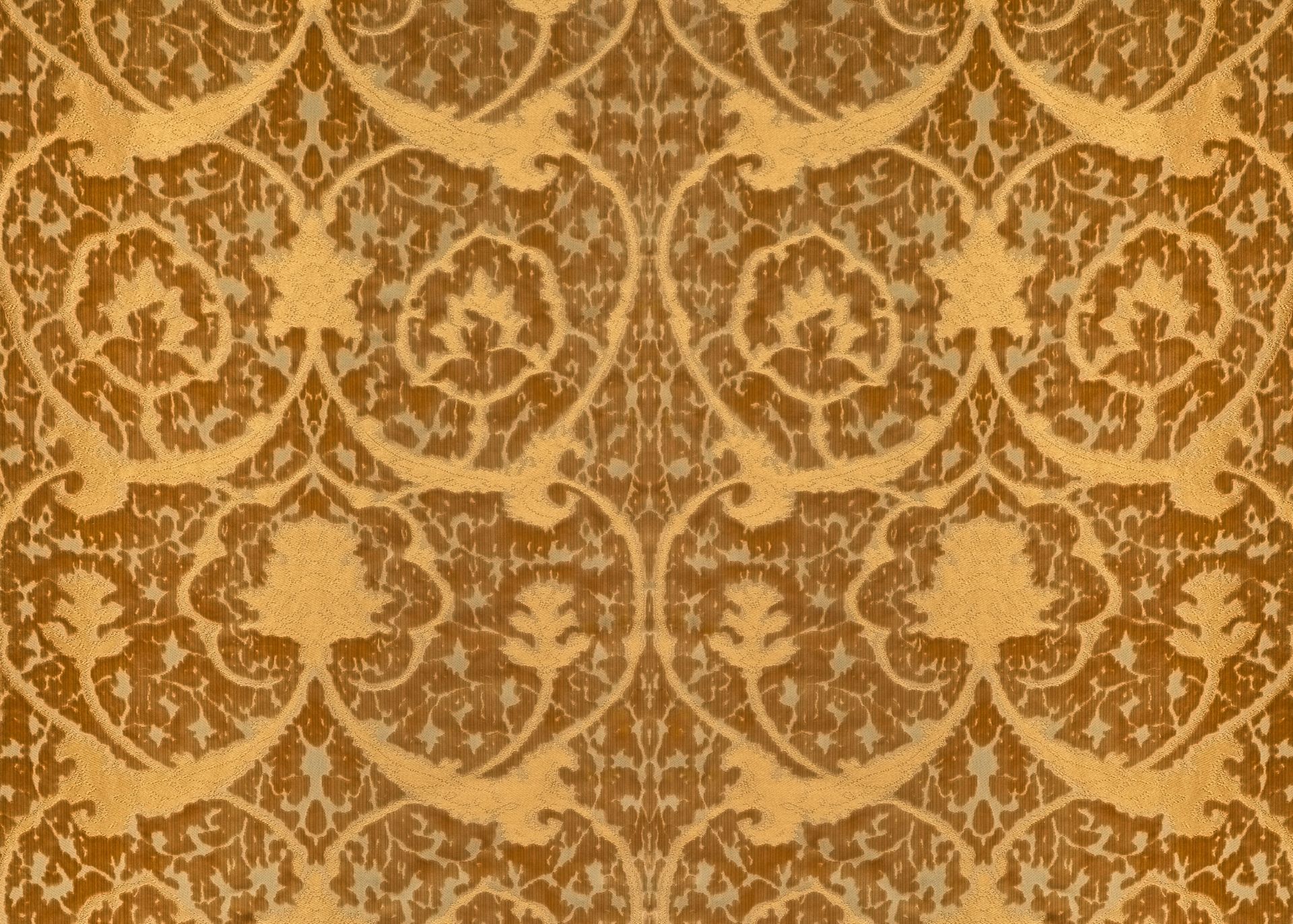
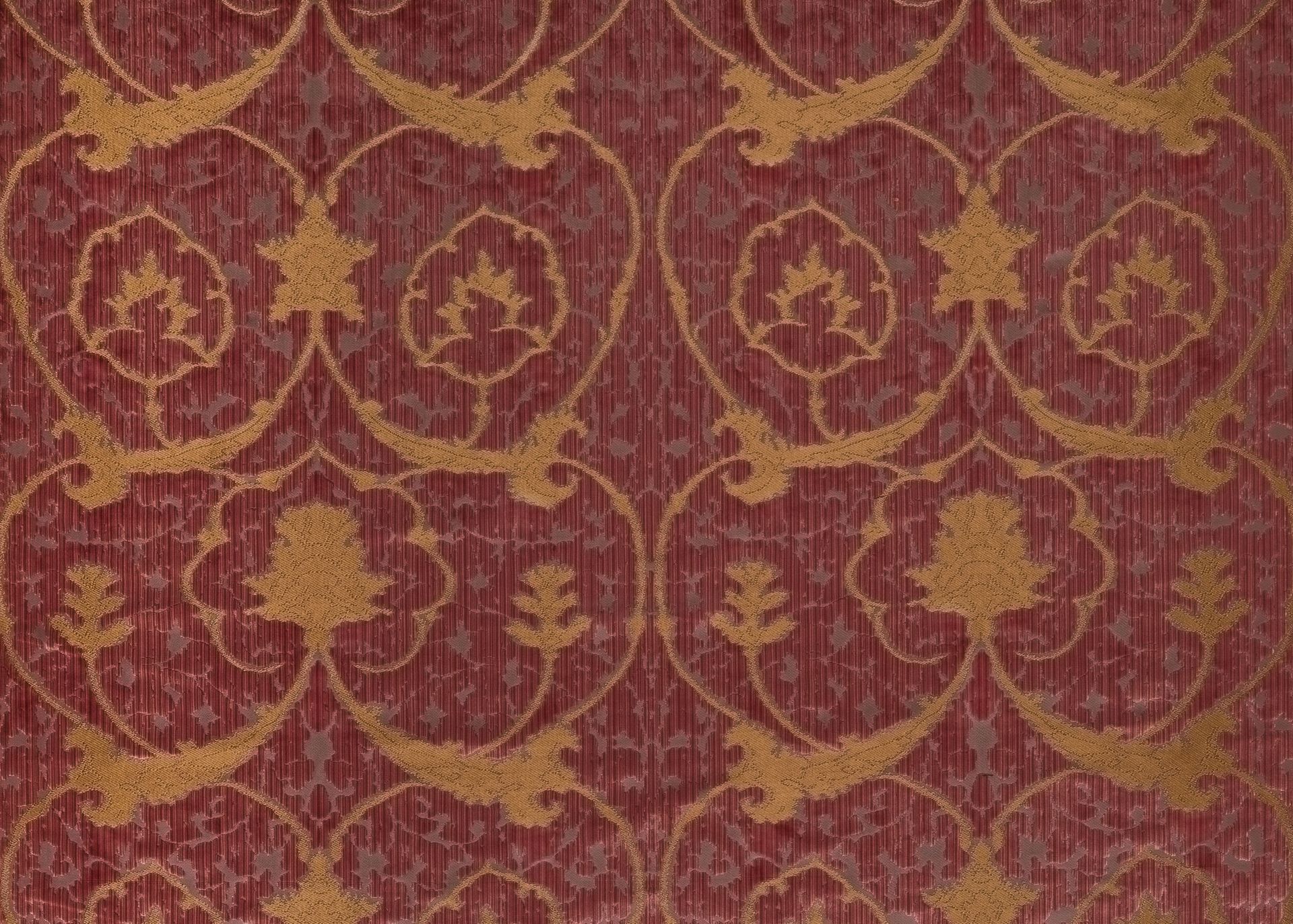
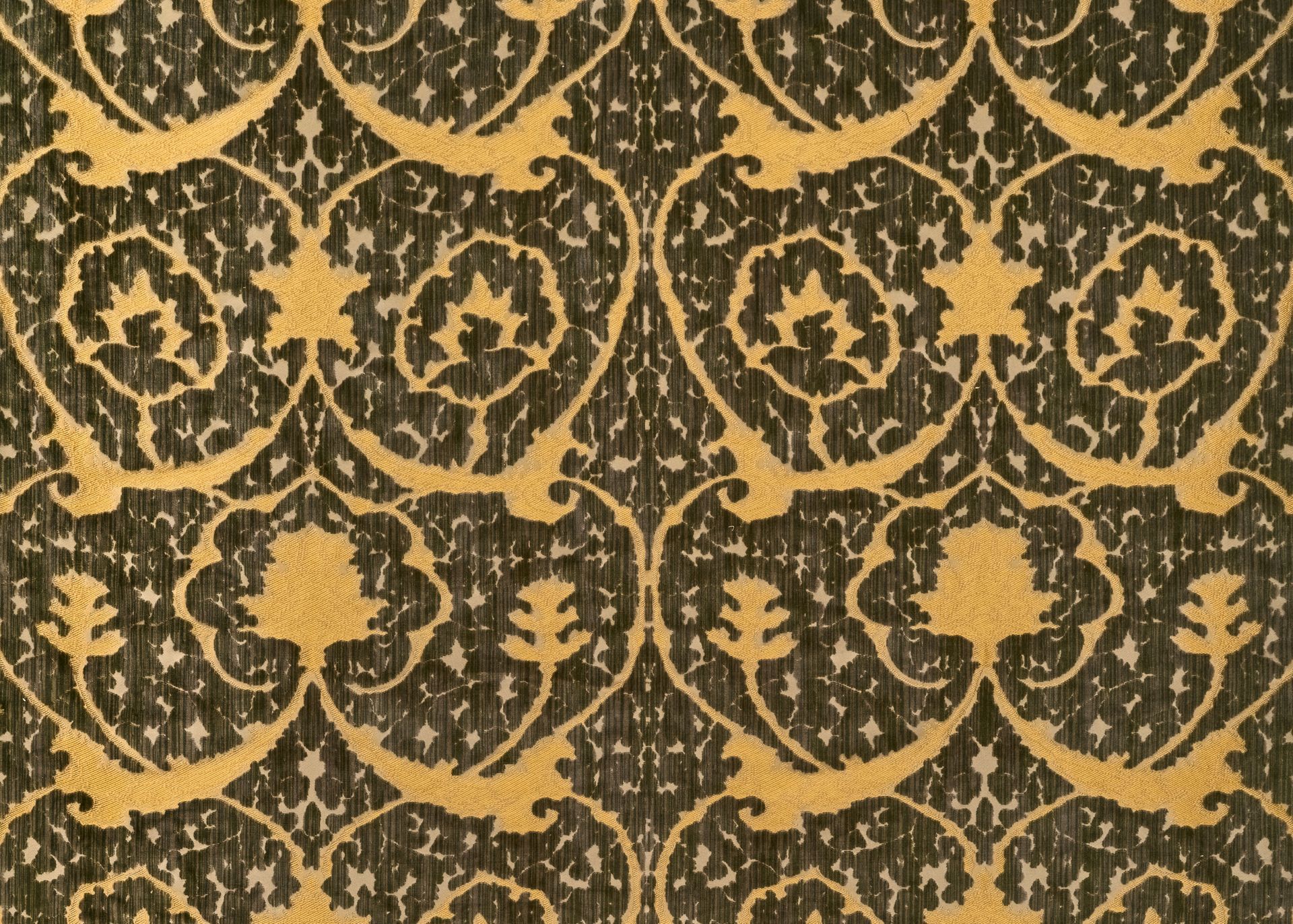
GRID 3162D
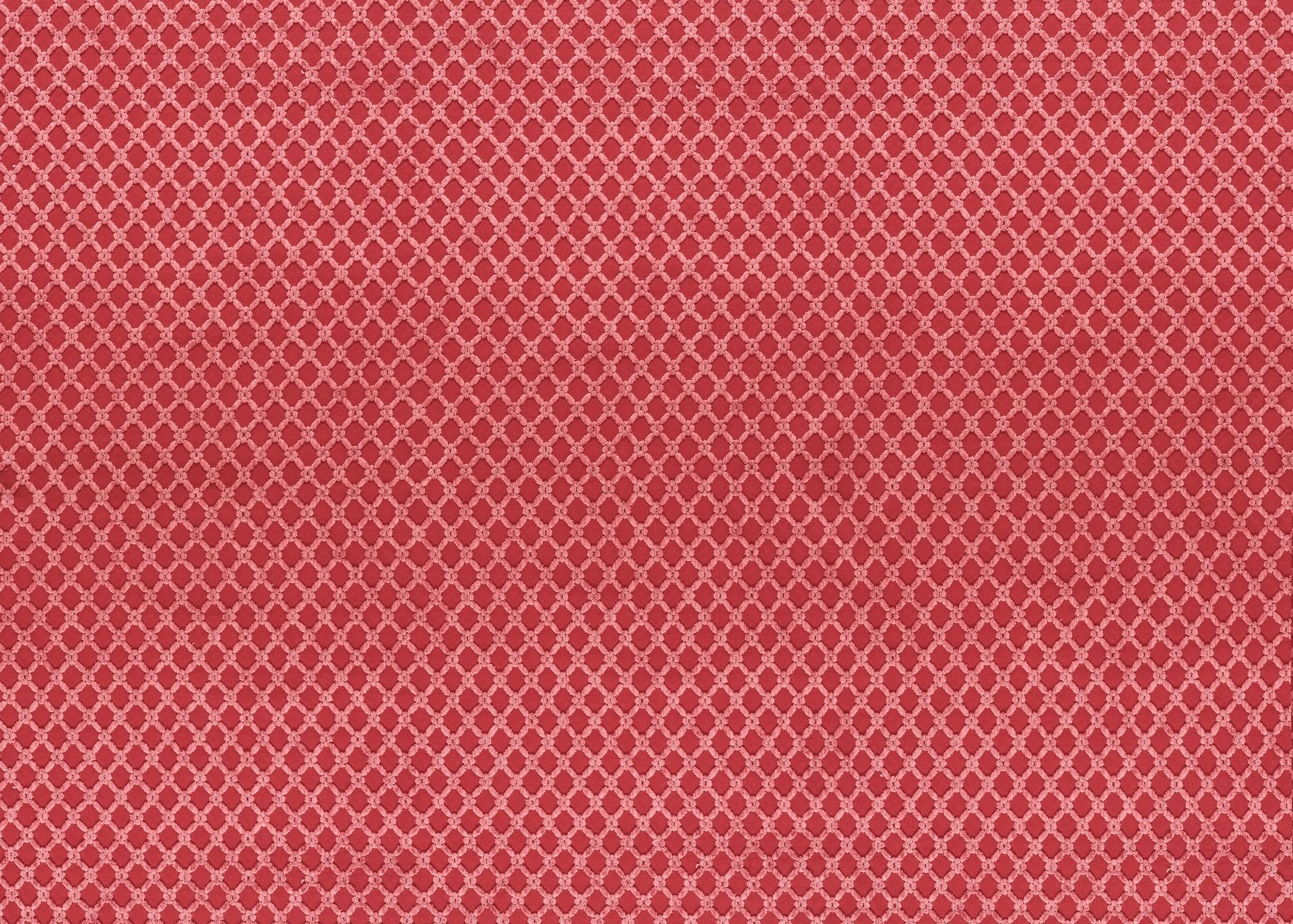
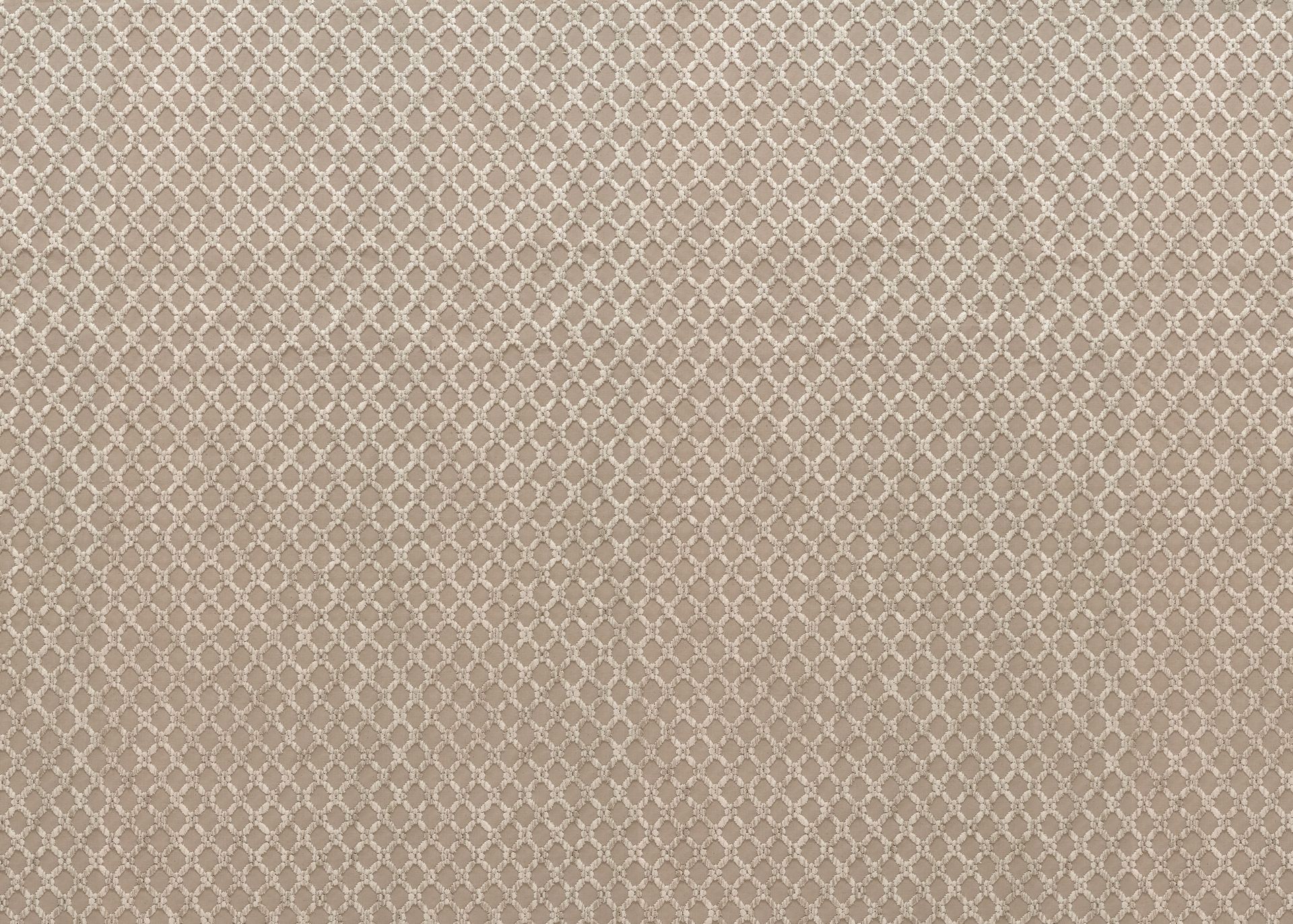
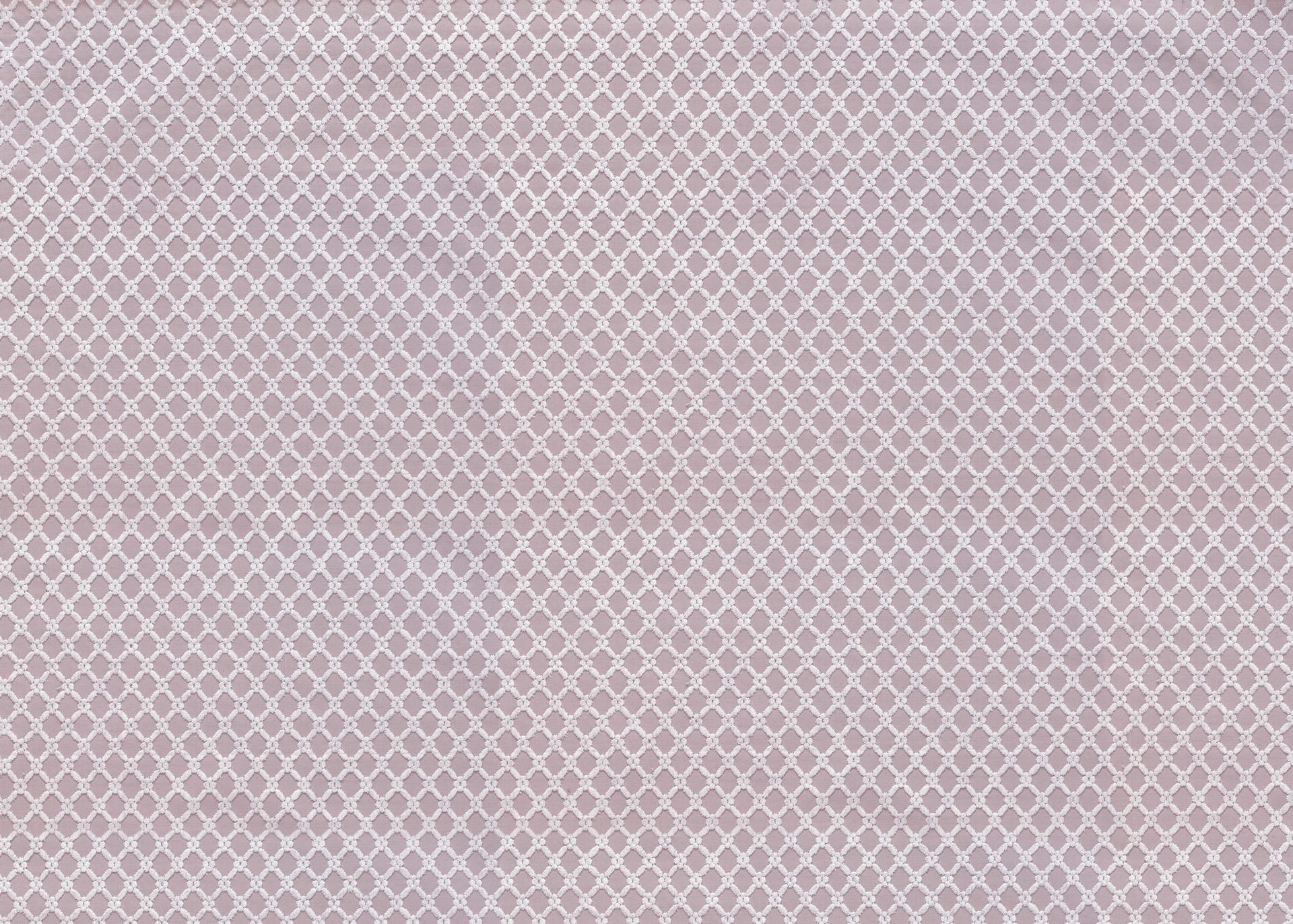
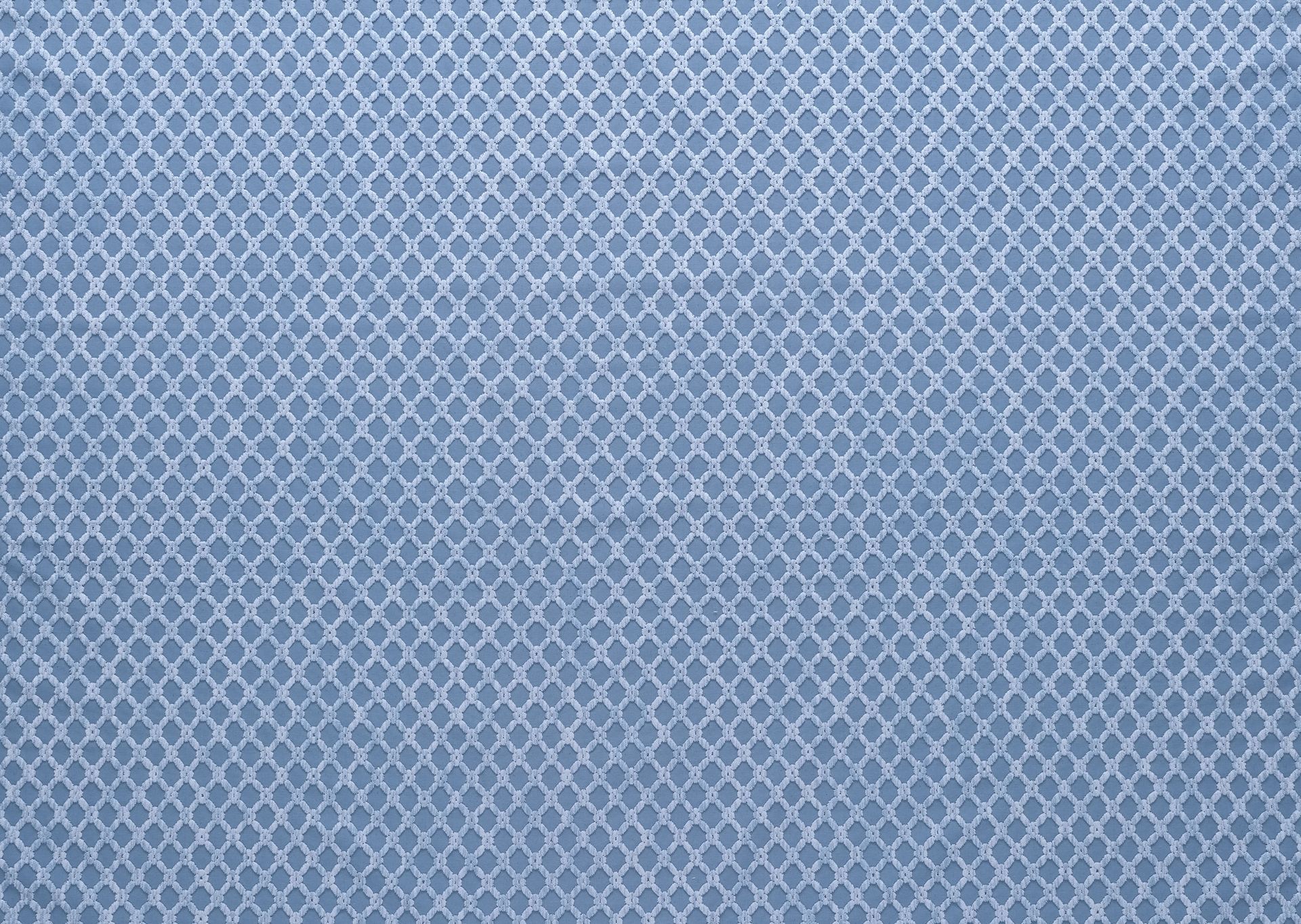
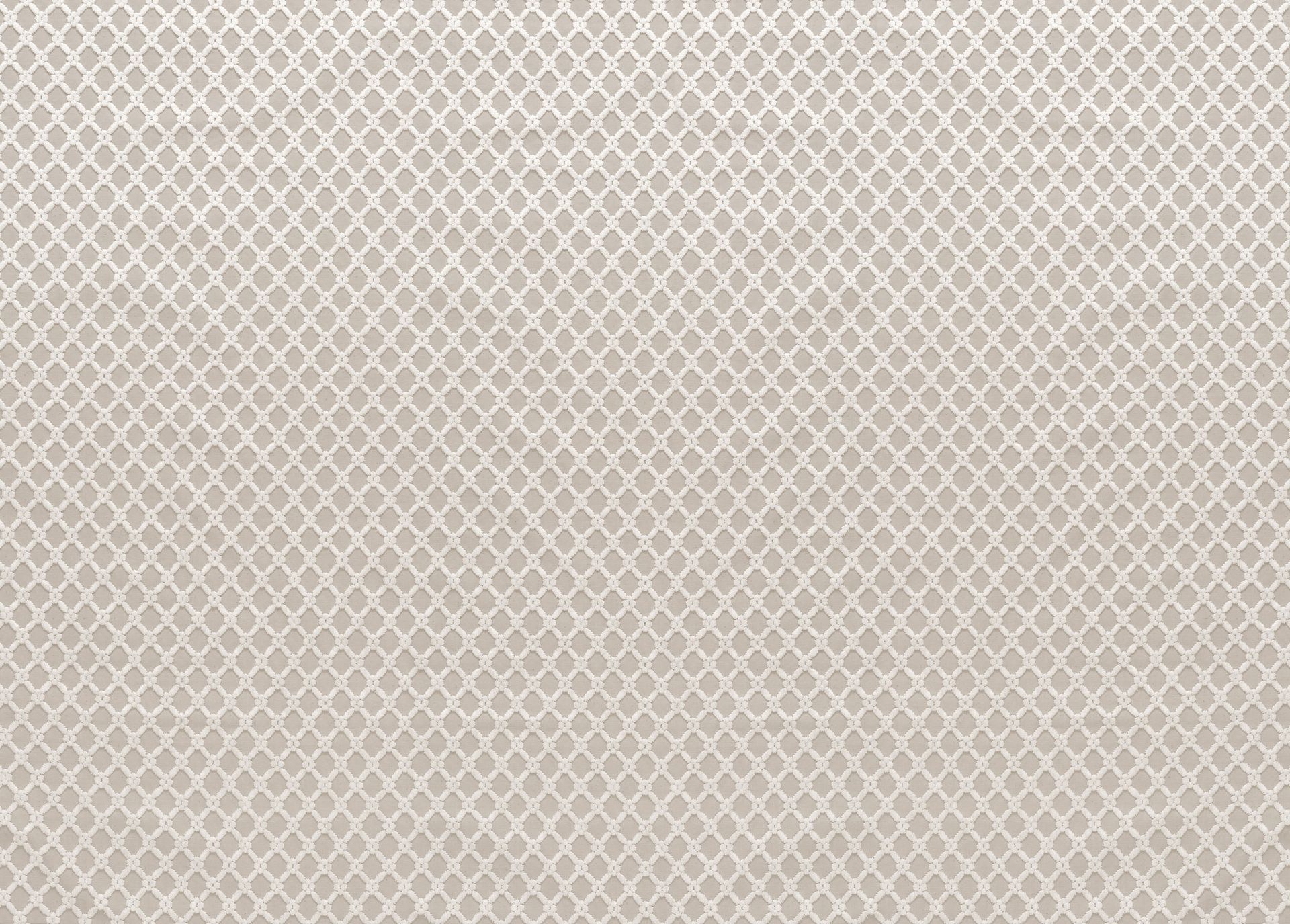
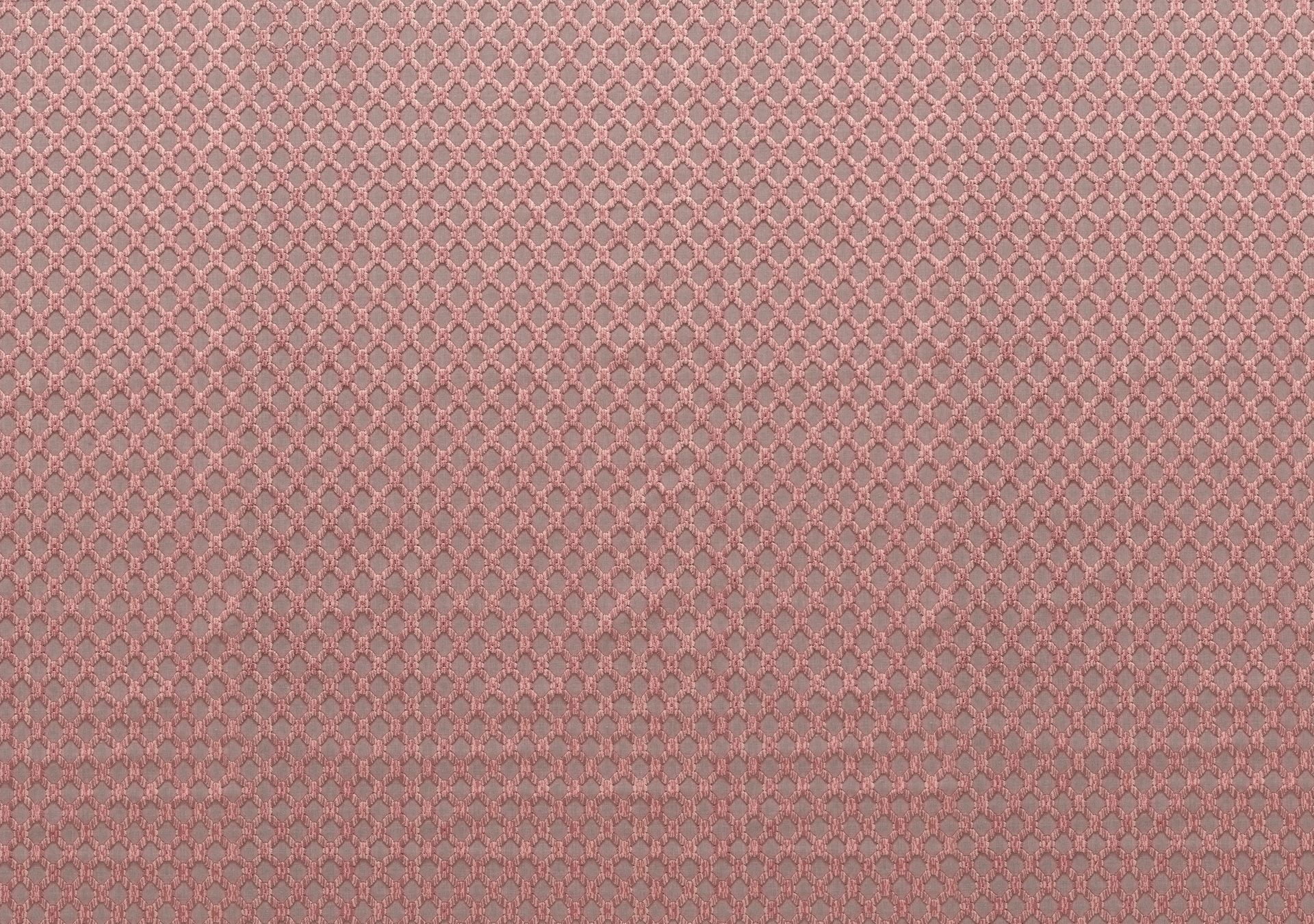
GRILLE 3162S
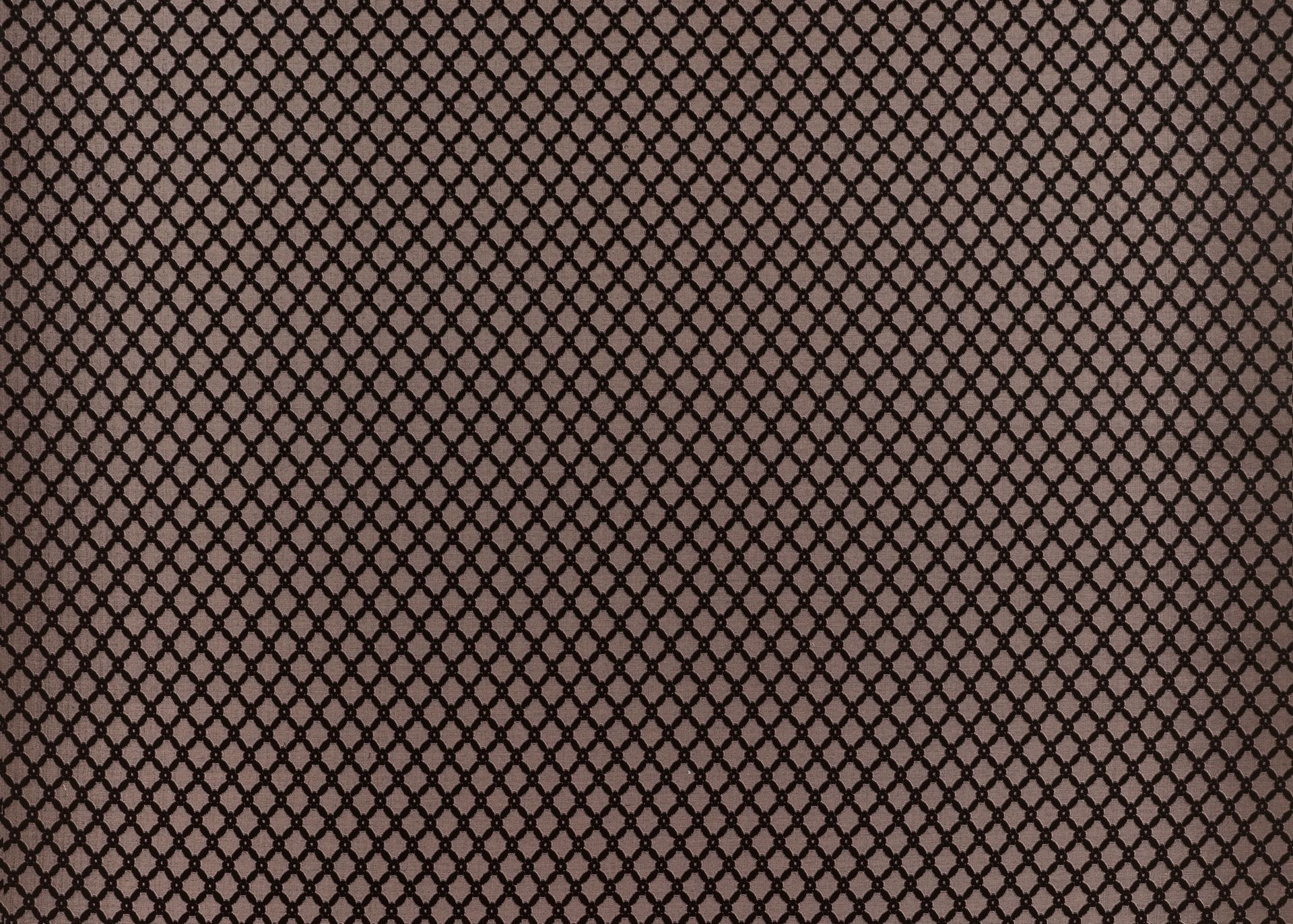
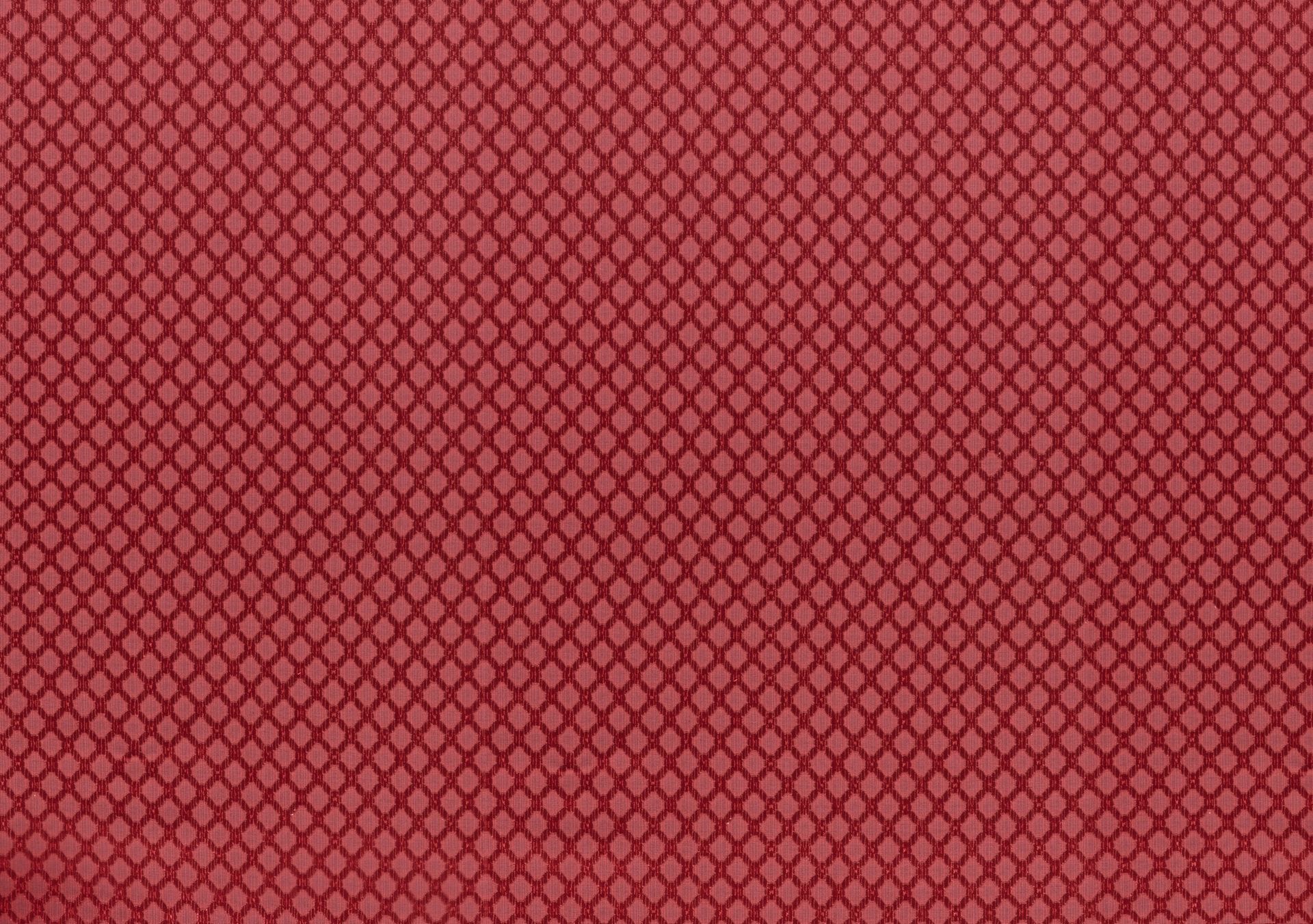
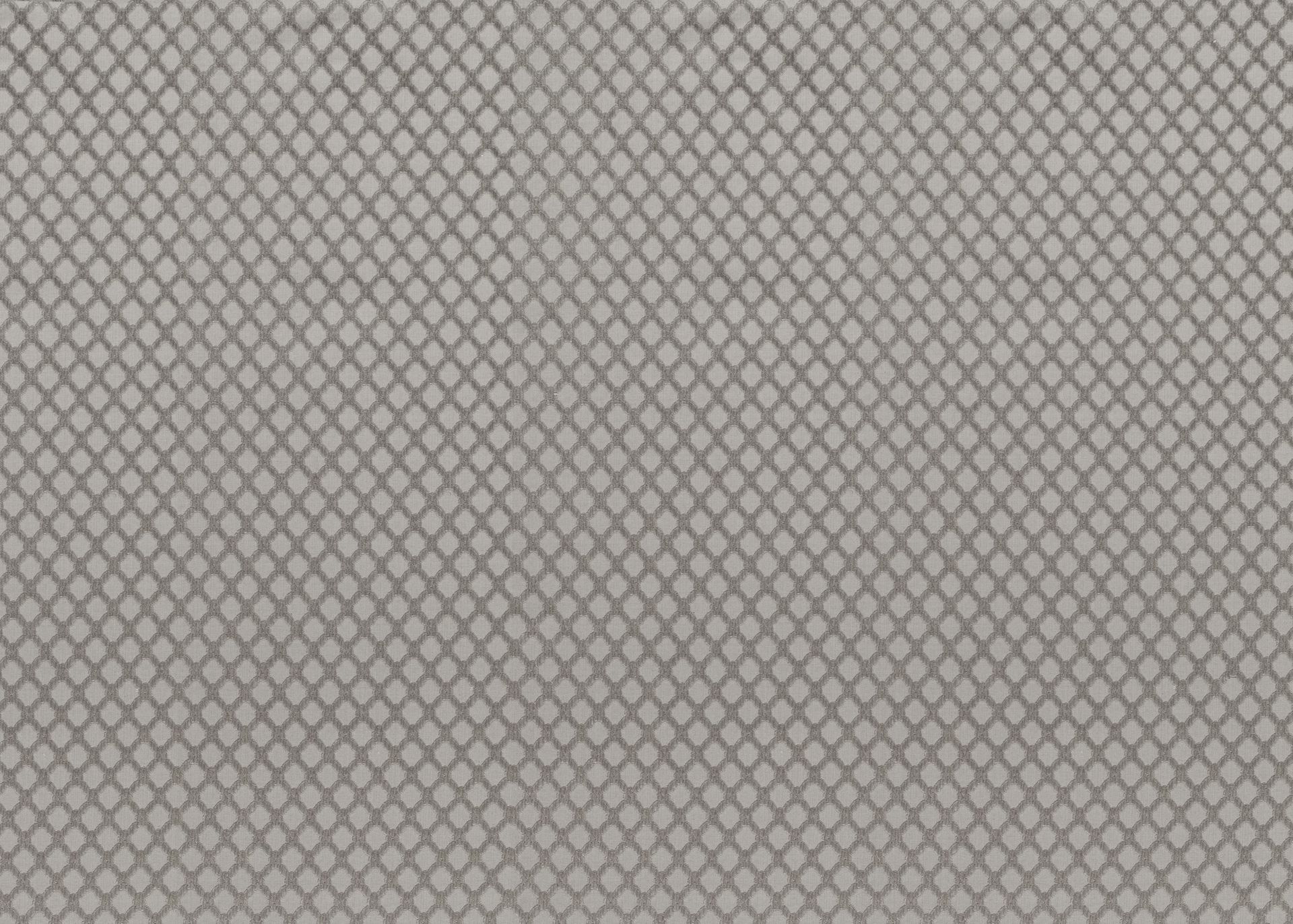
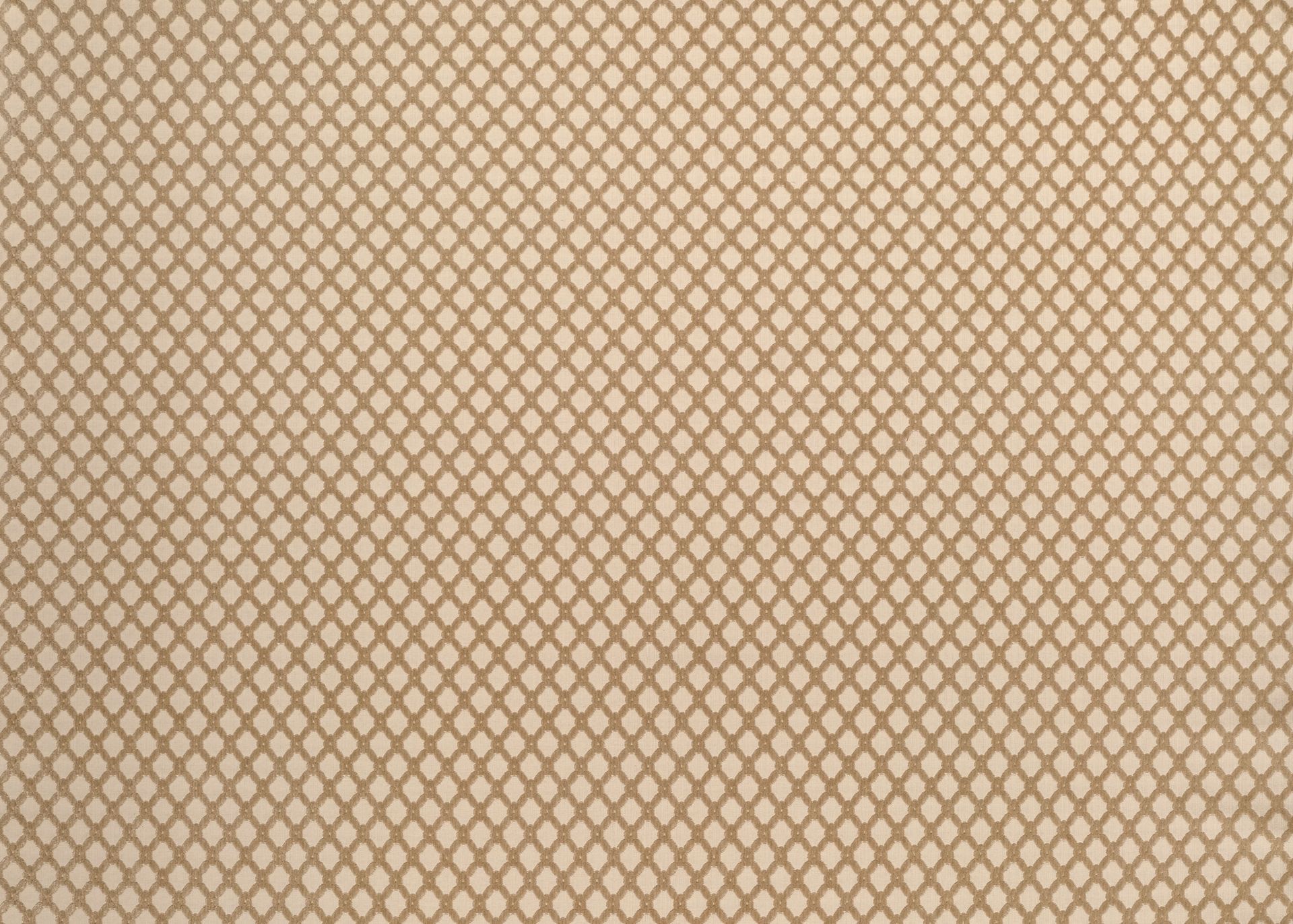
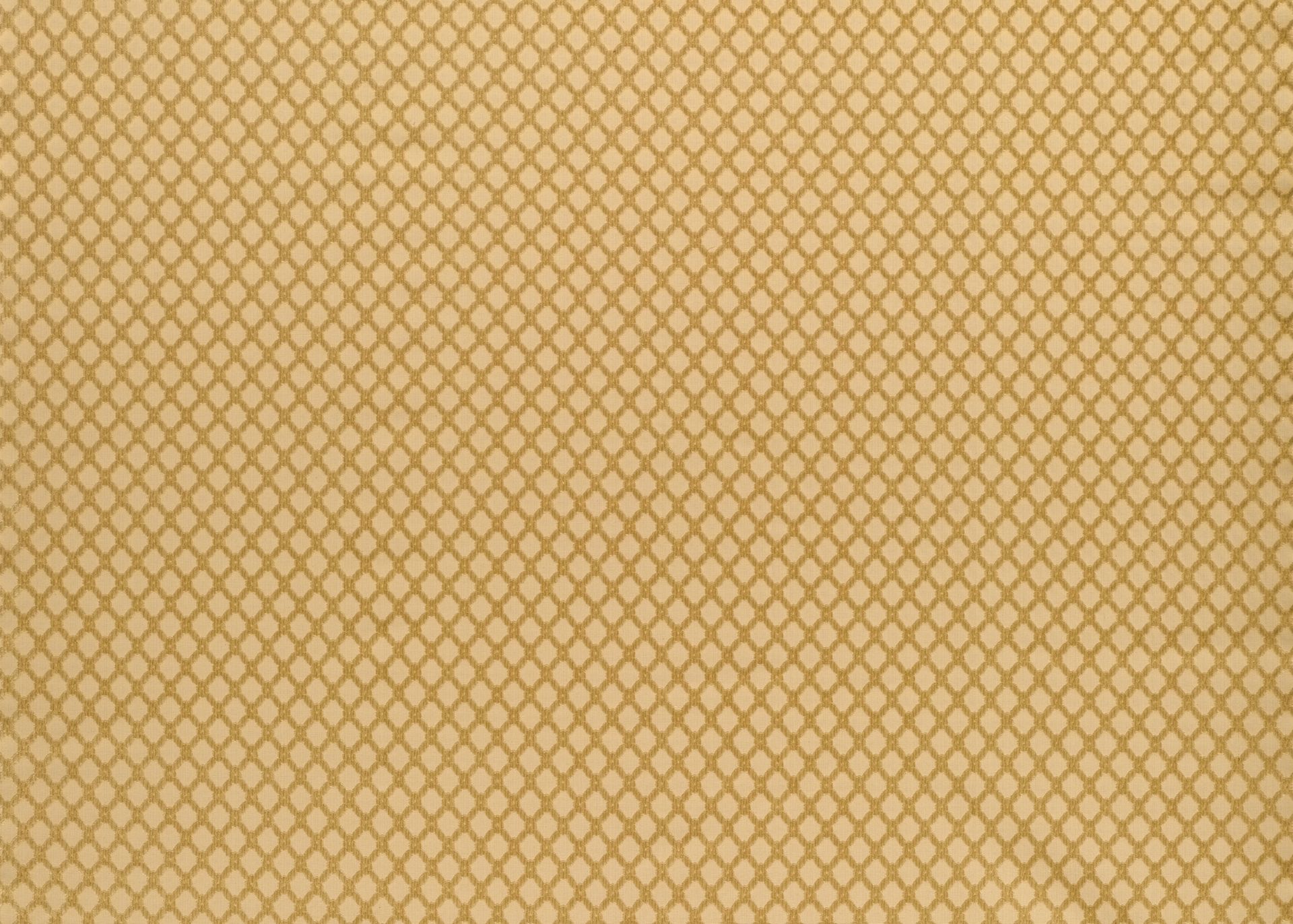
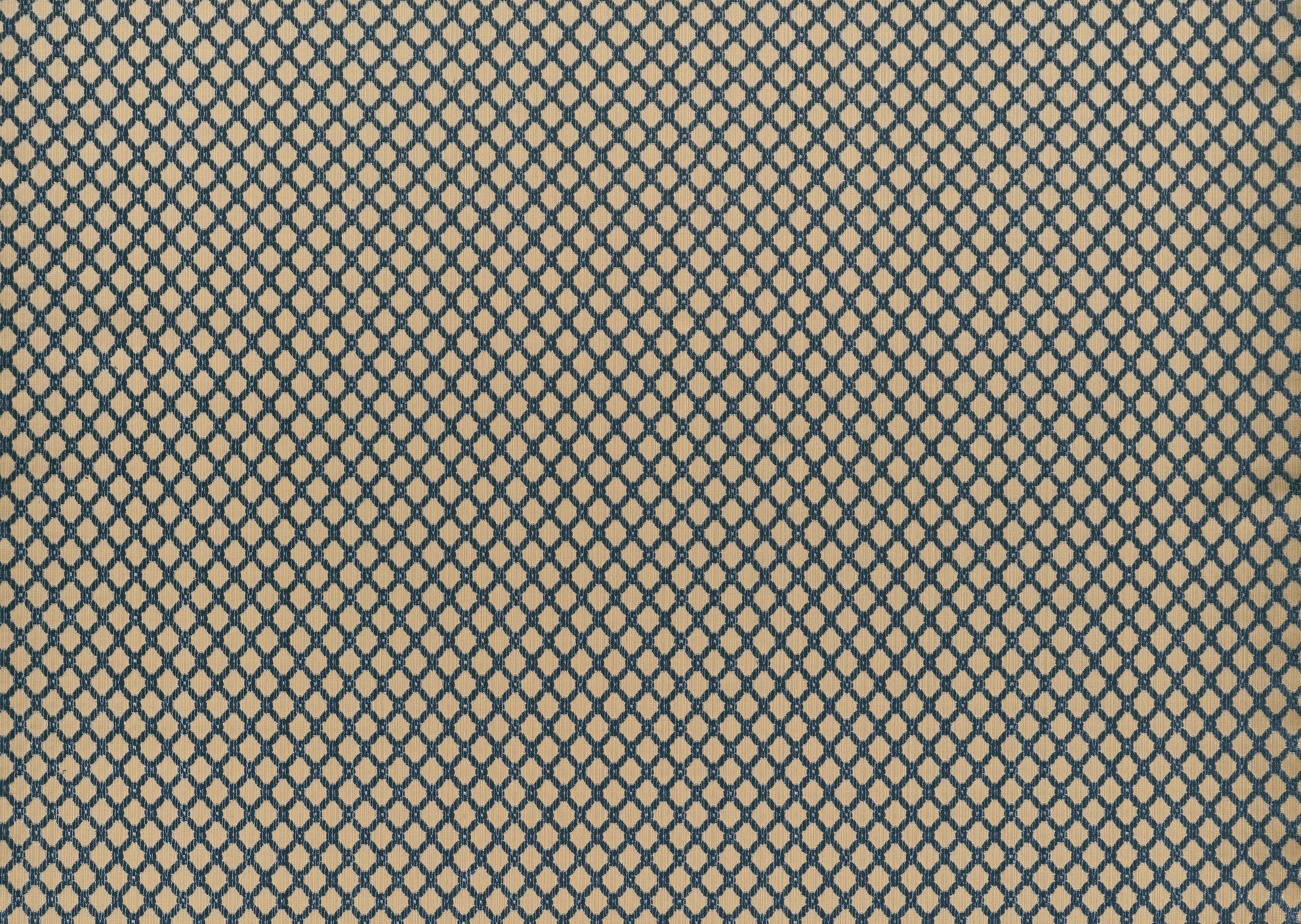
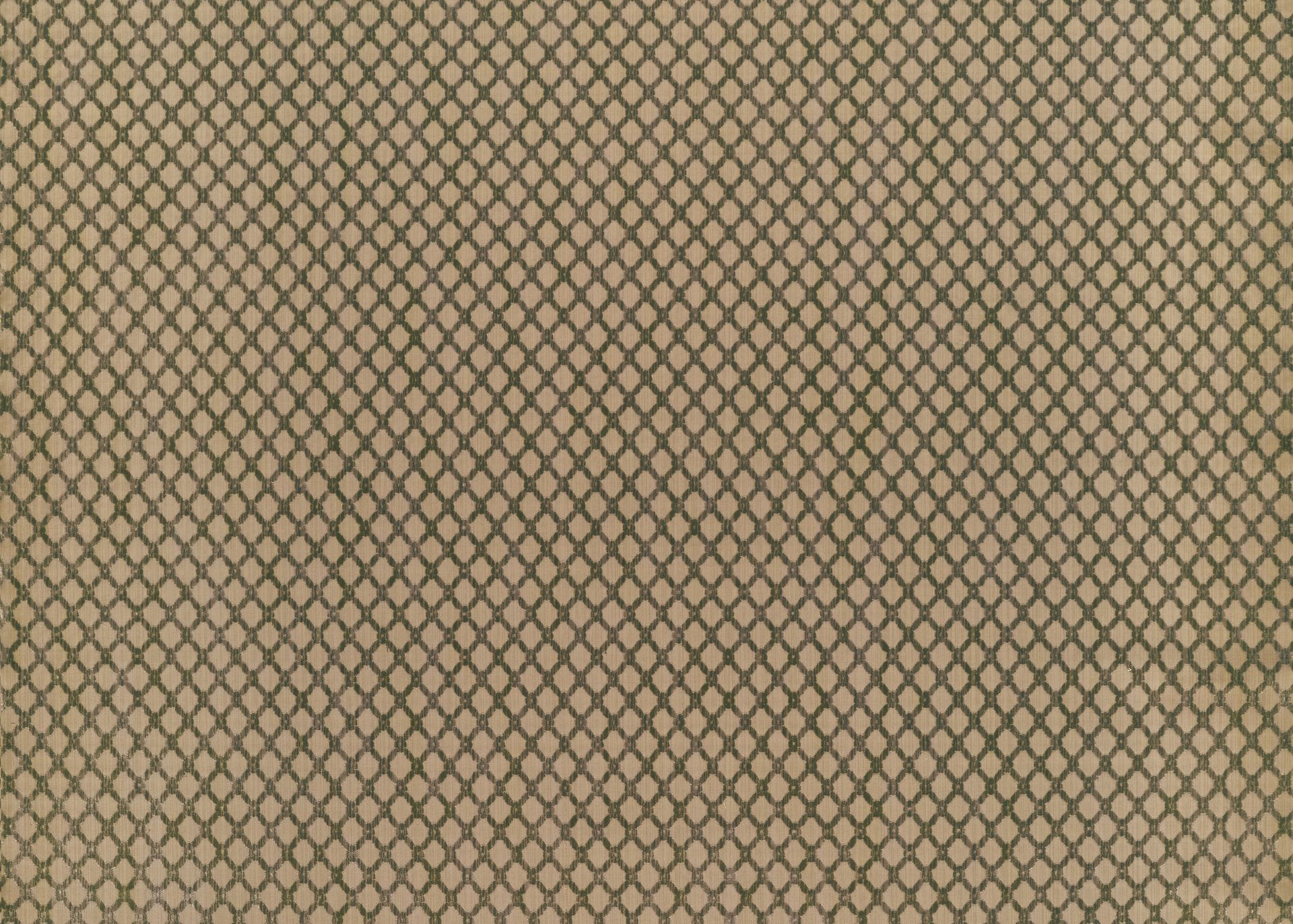
GROTESQUES 3135
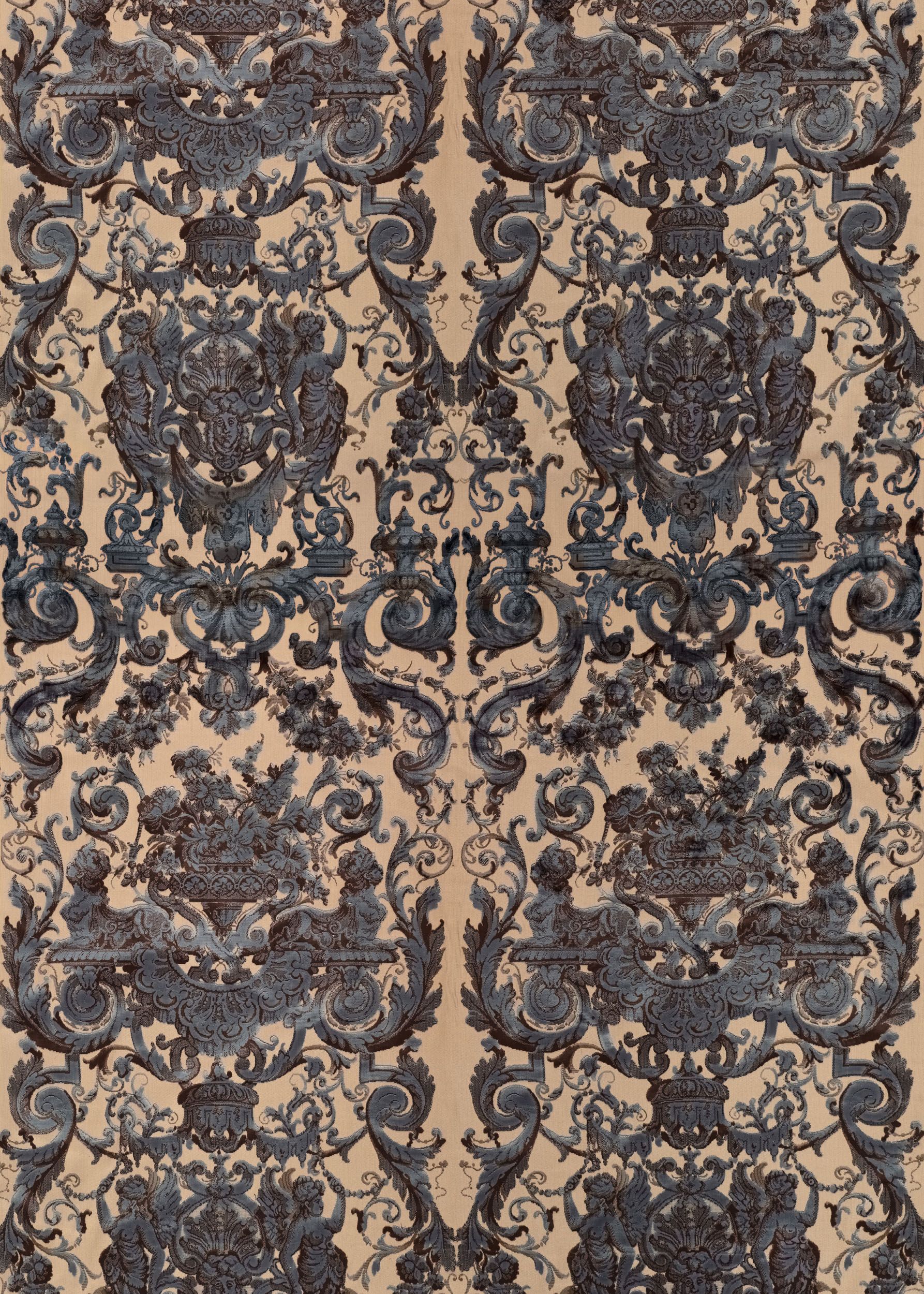

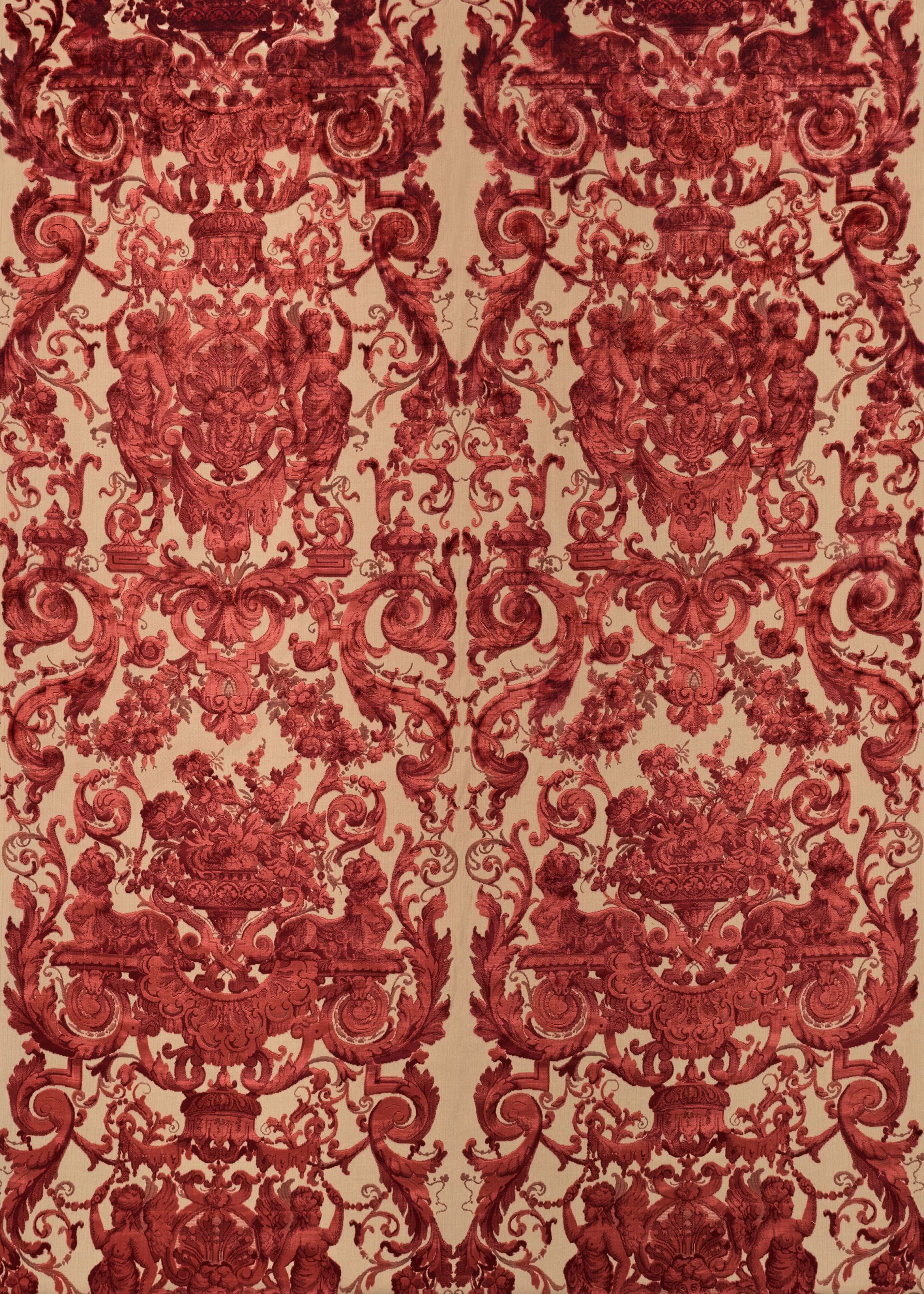
LANCE' 3370S
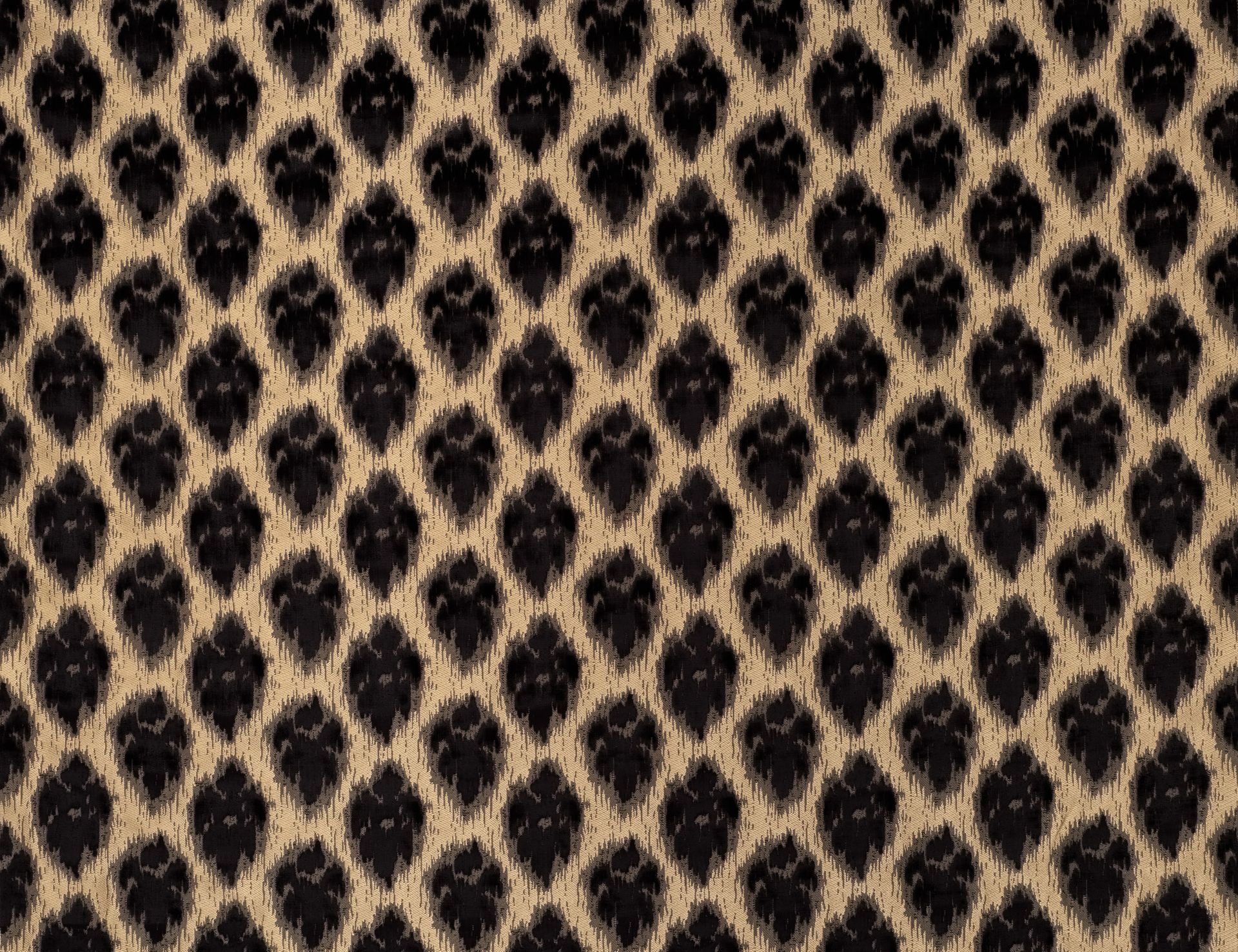
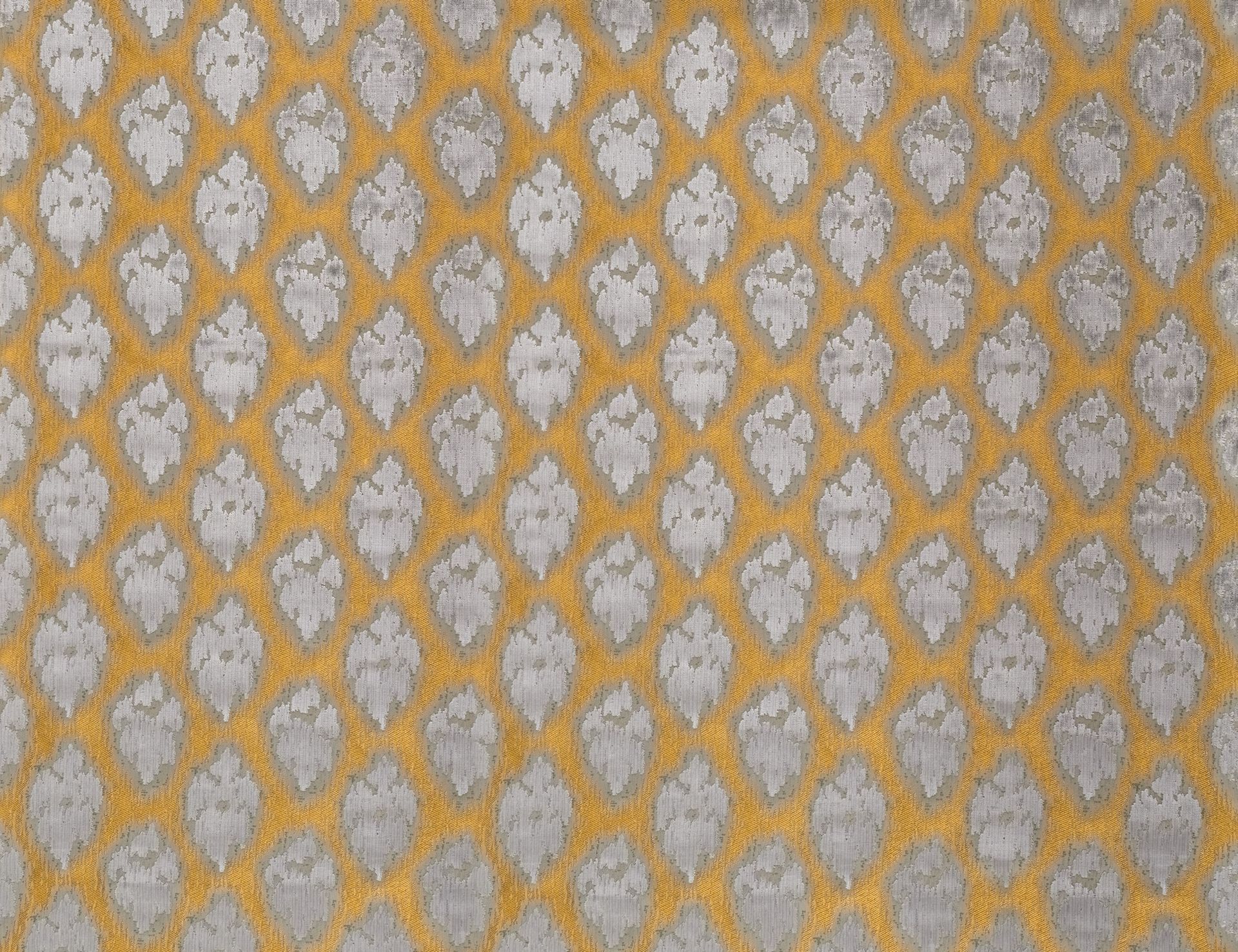
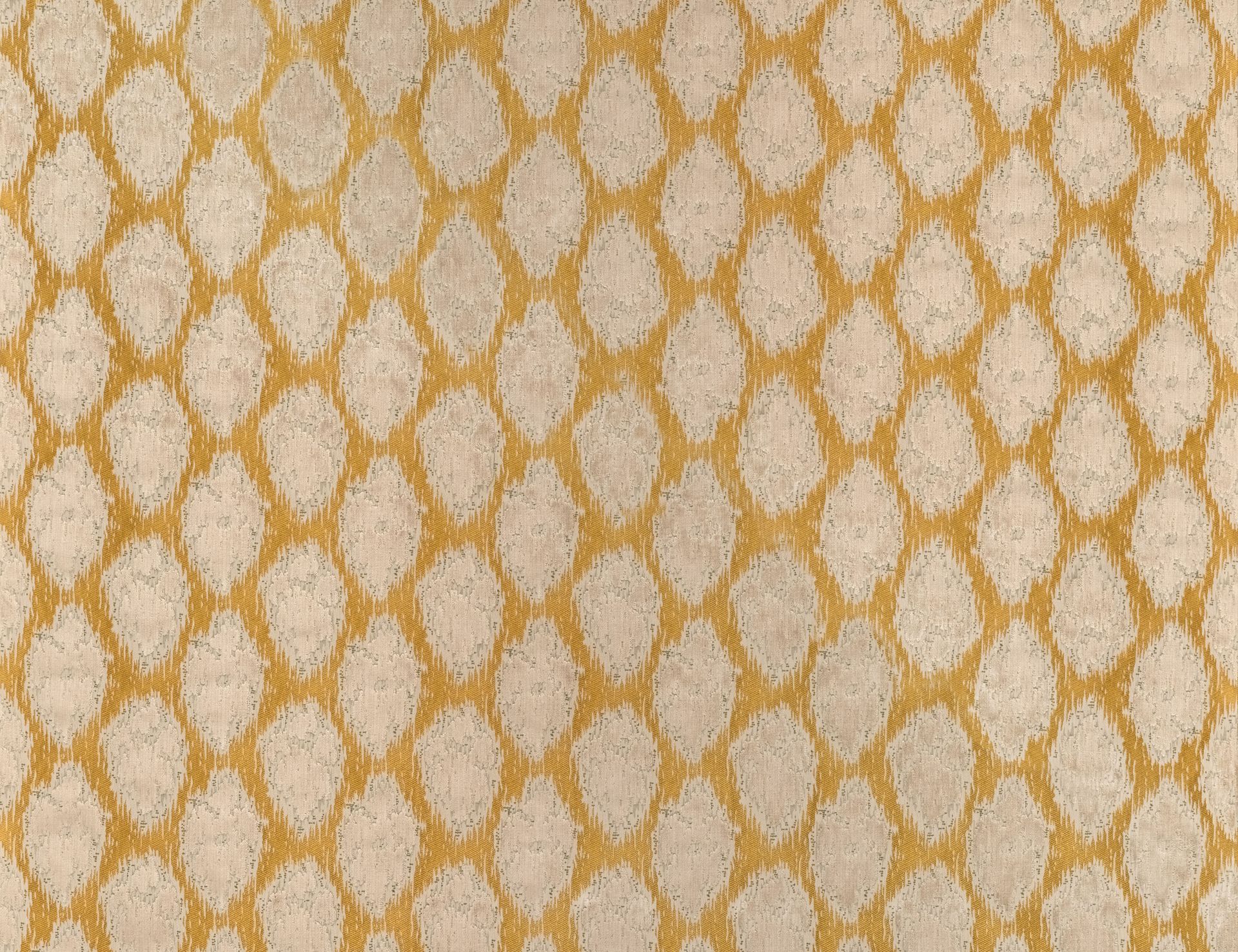
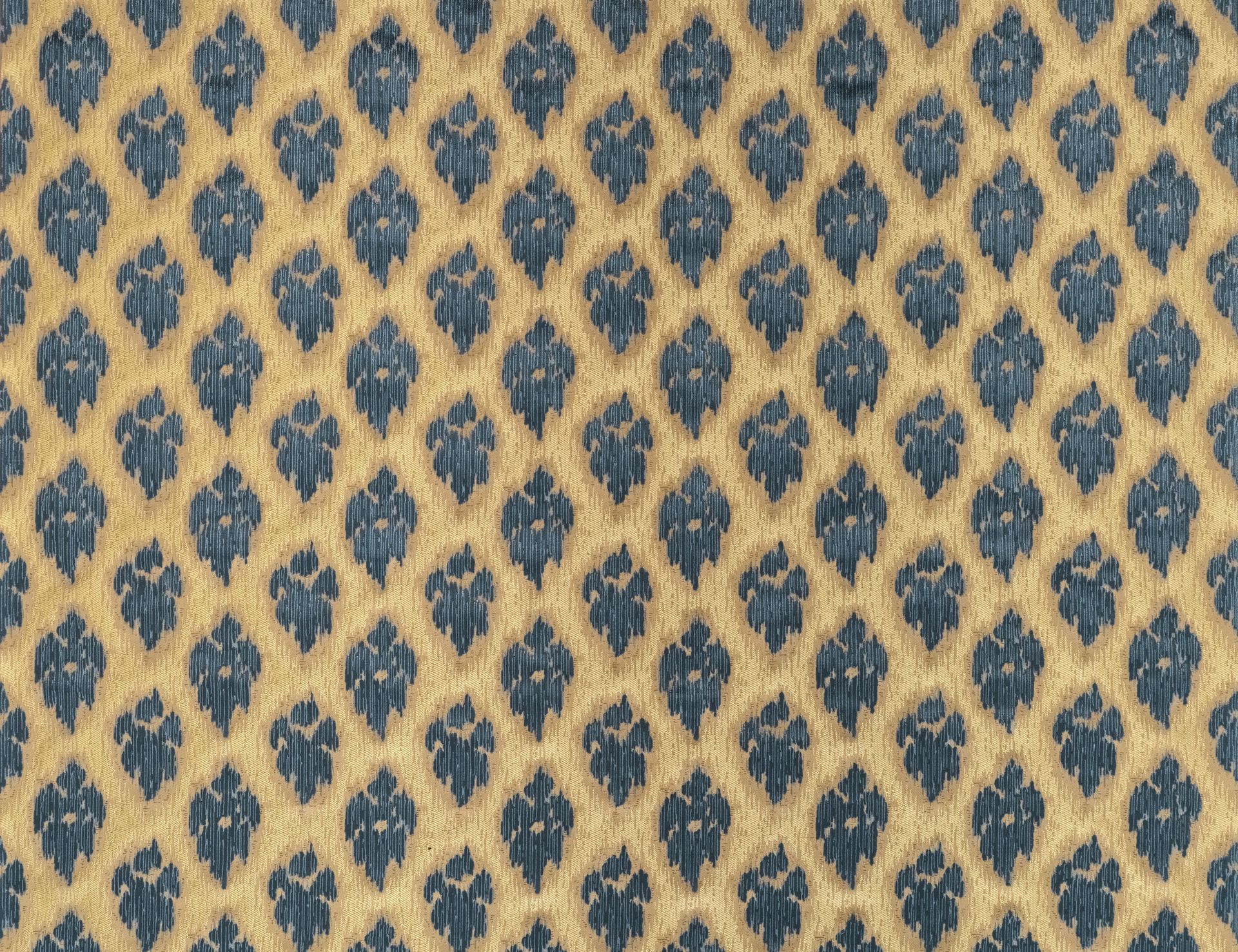
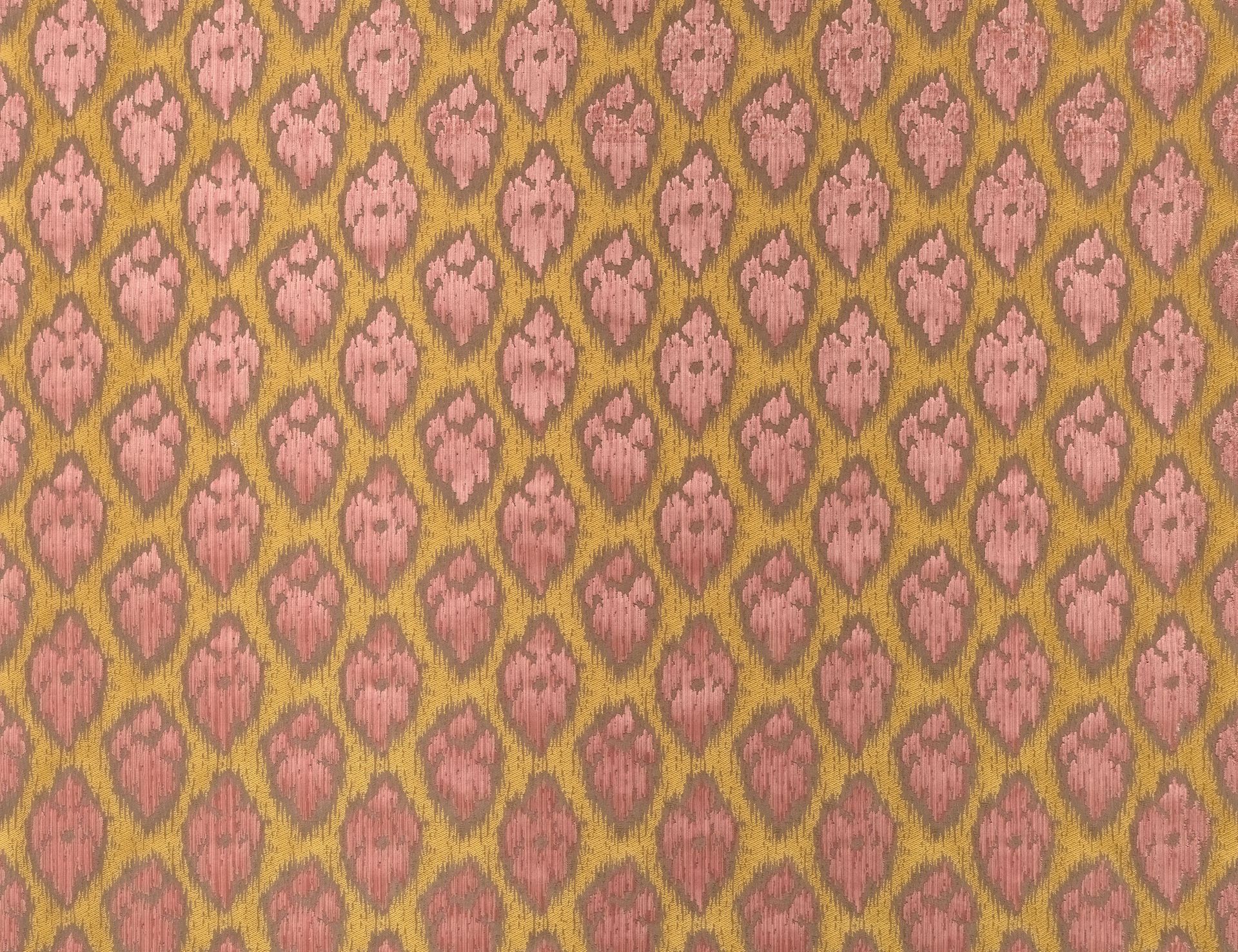
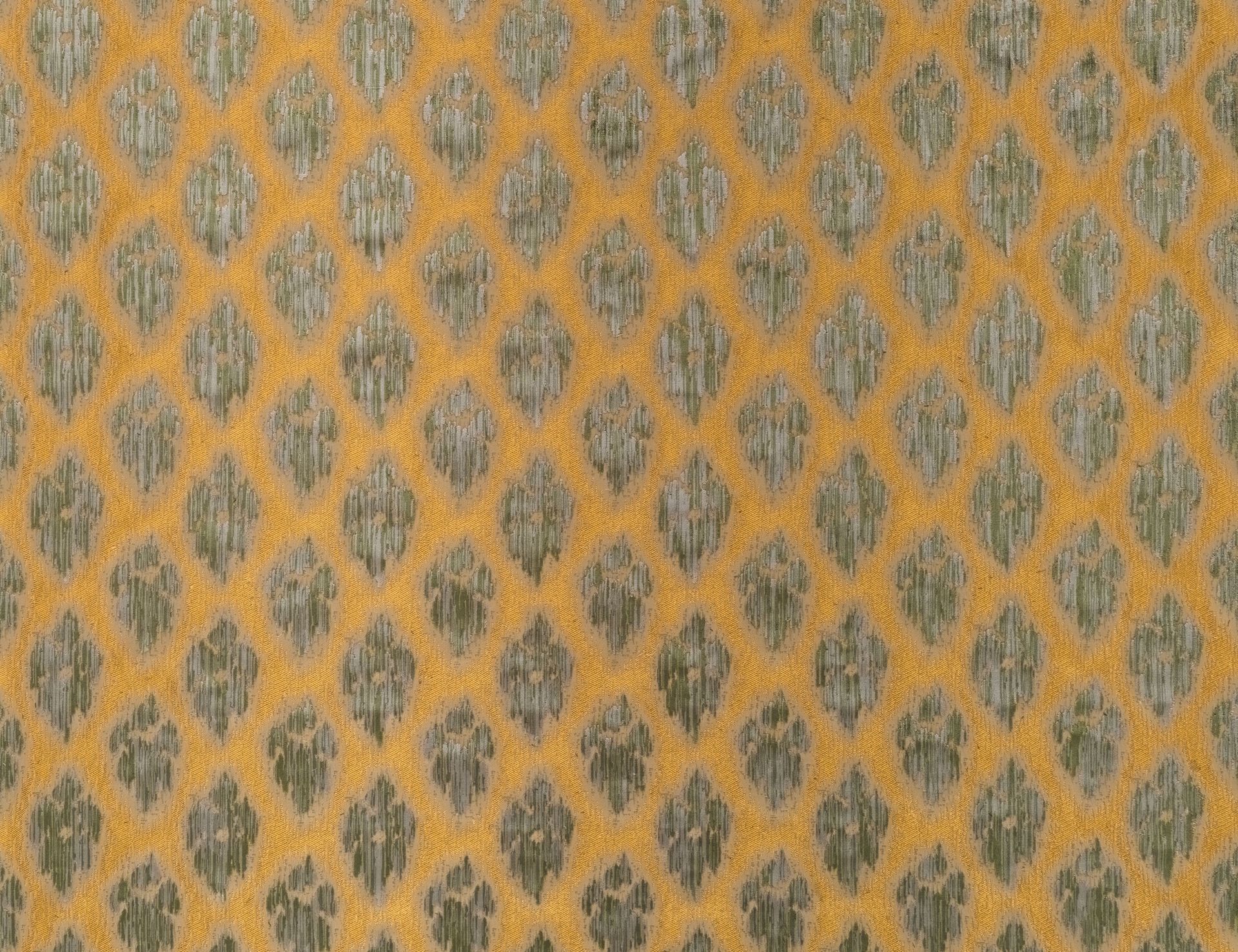
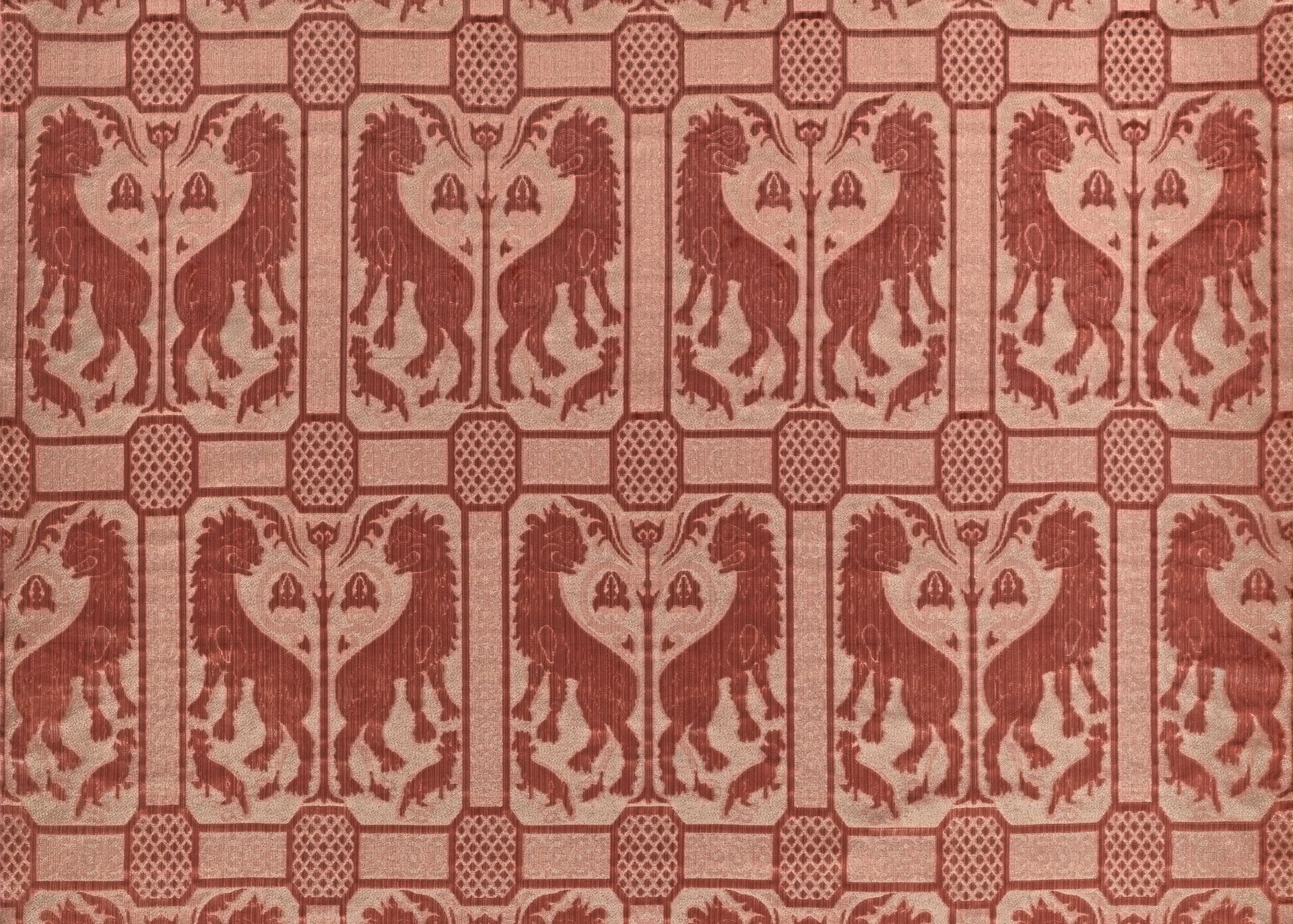
BYZANTINE LIONS 32173S
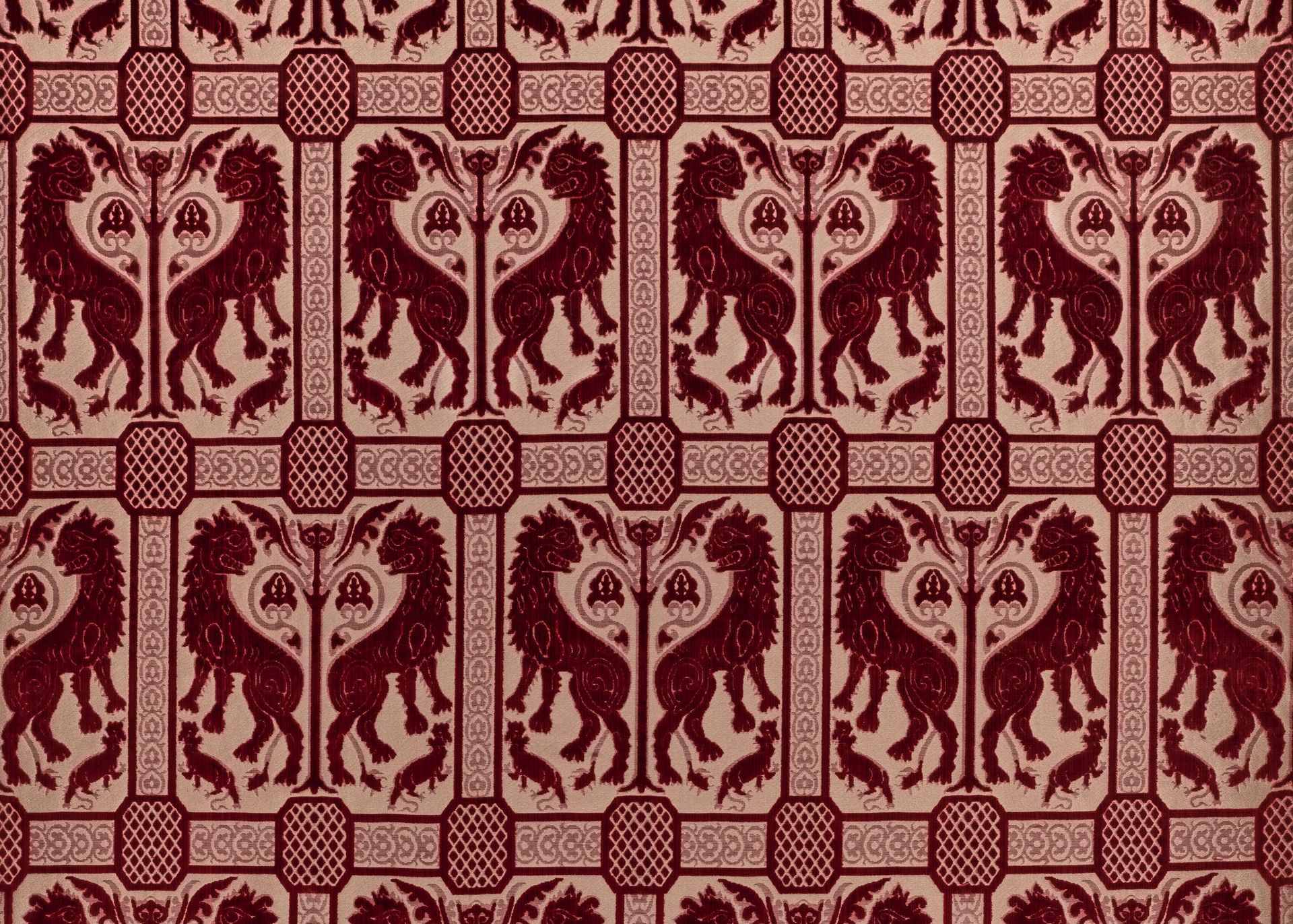
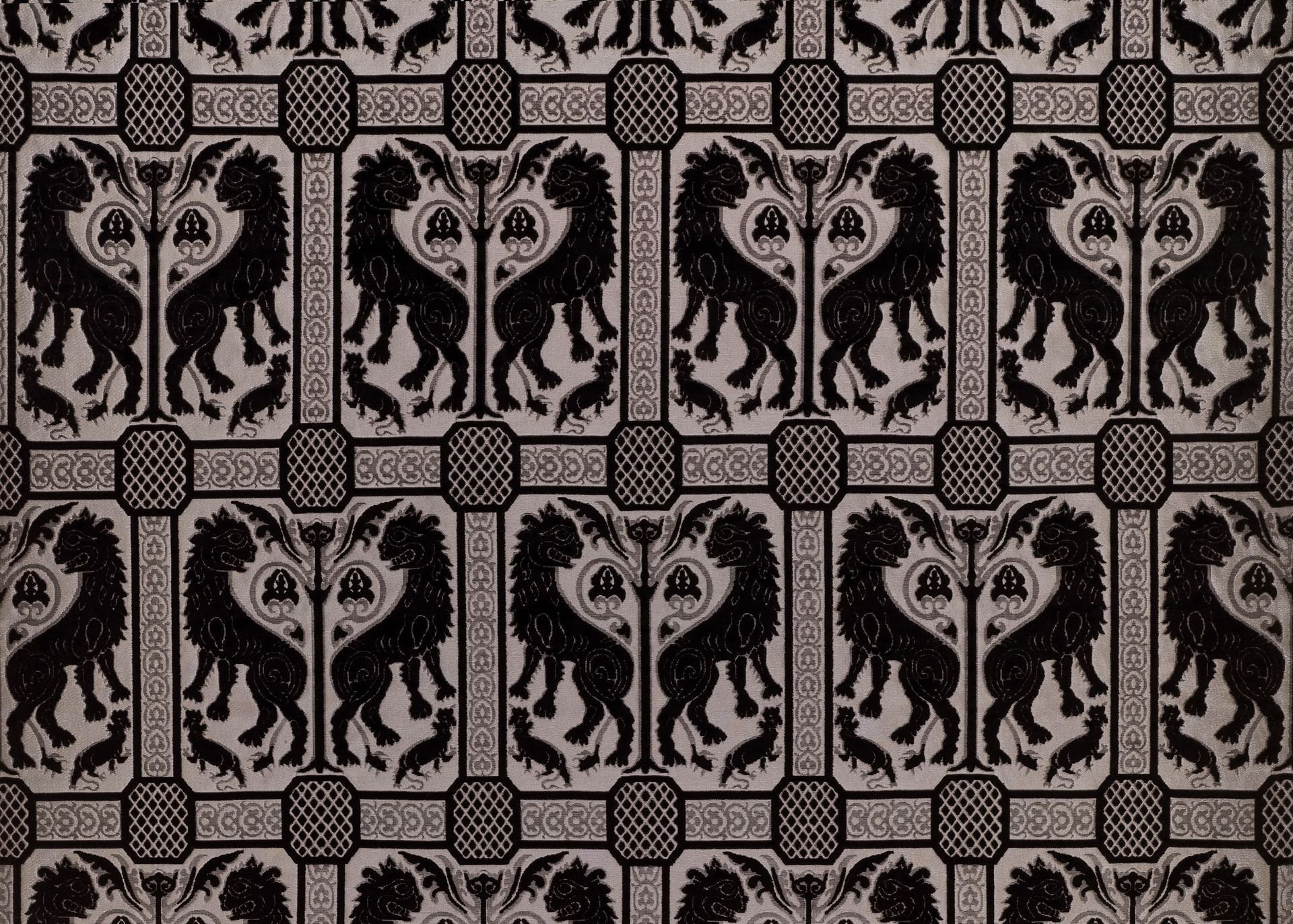
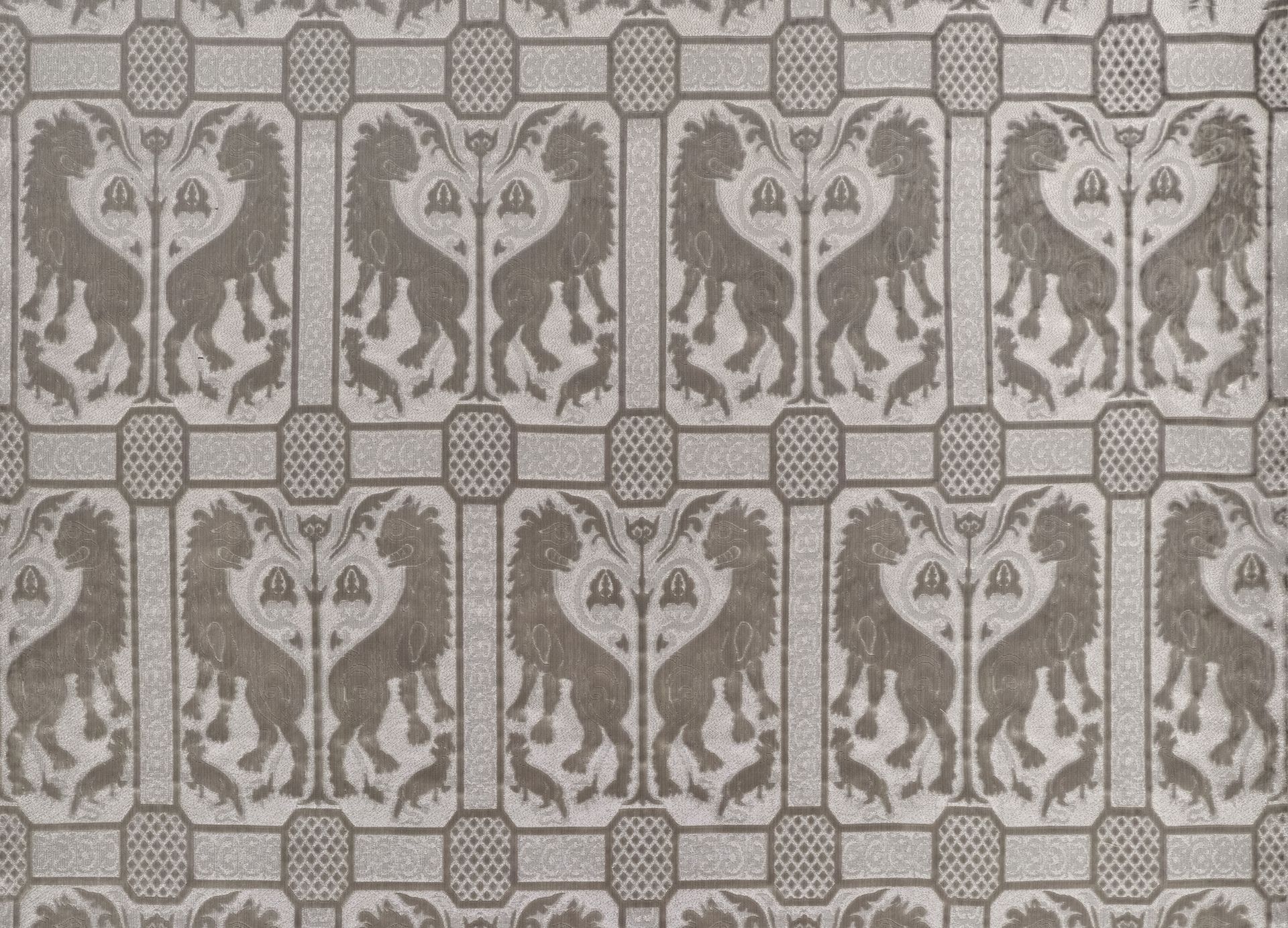
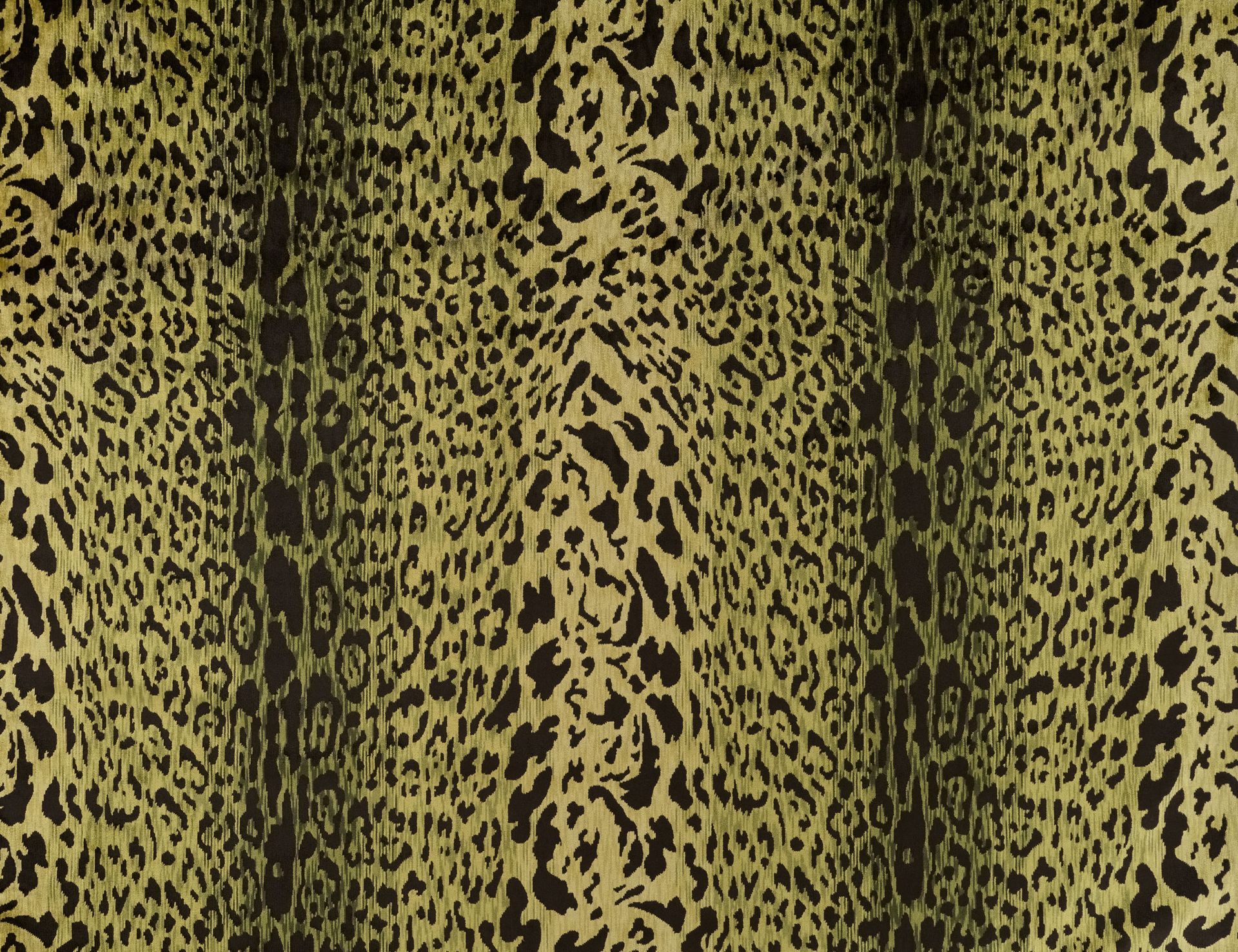
LEOPARD 440
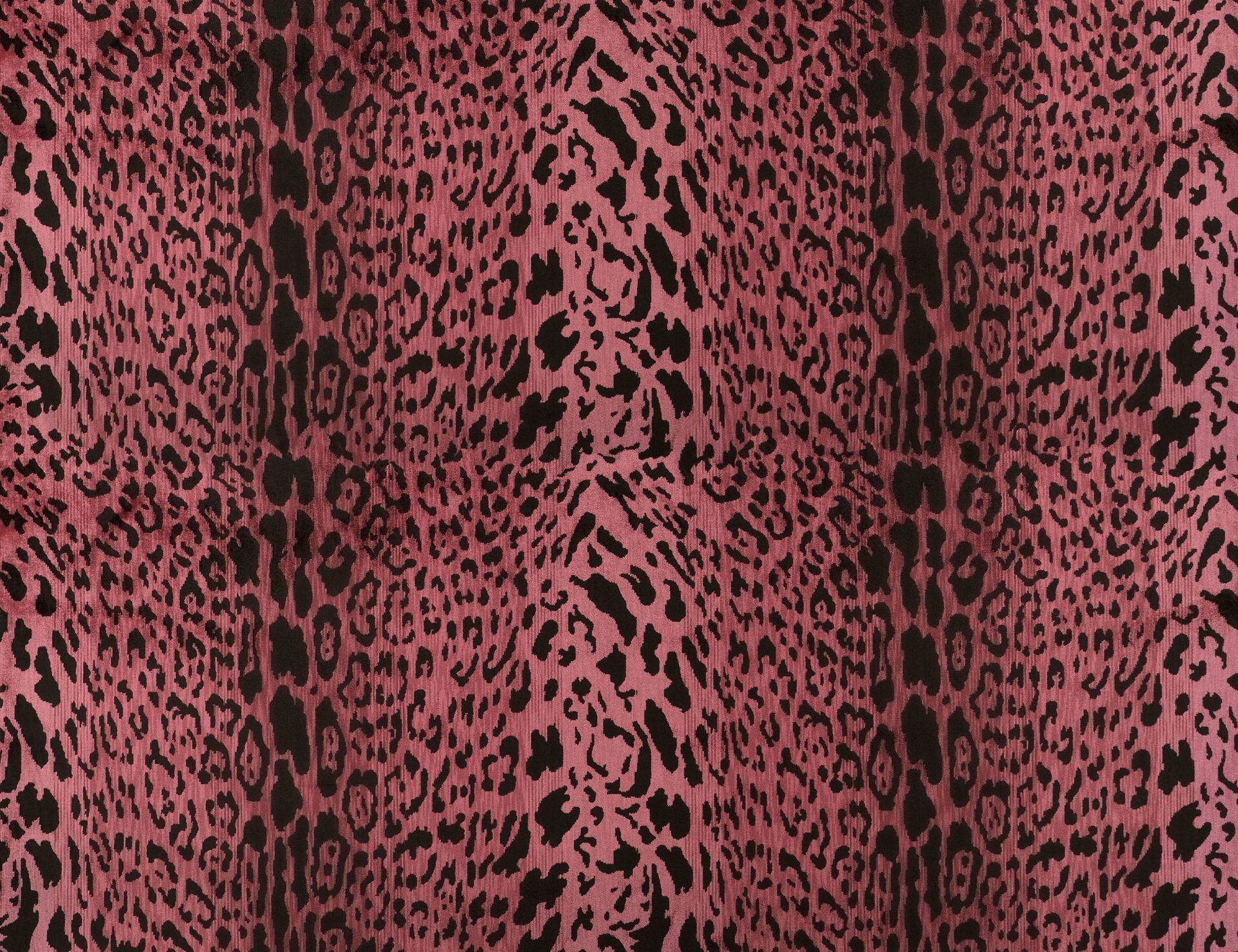
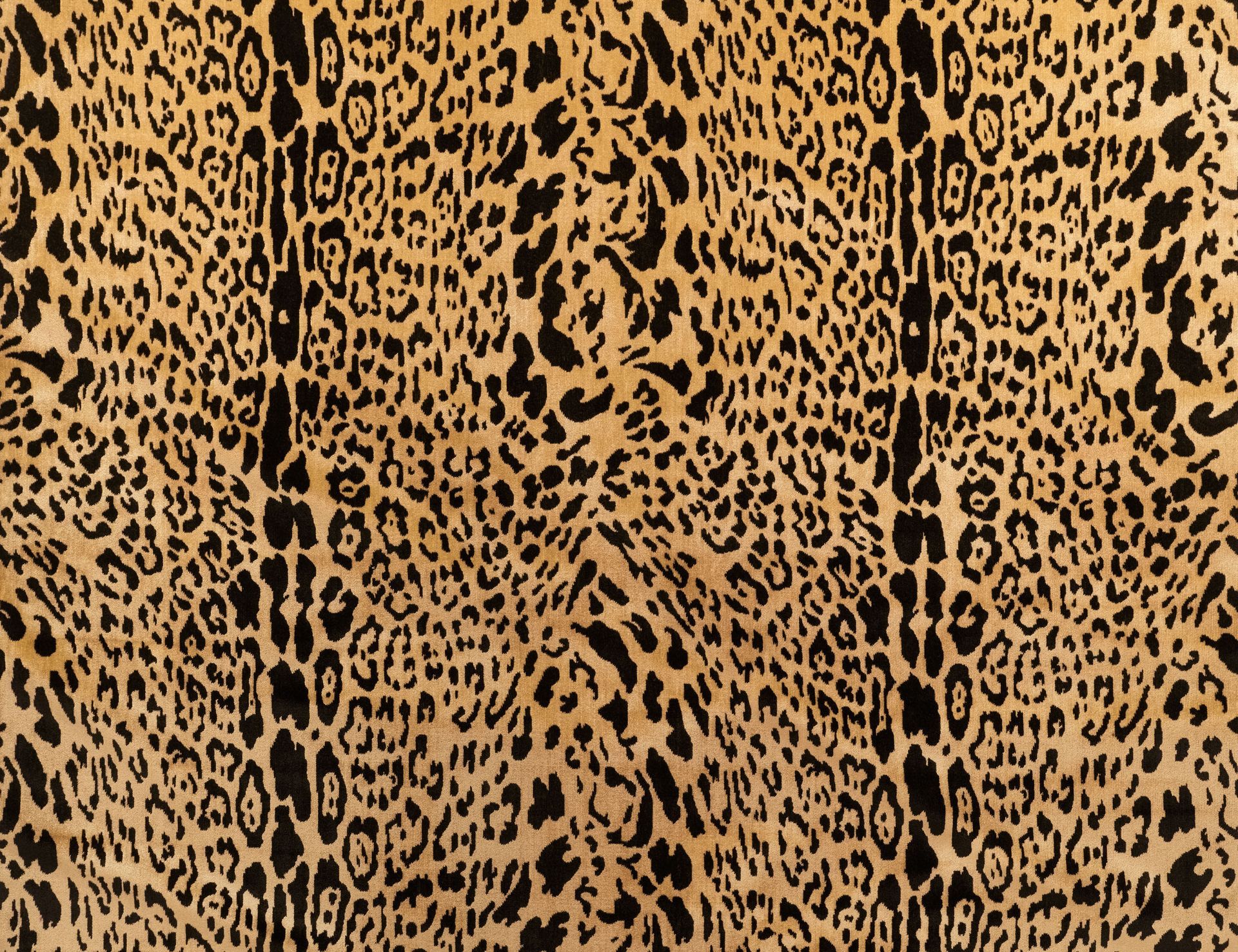
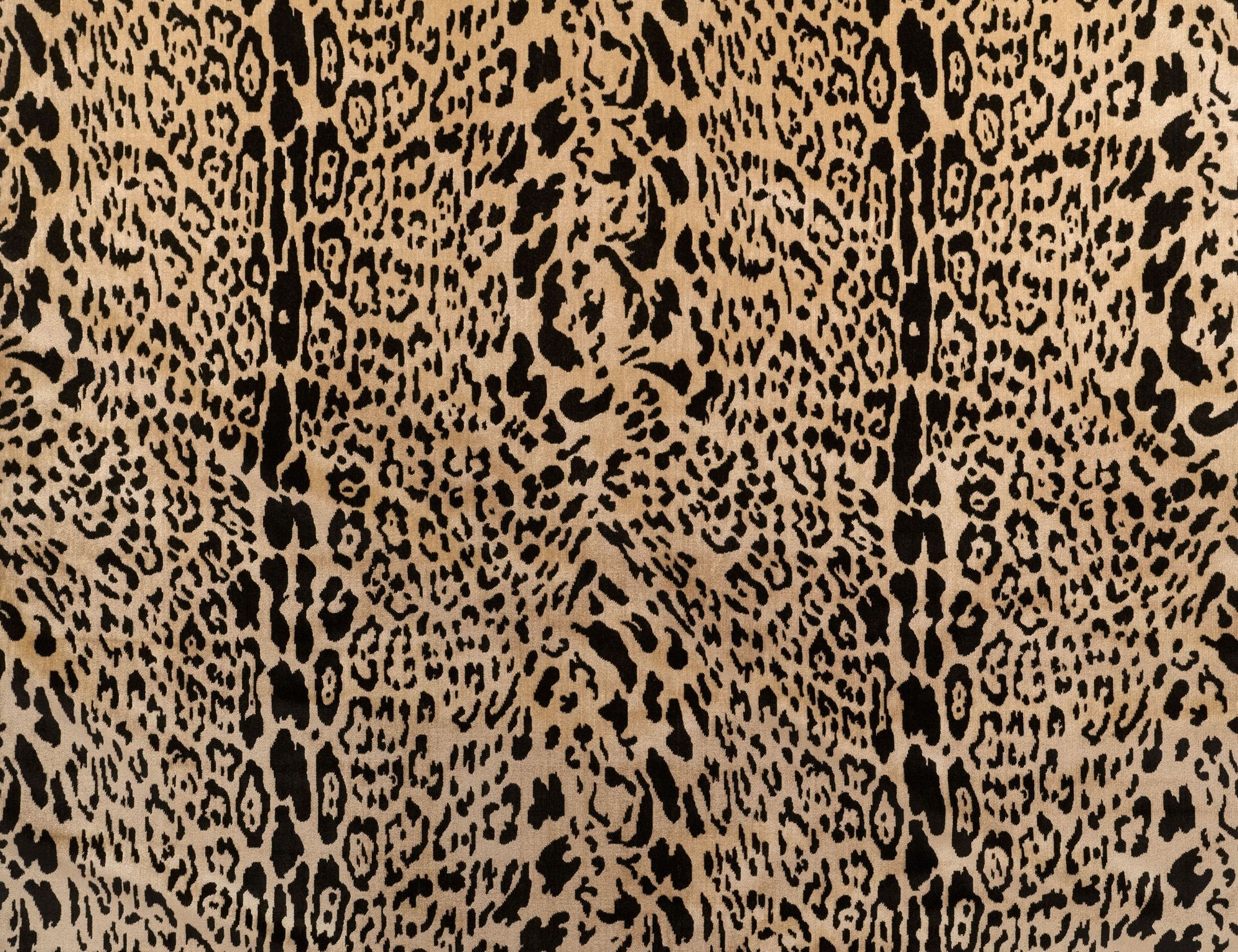
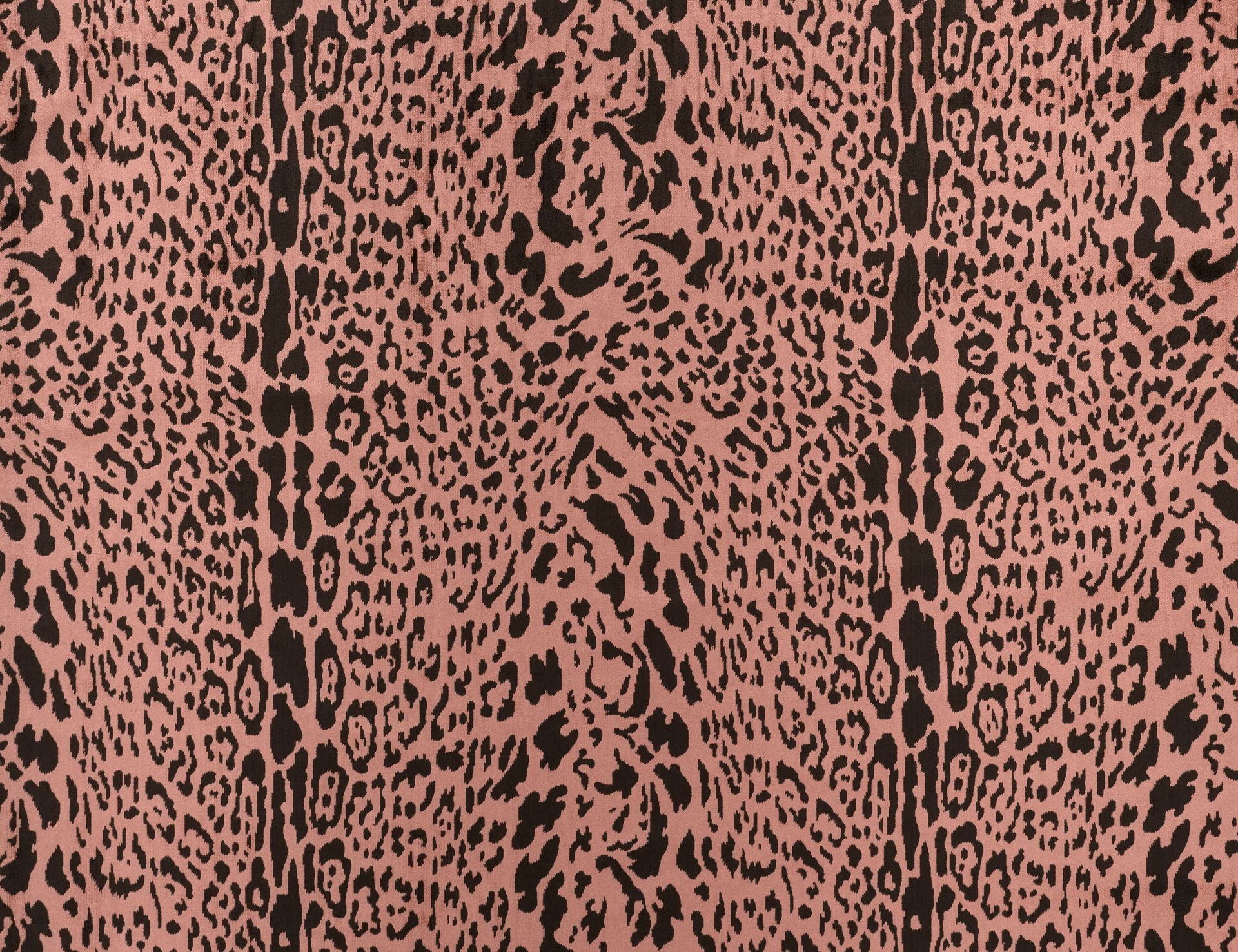
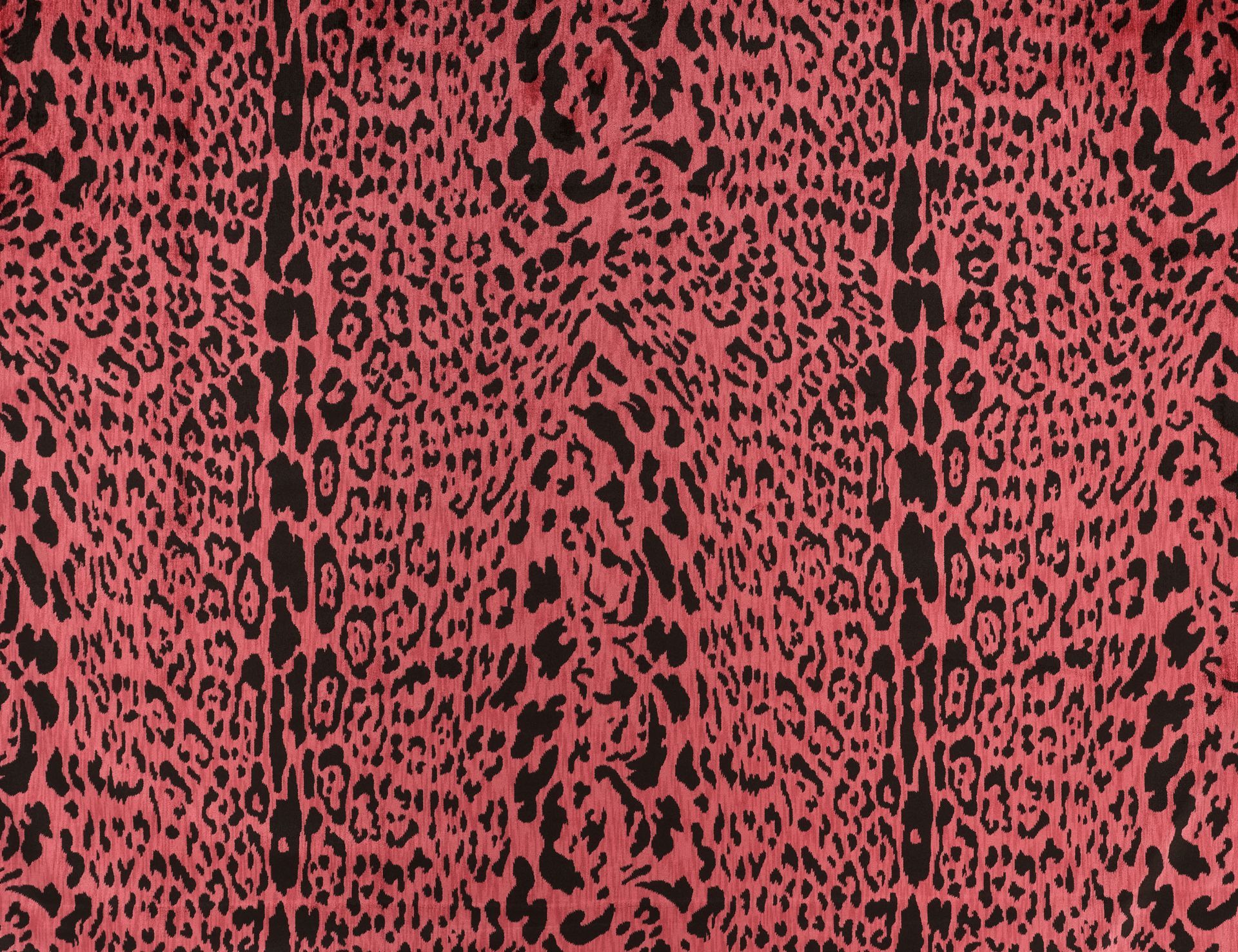
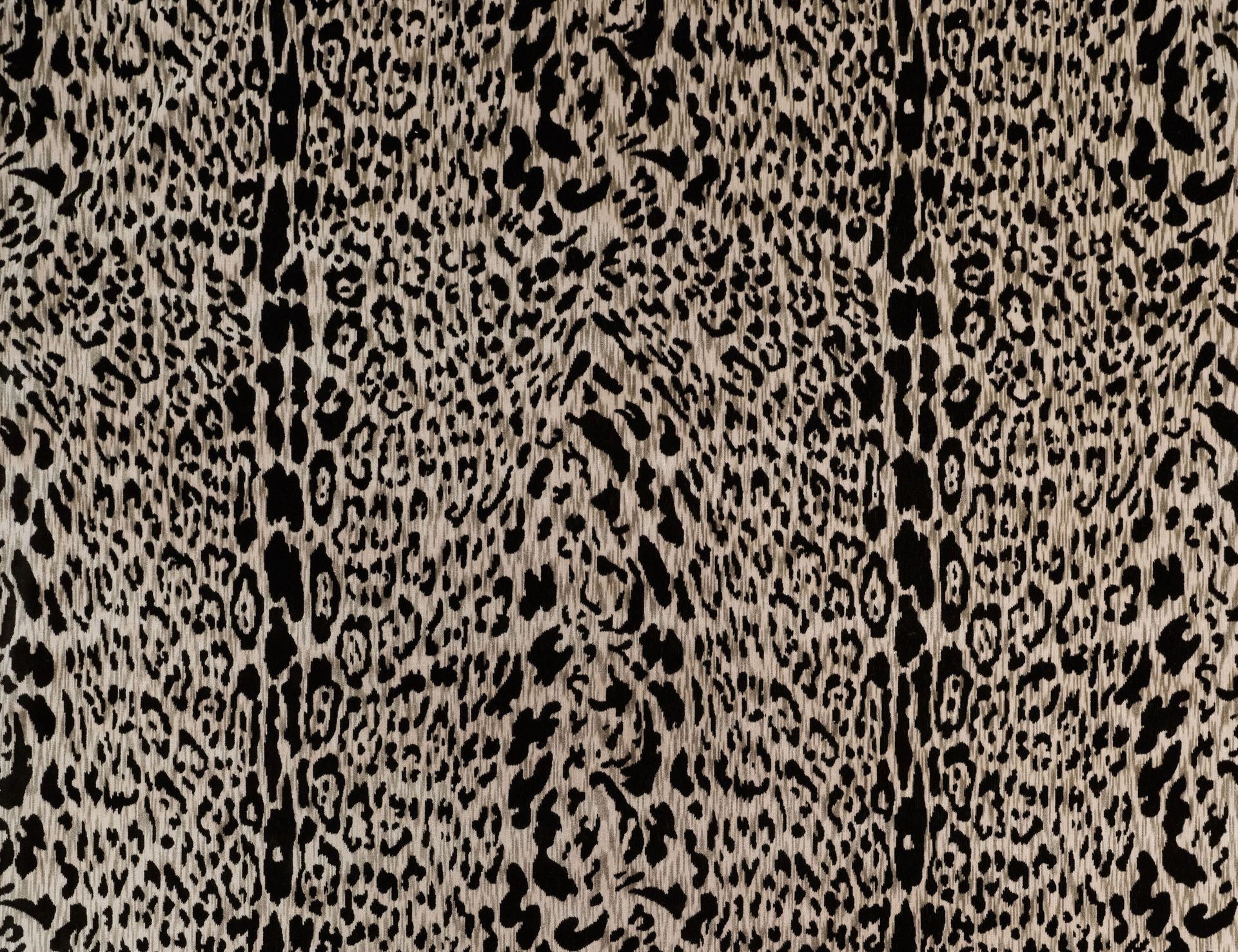
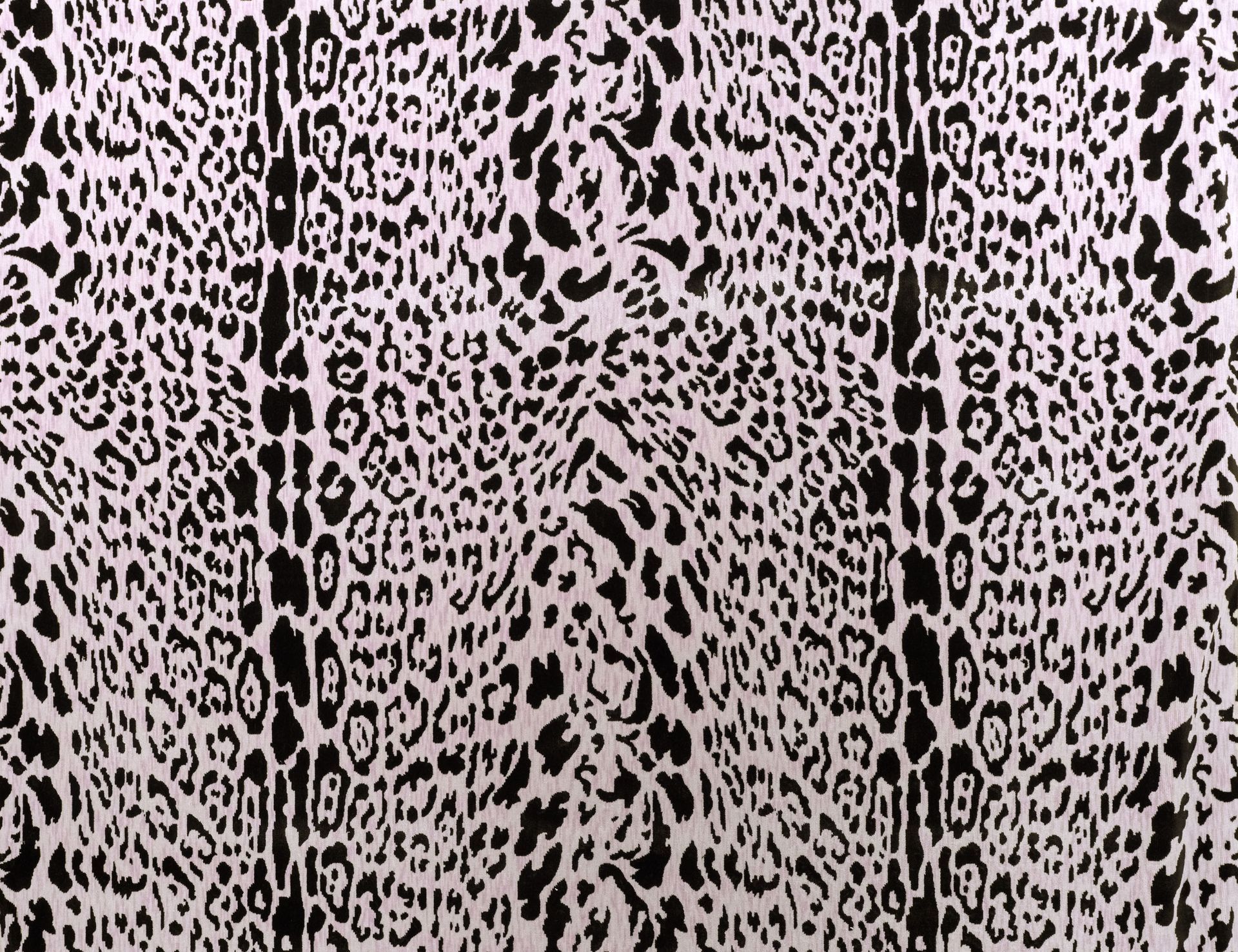
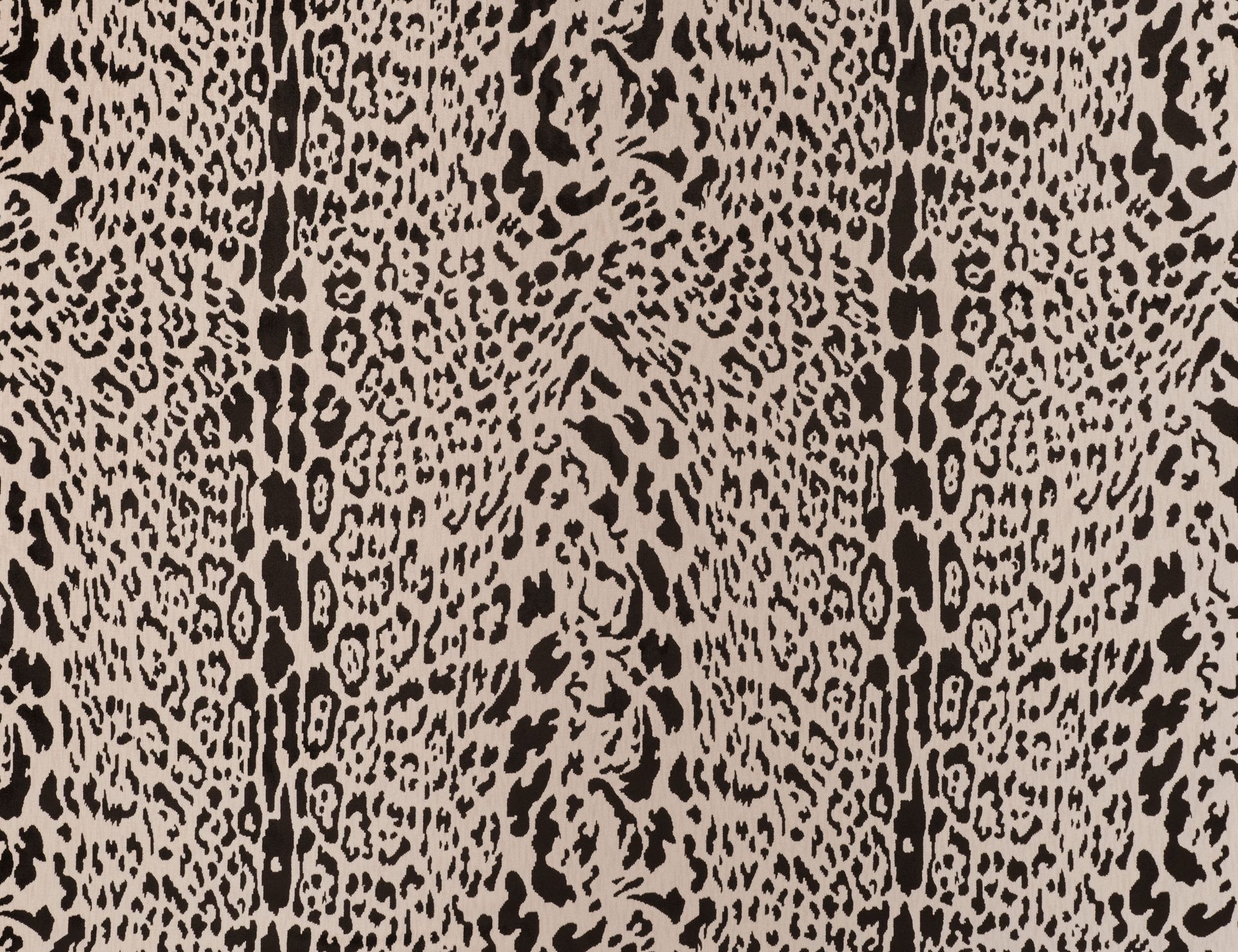
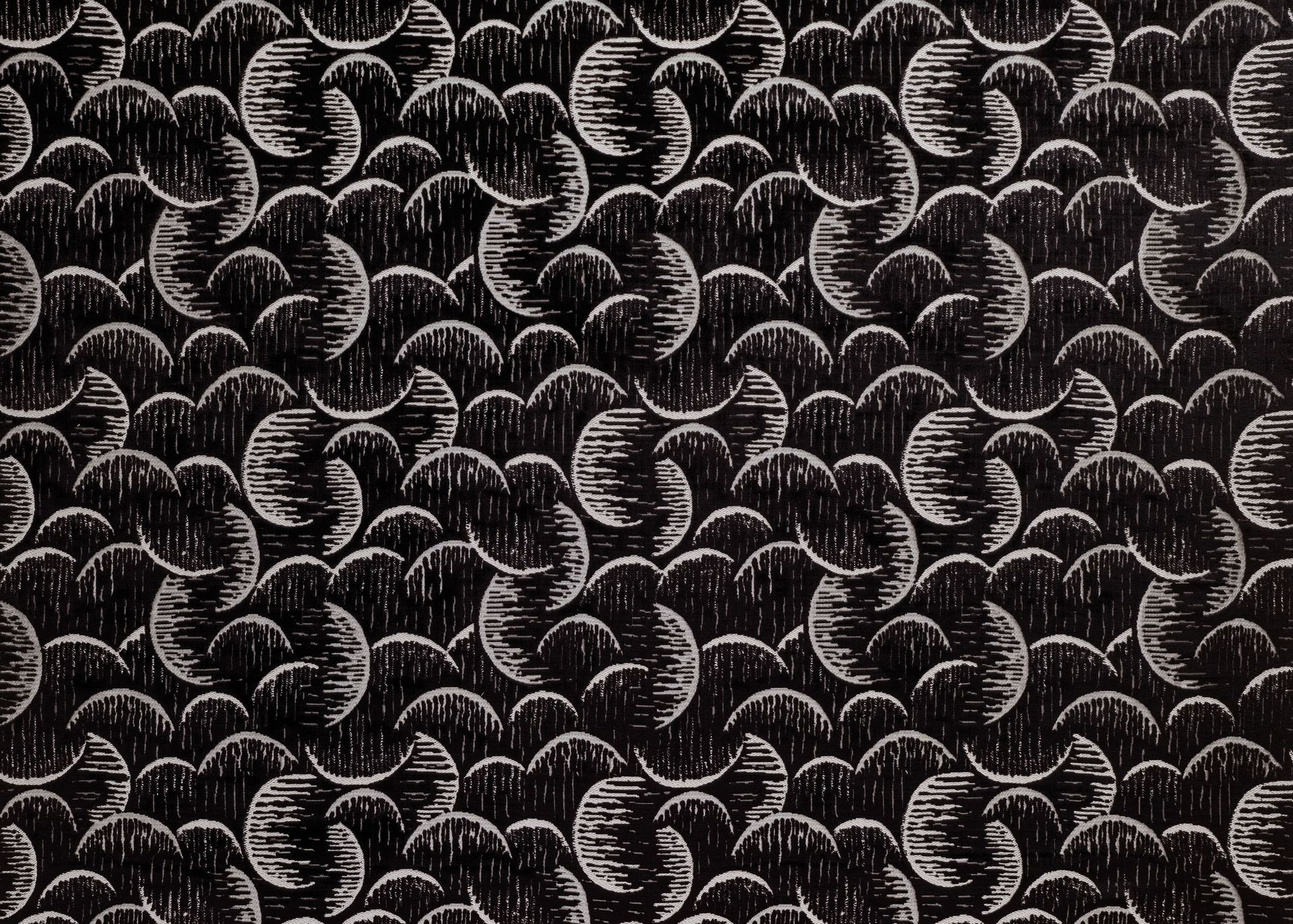
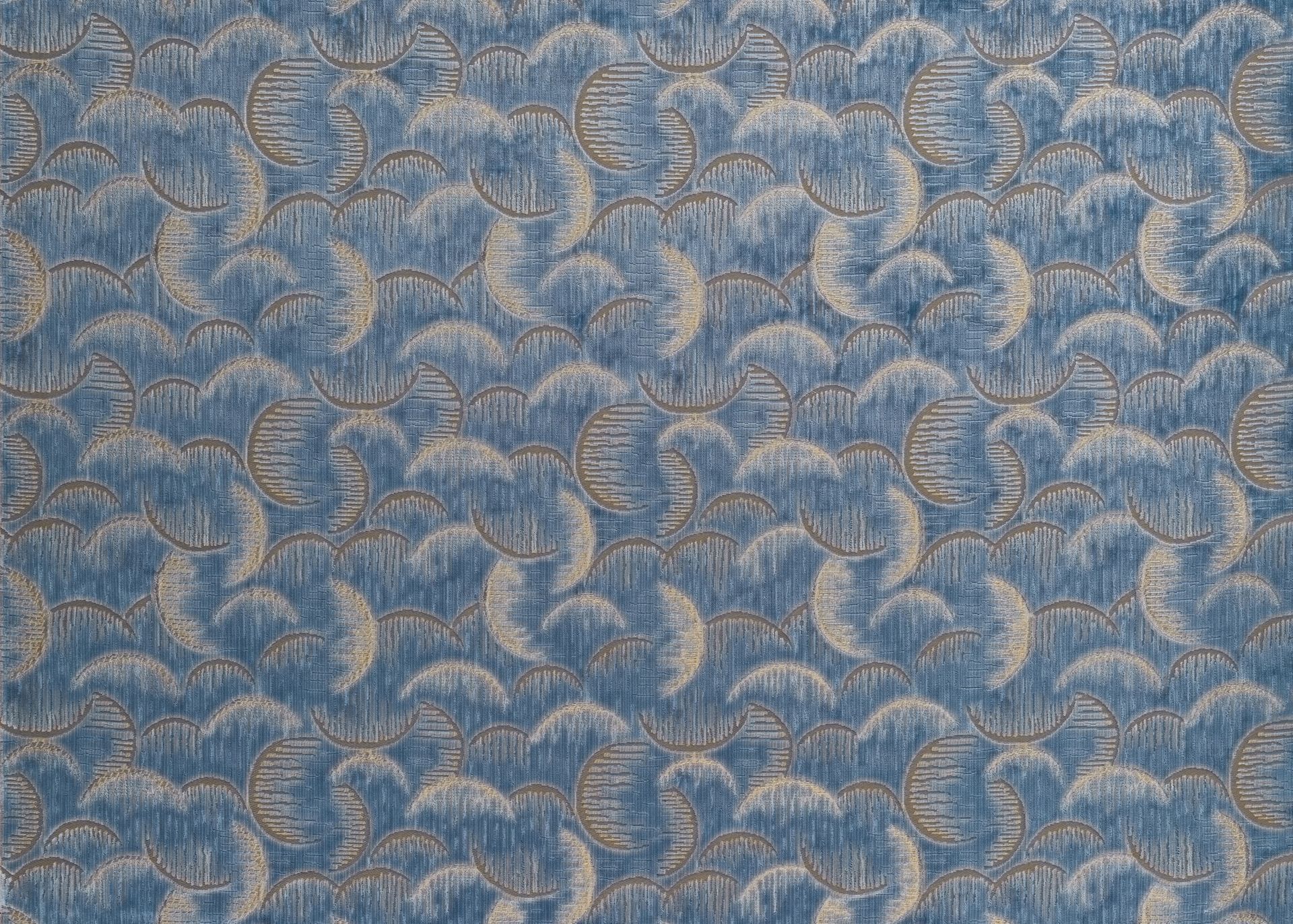
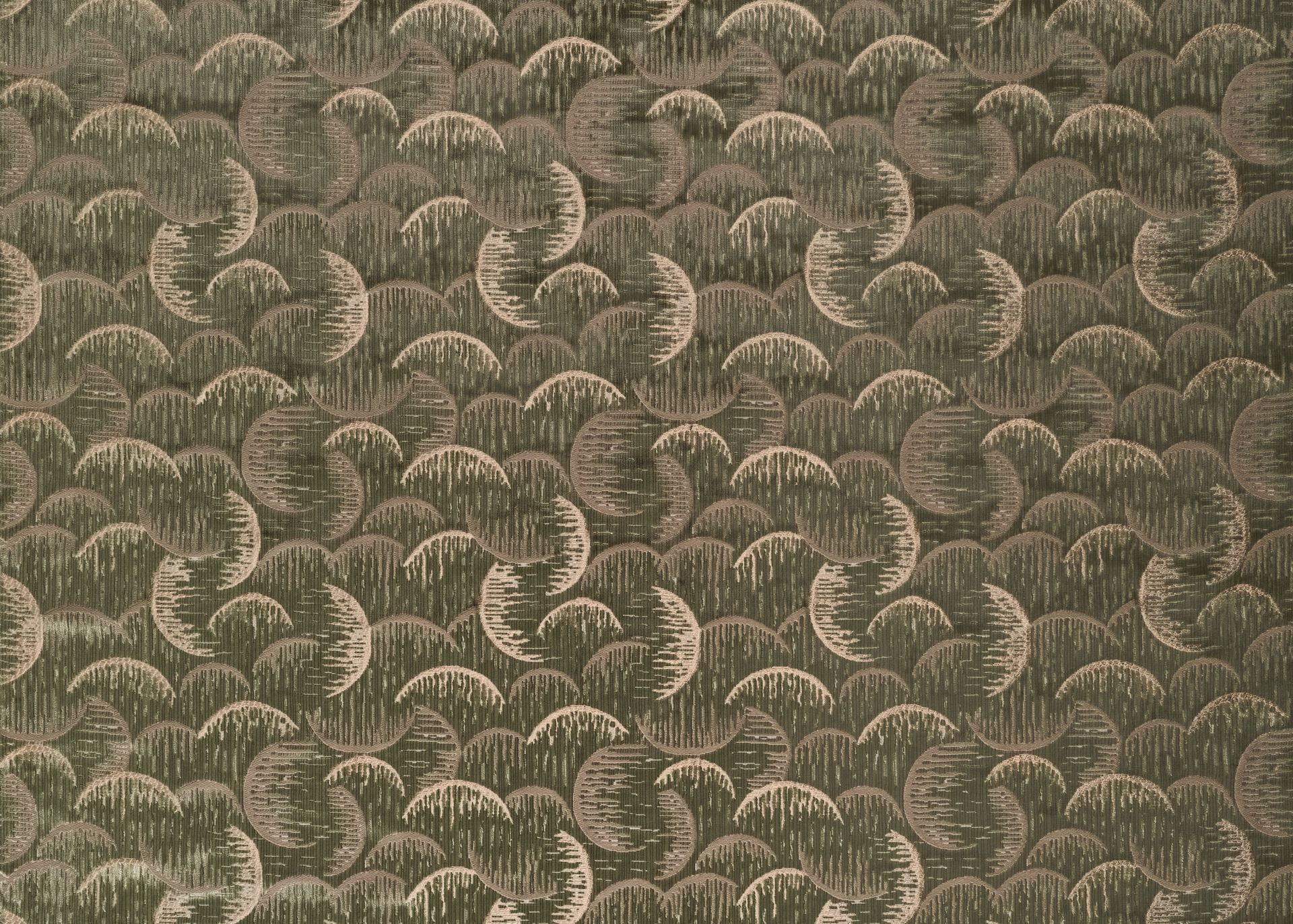
LUNE 3787S
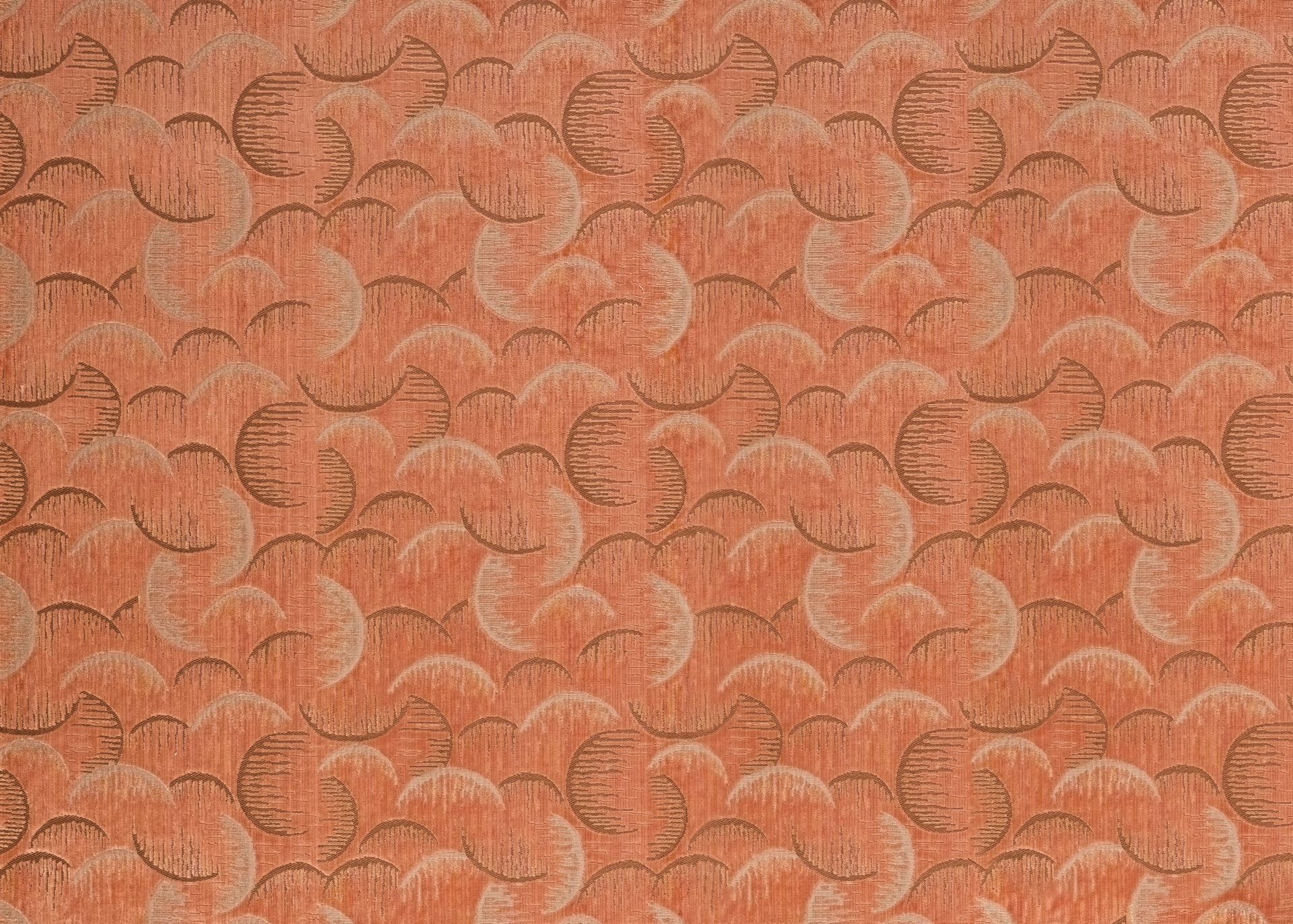
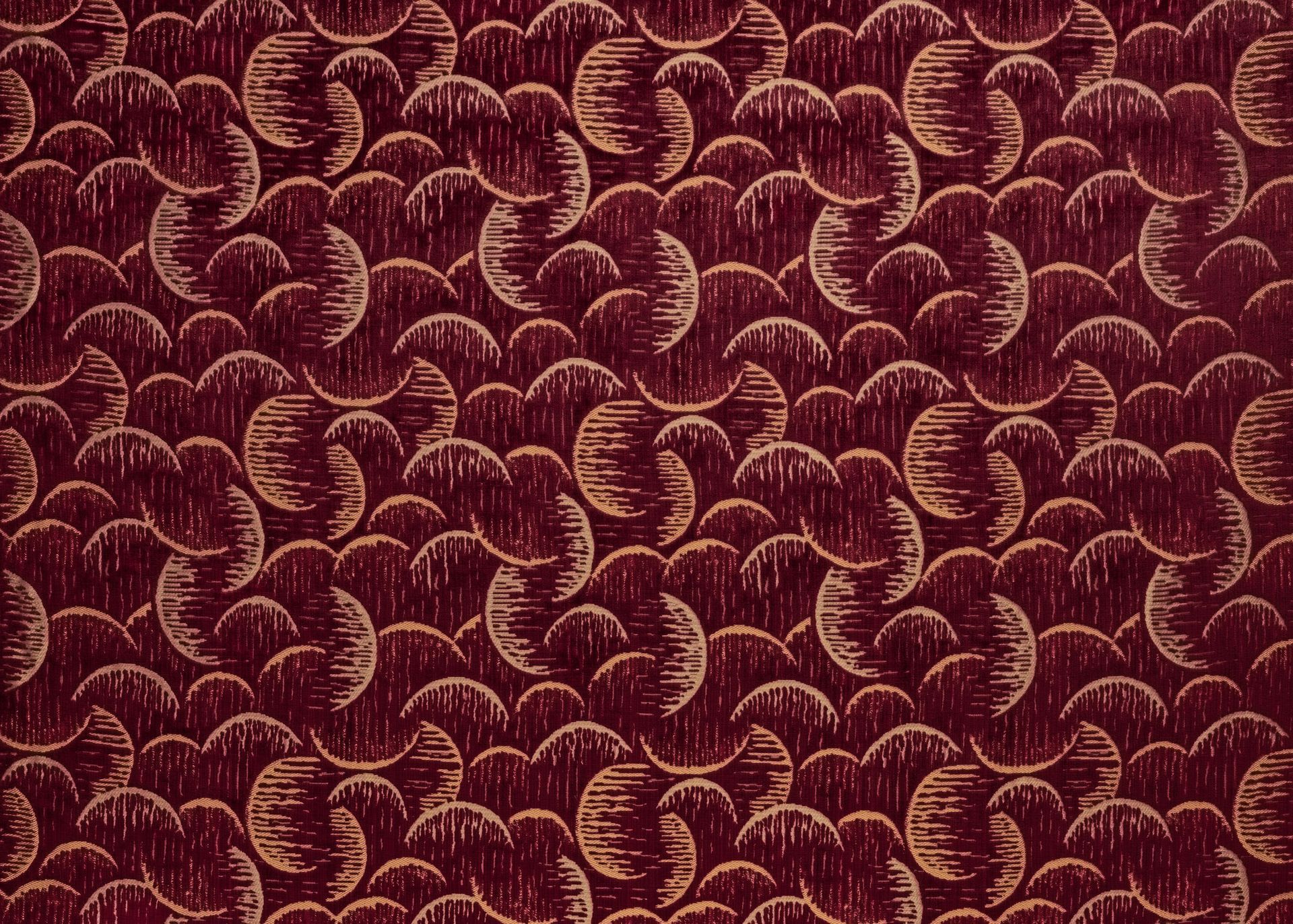
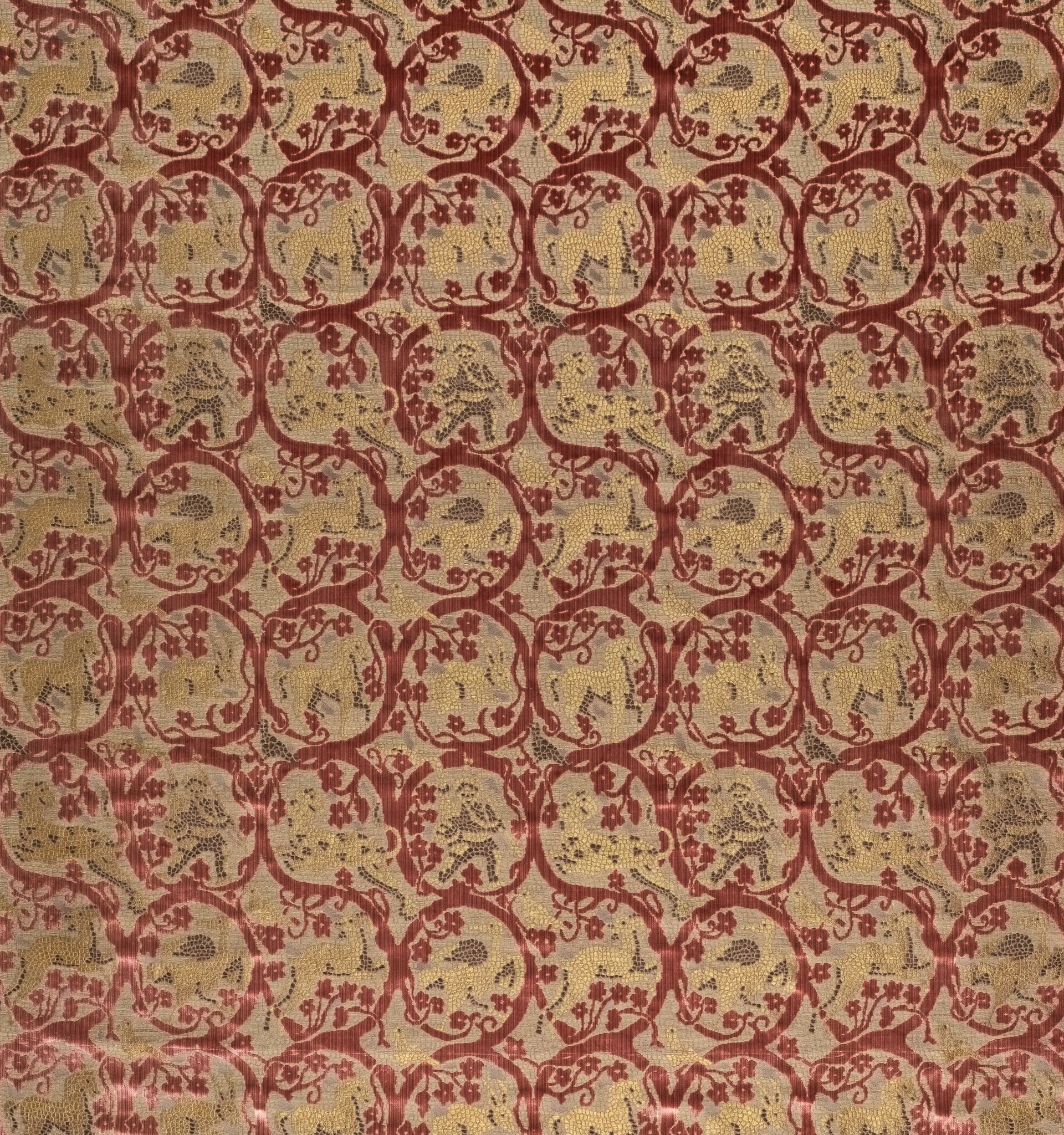
MOSAIC 3587


THEN 3739
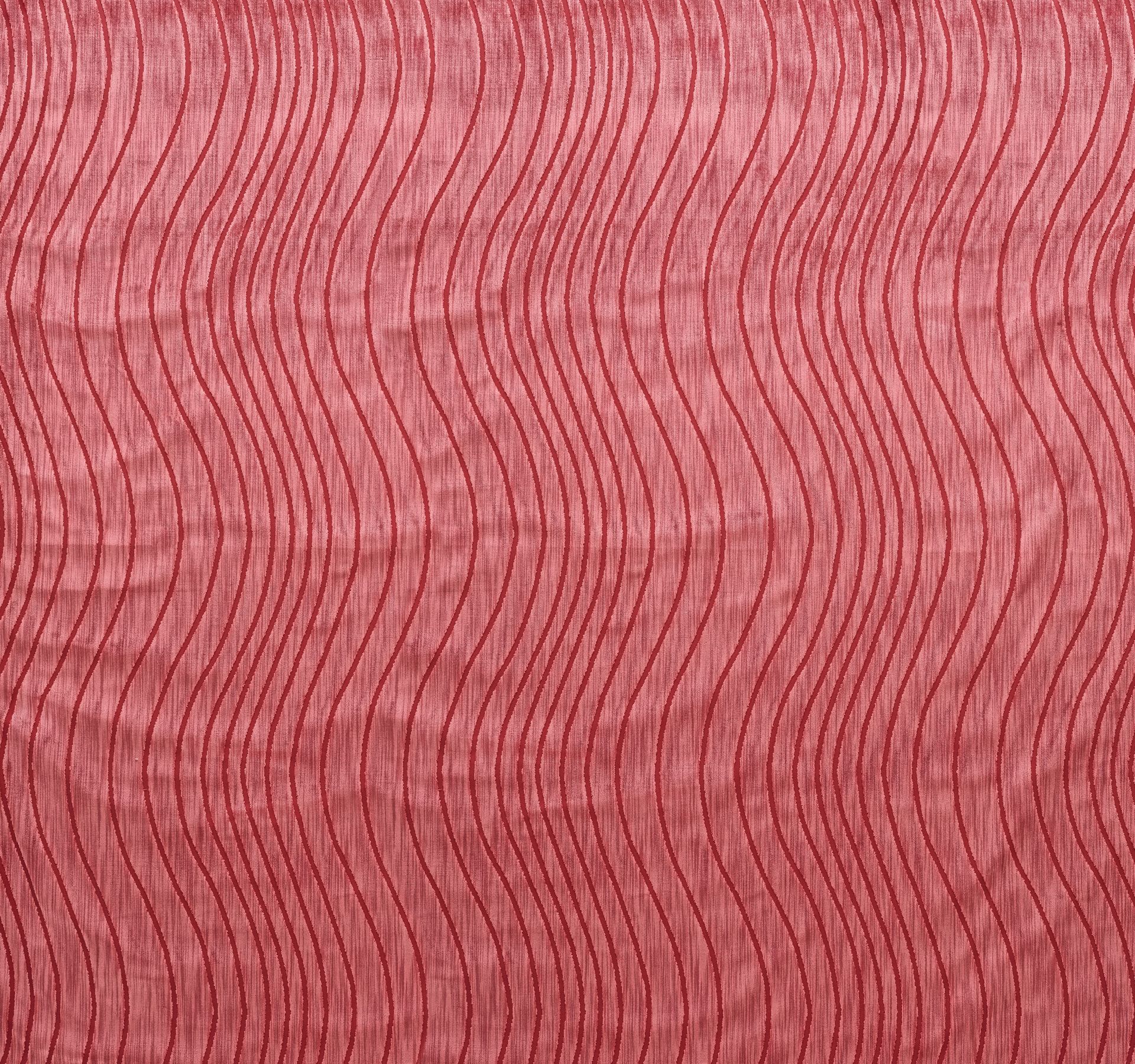

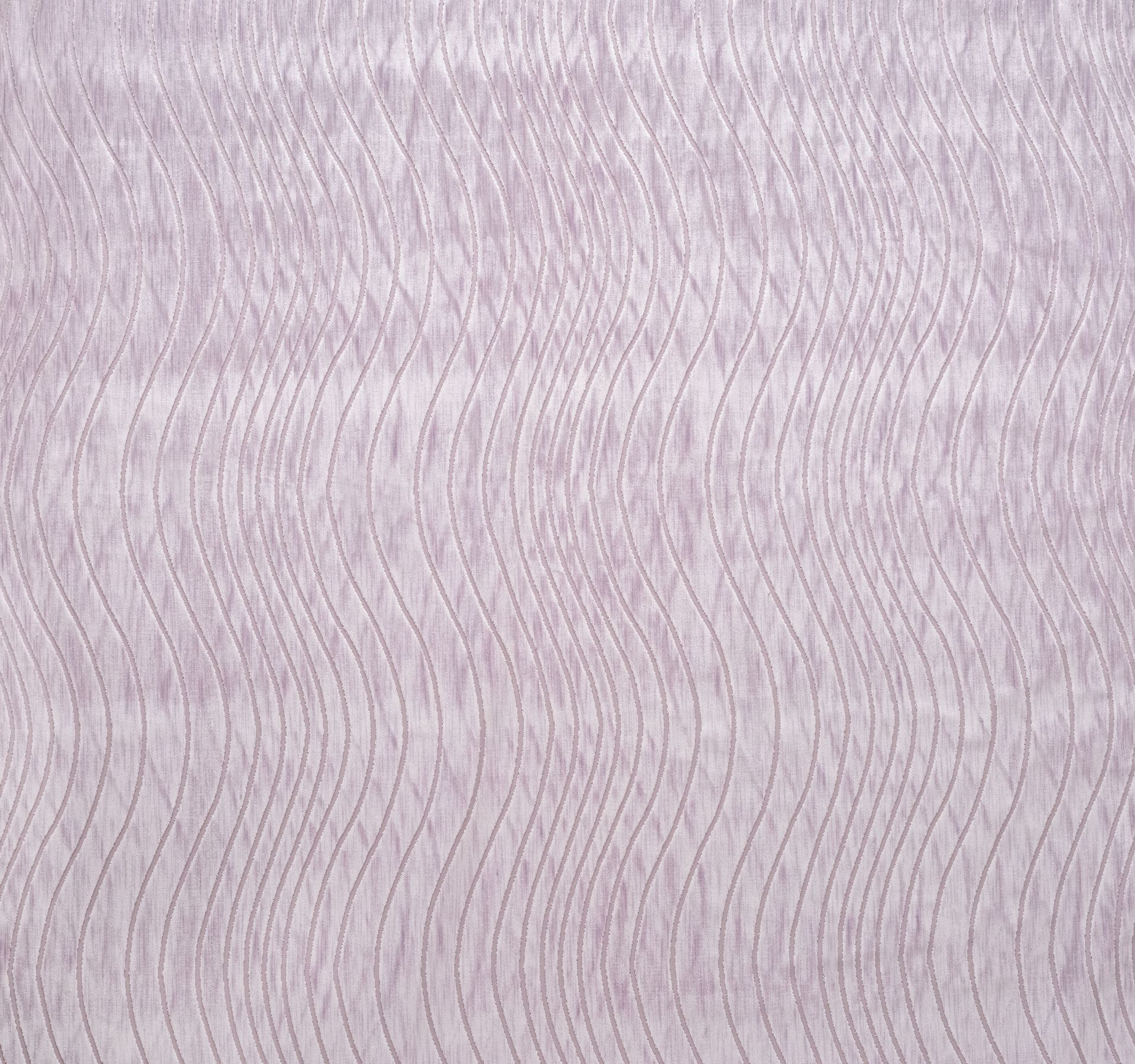
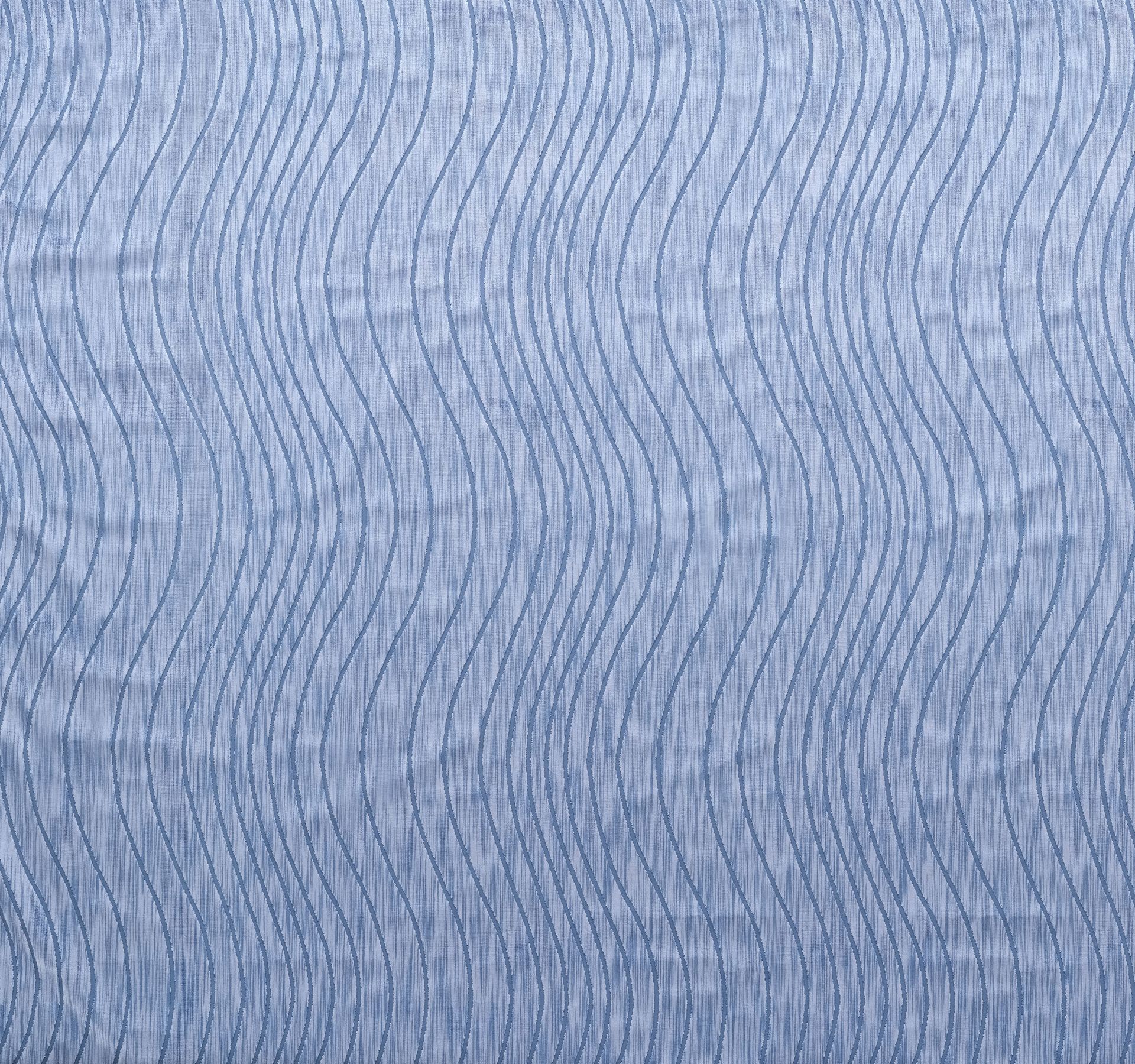
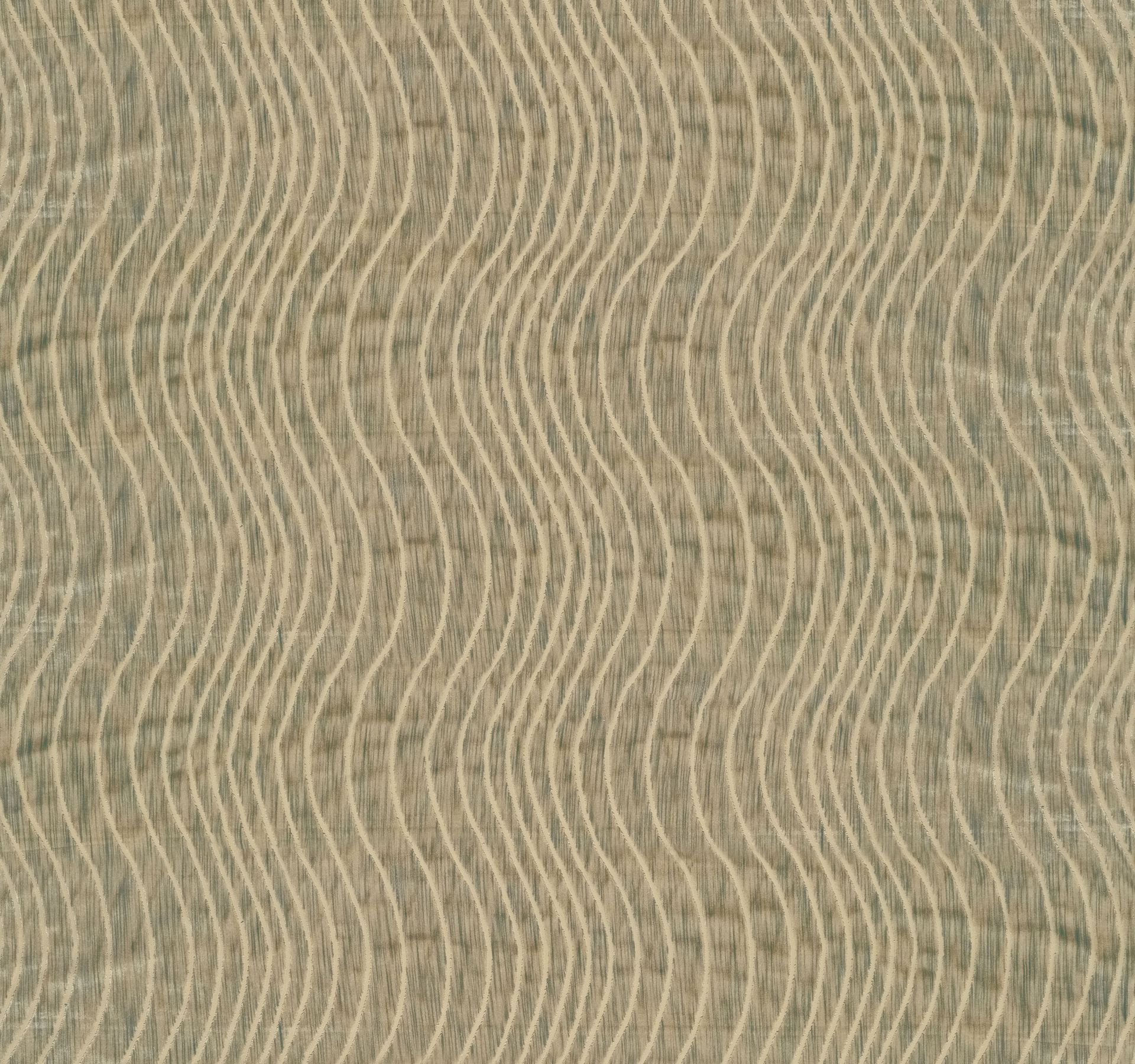
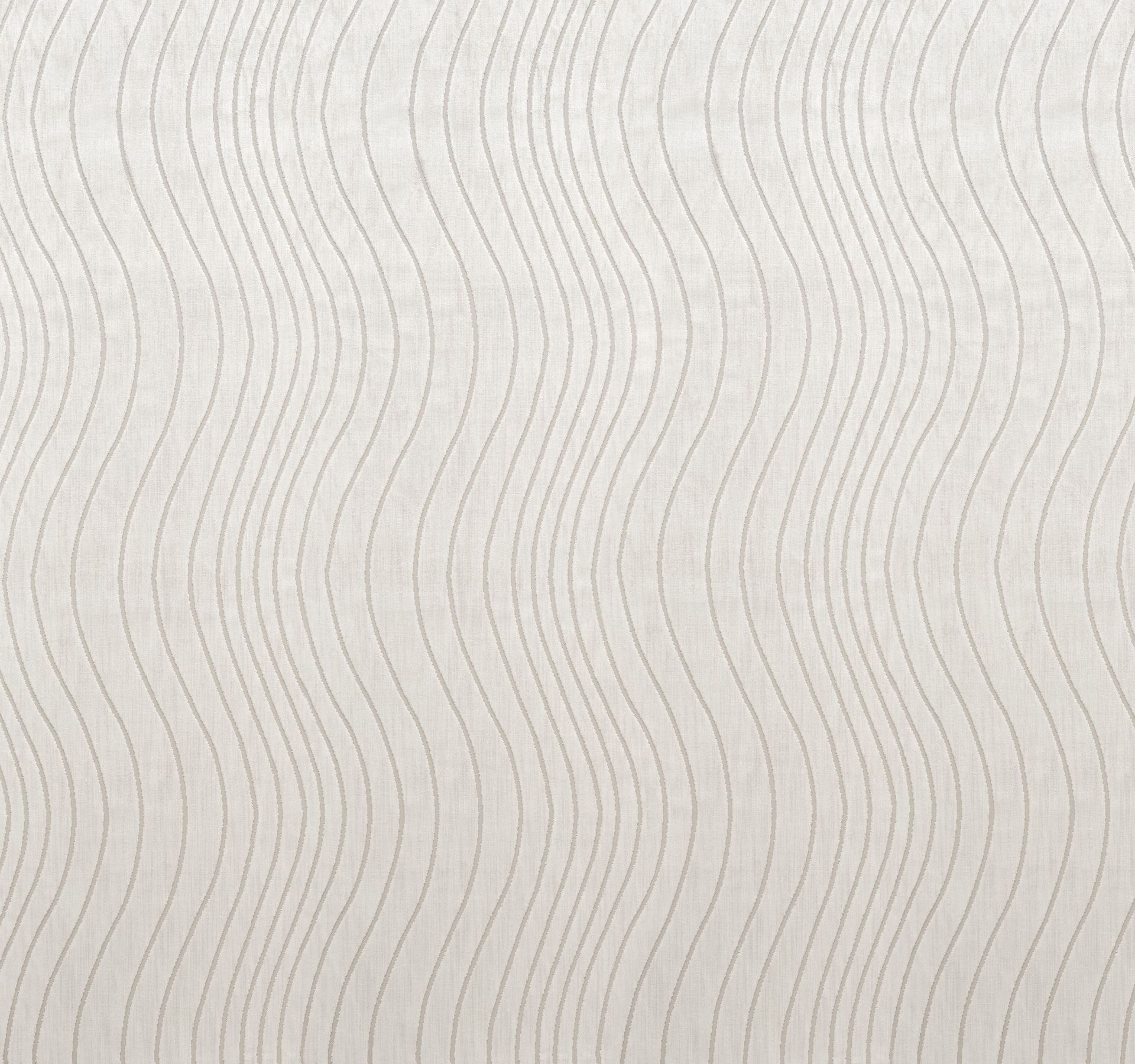
PALERMO 39493

PALMYRA 3949
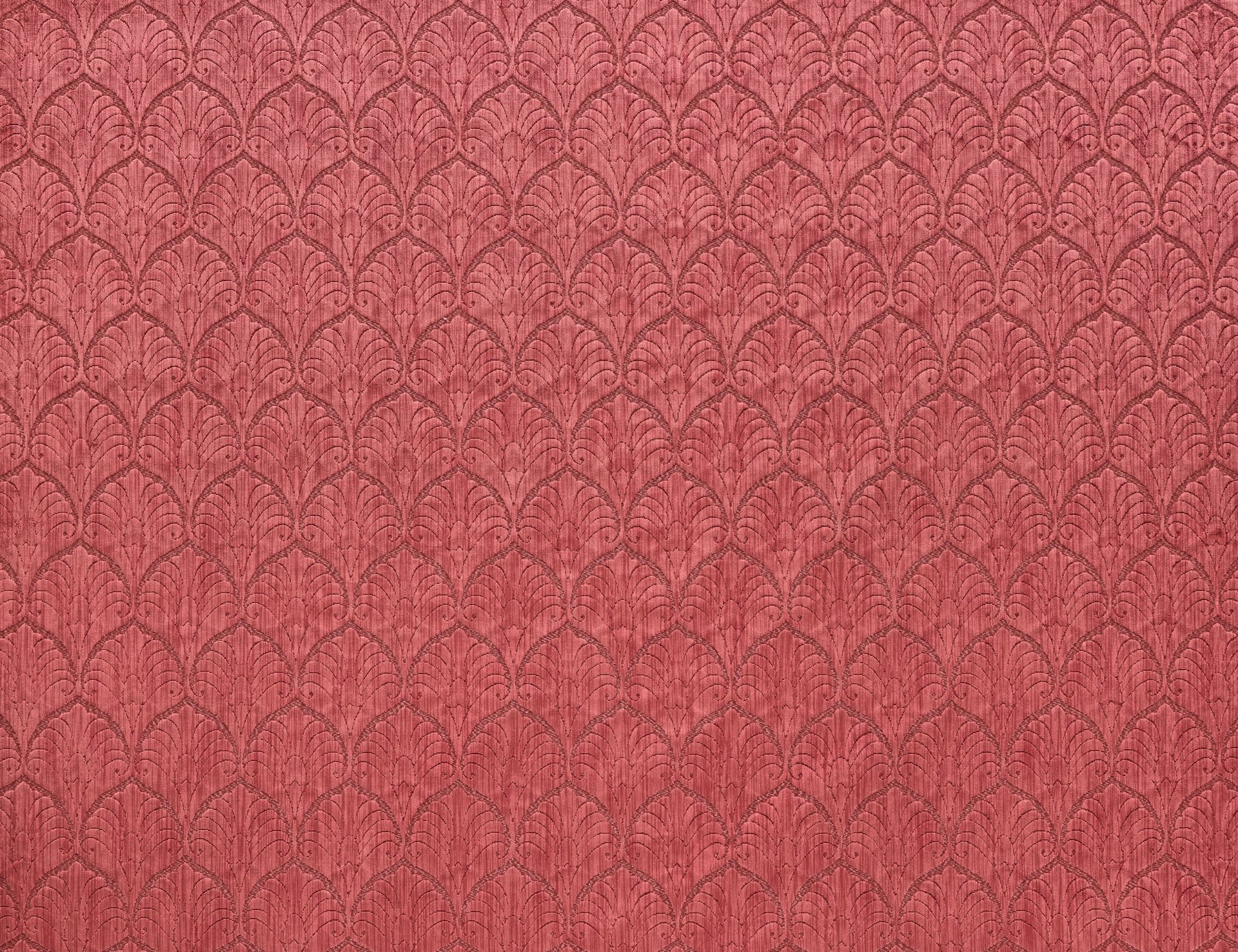
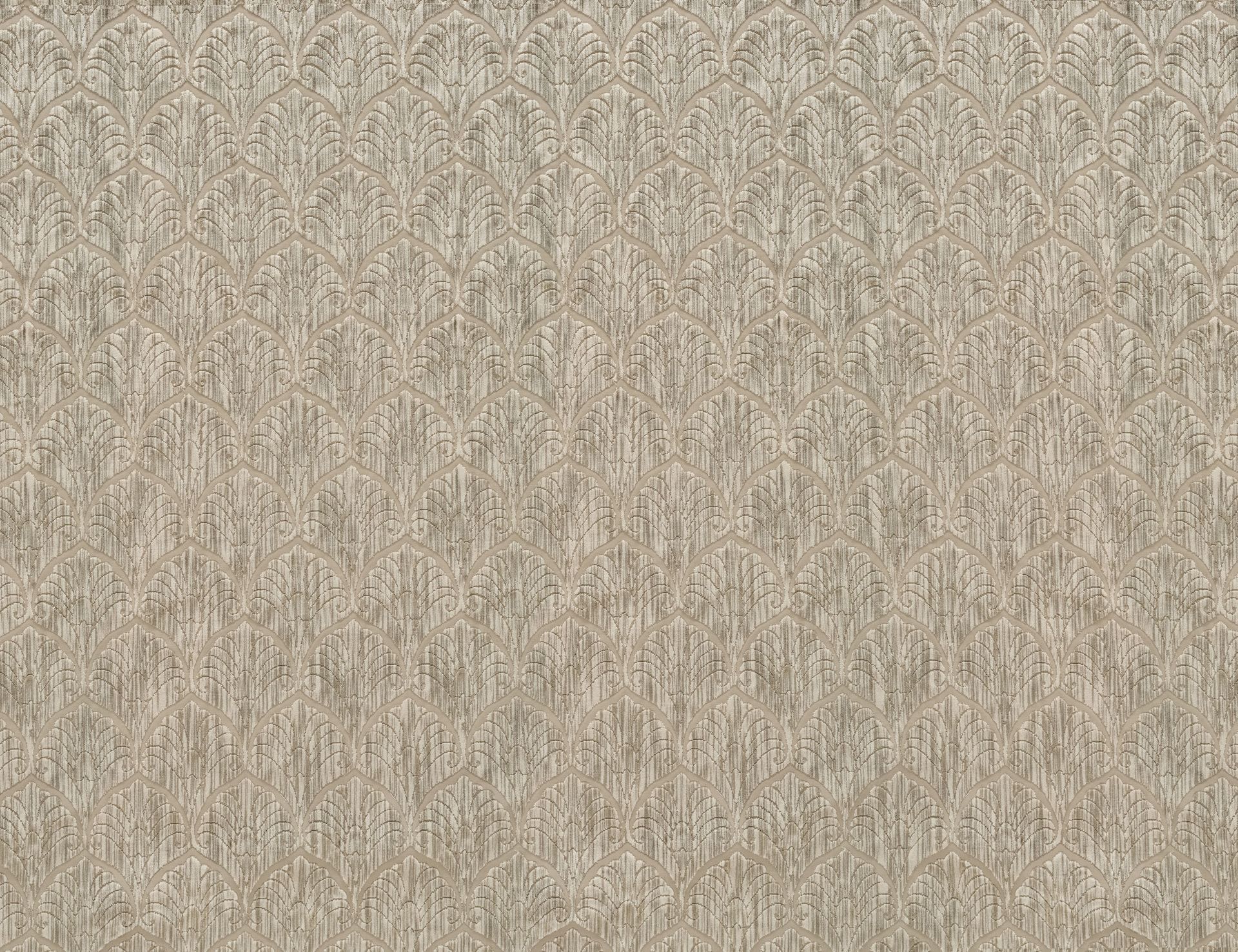
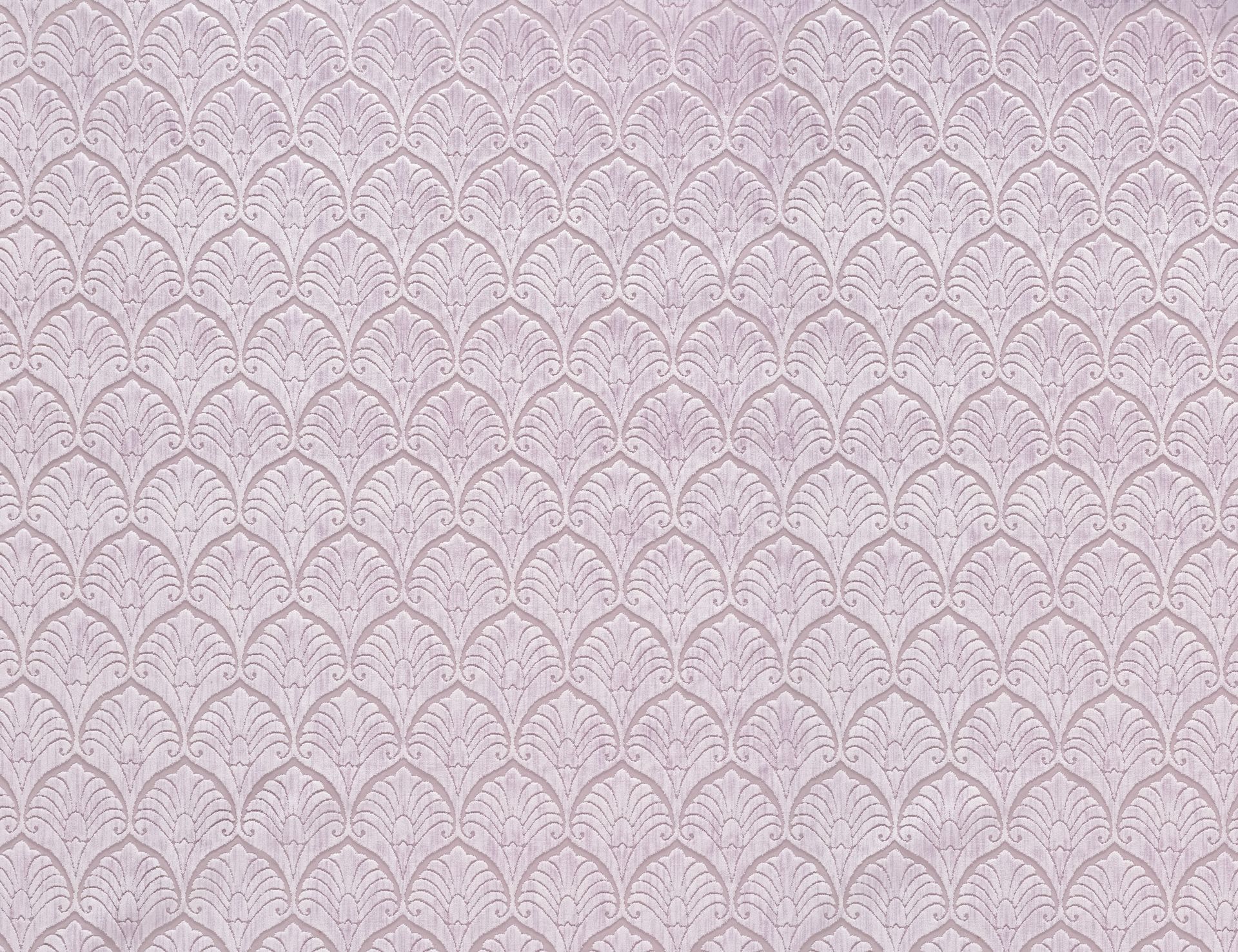
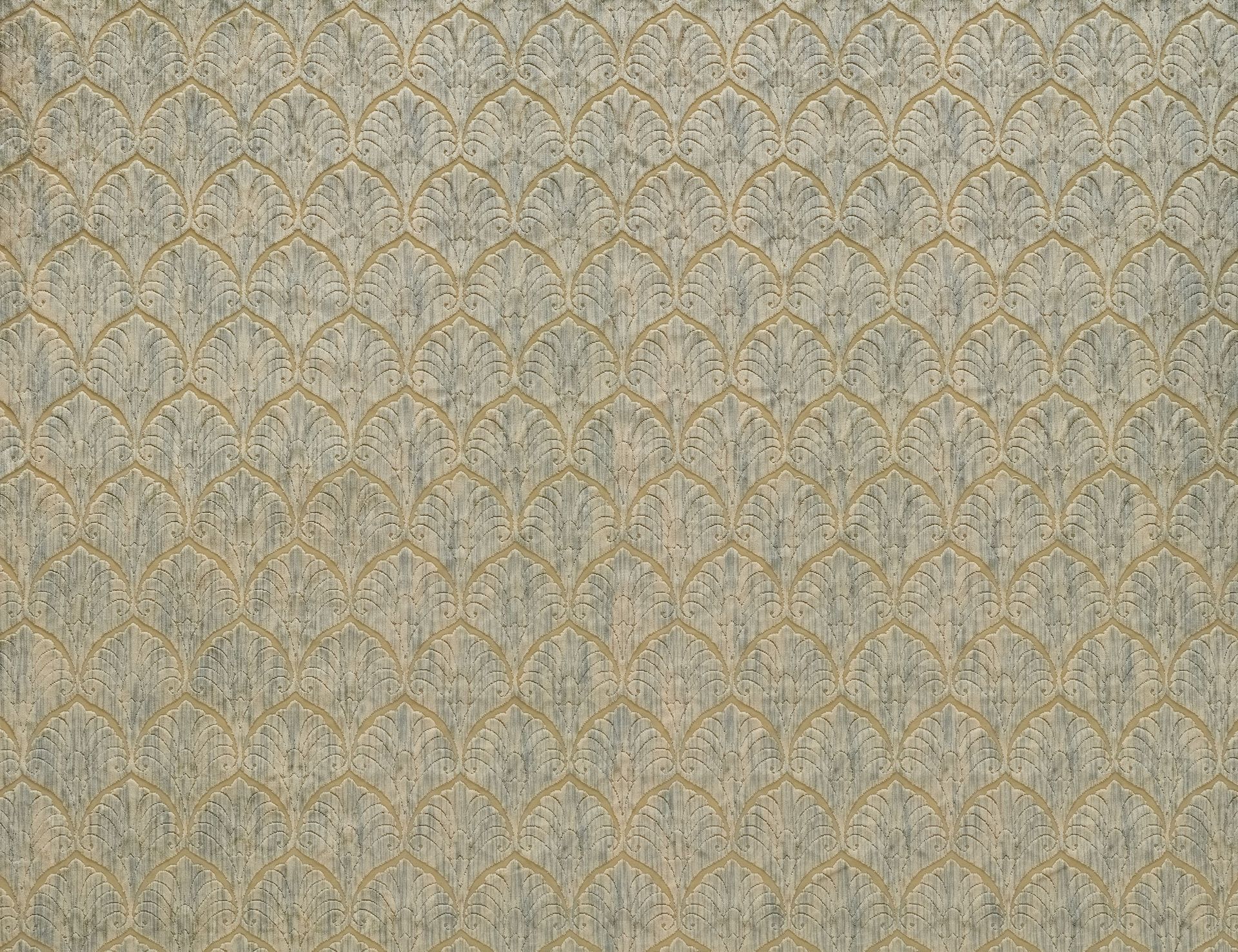
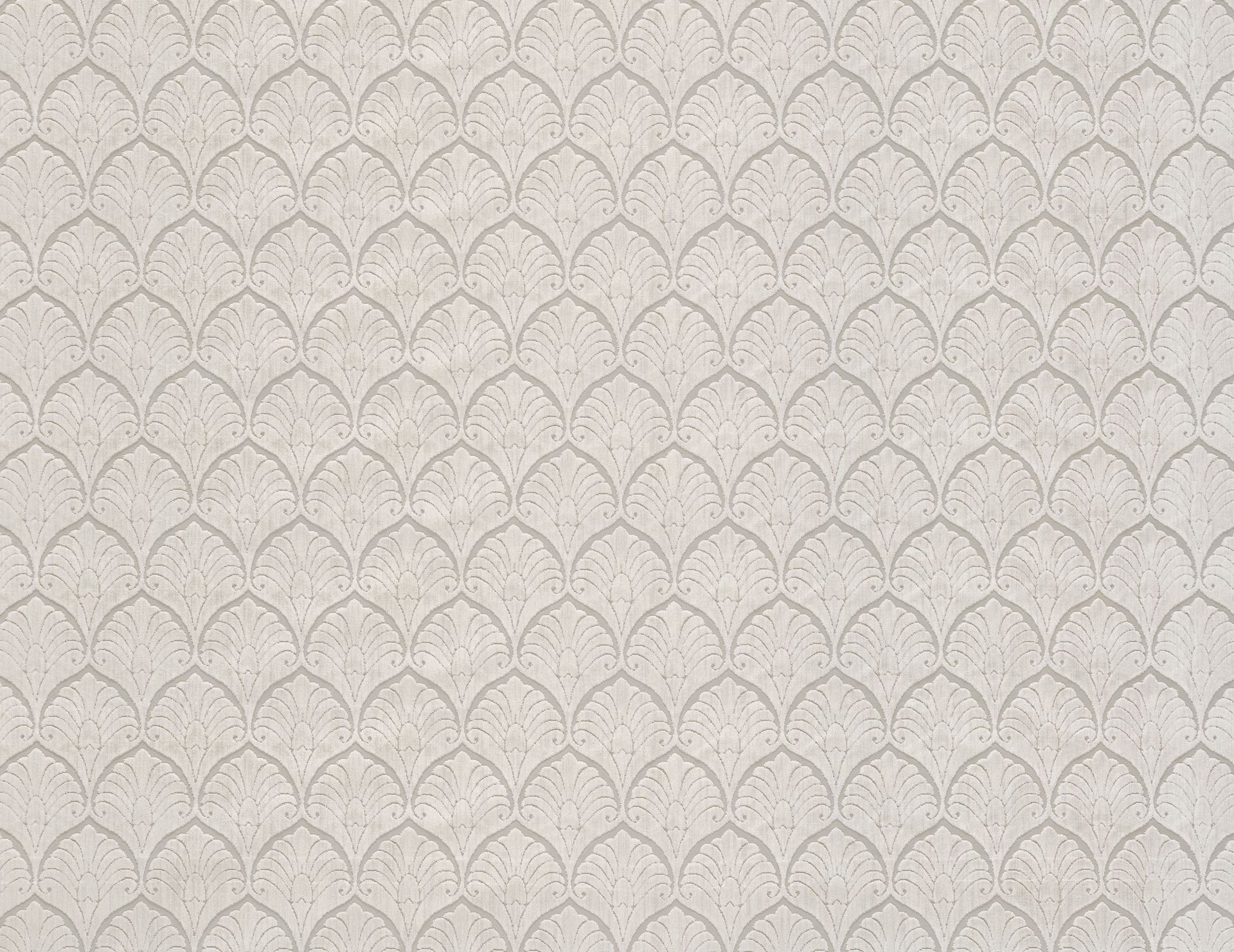

PIGNA 3292S
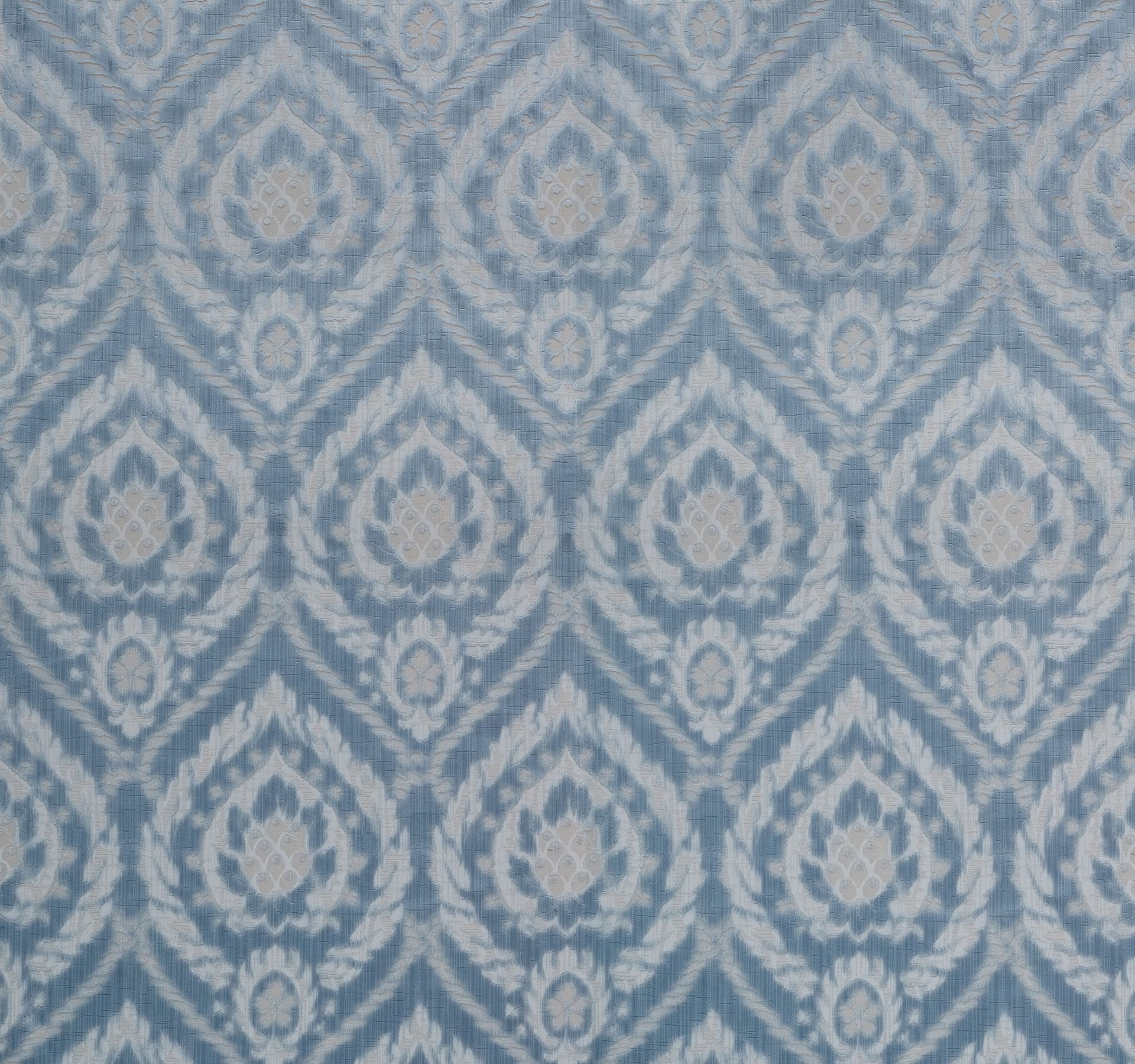
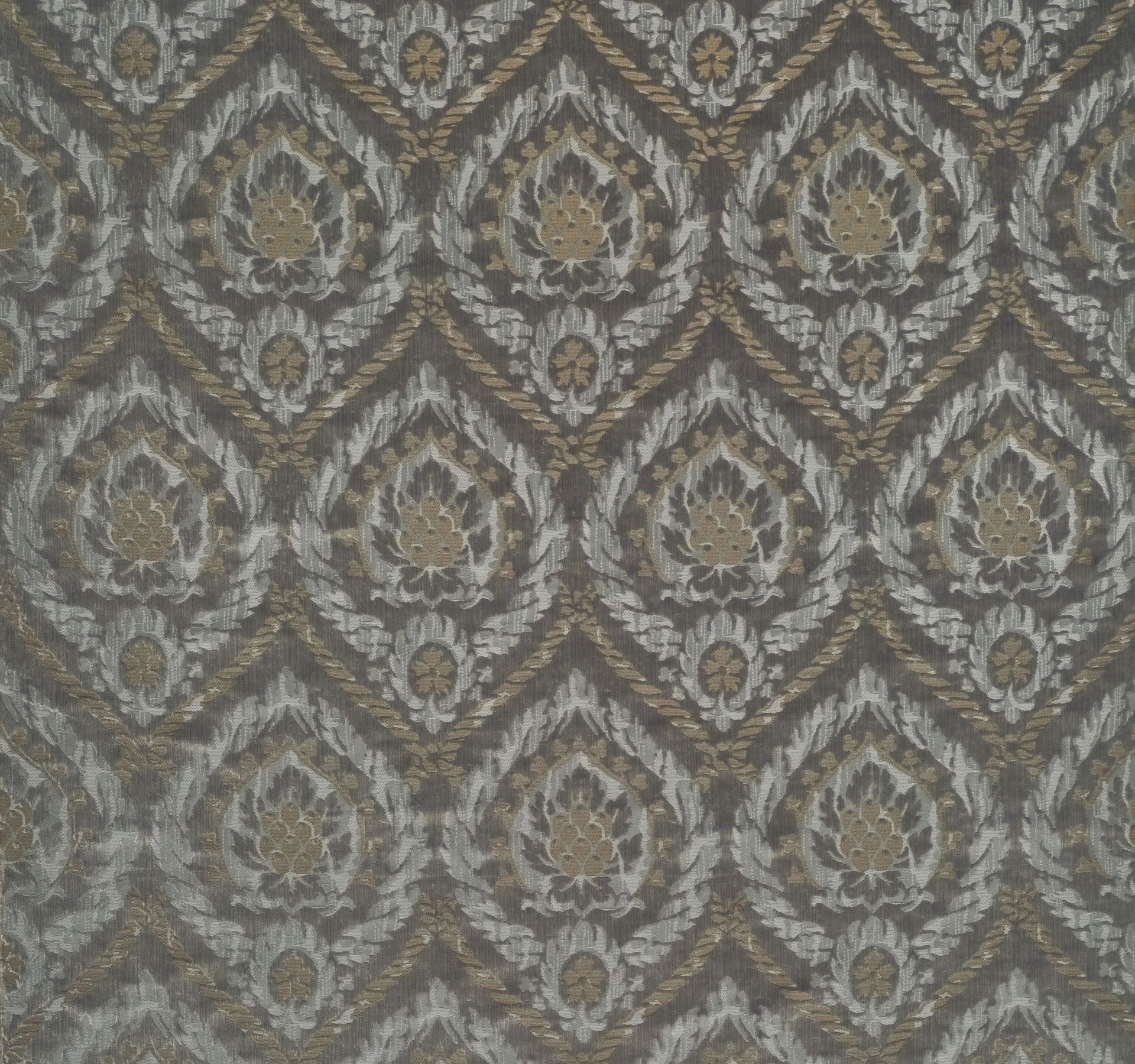
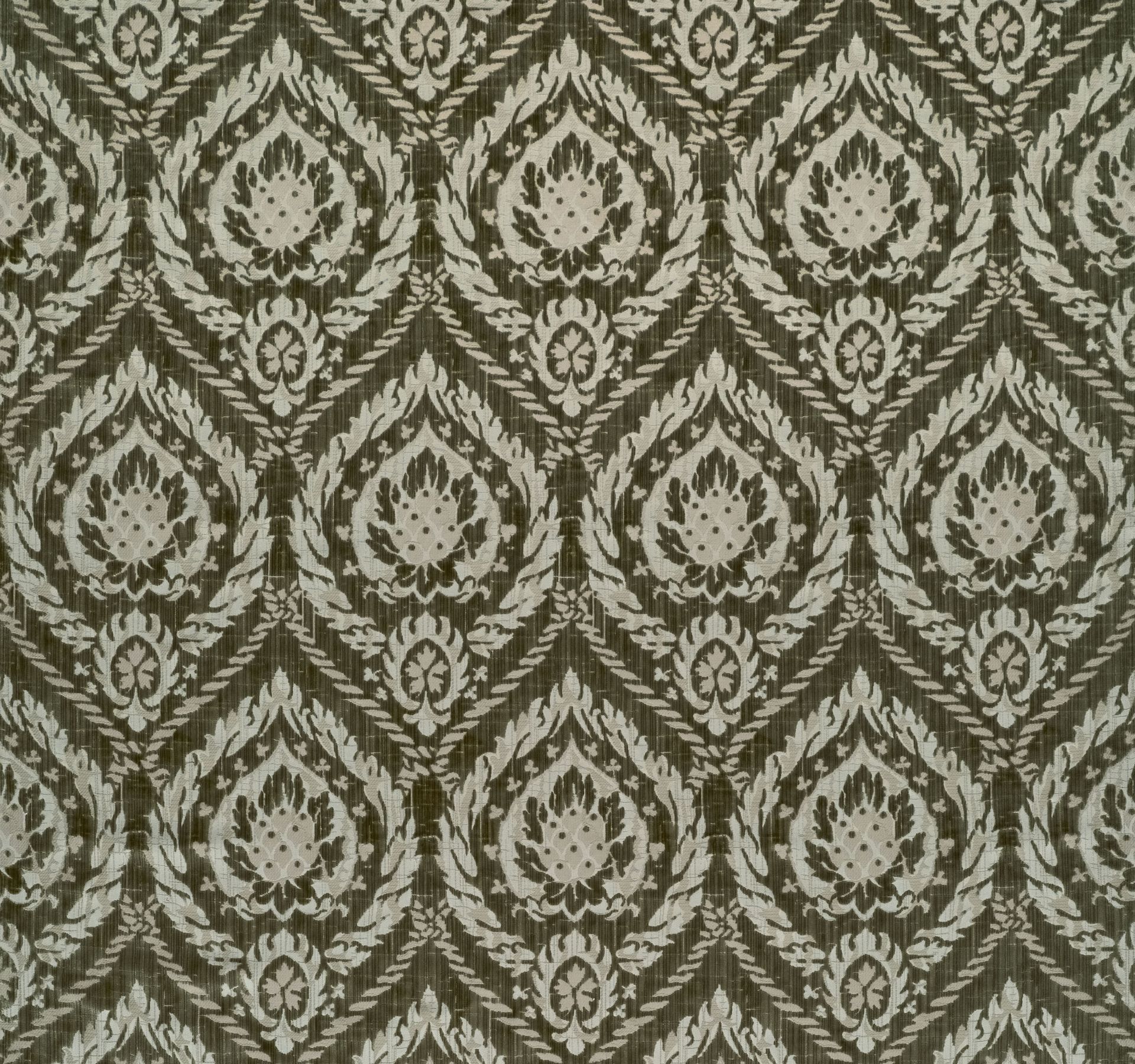
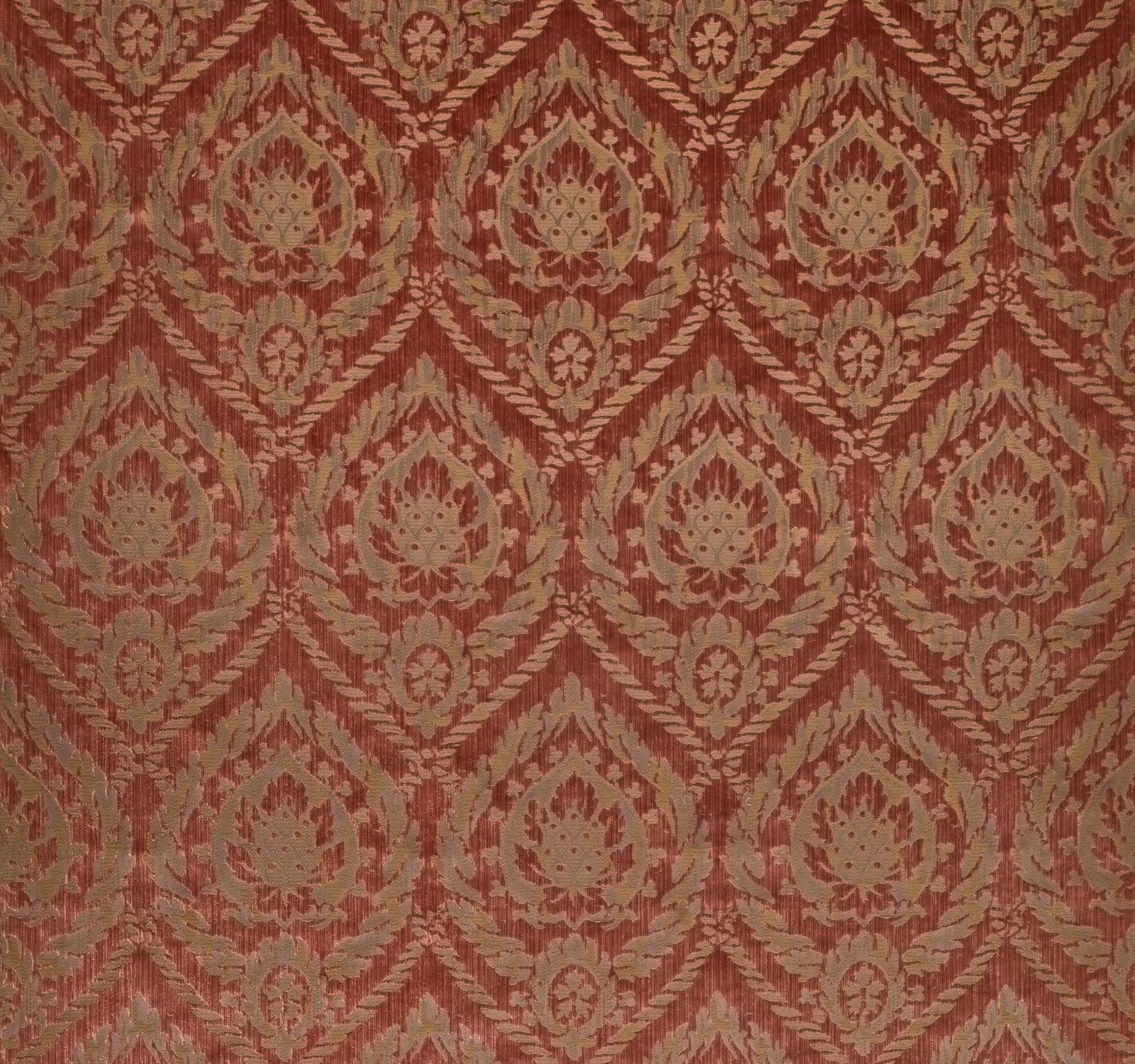
RADICA 3840
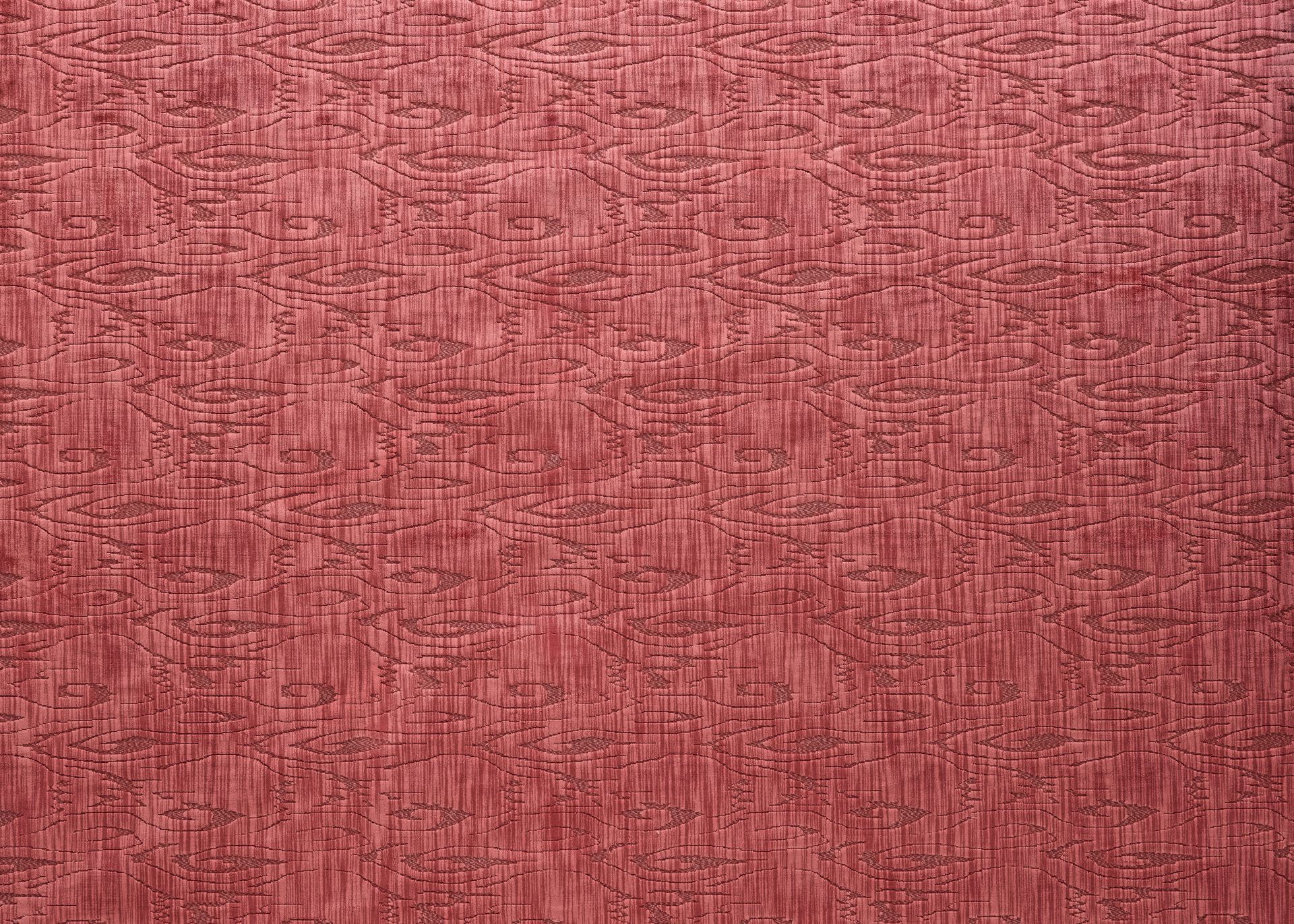
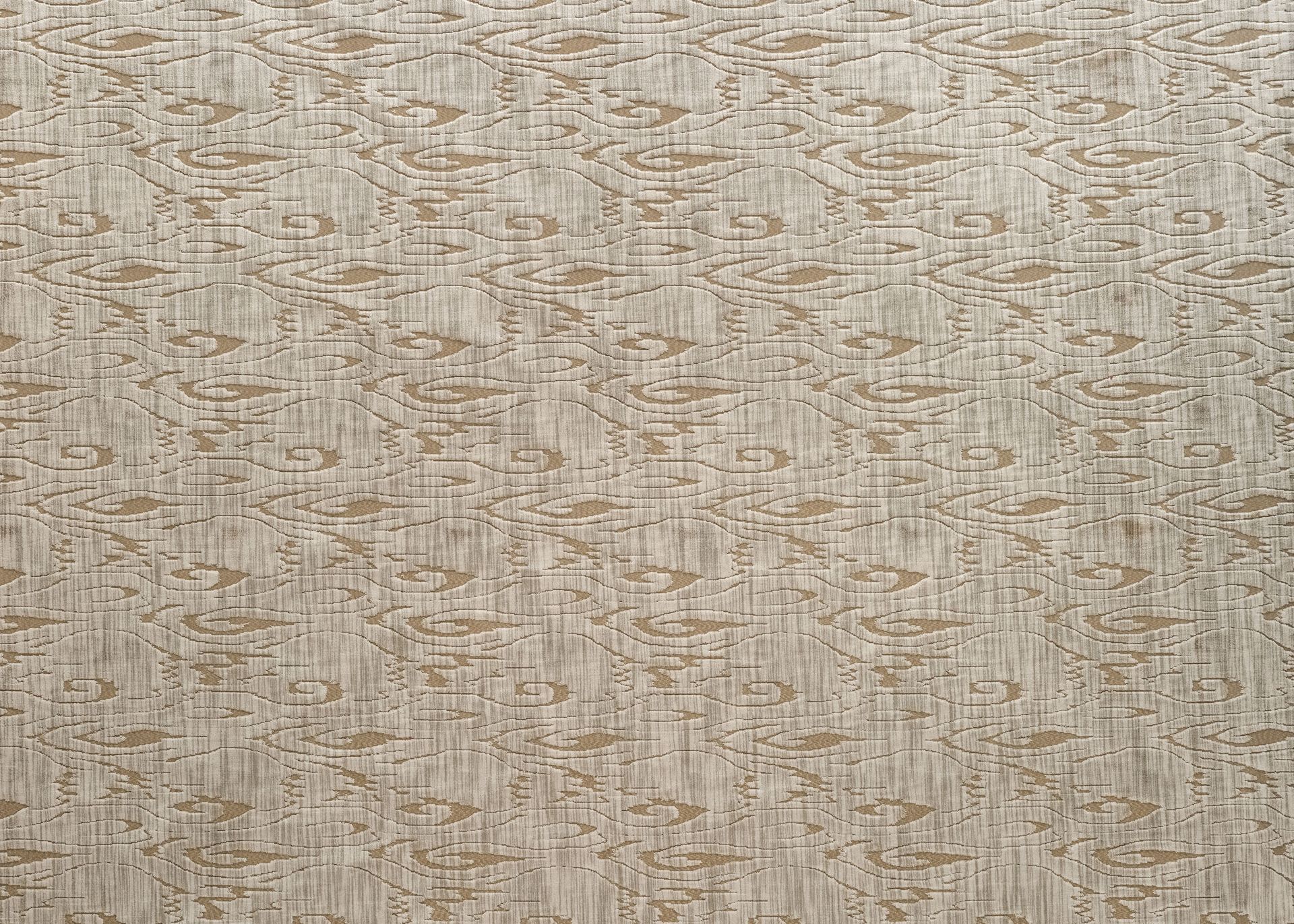
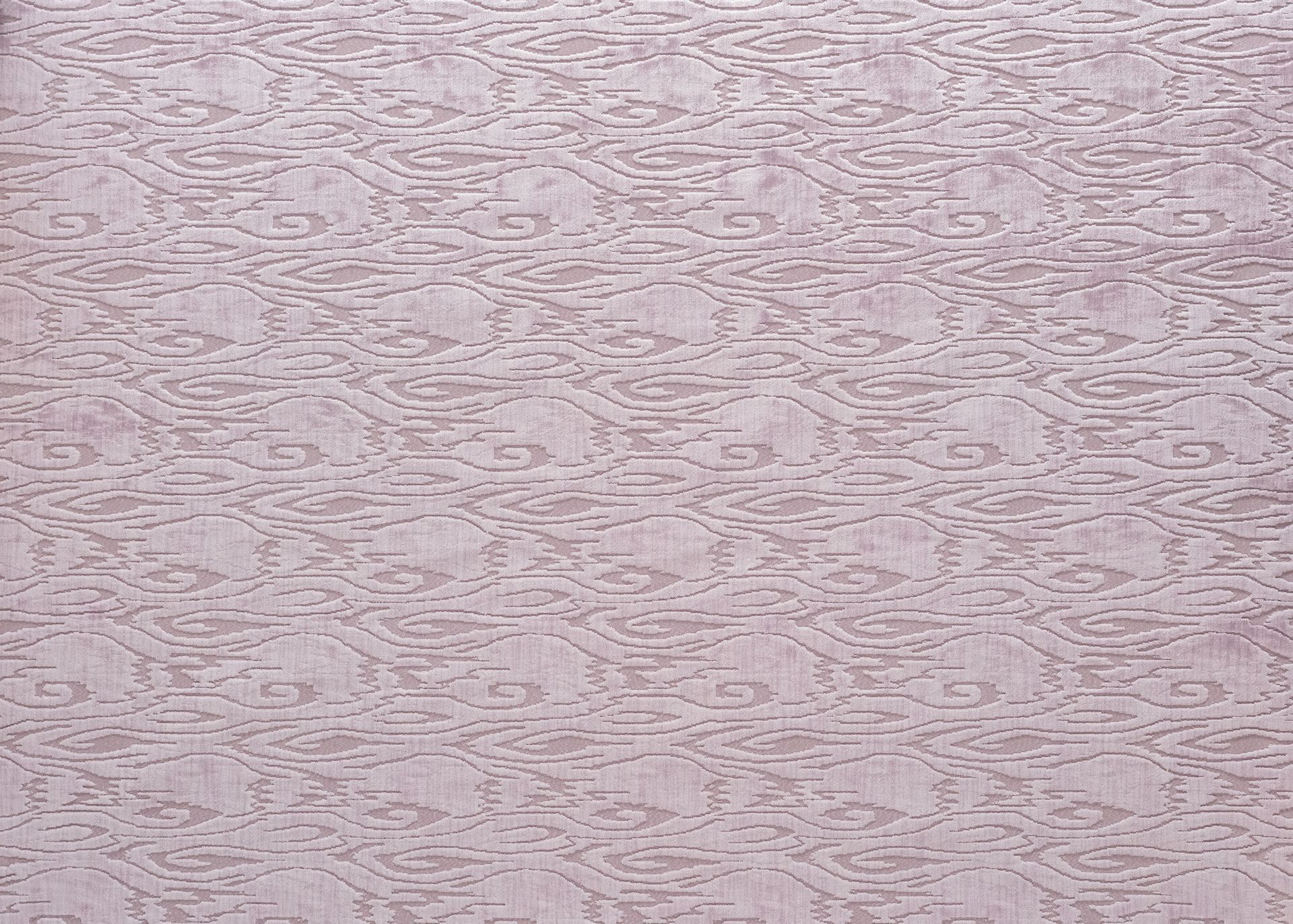
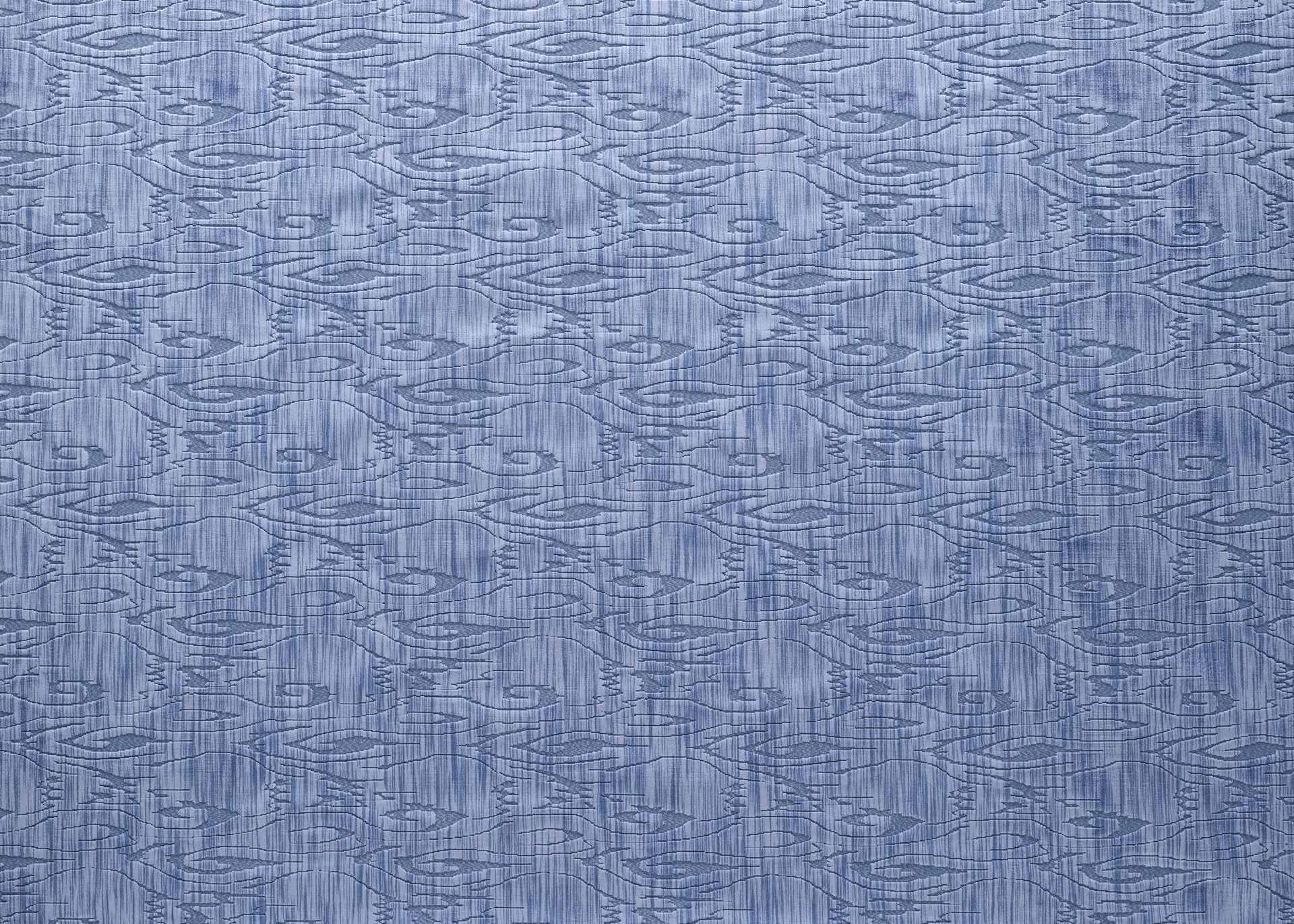
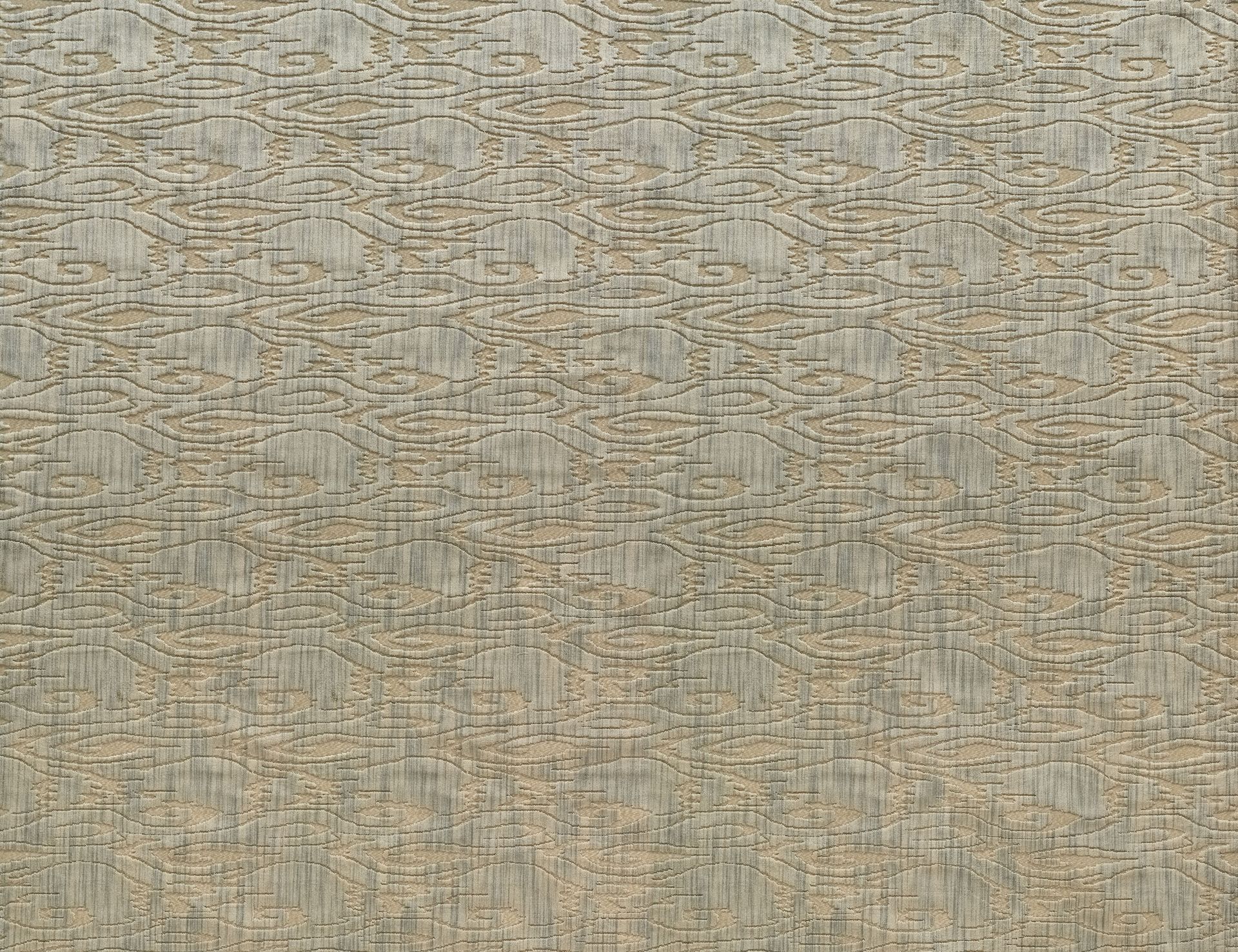
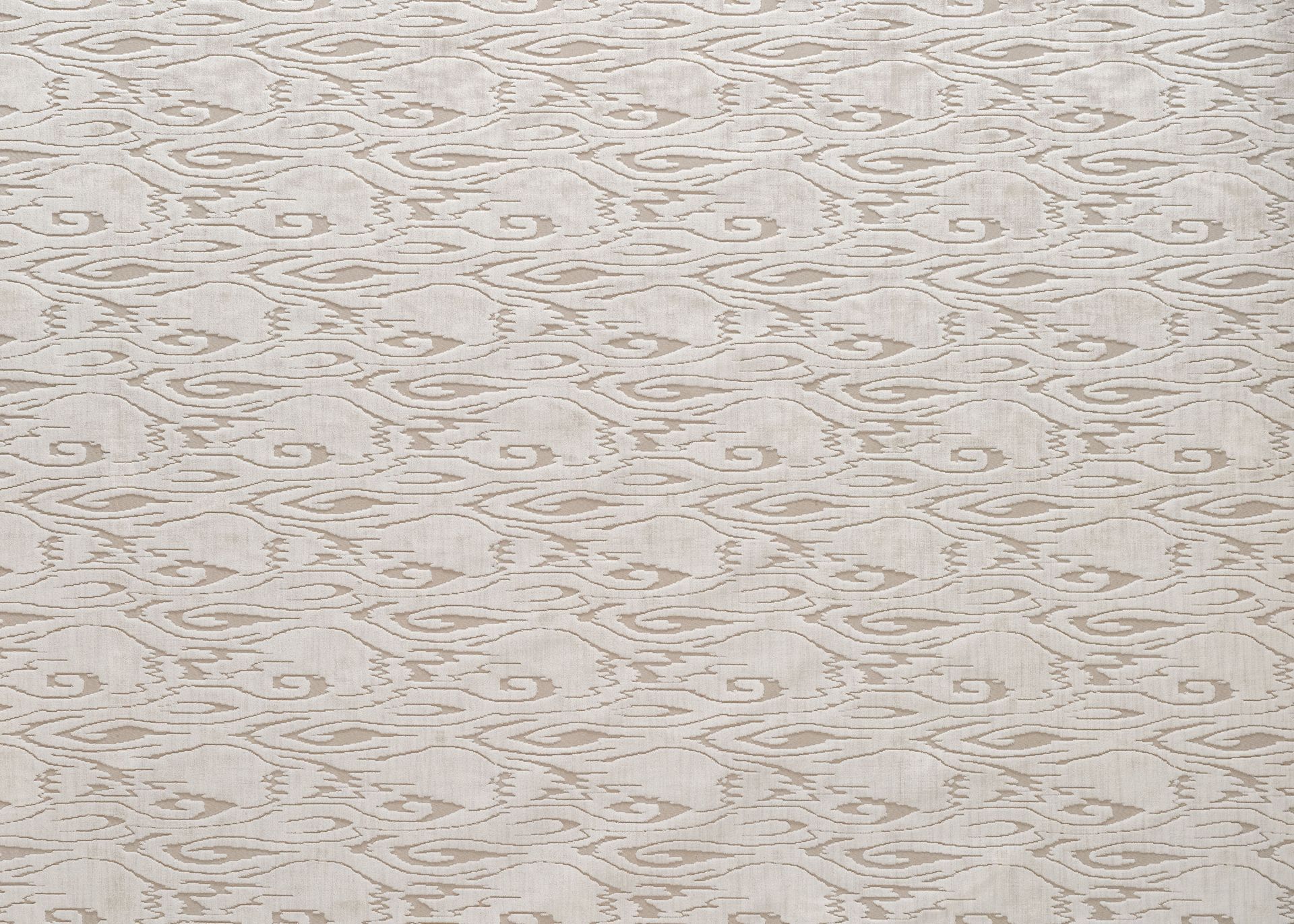
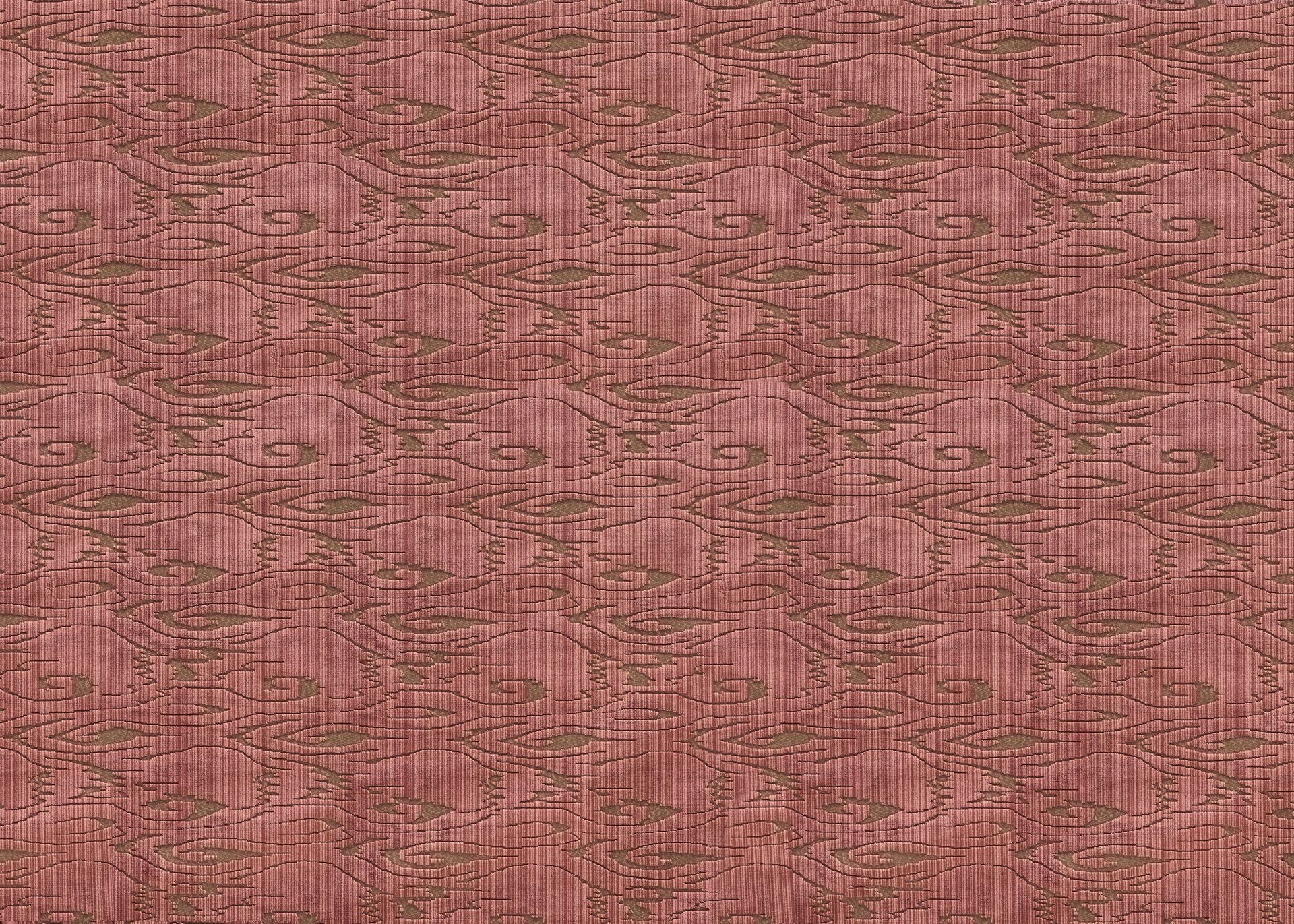
SMALL LINES 824_1S

RENAISSANCE 39361S
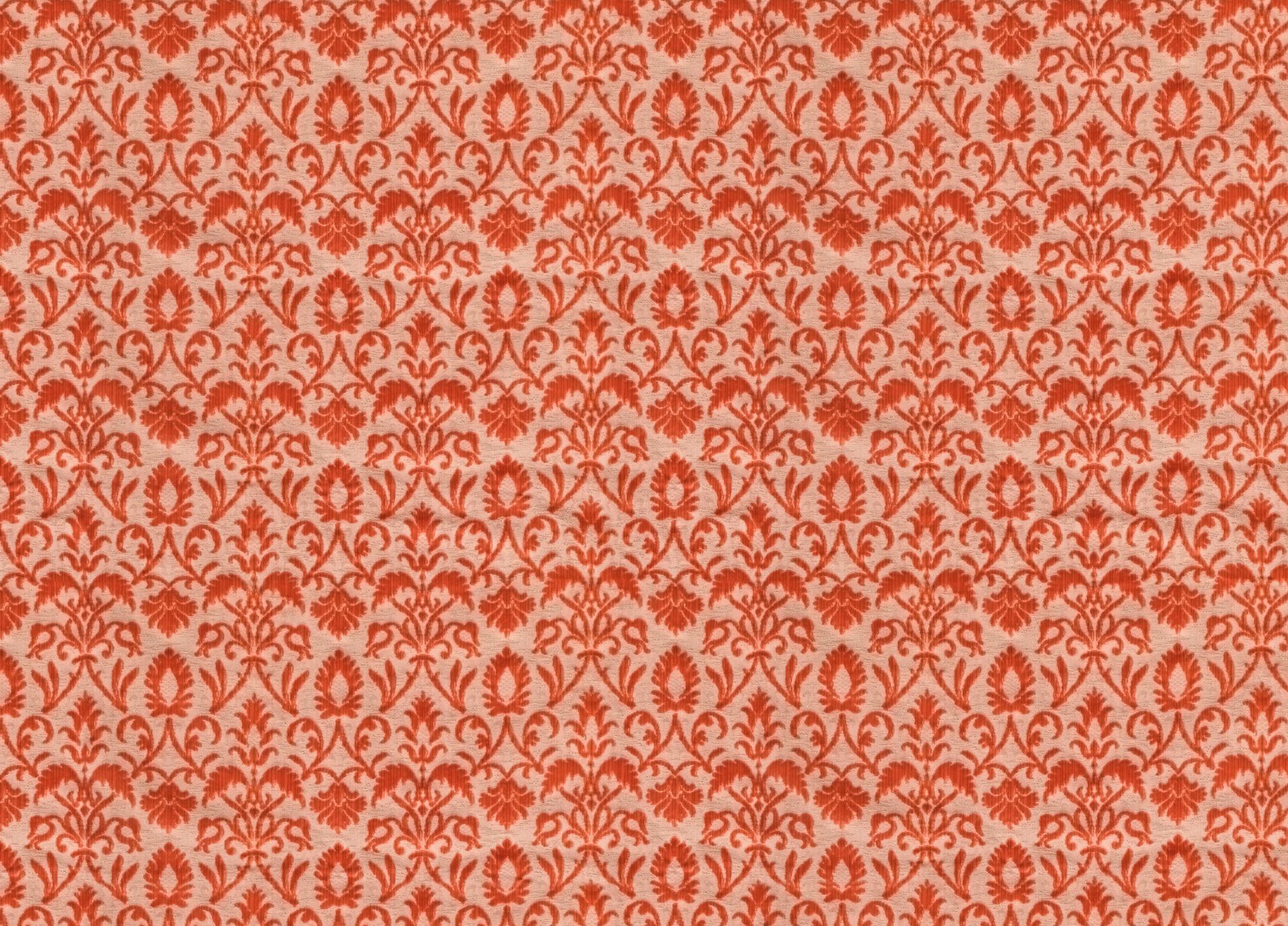
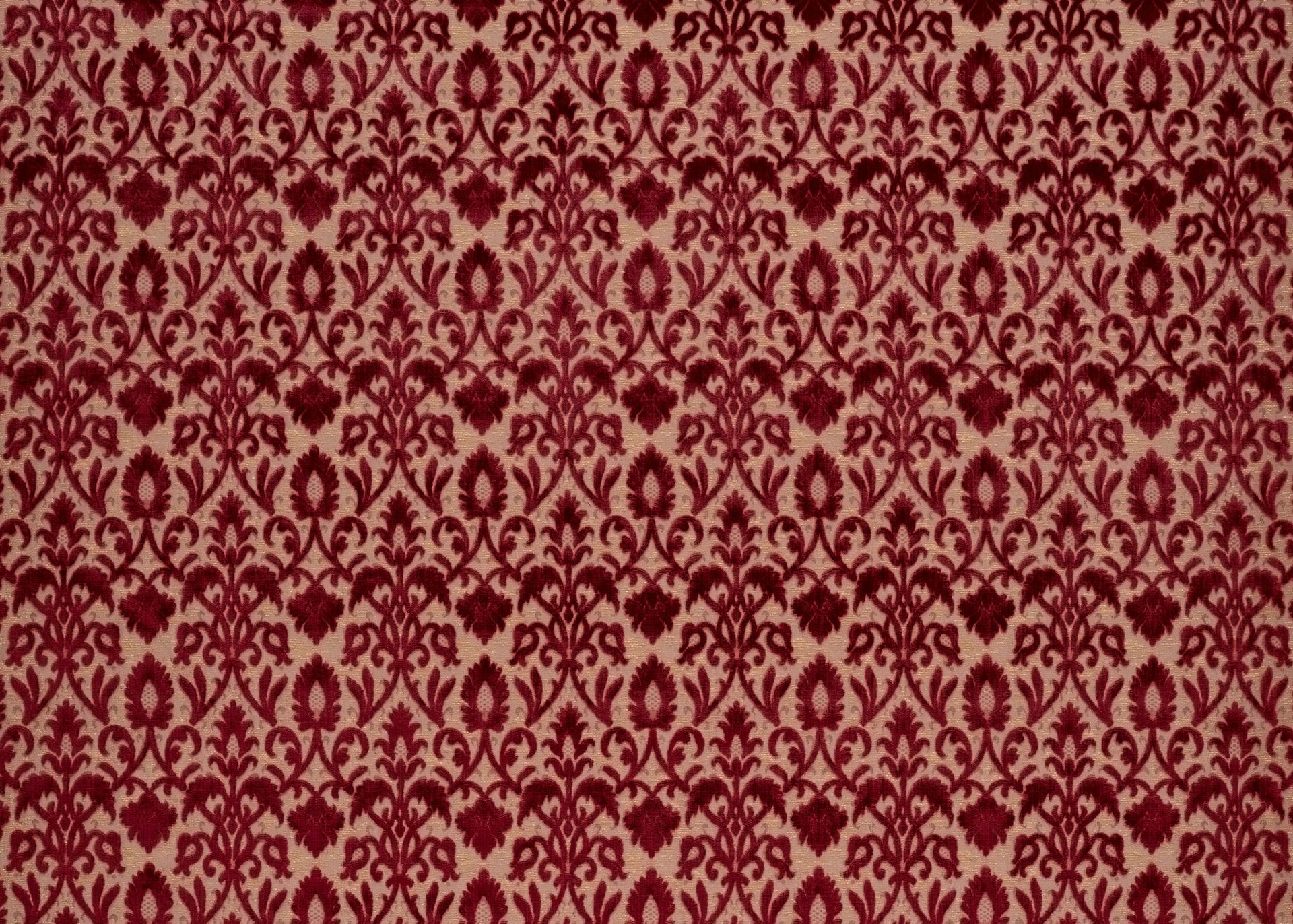
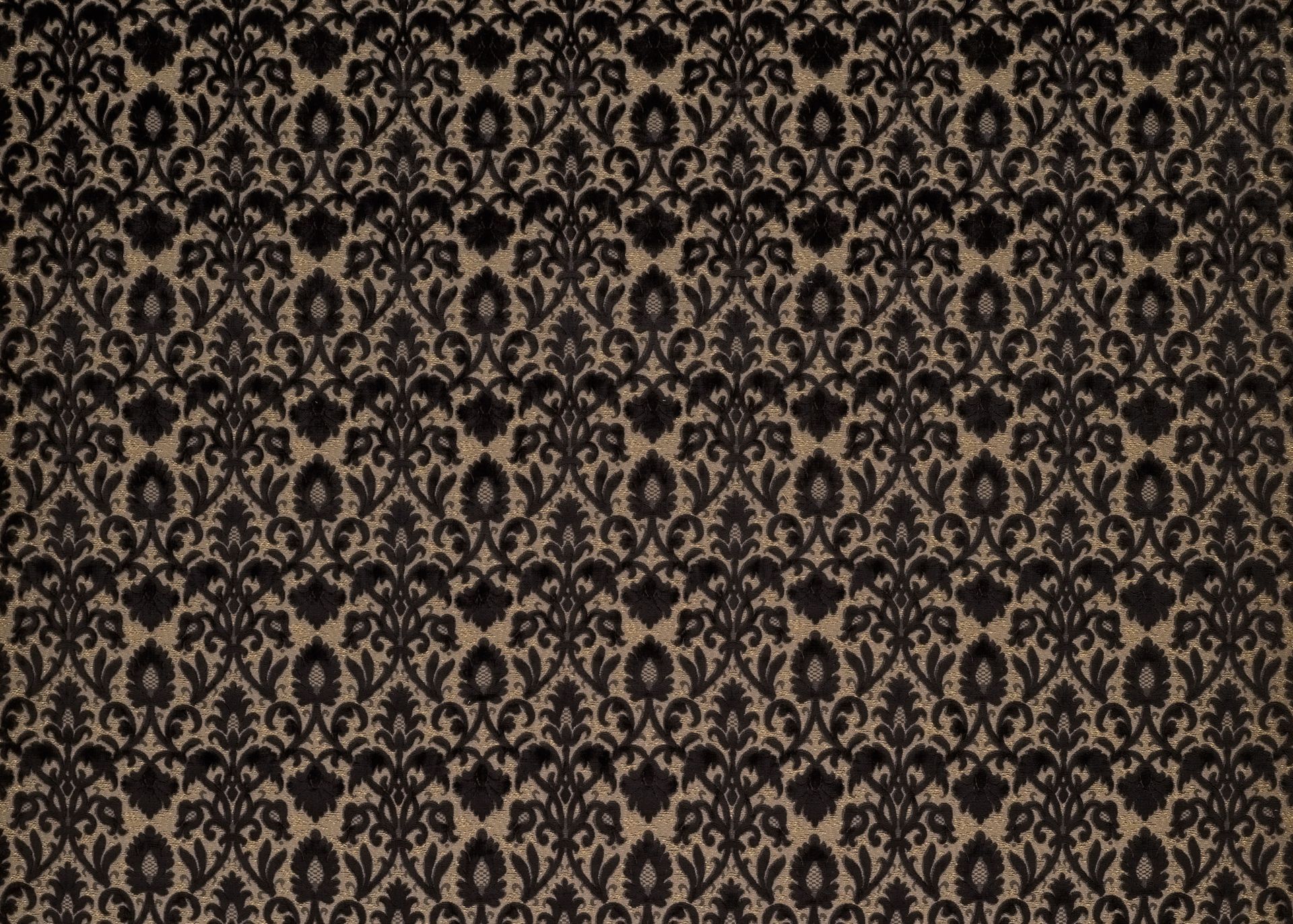
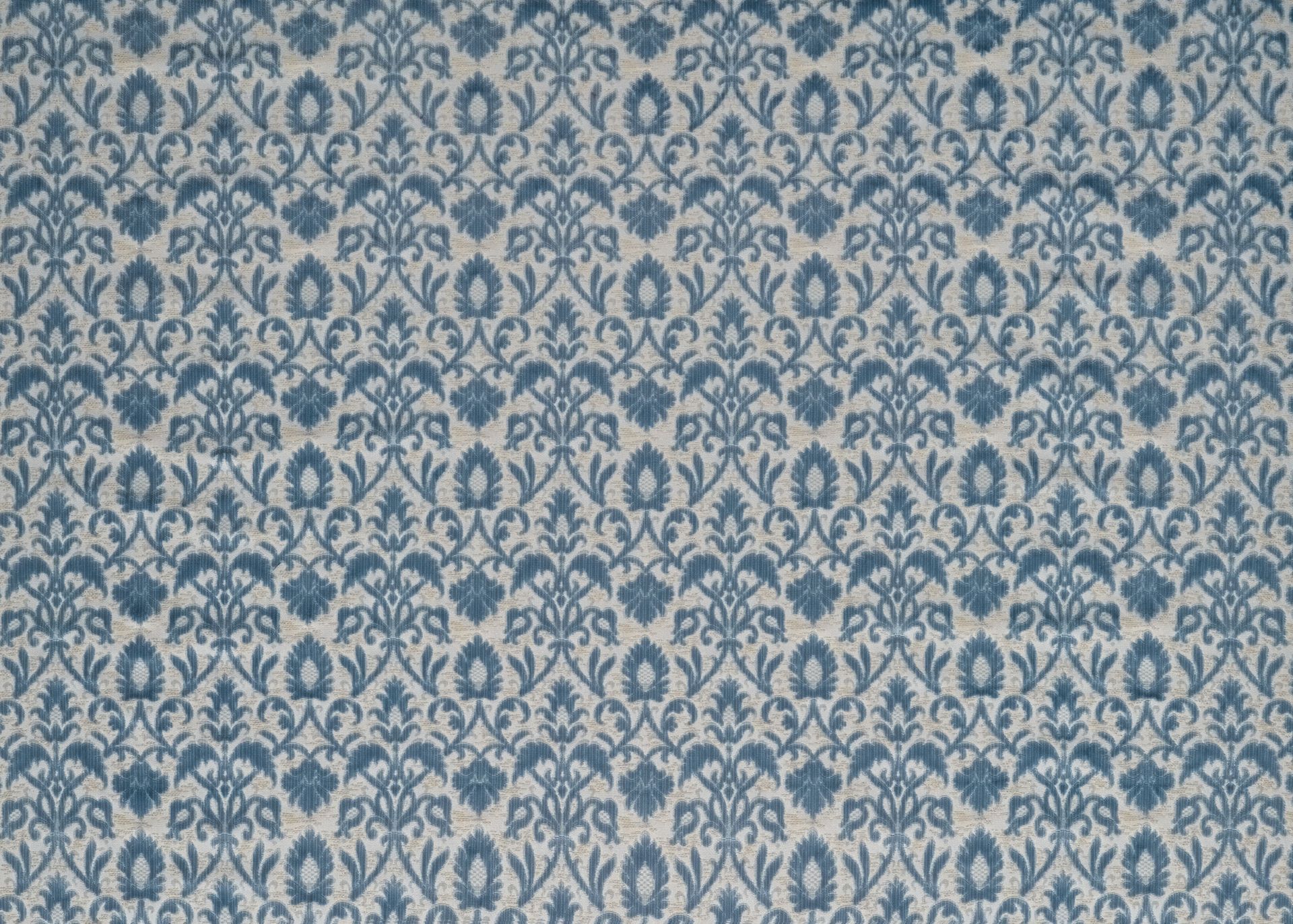
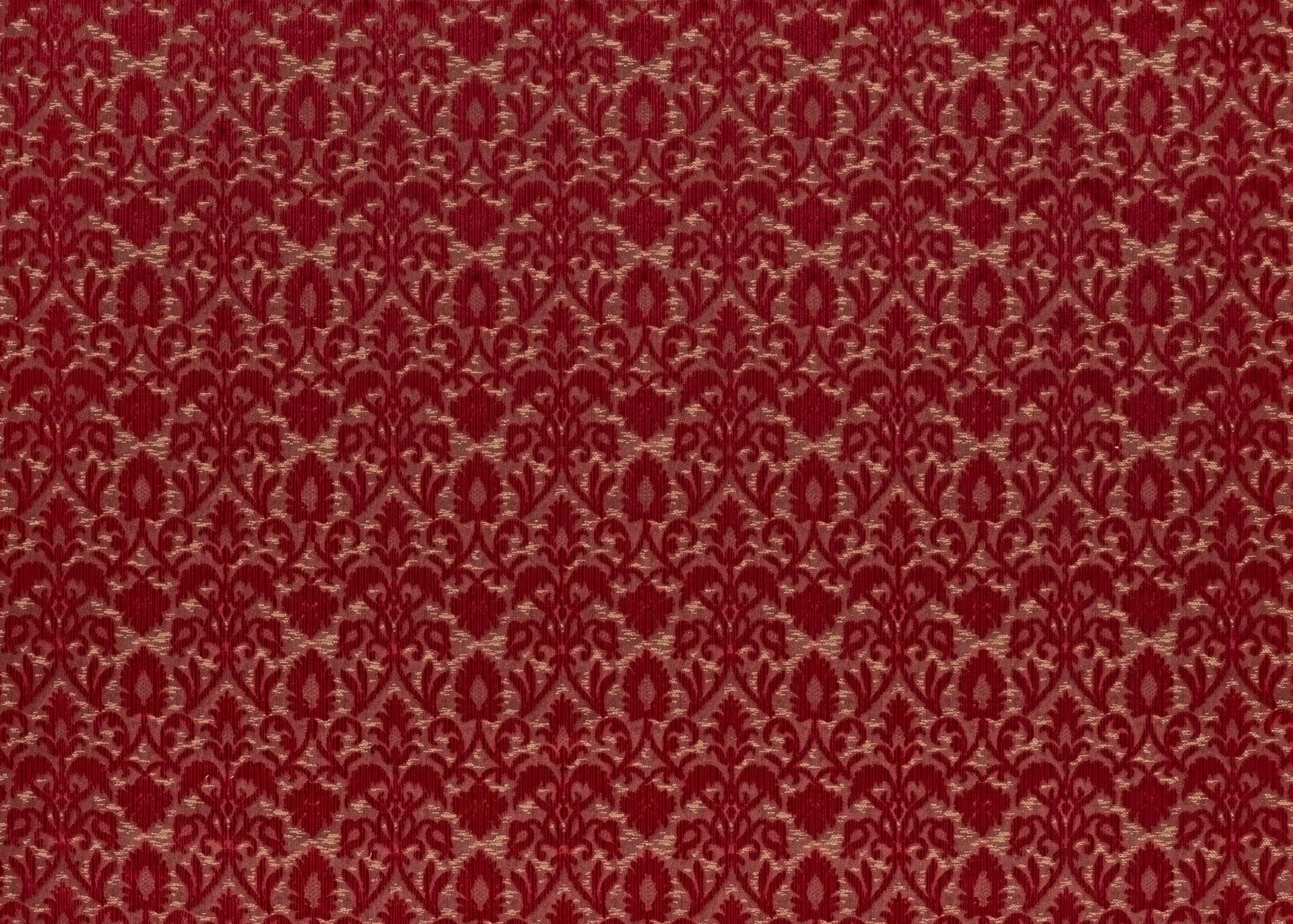
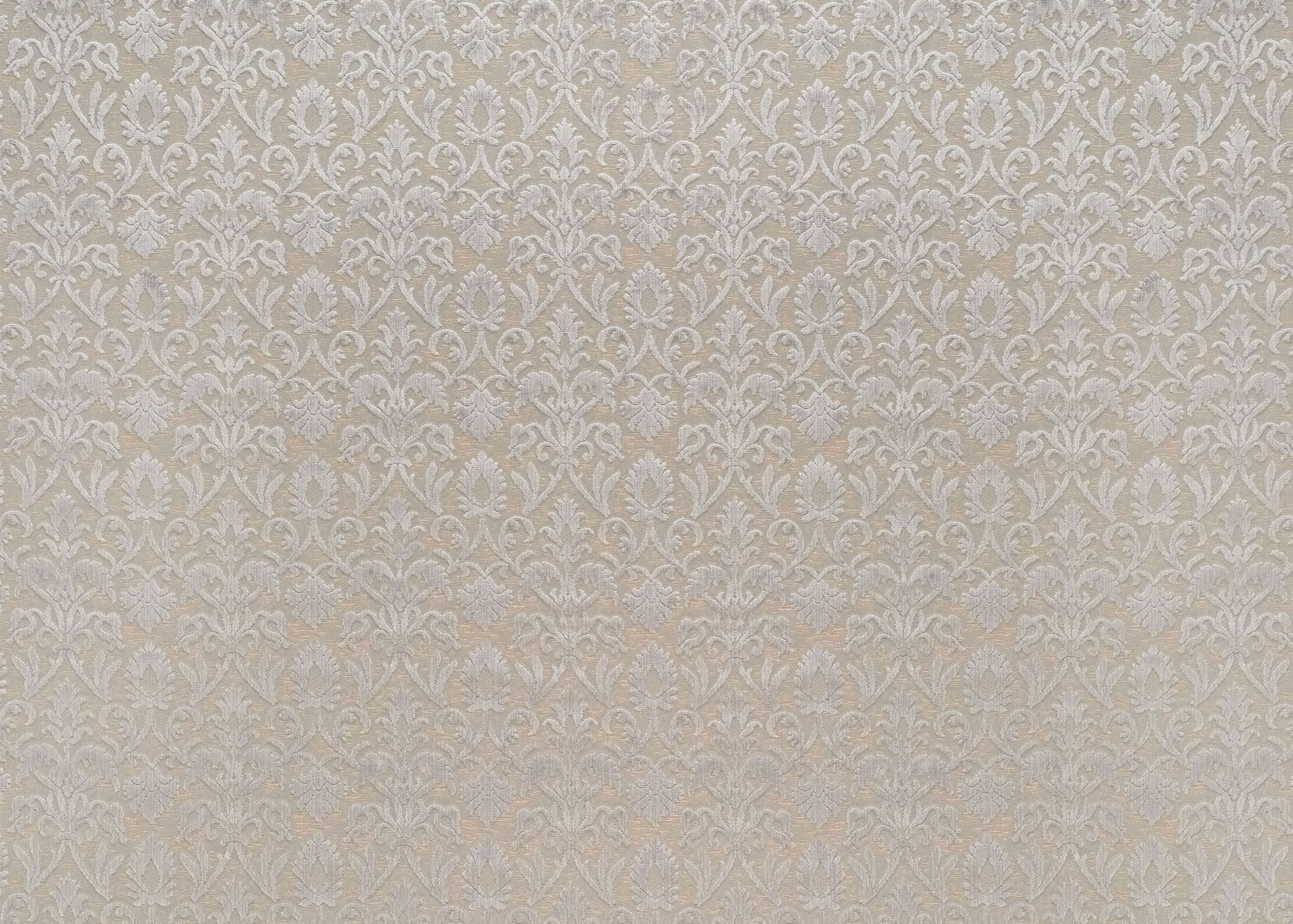
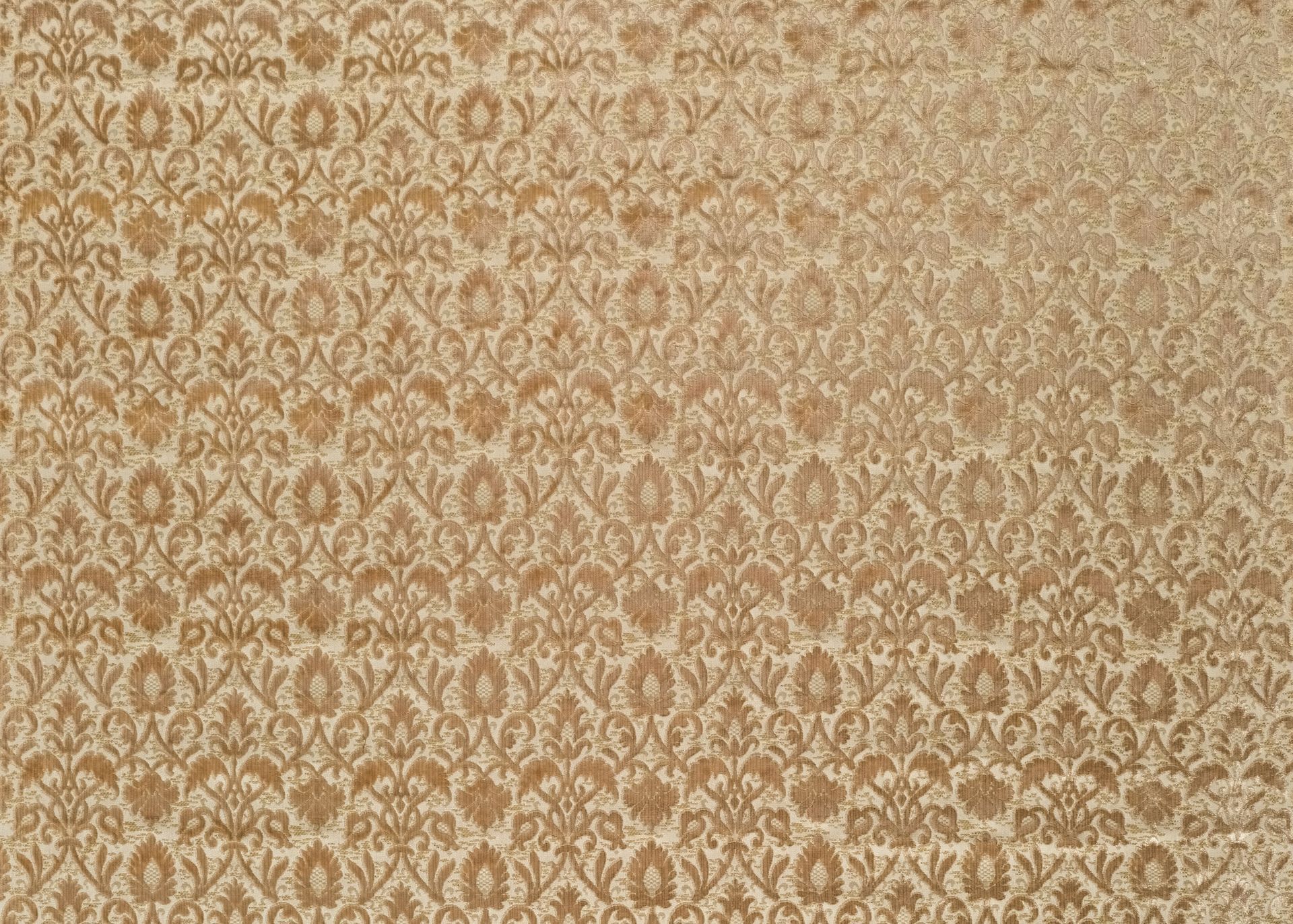
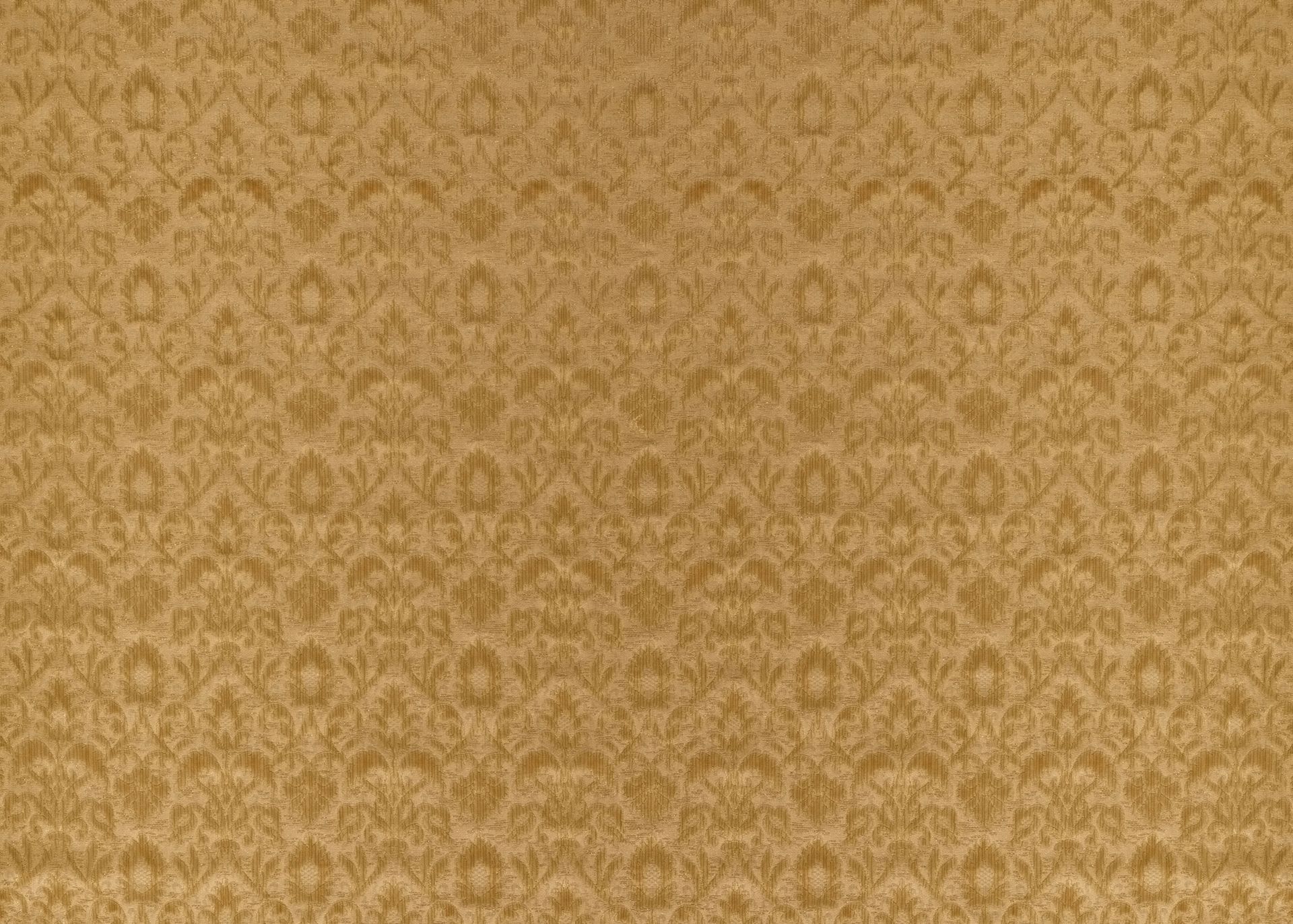
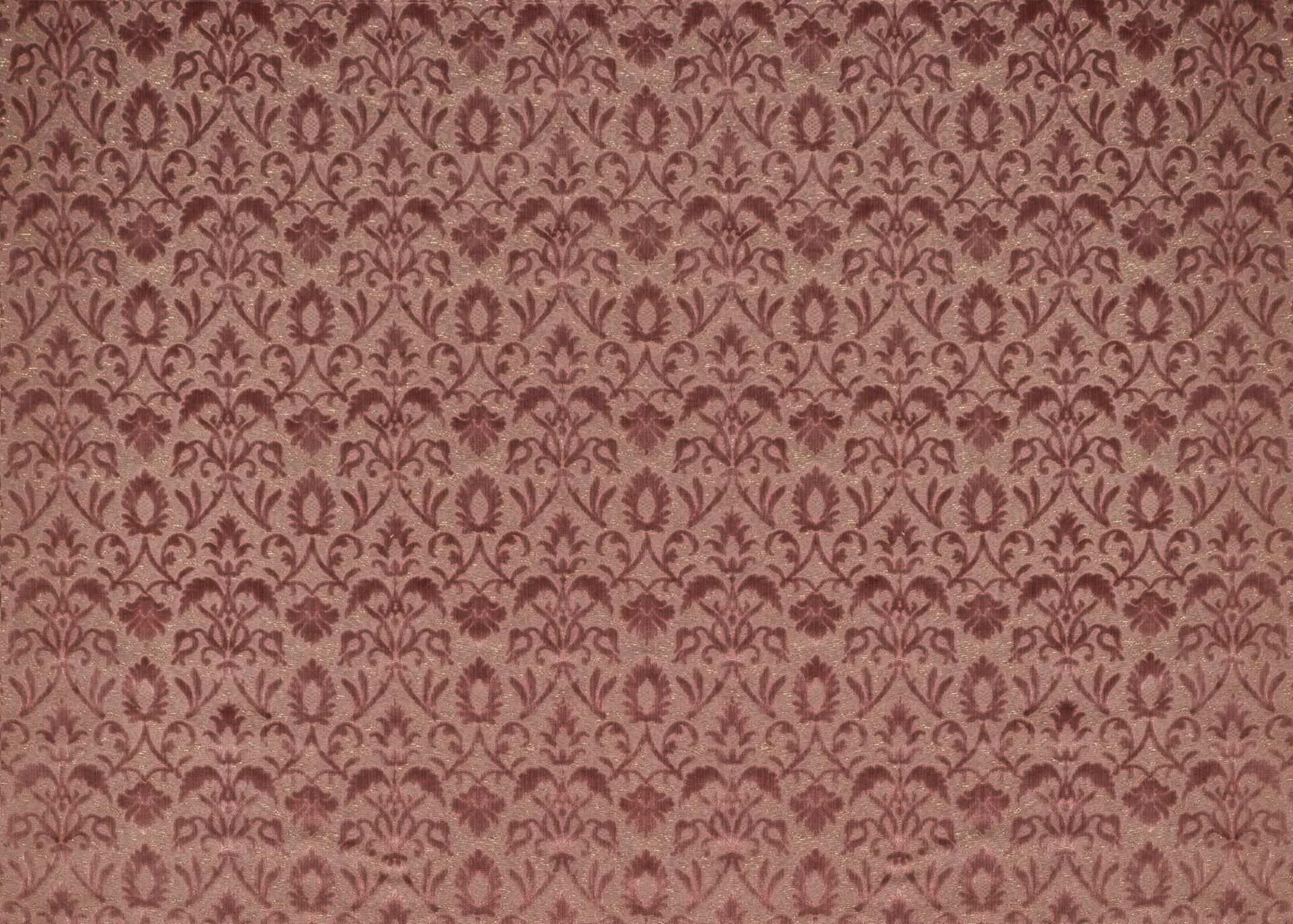
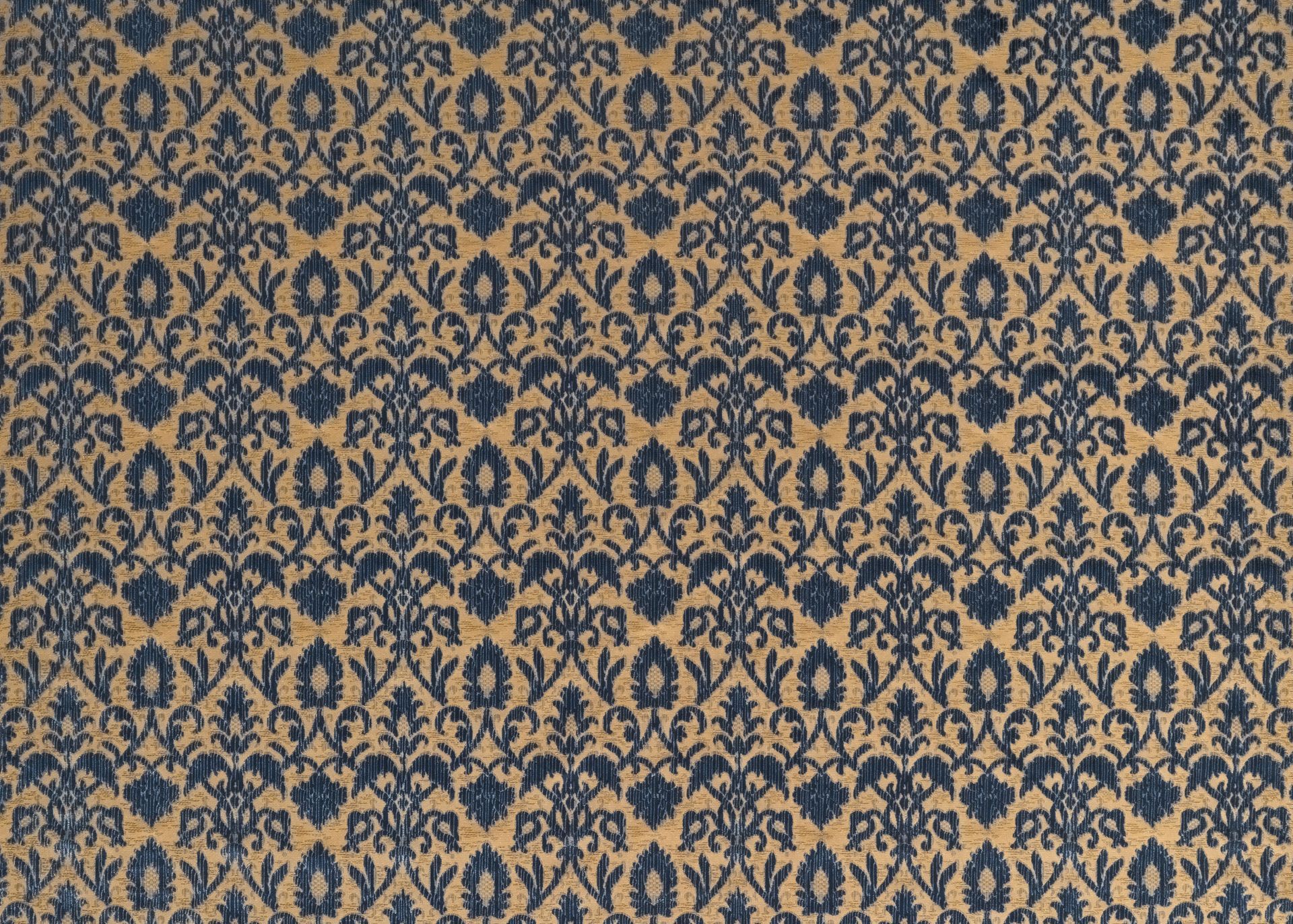
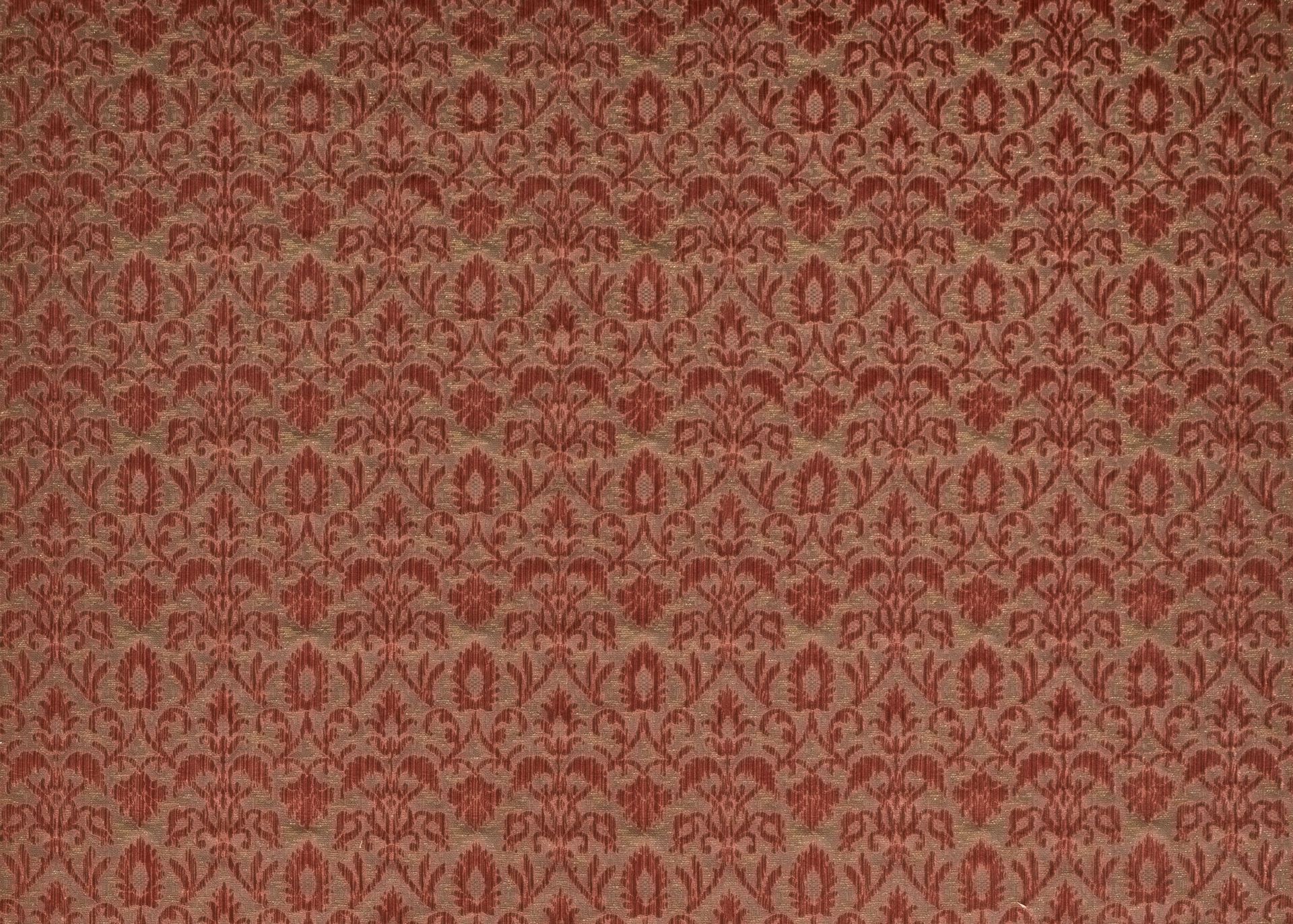
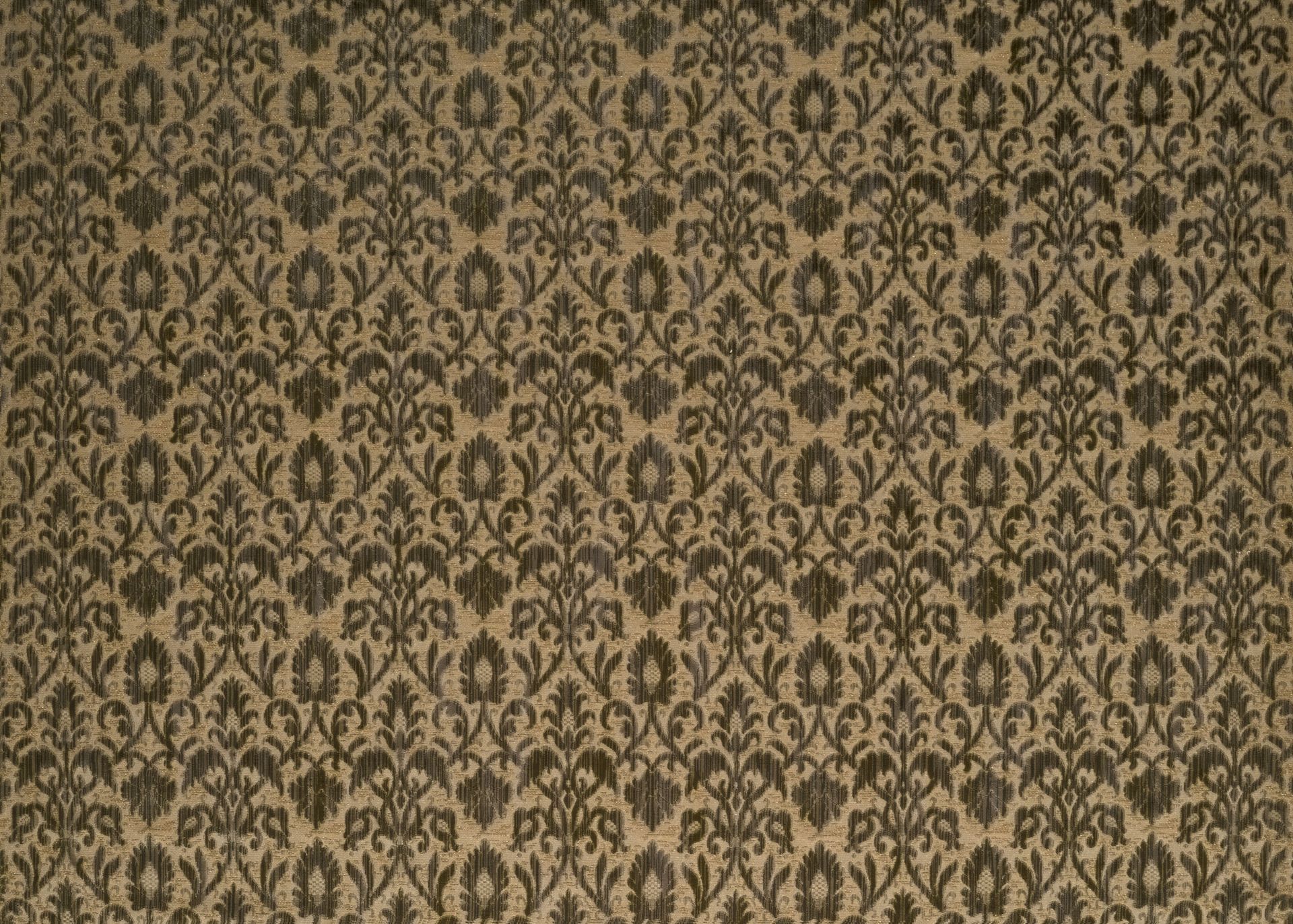
SENATORS 3970D
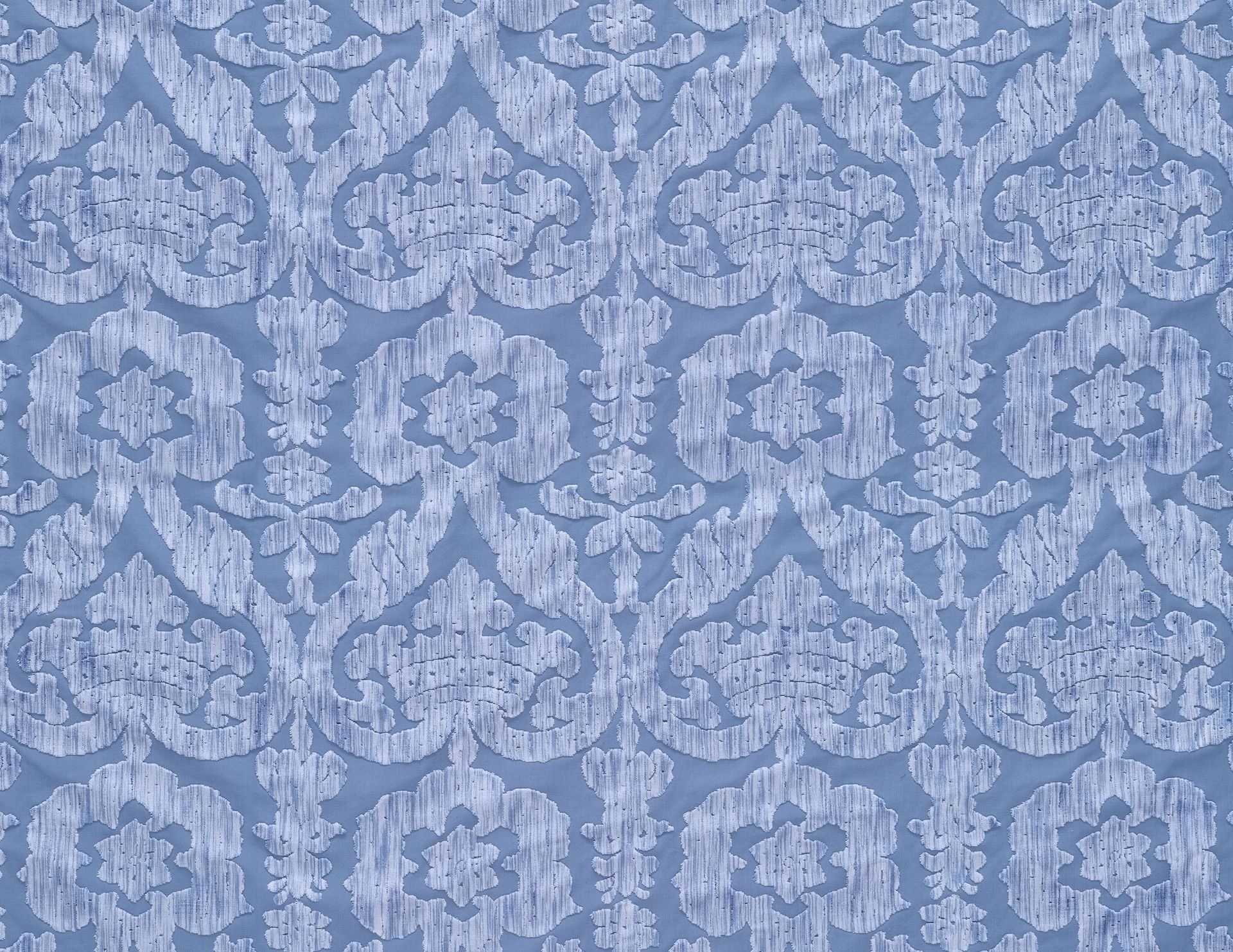
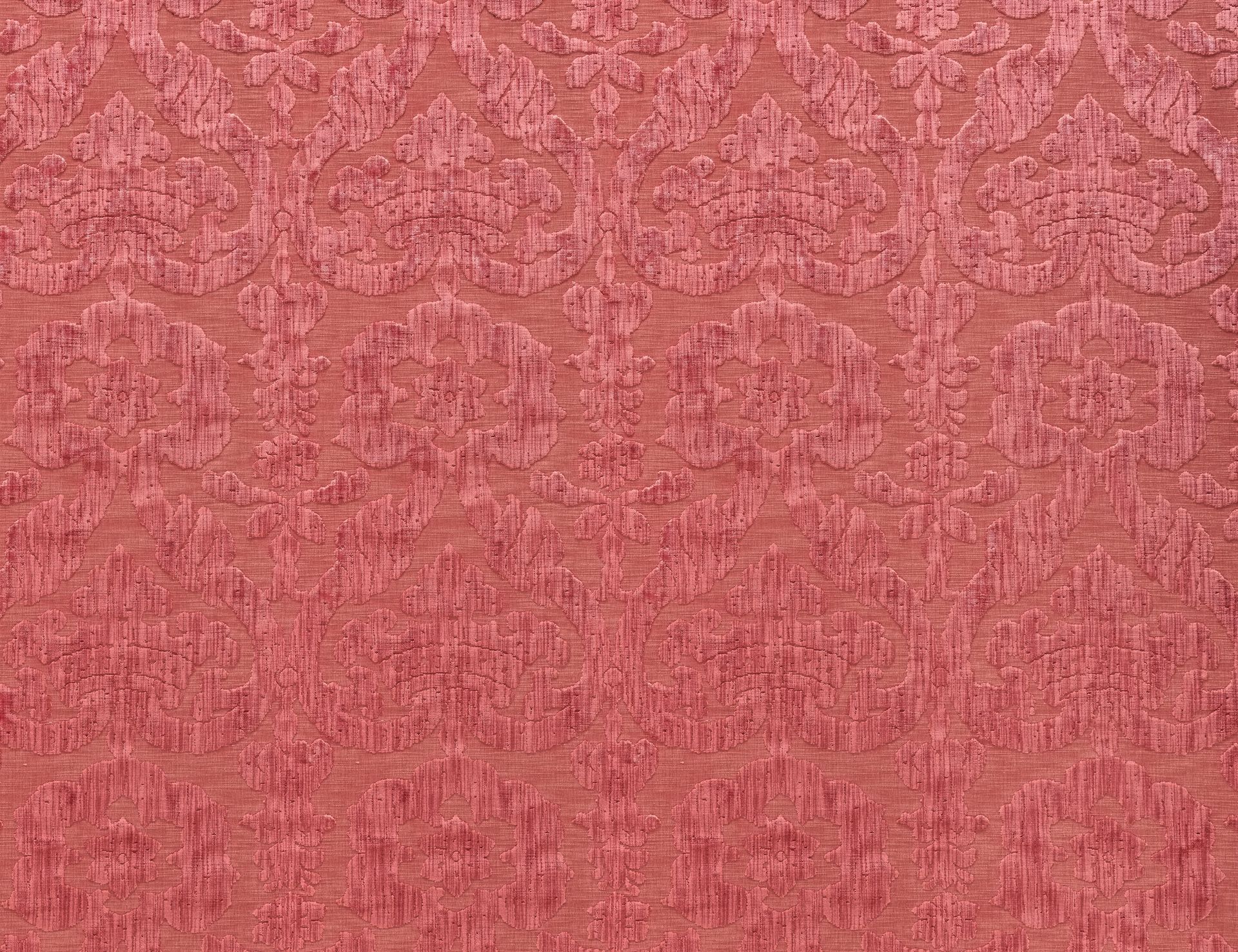
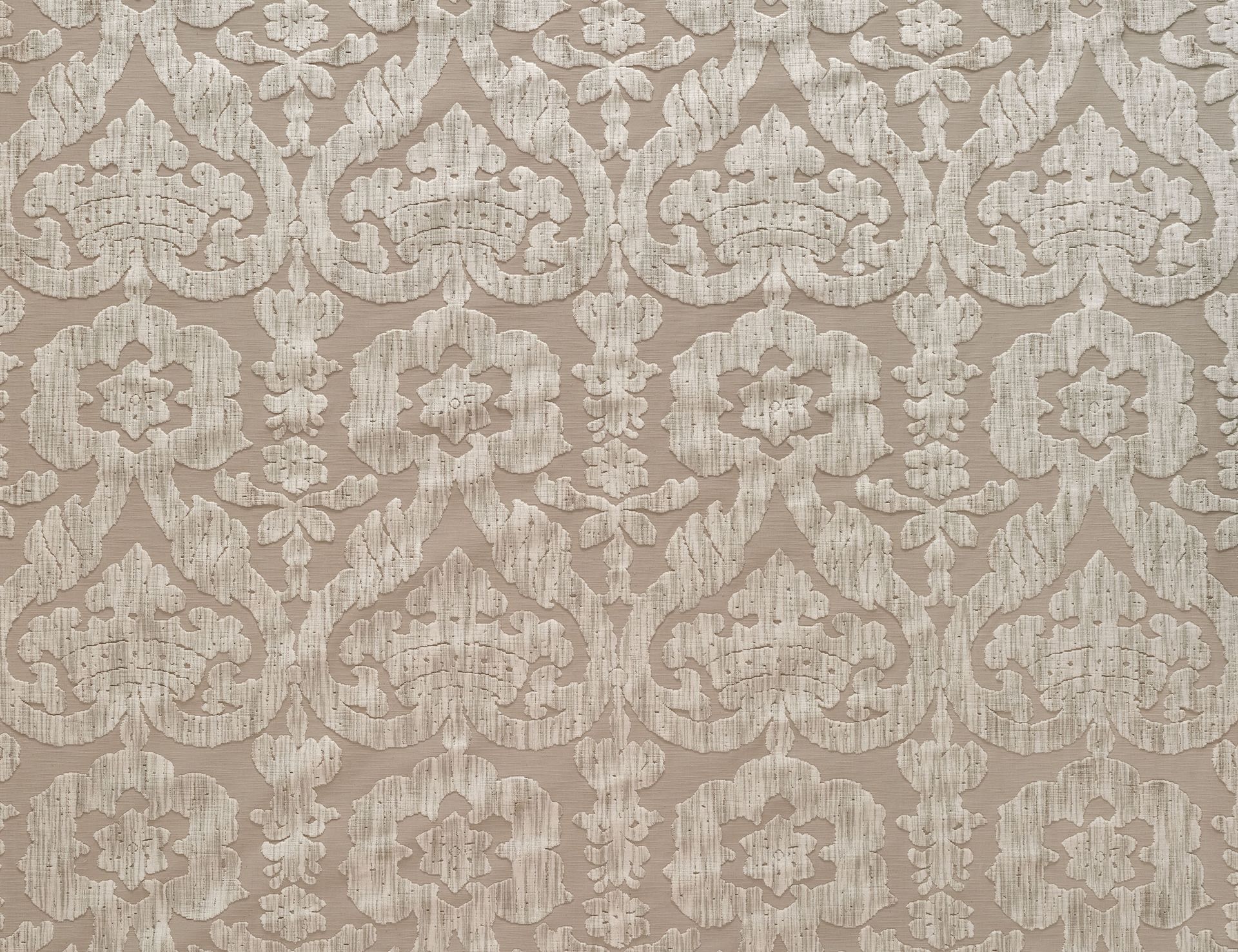
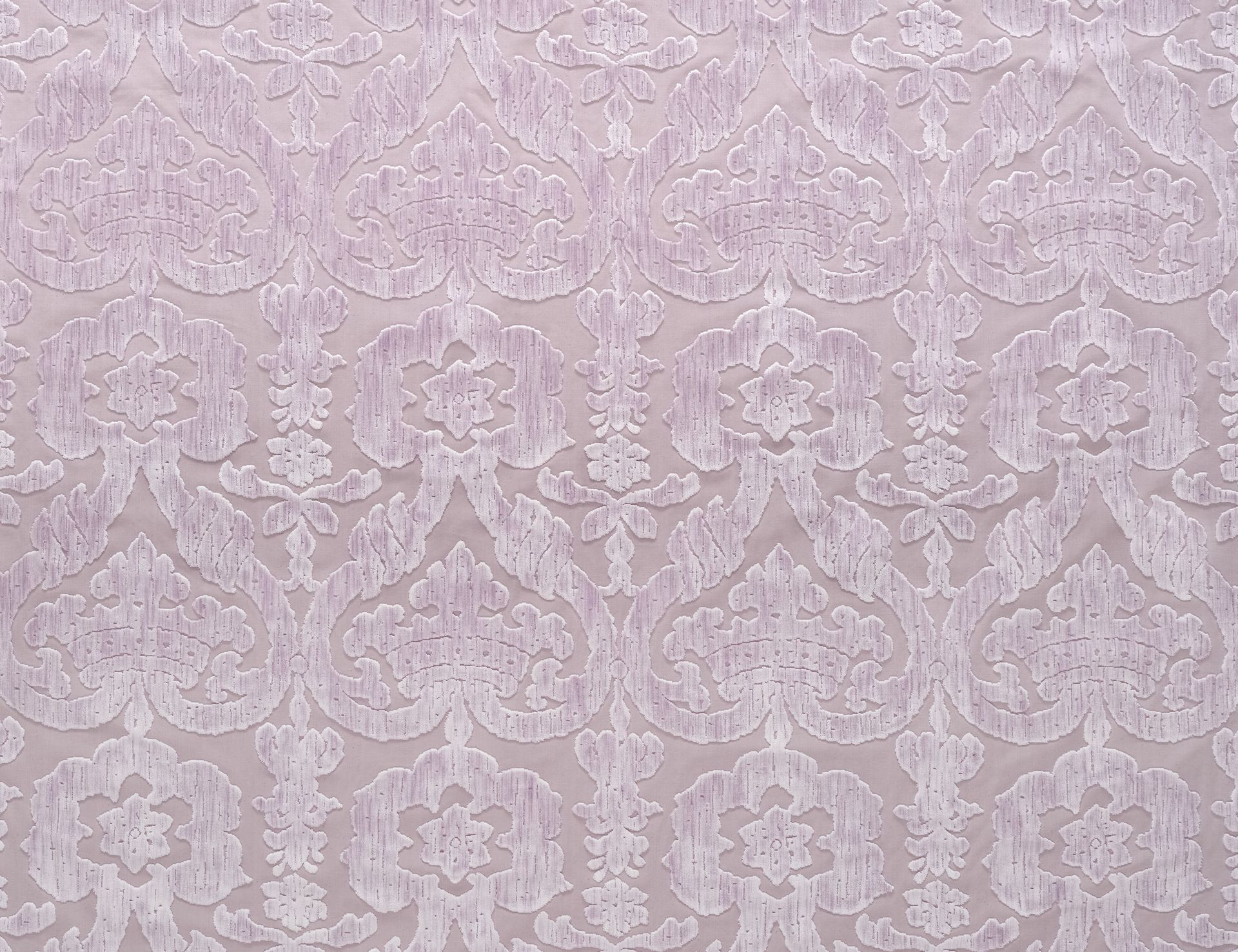
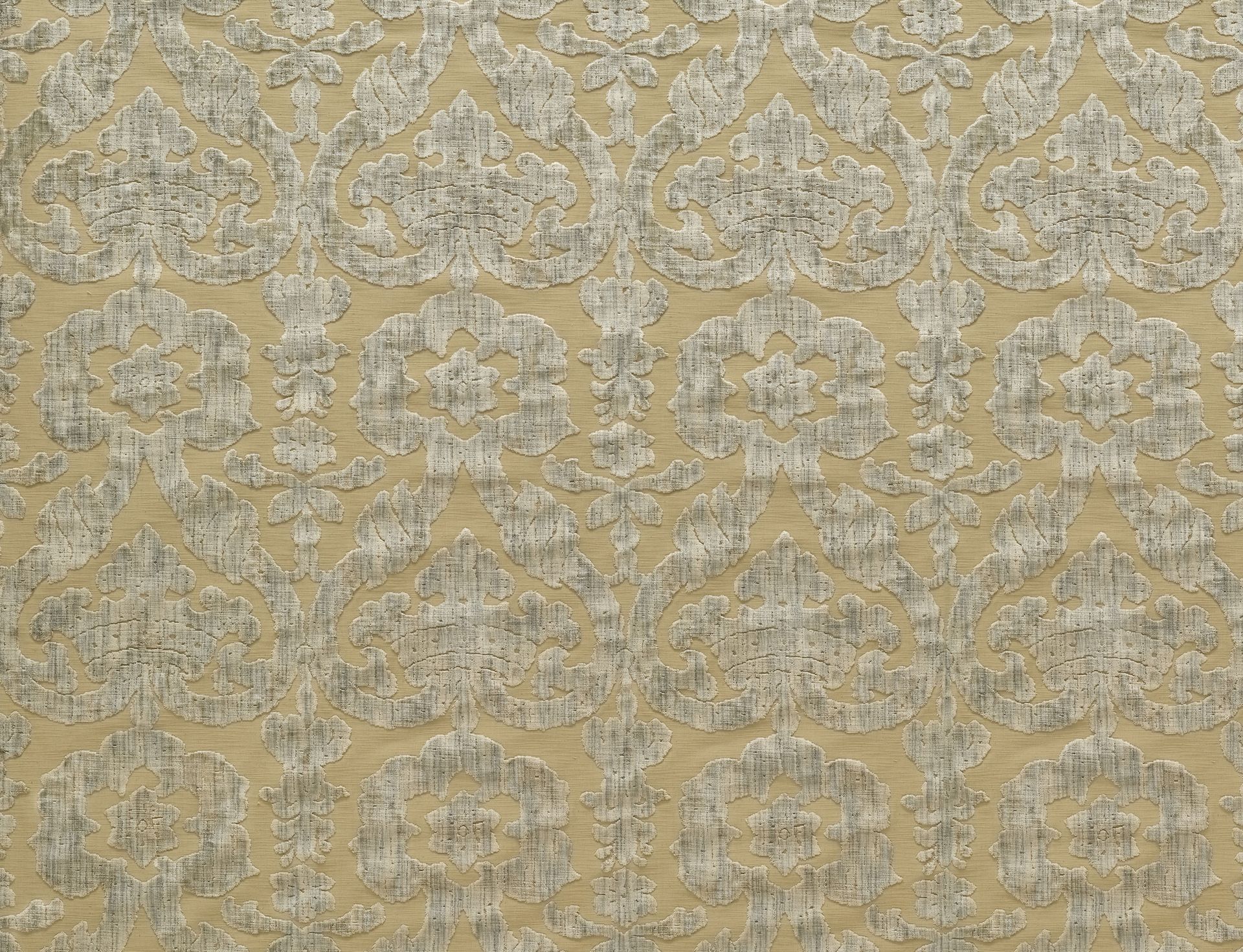
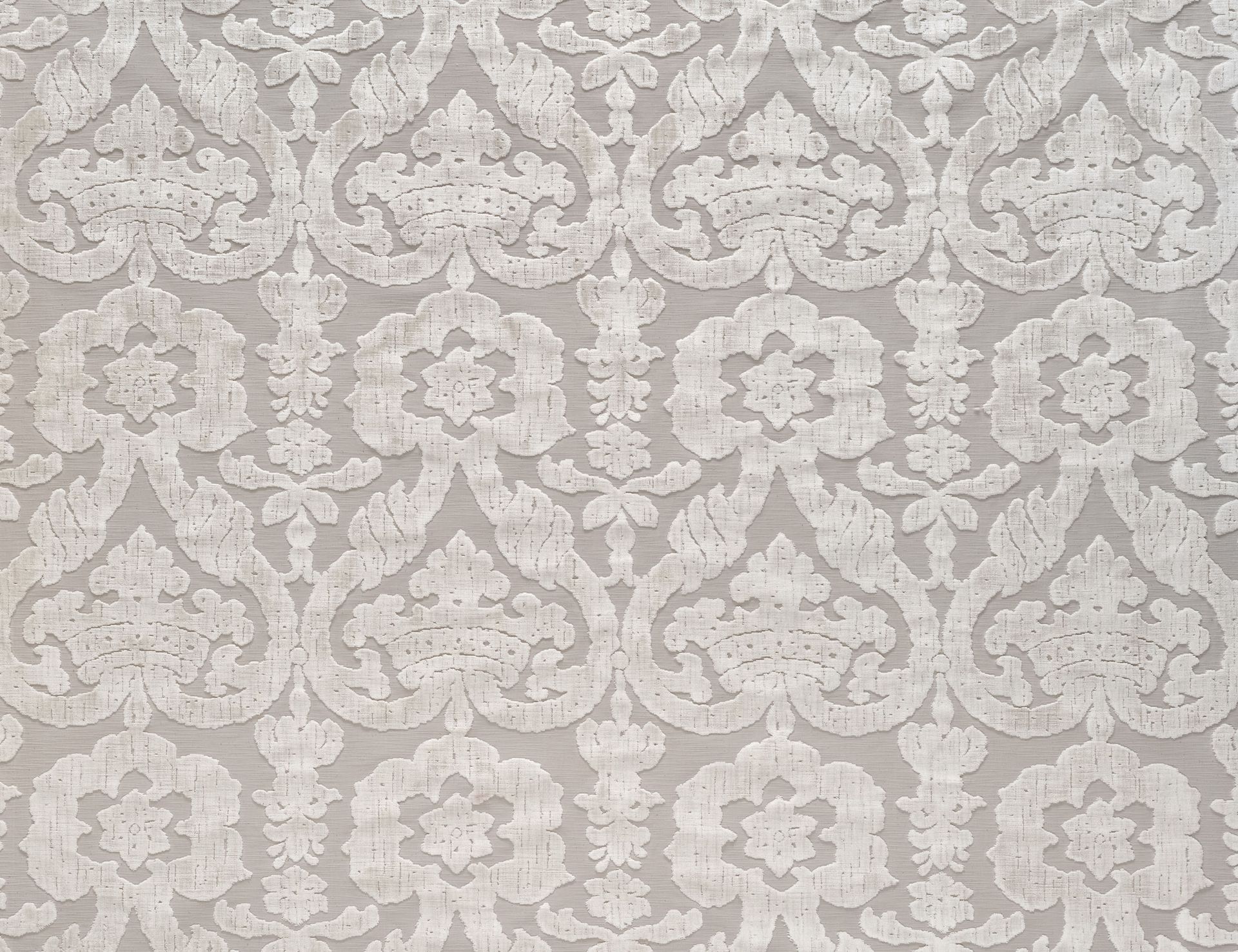
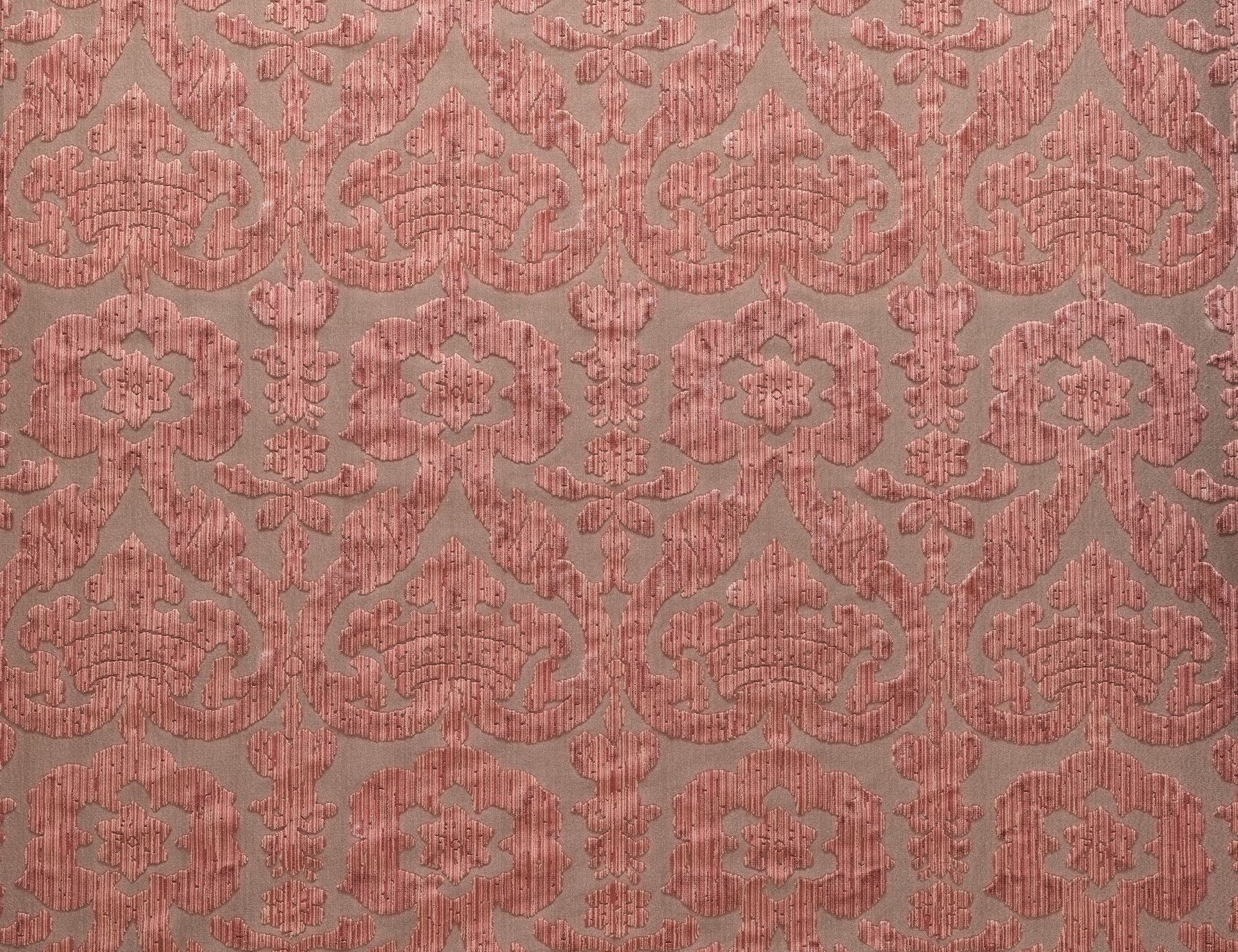
SHOPPED 3946S
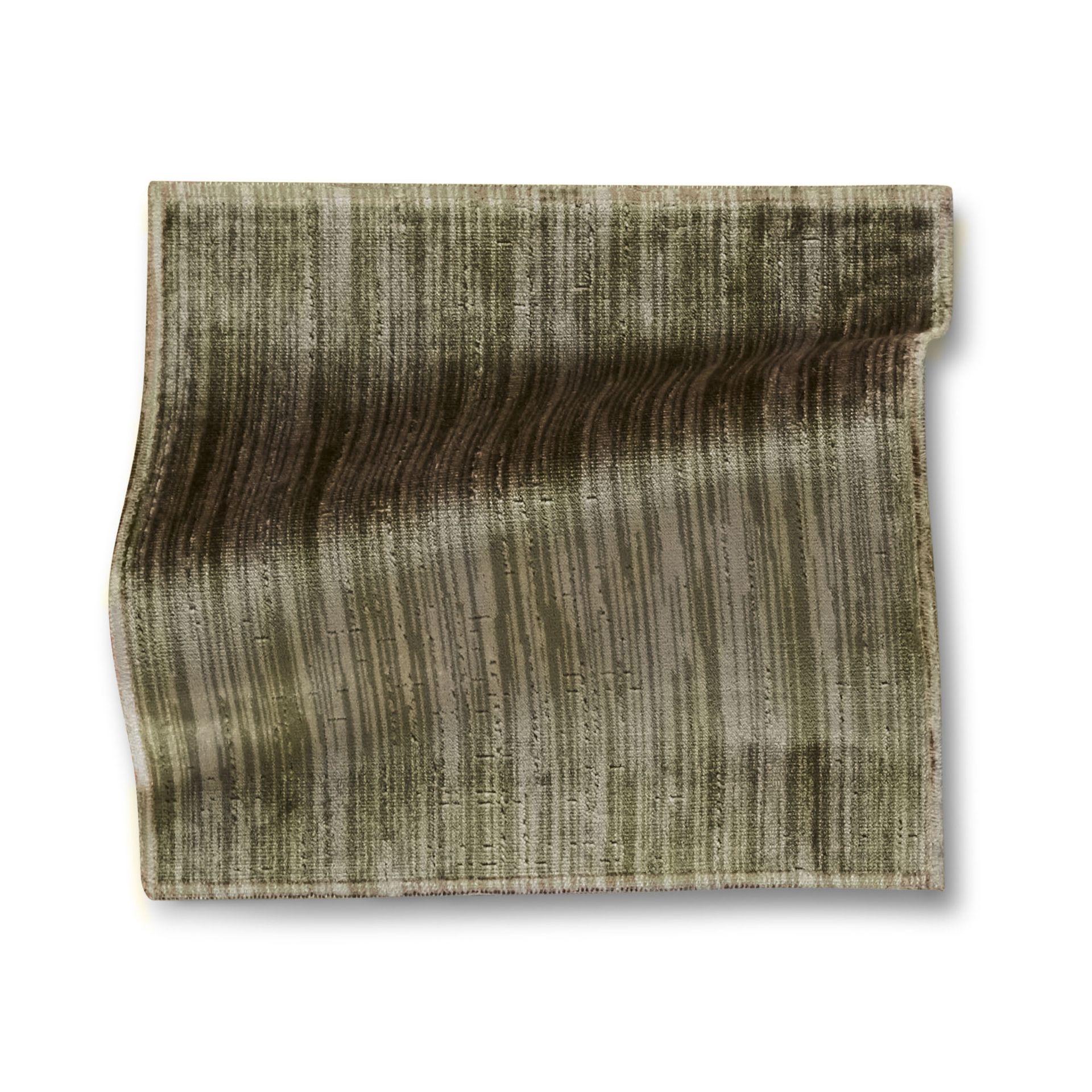
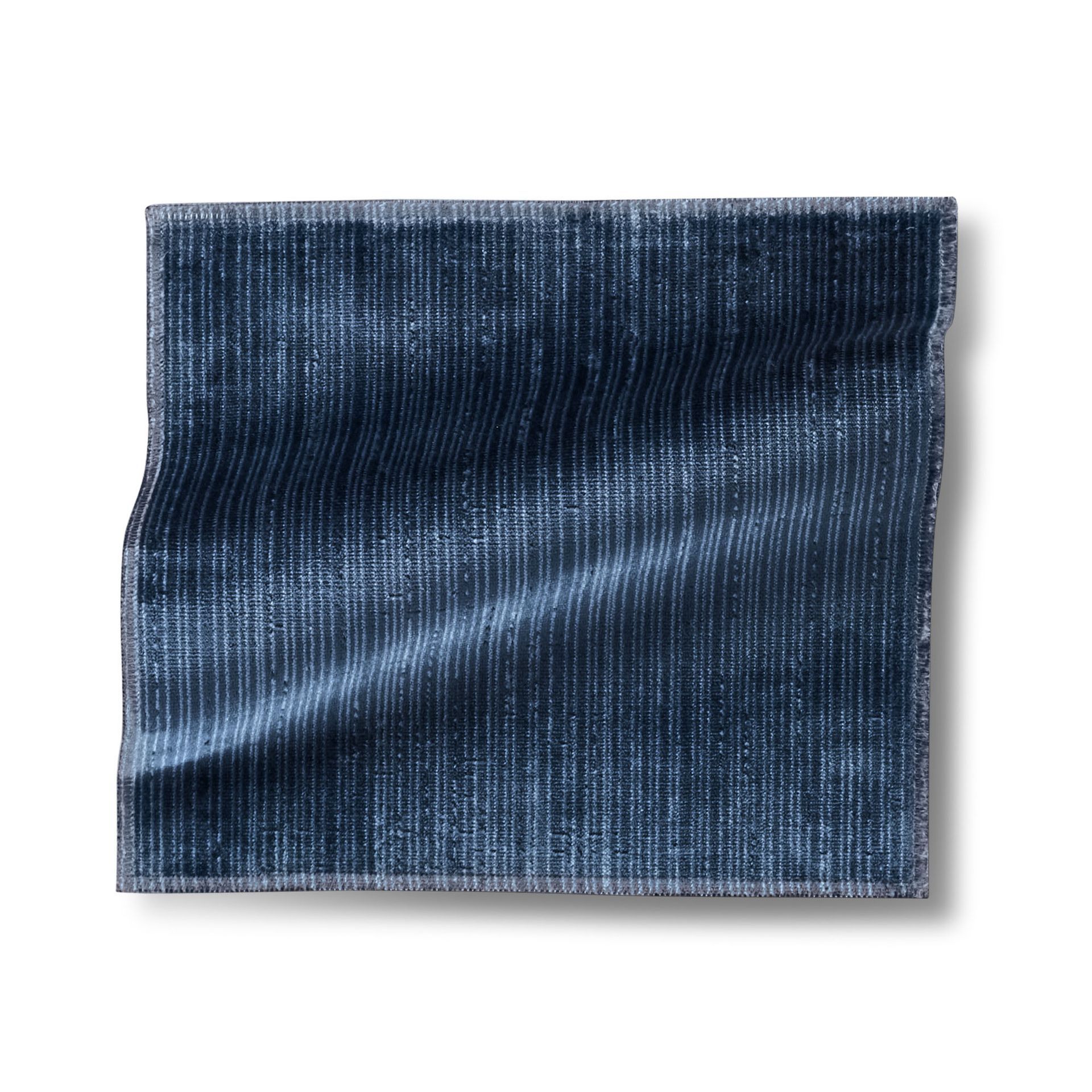
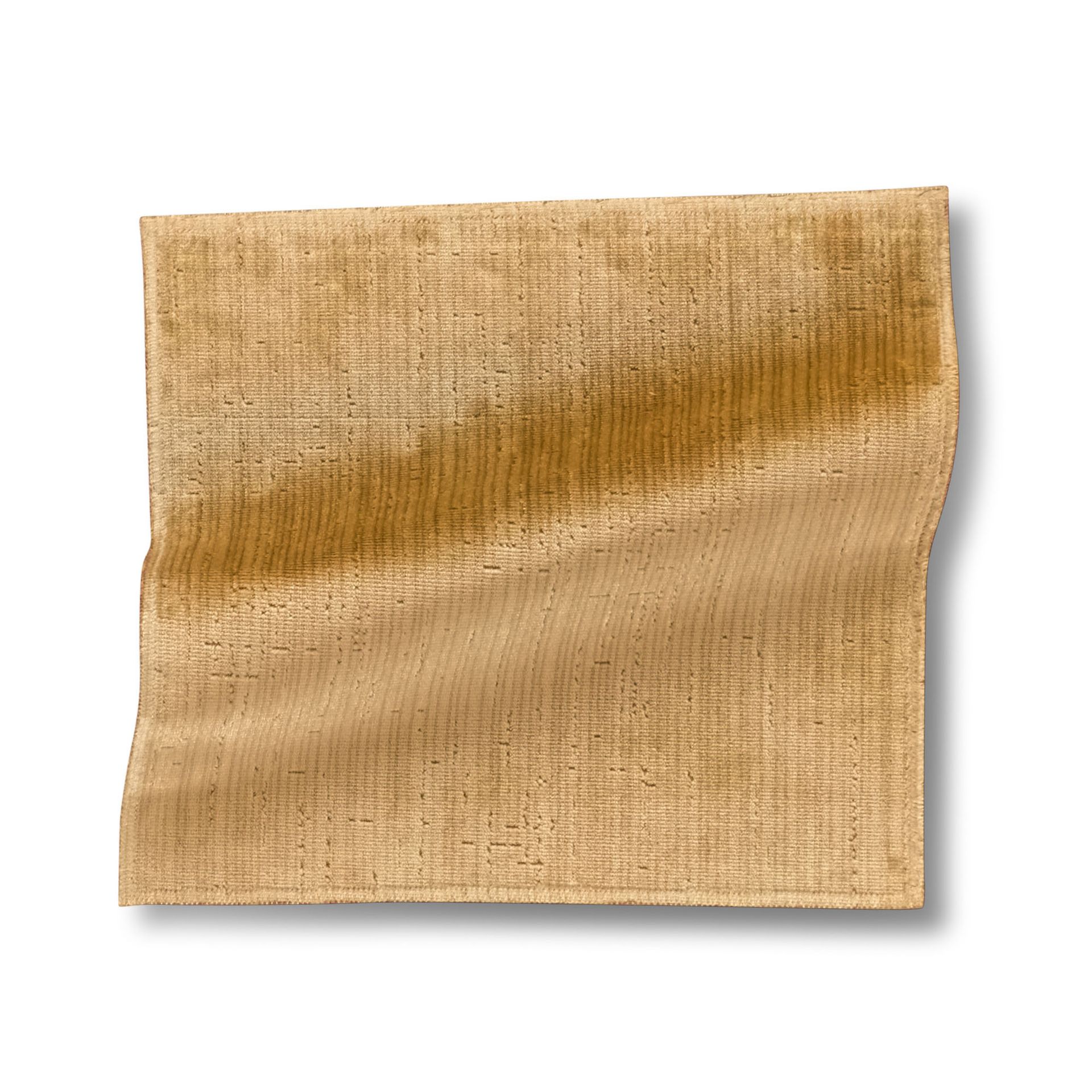
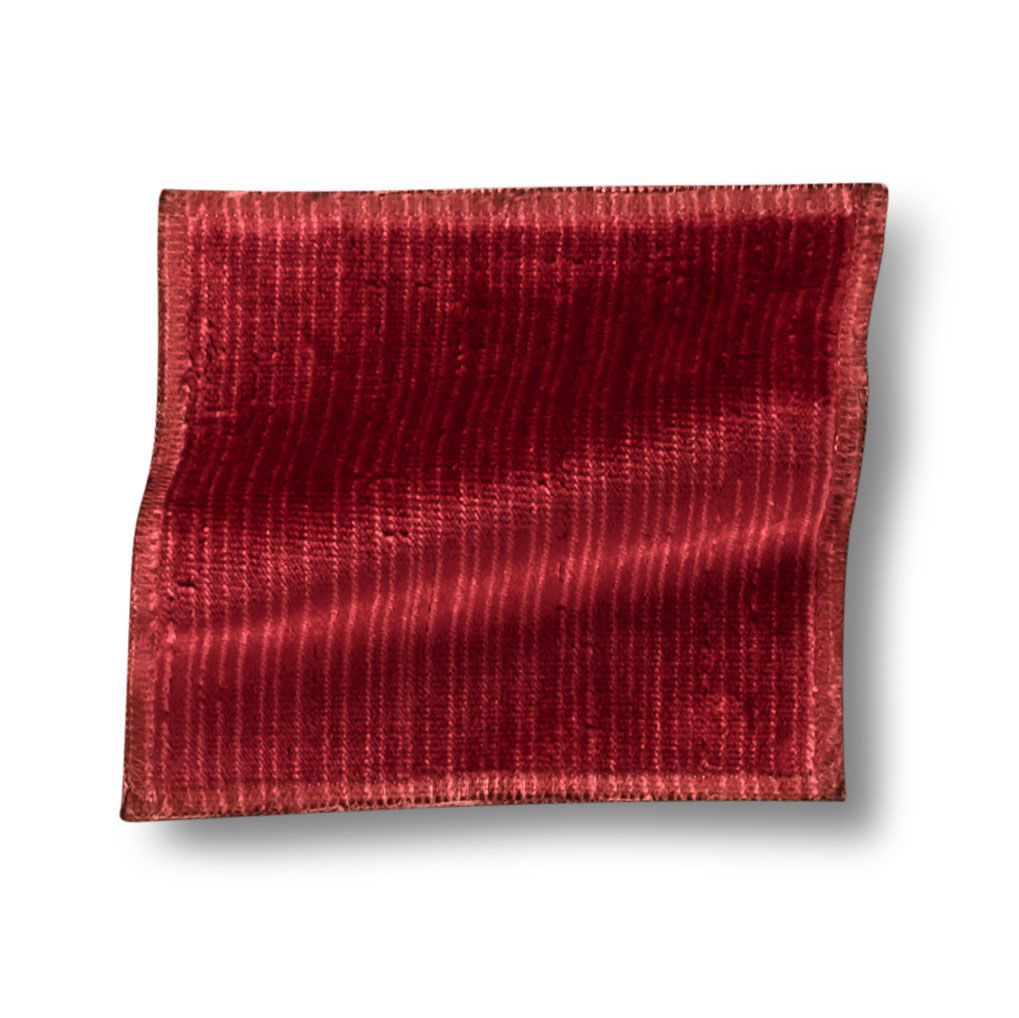
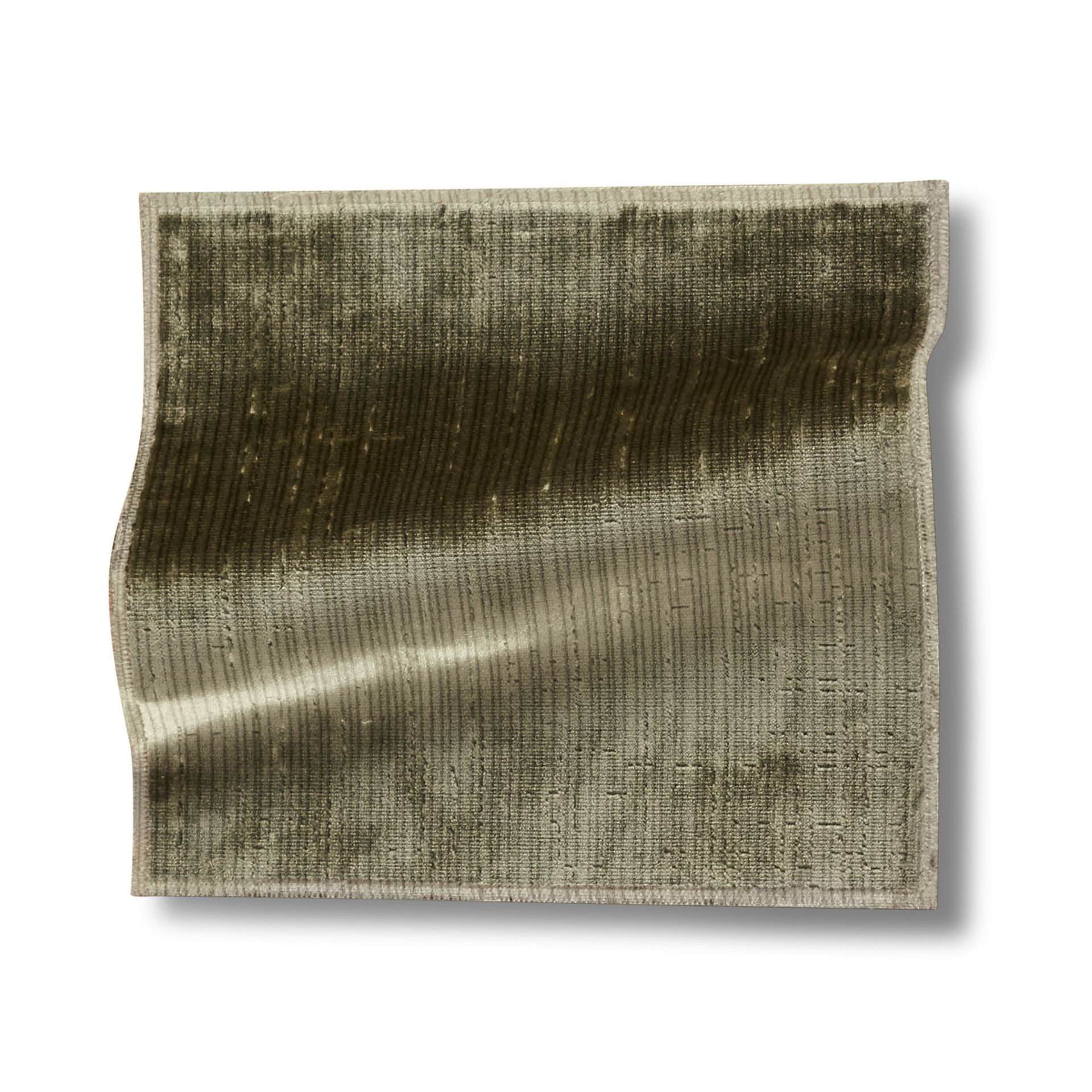
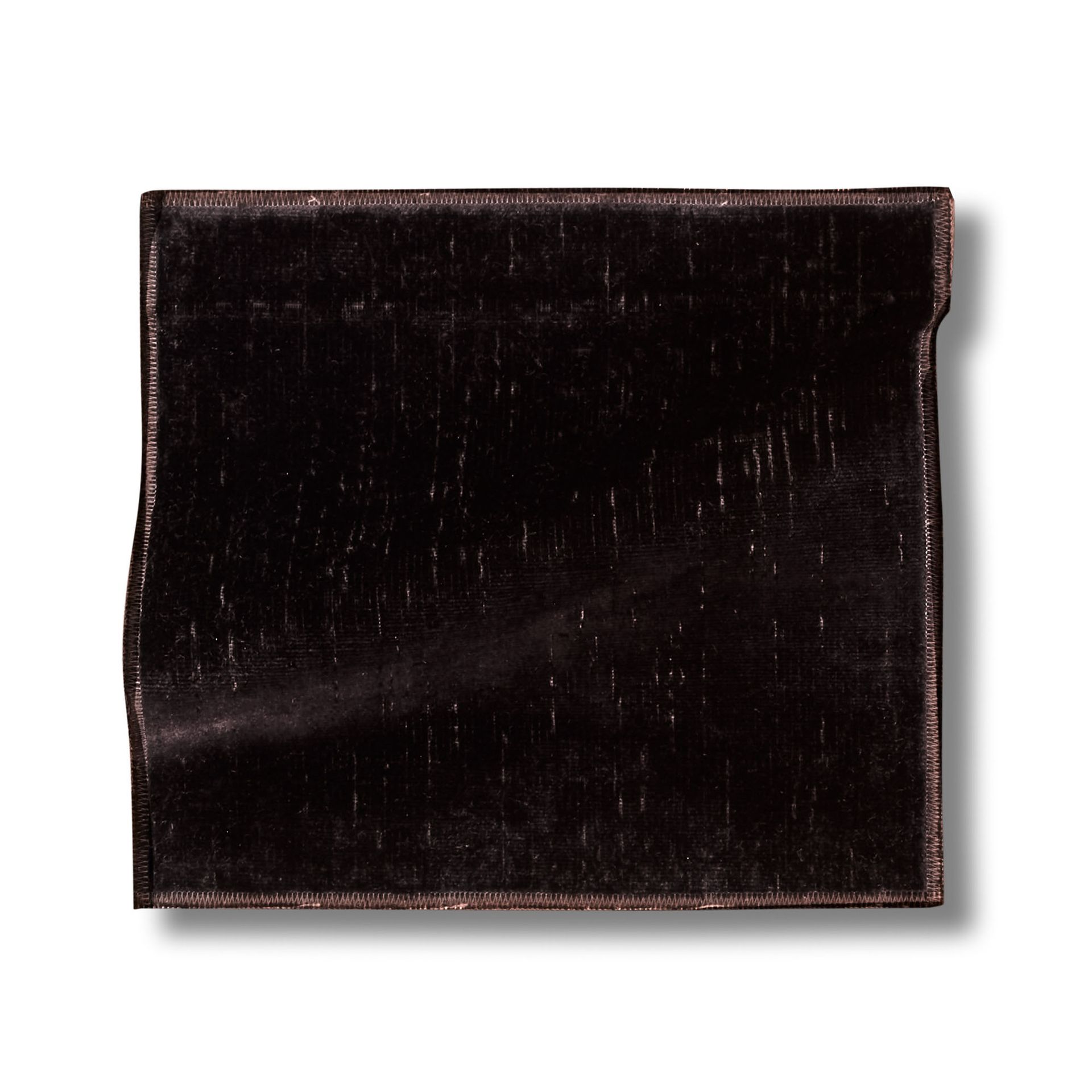
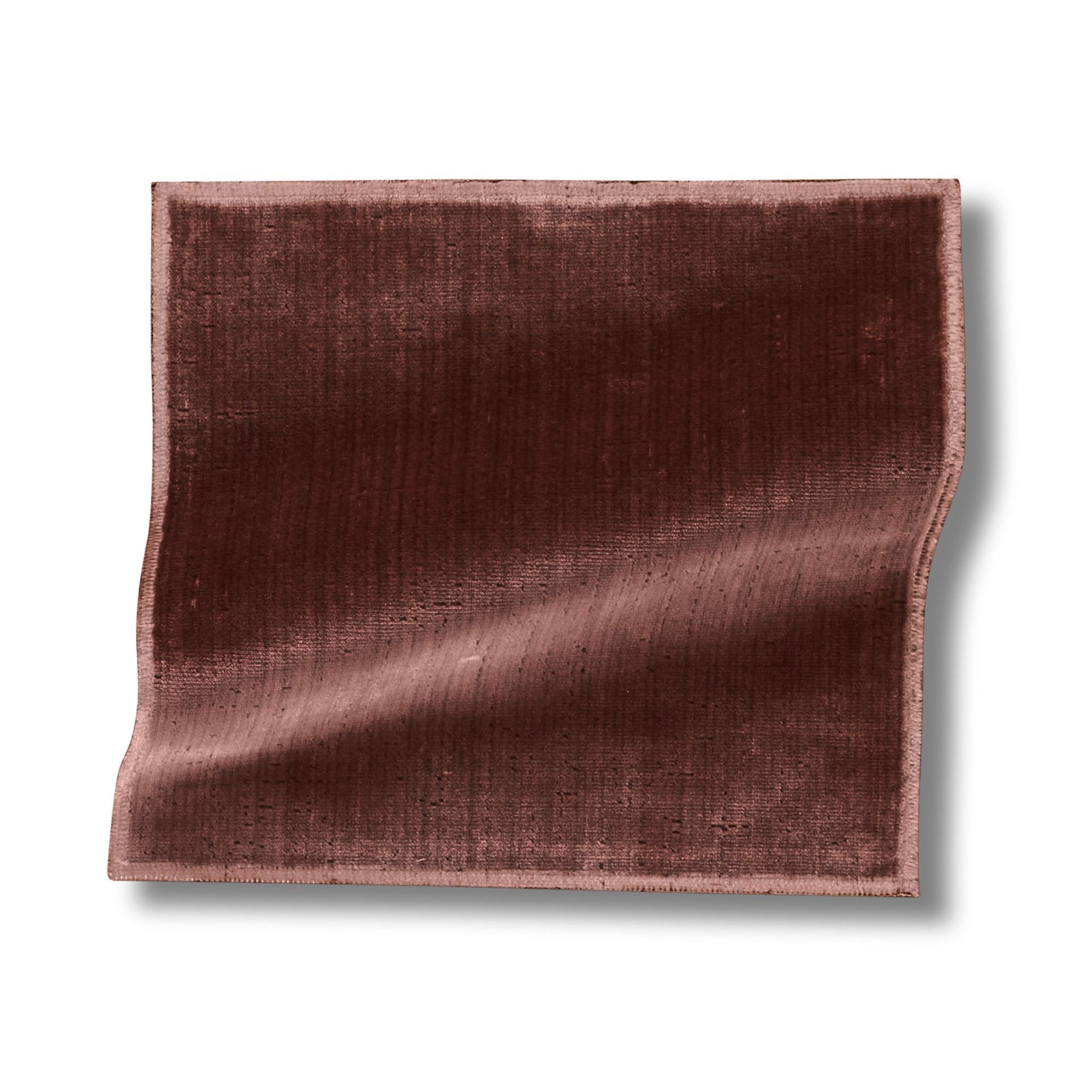
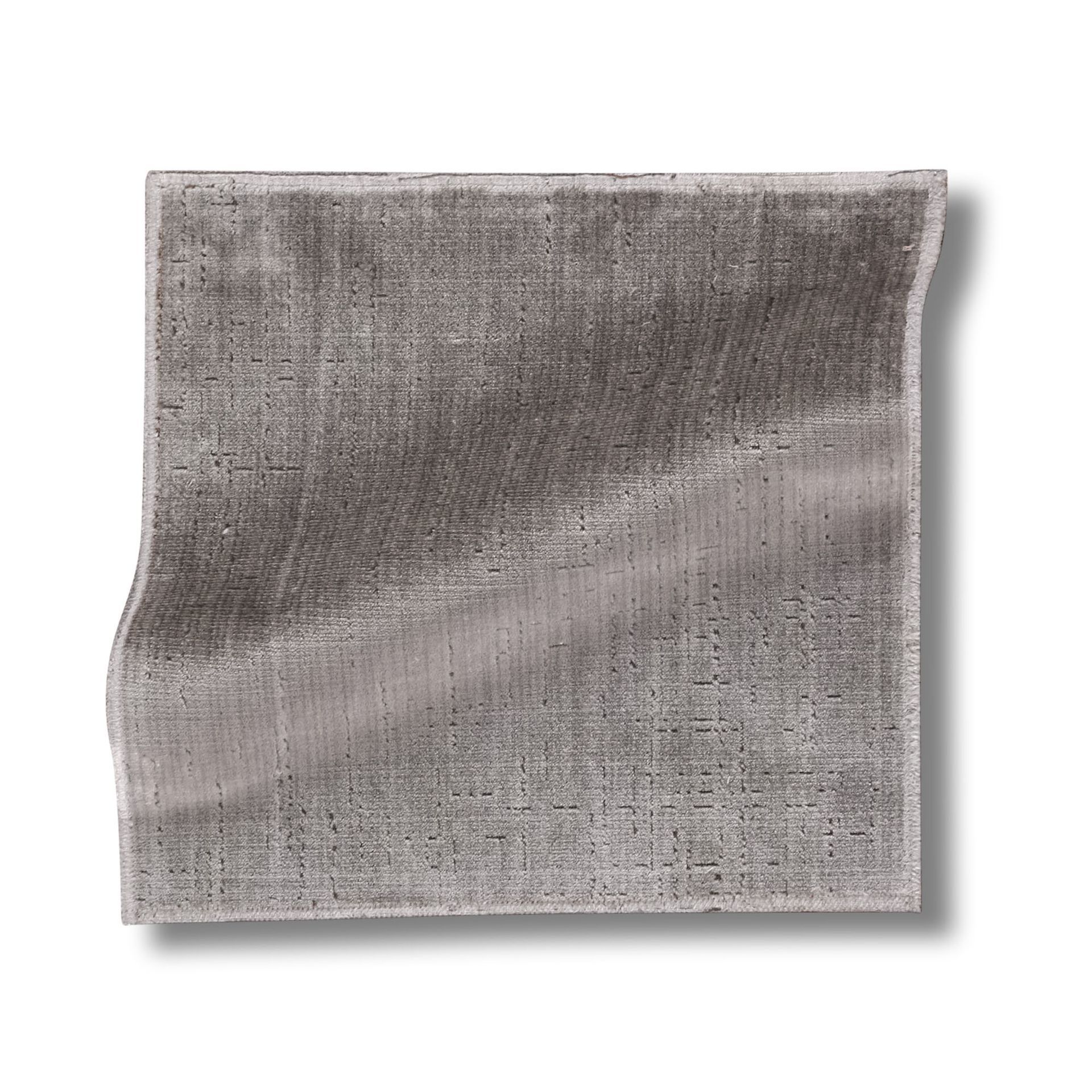
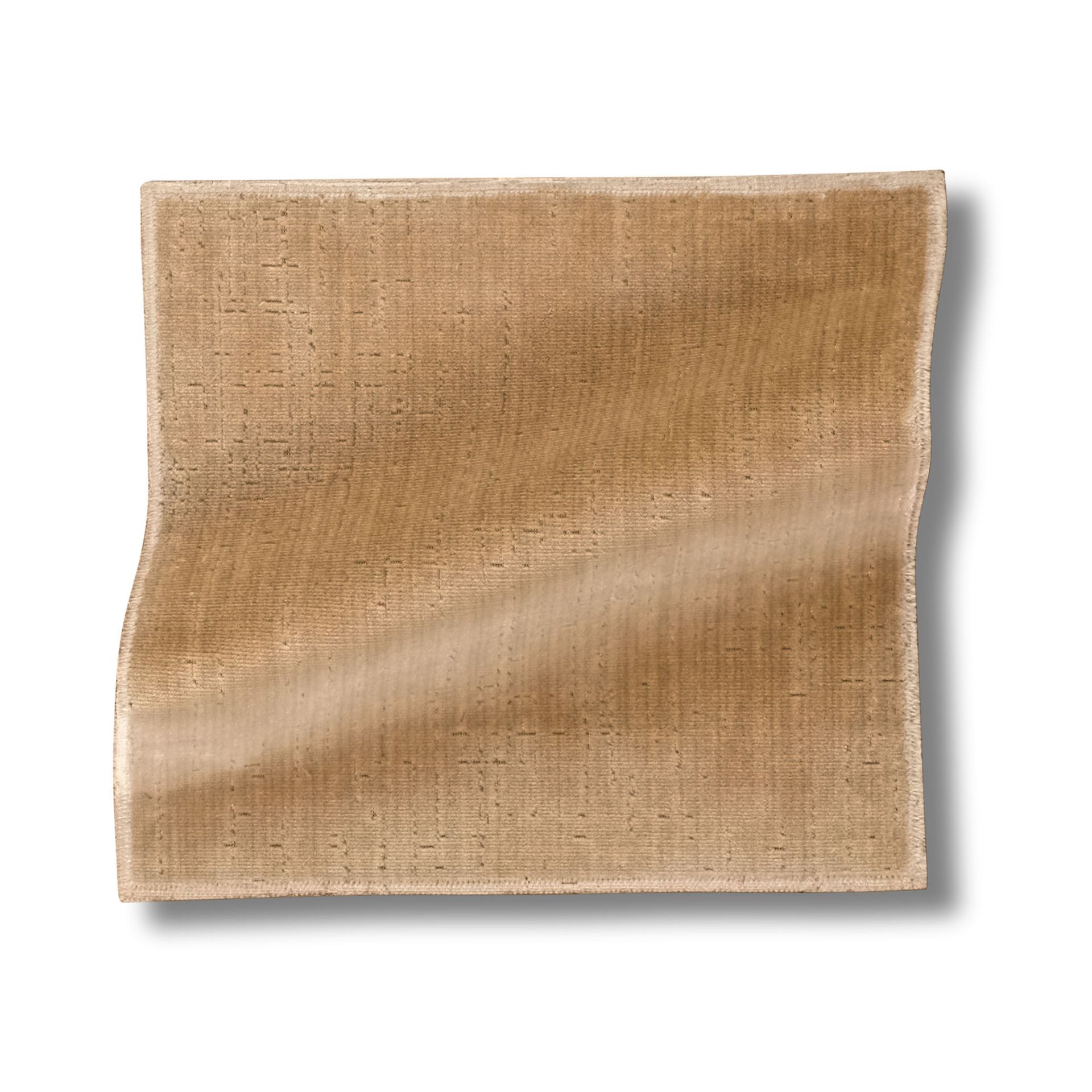
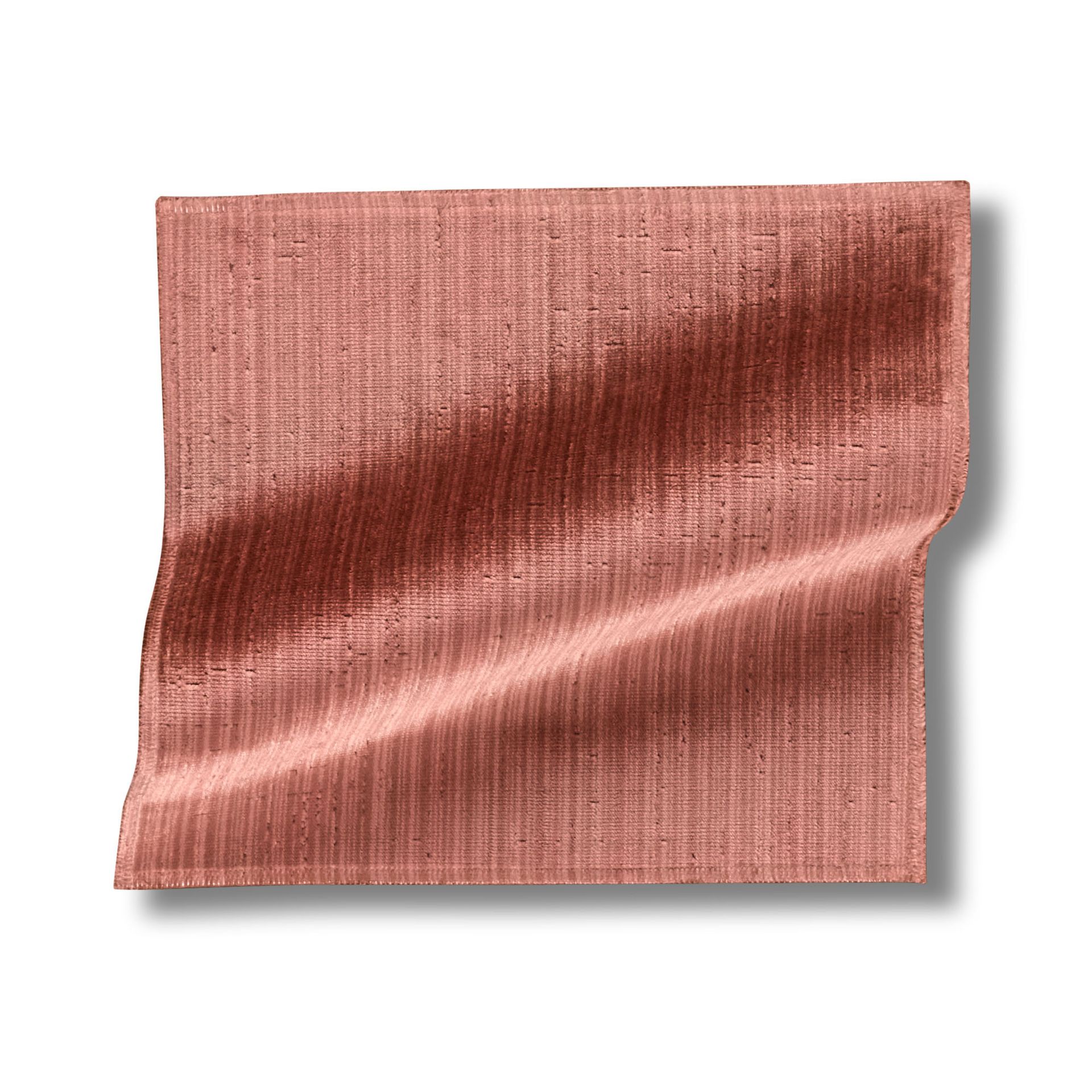
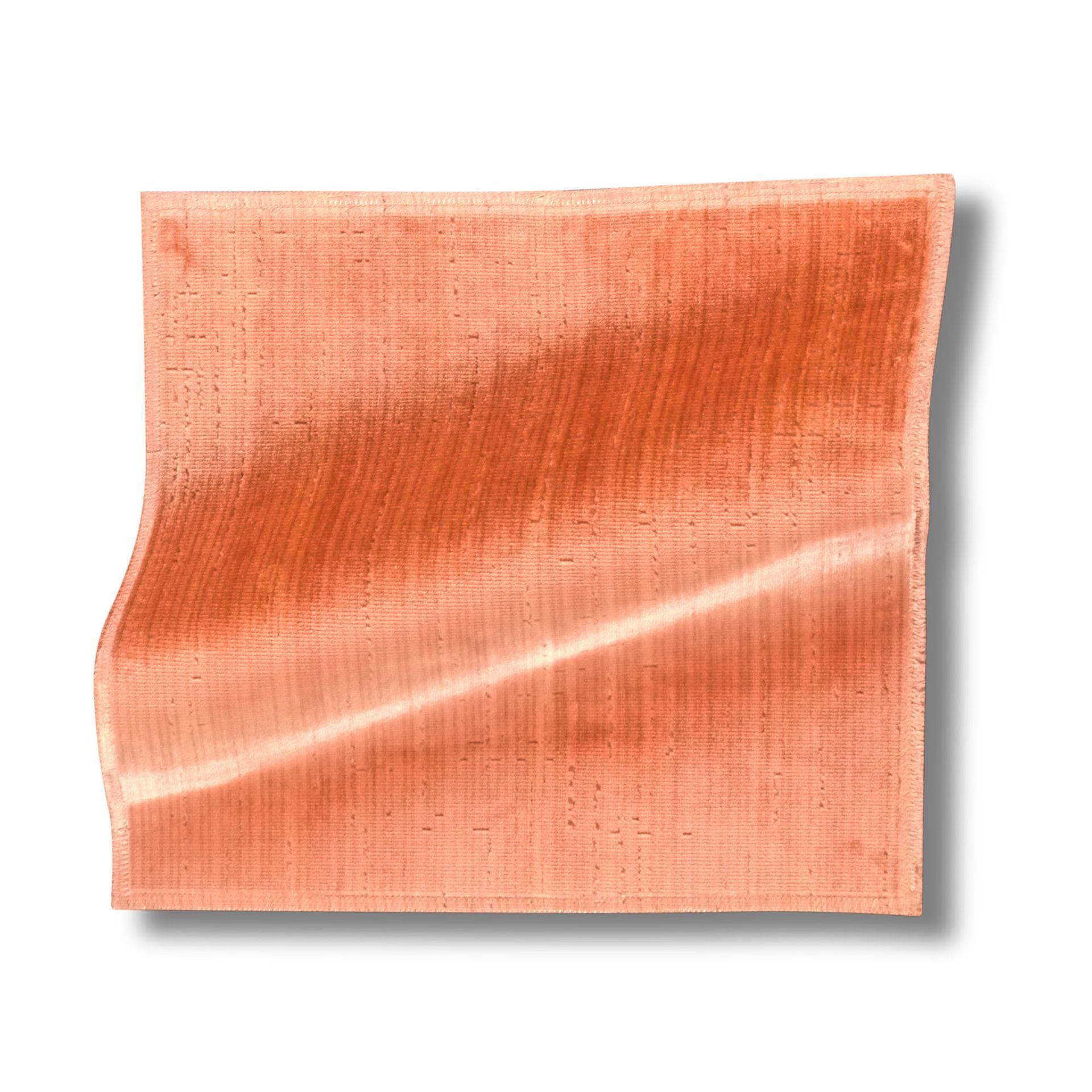
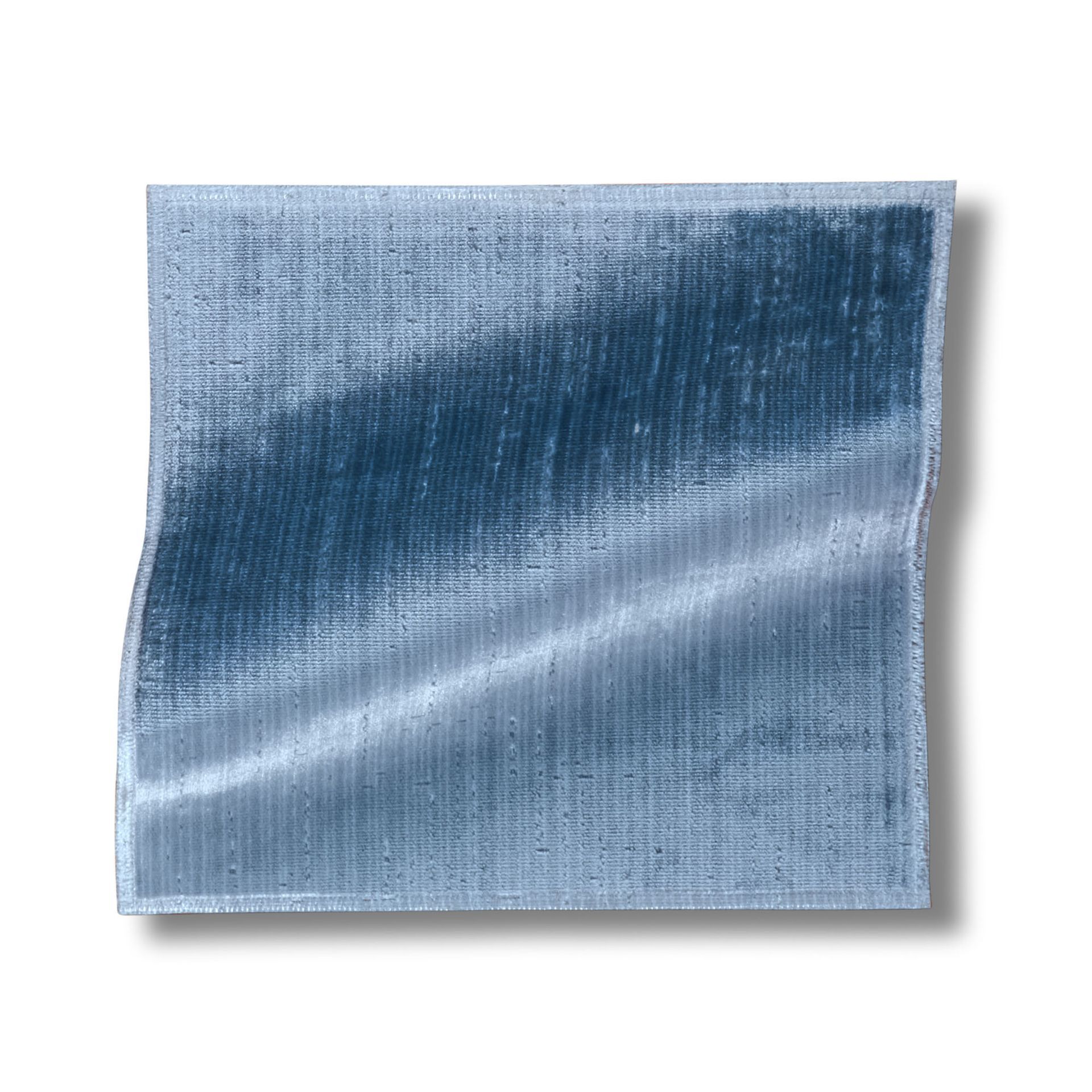
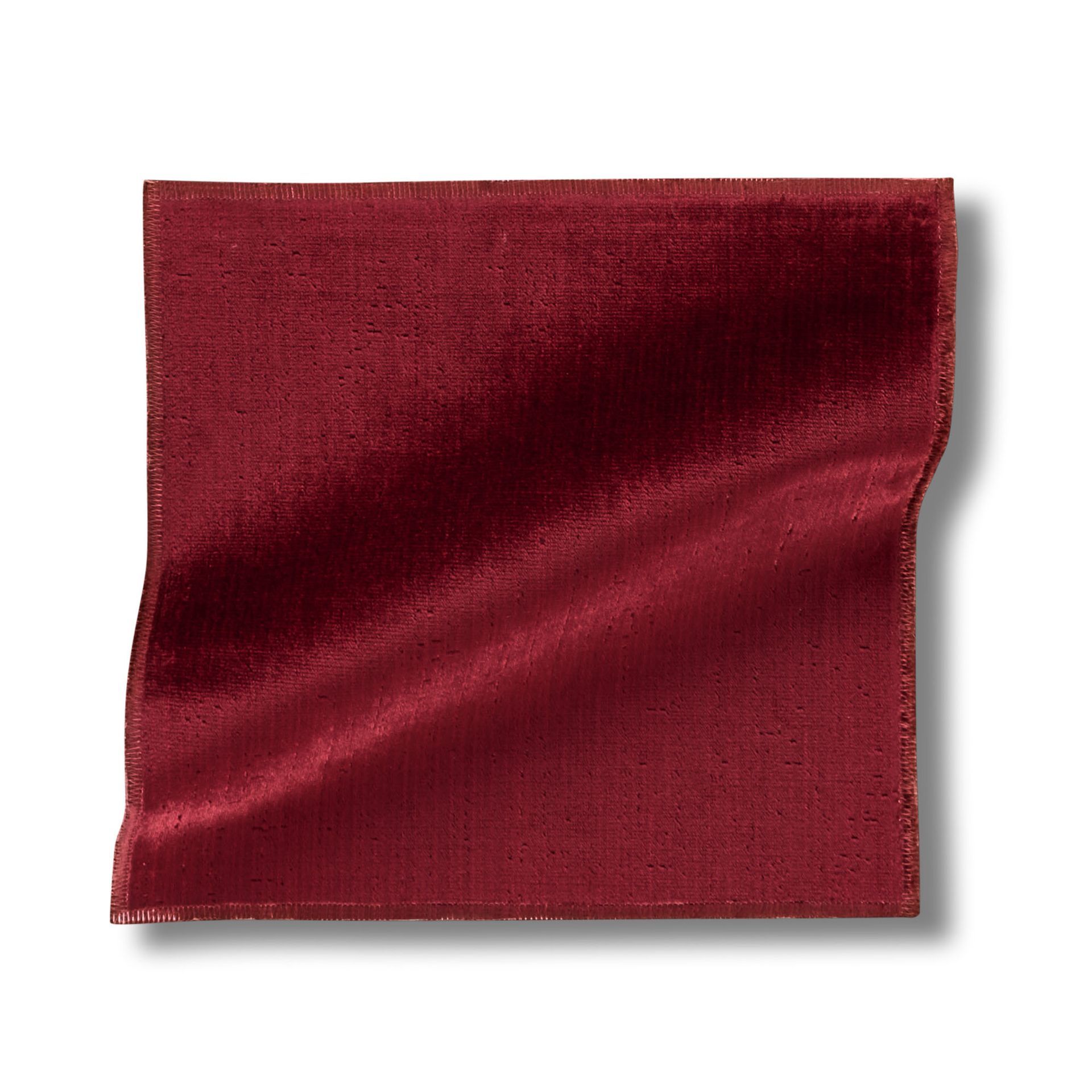
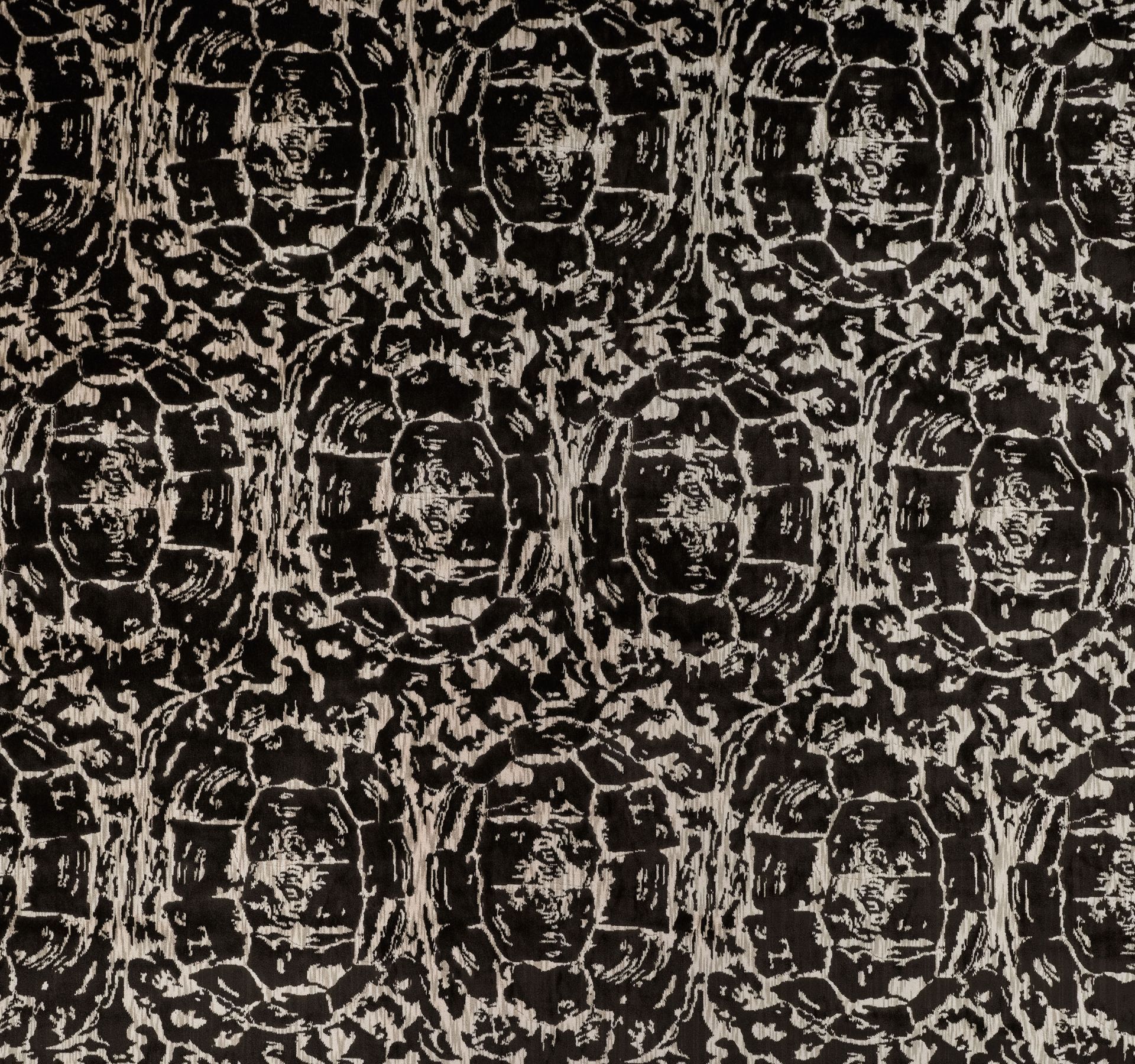
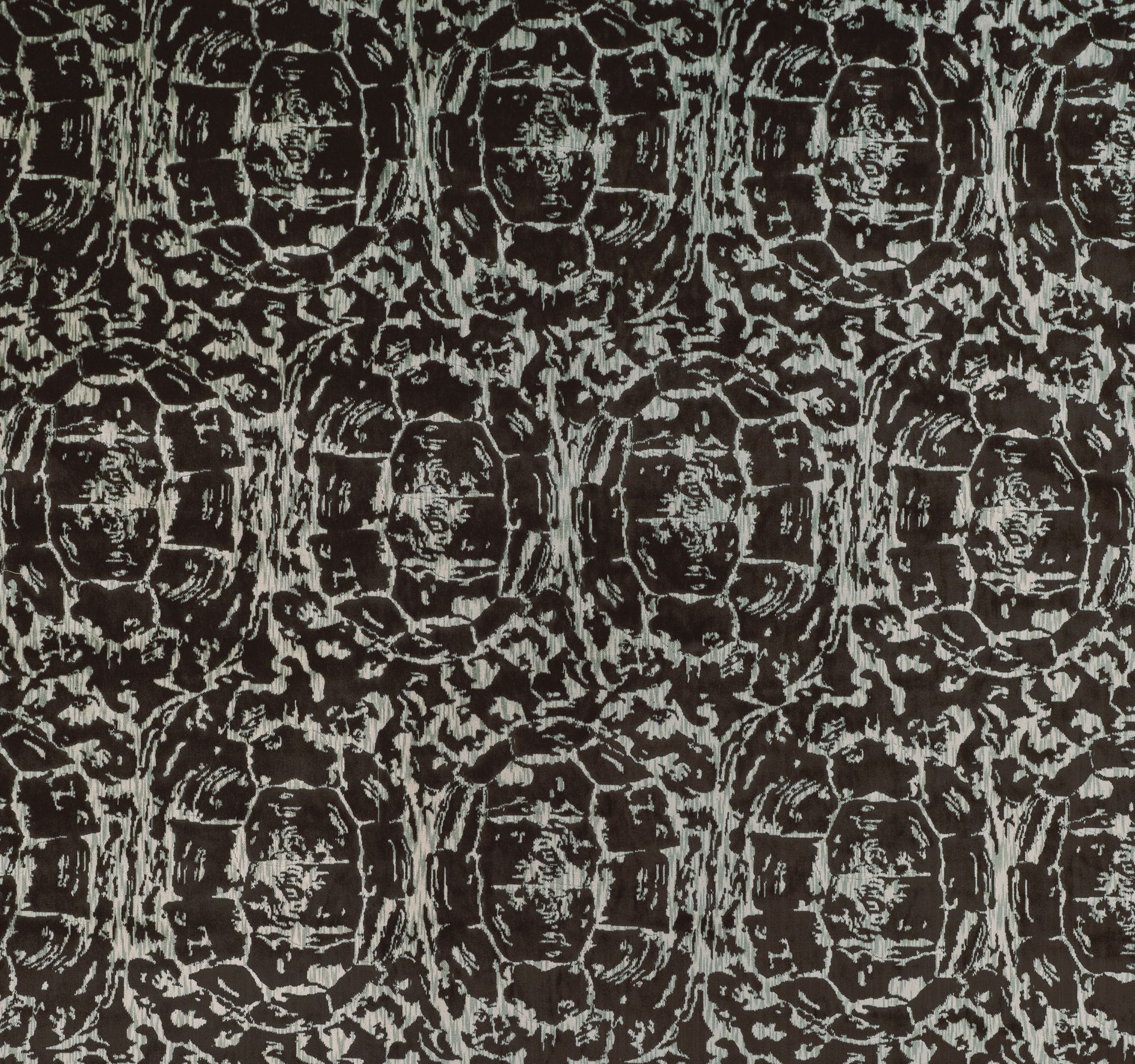
TURTLE 3998
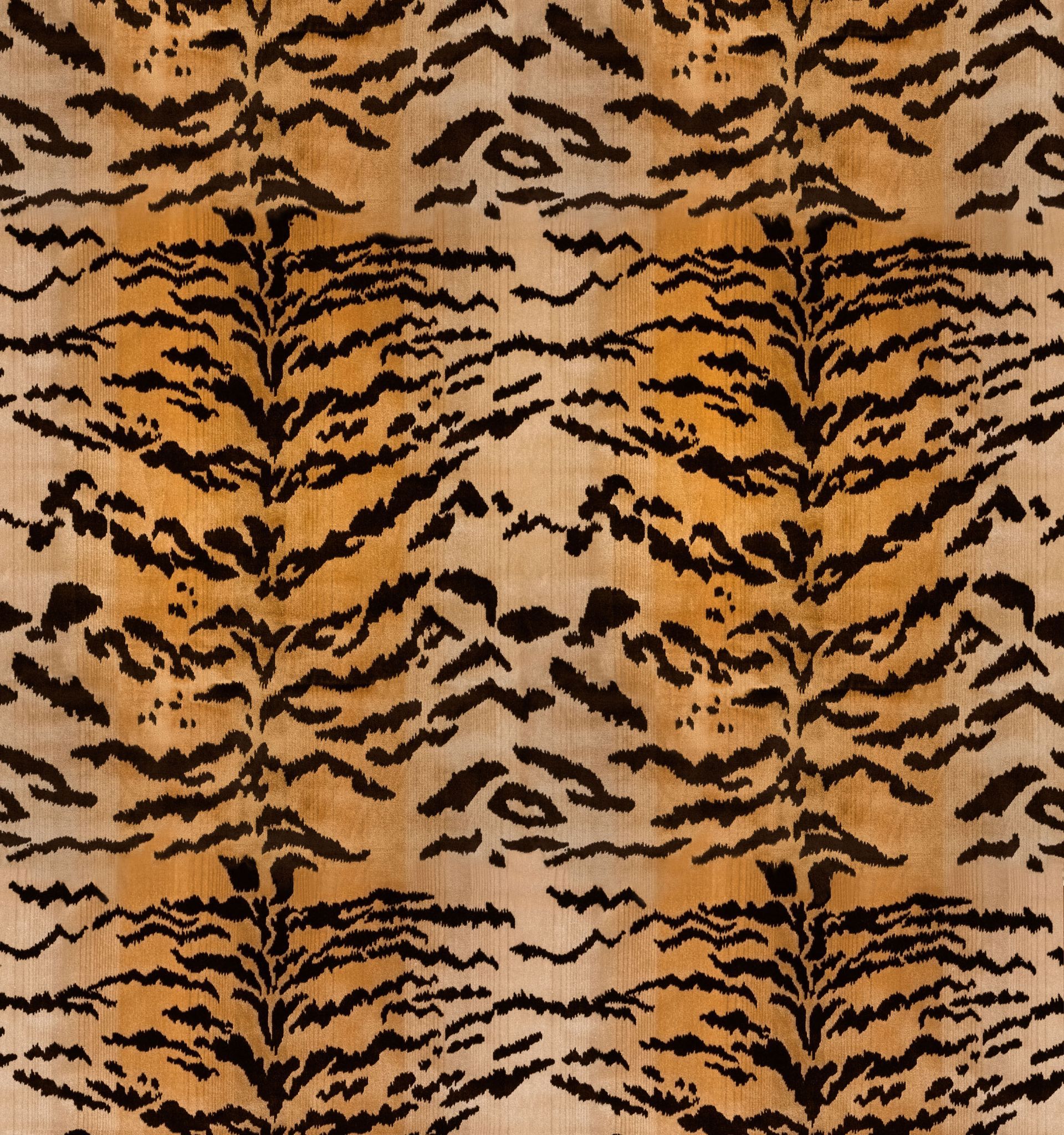
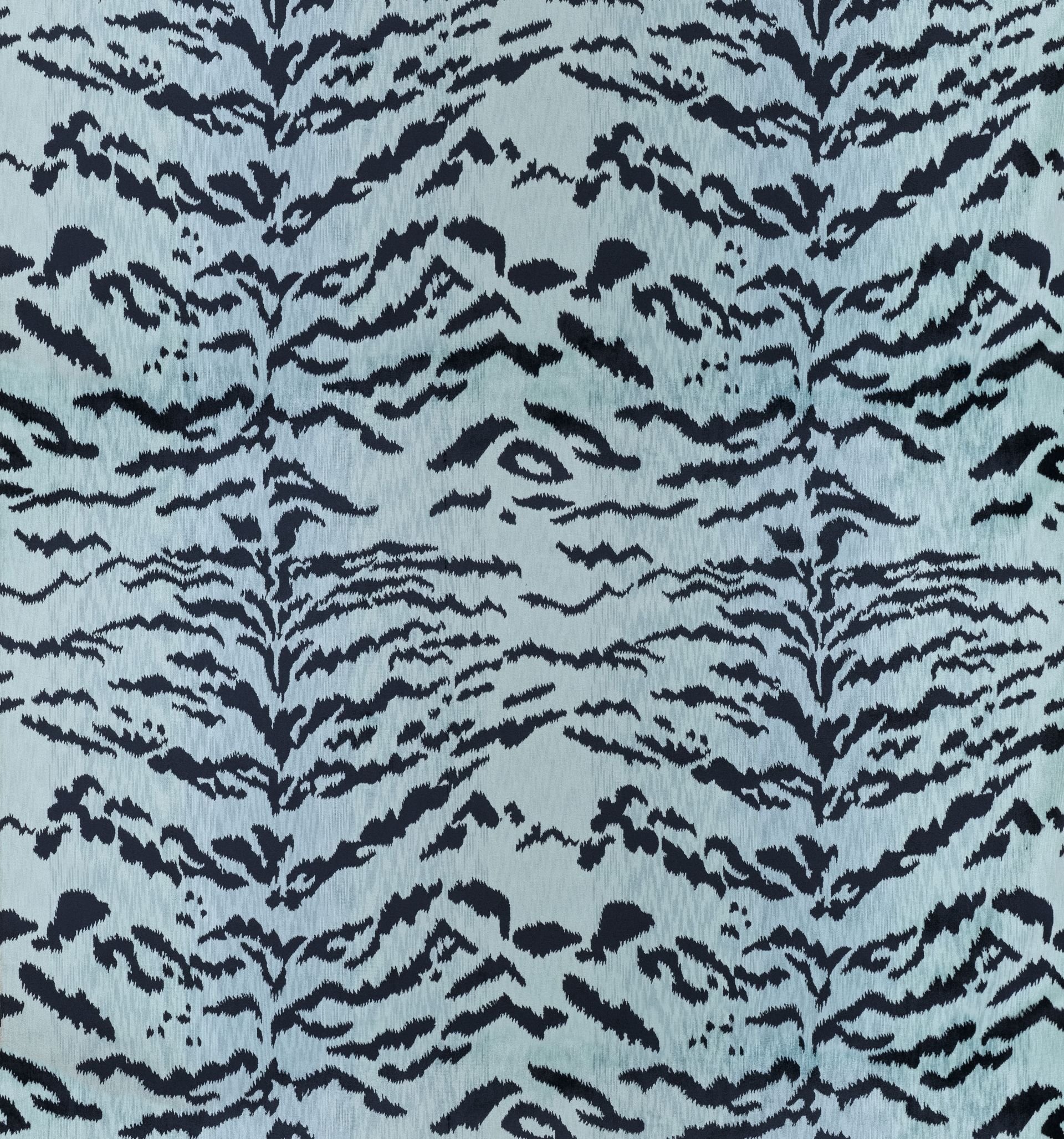
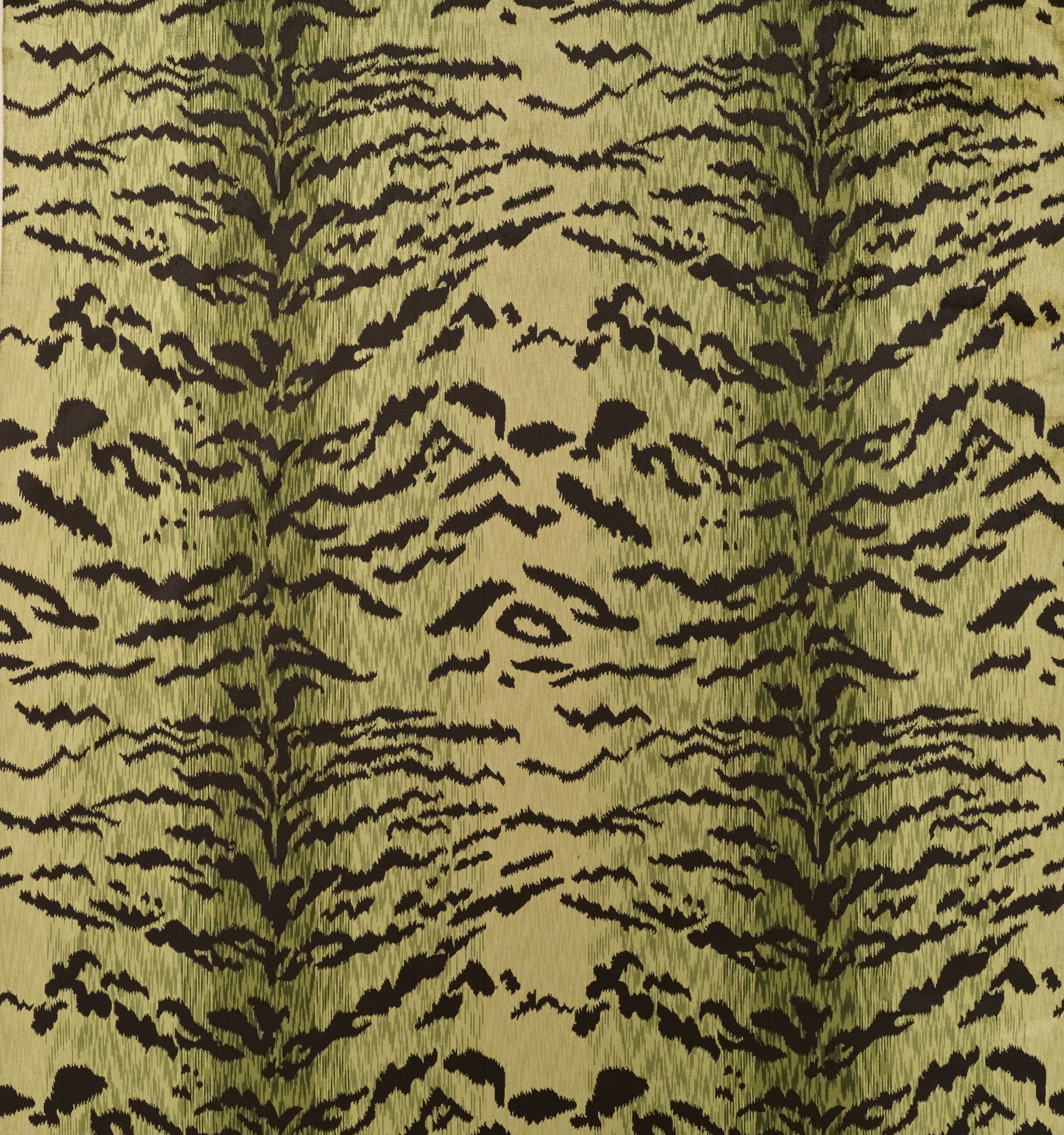
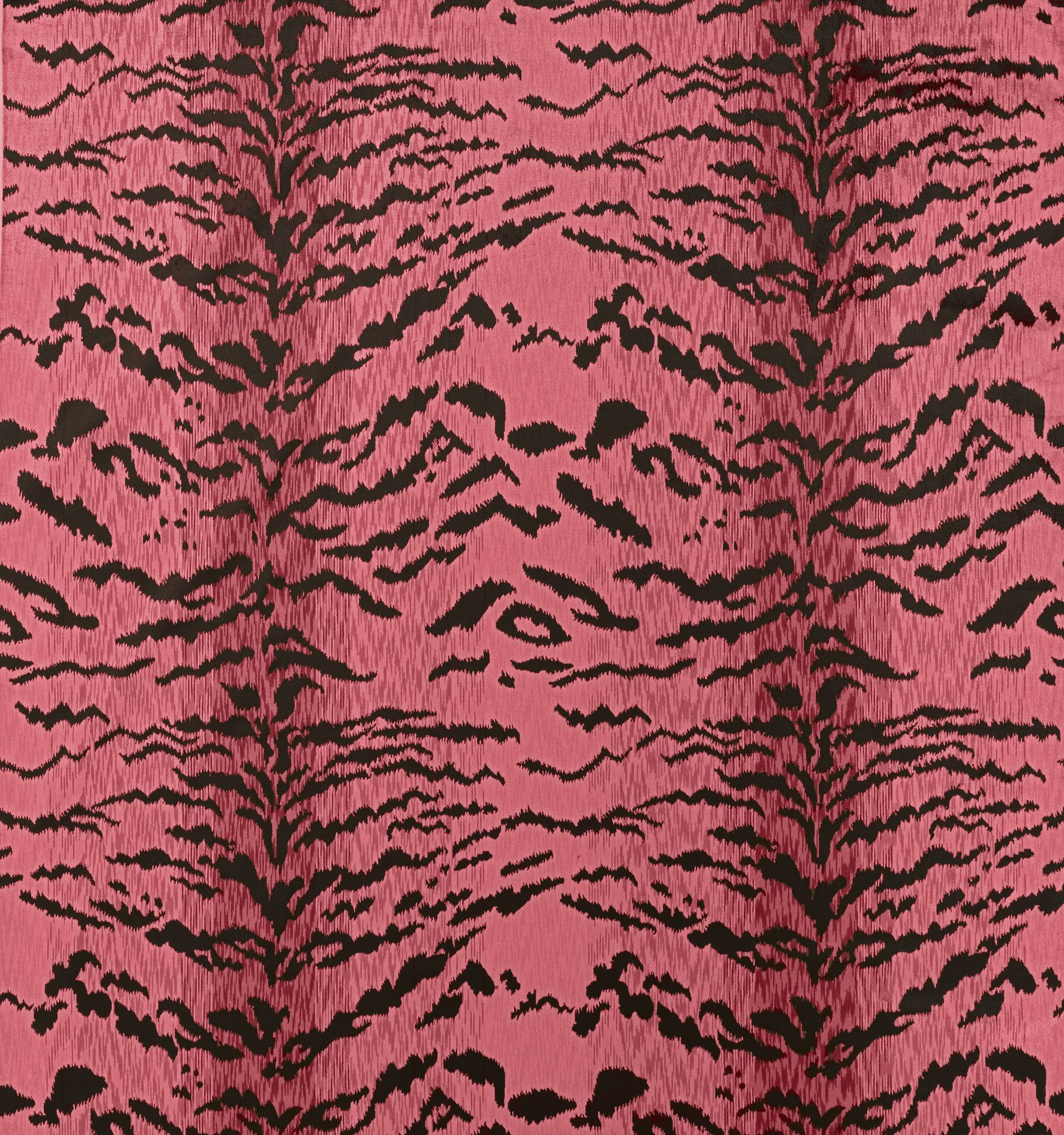
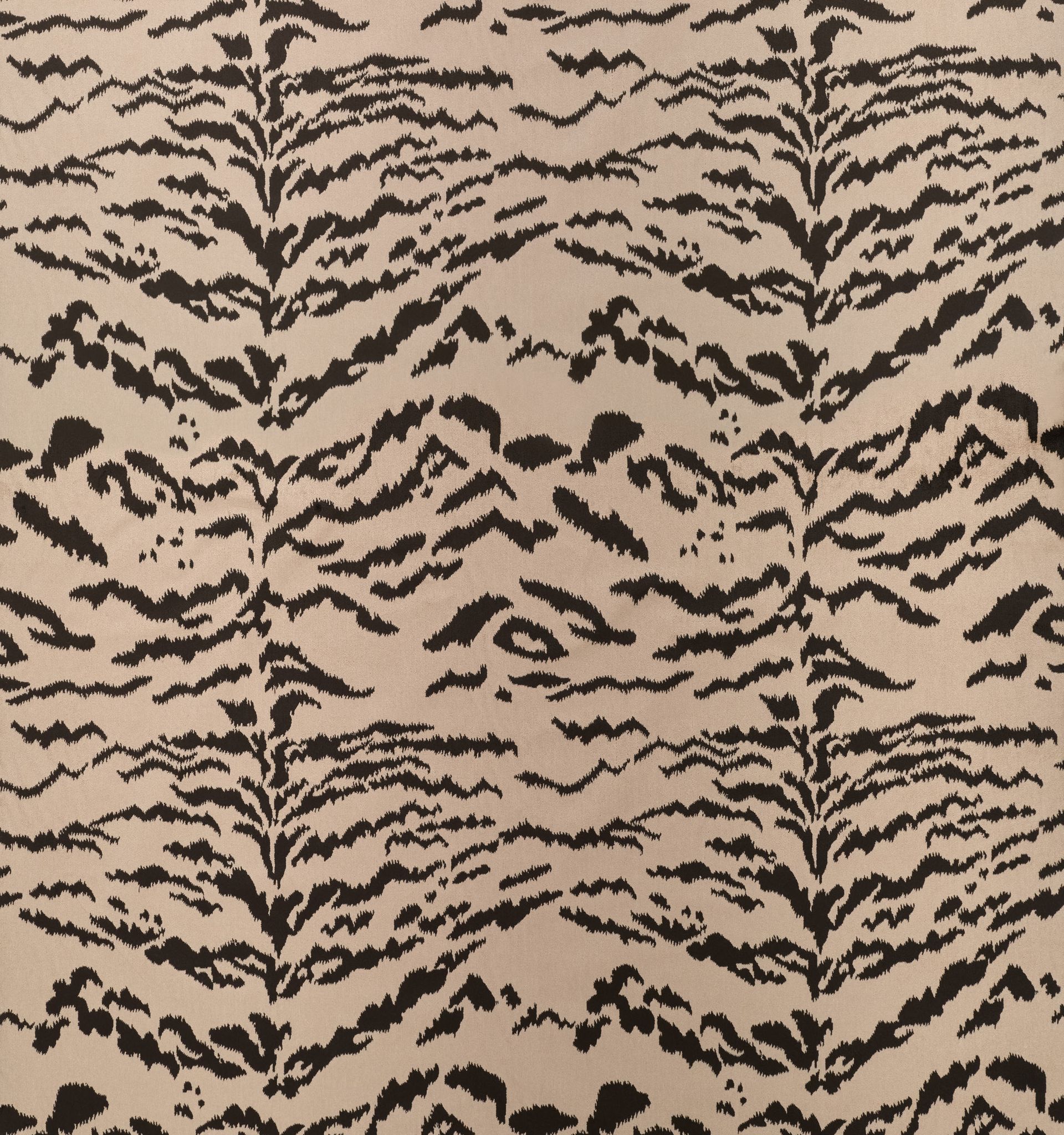
TIGRE 441

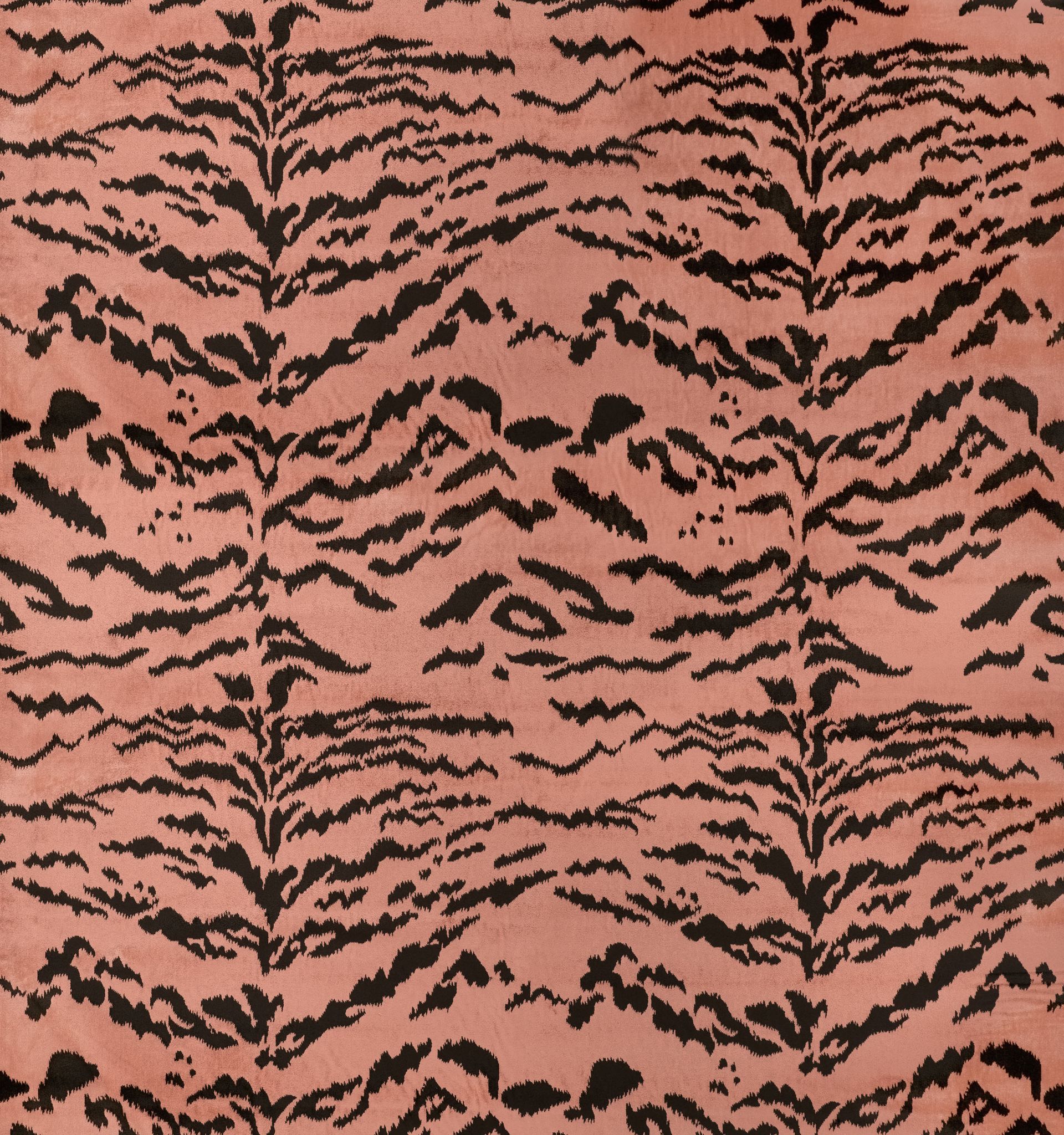

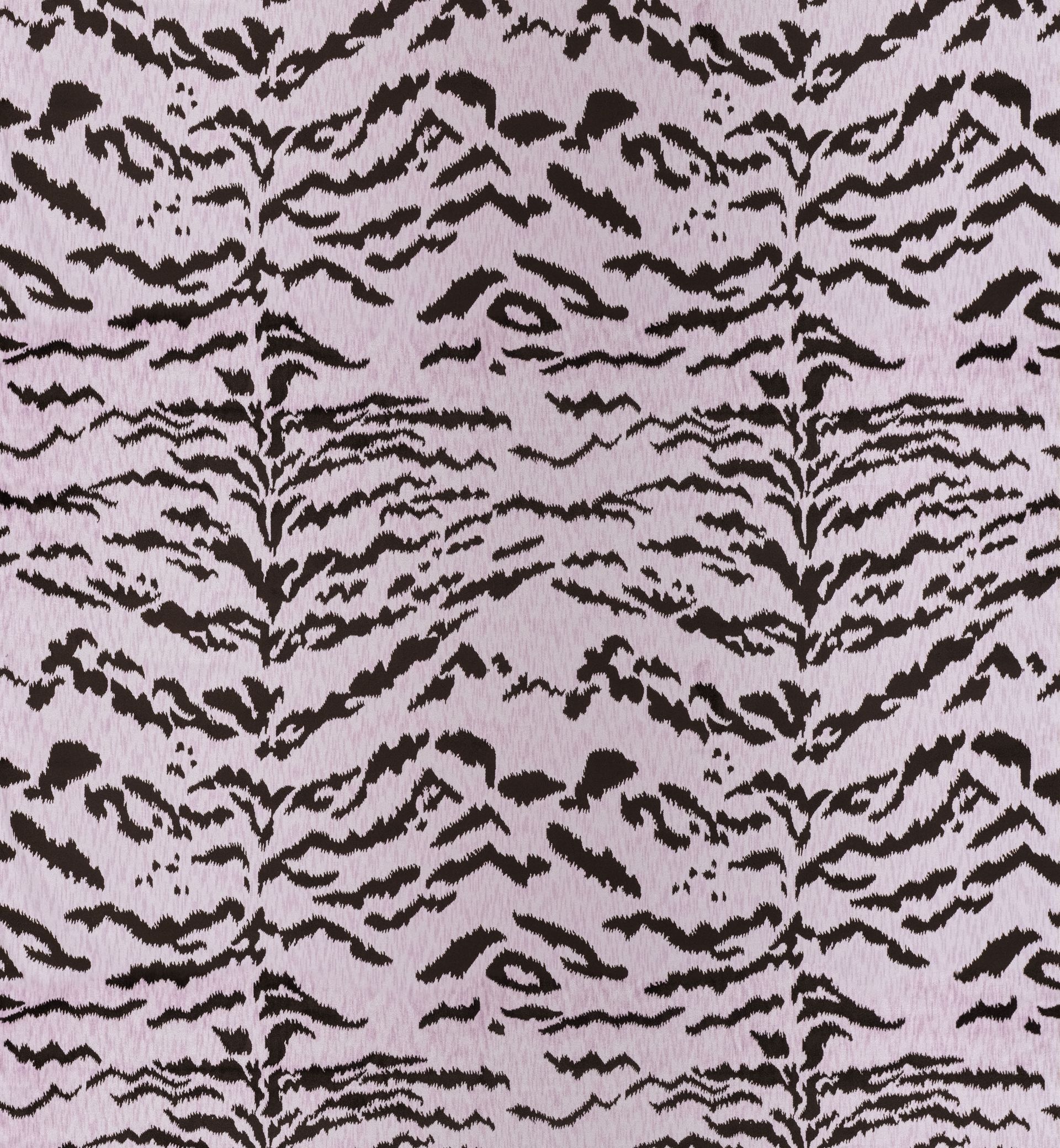


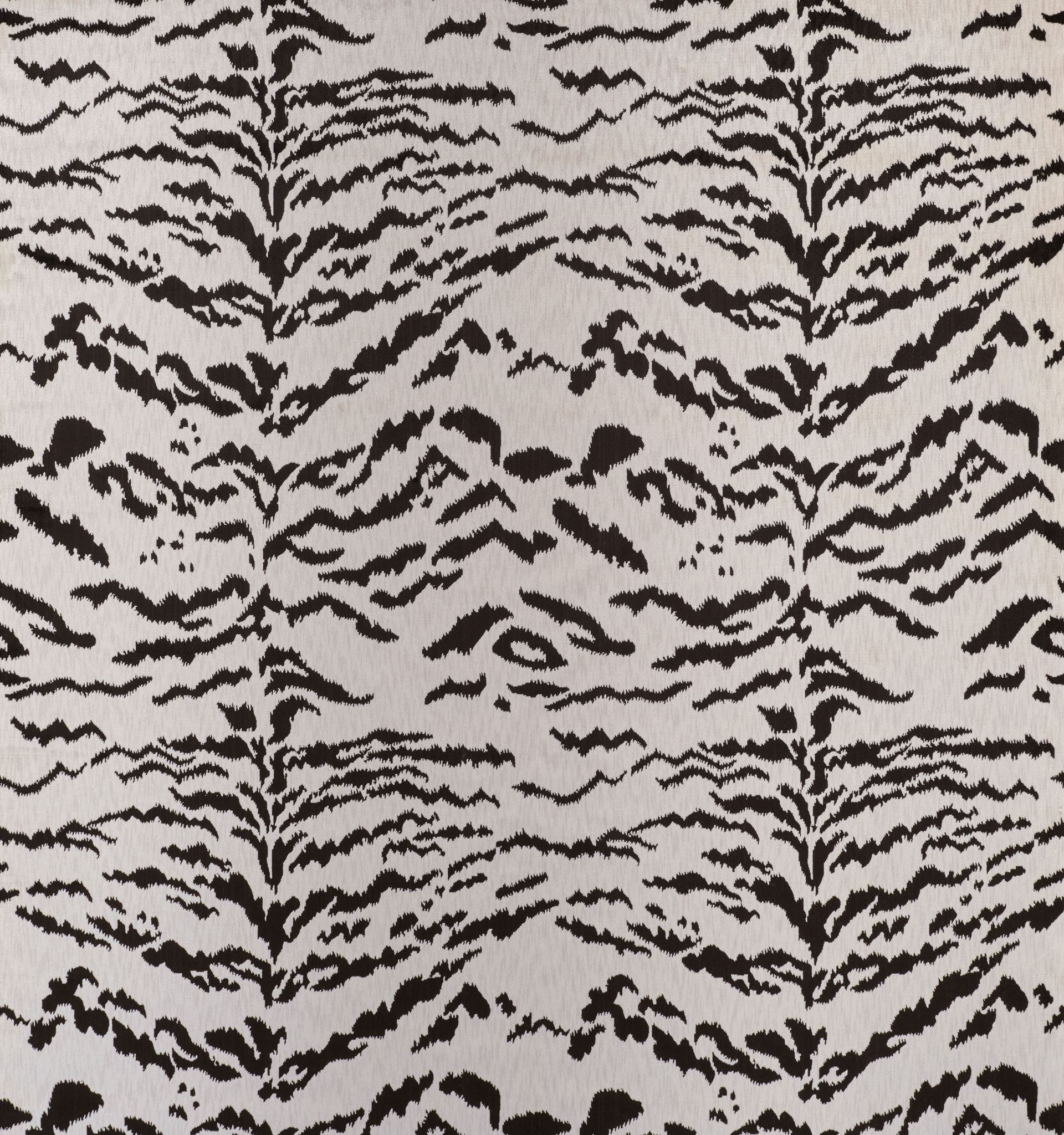
TORCELLO 3940S

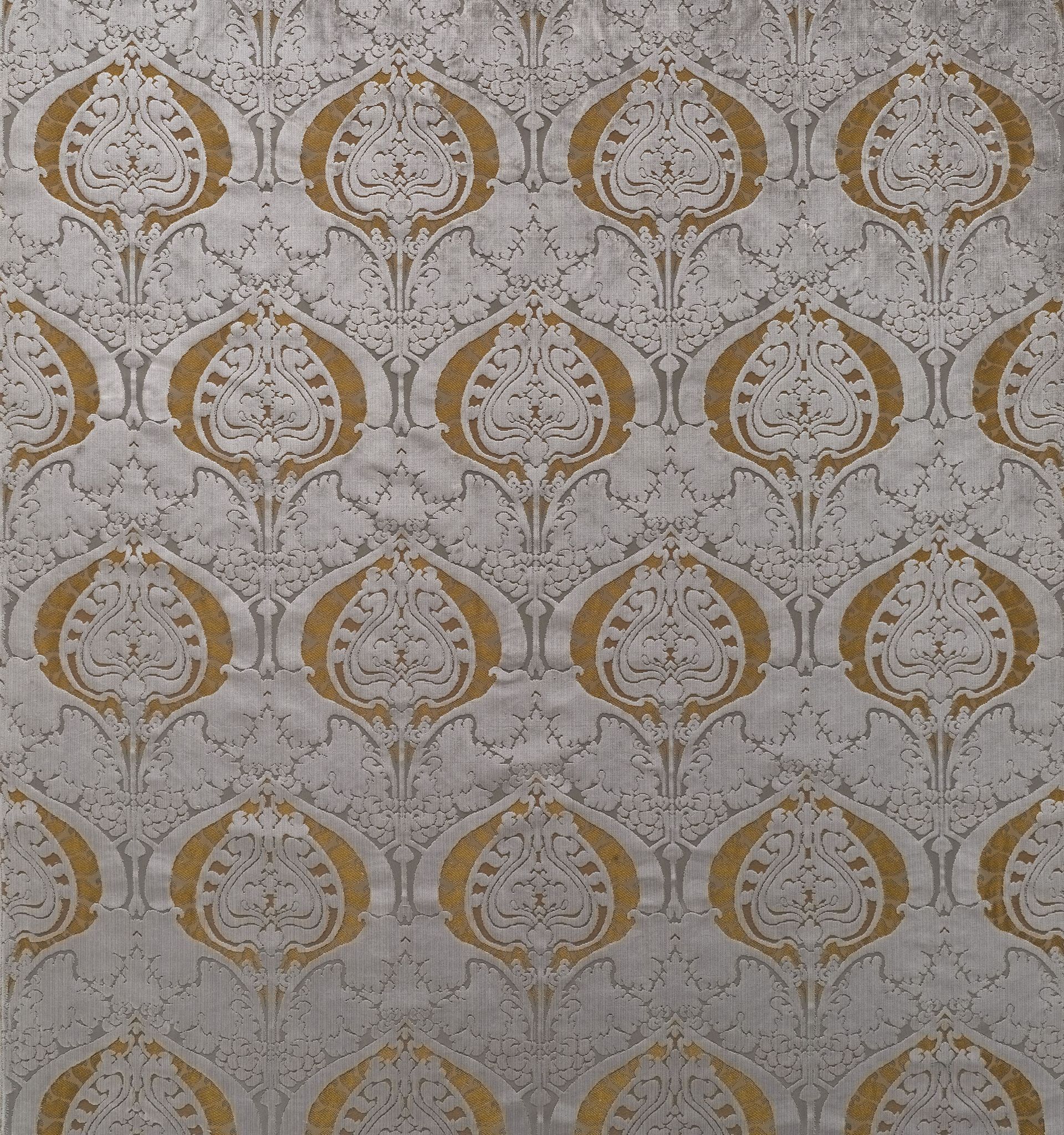


ZEBRA 810
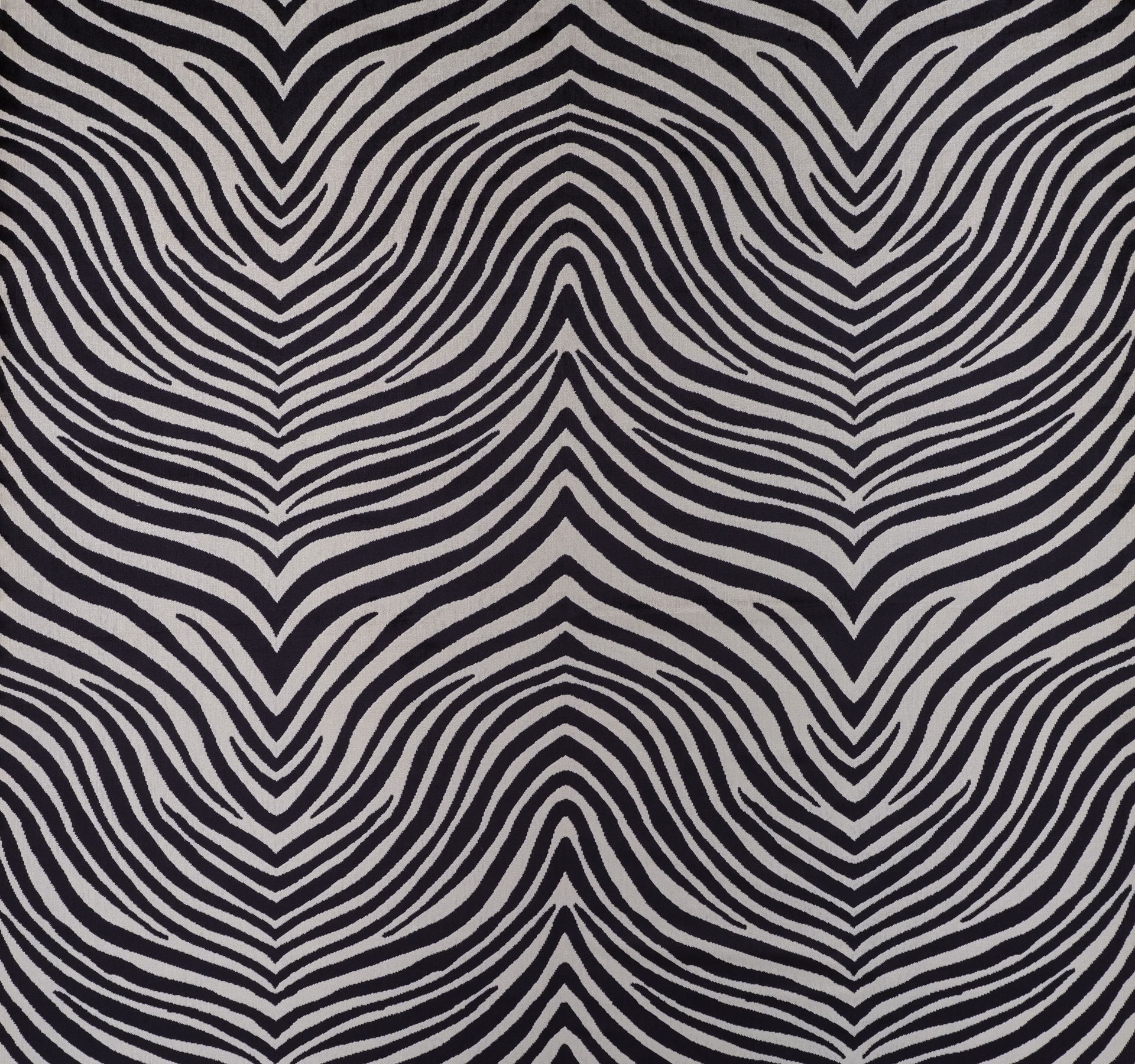
ZEBRATO 820
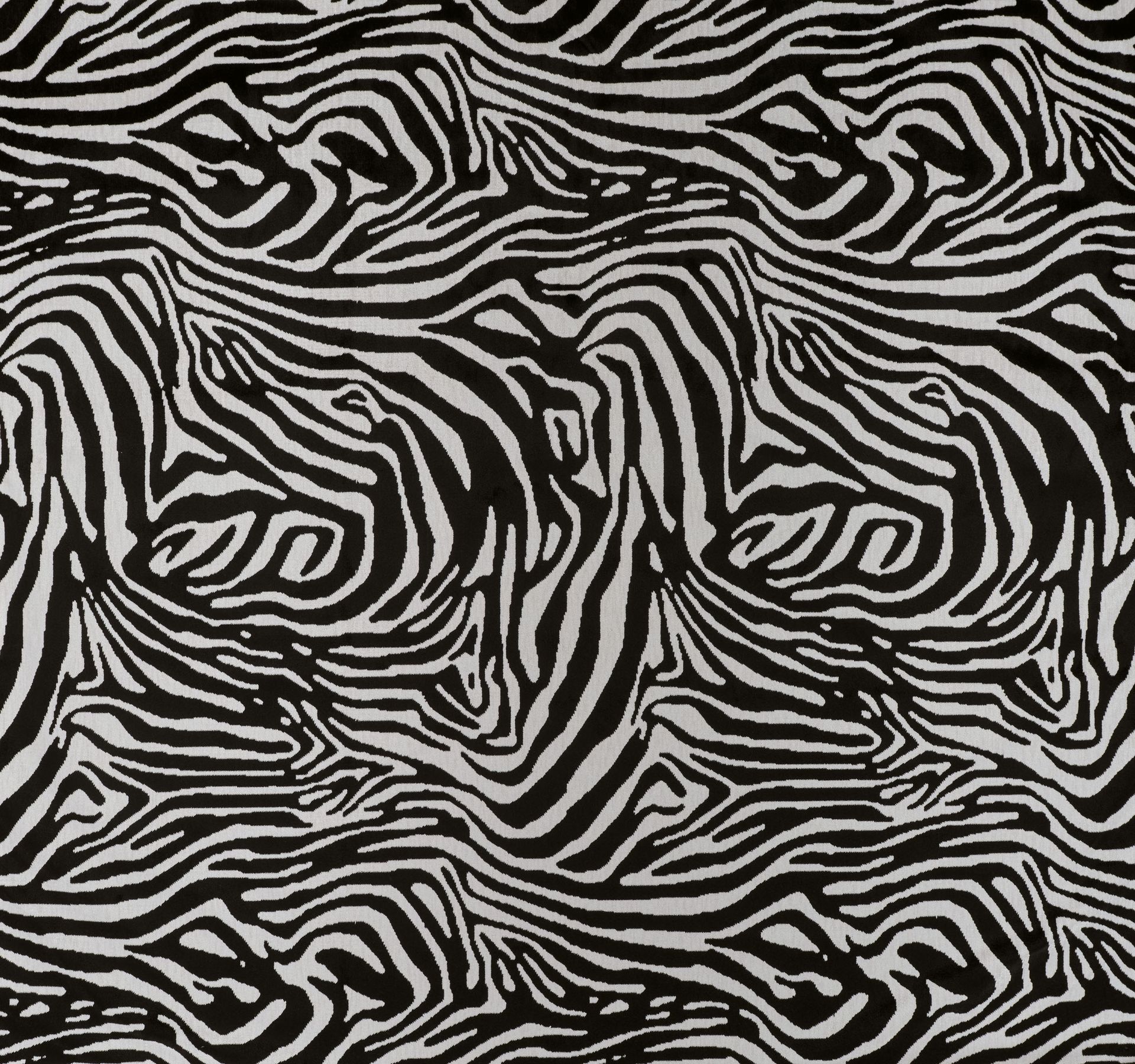
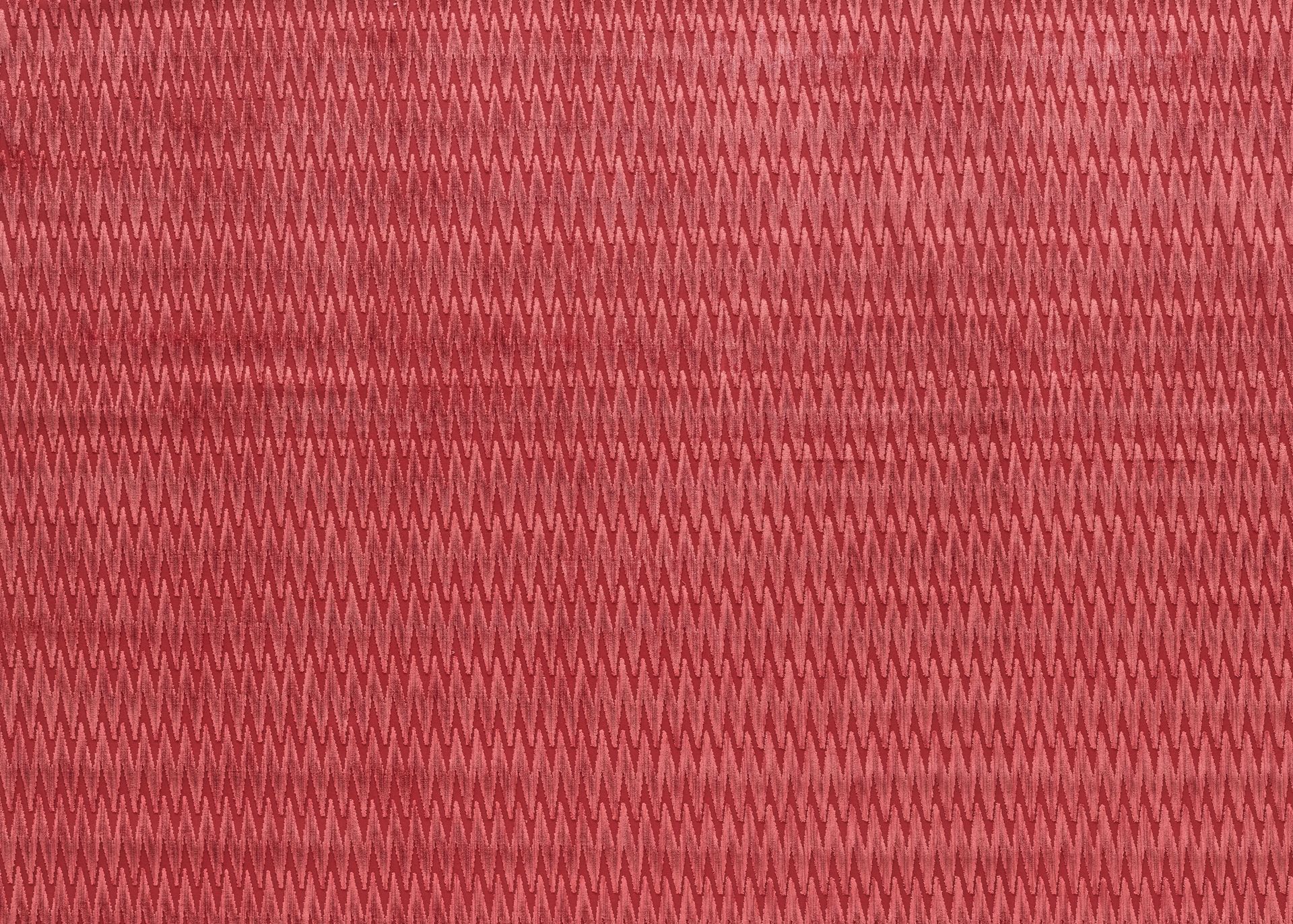
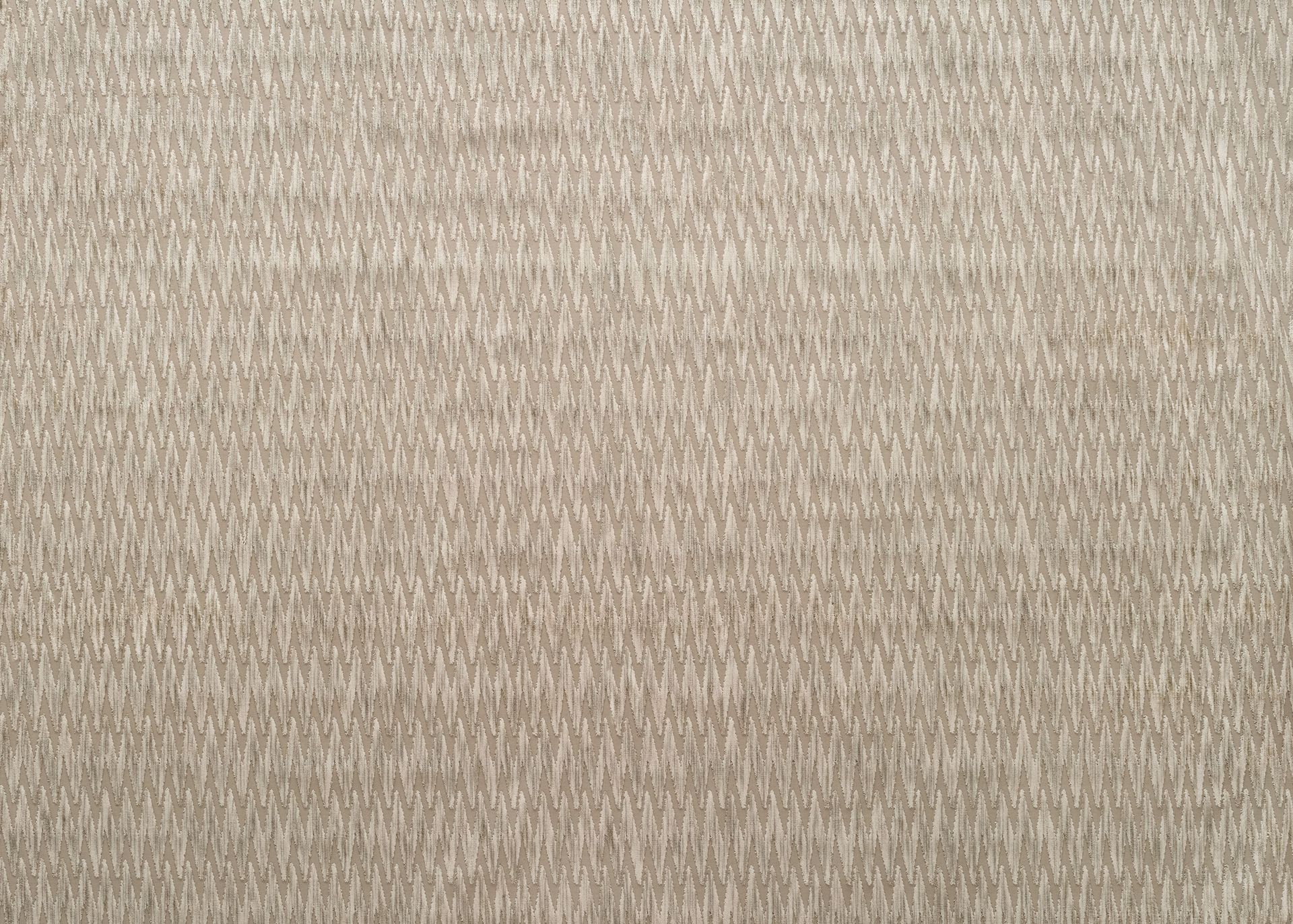
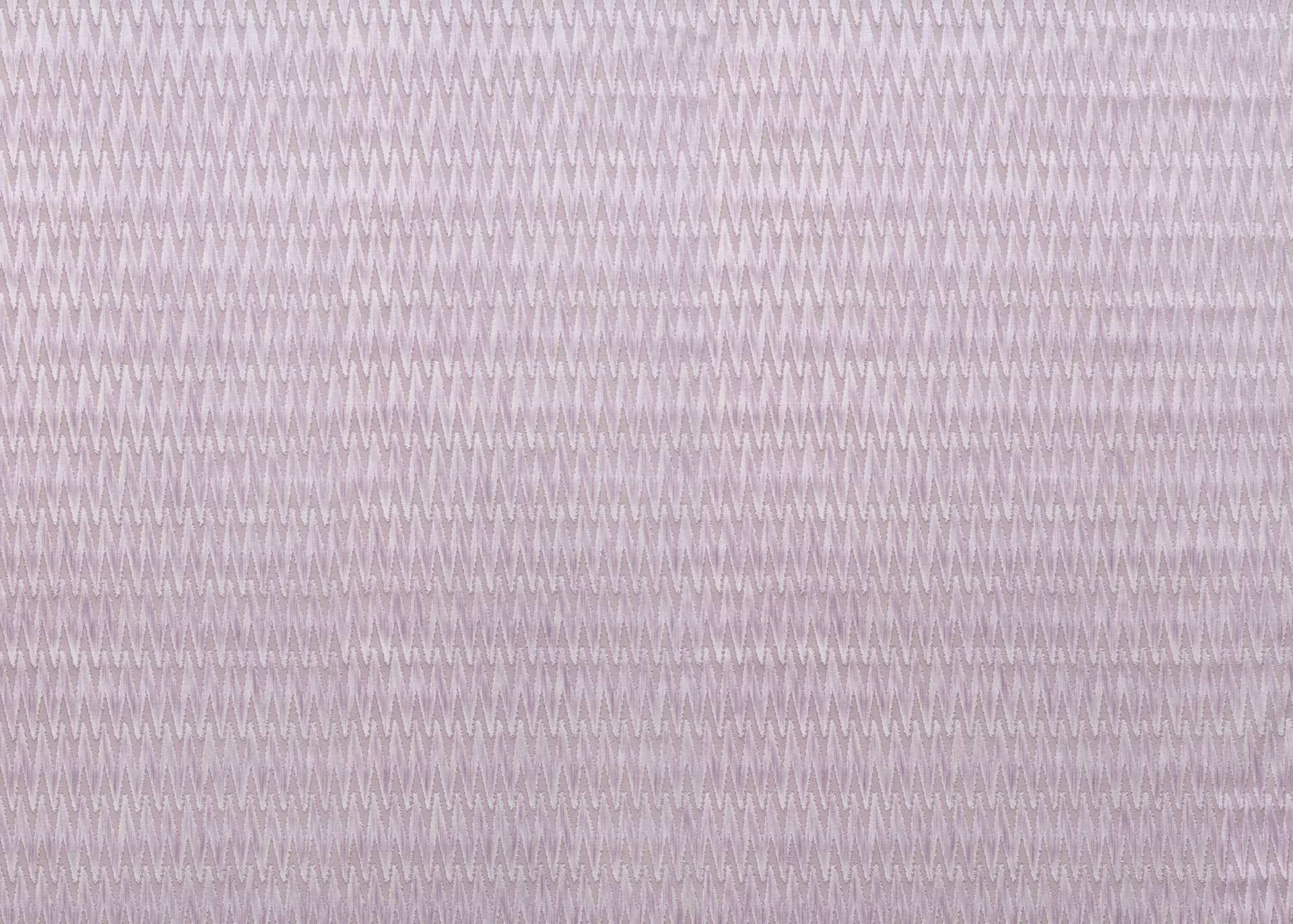
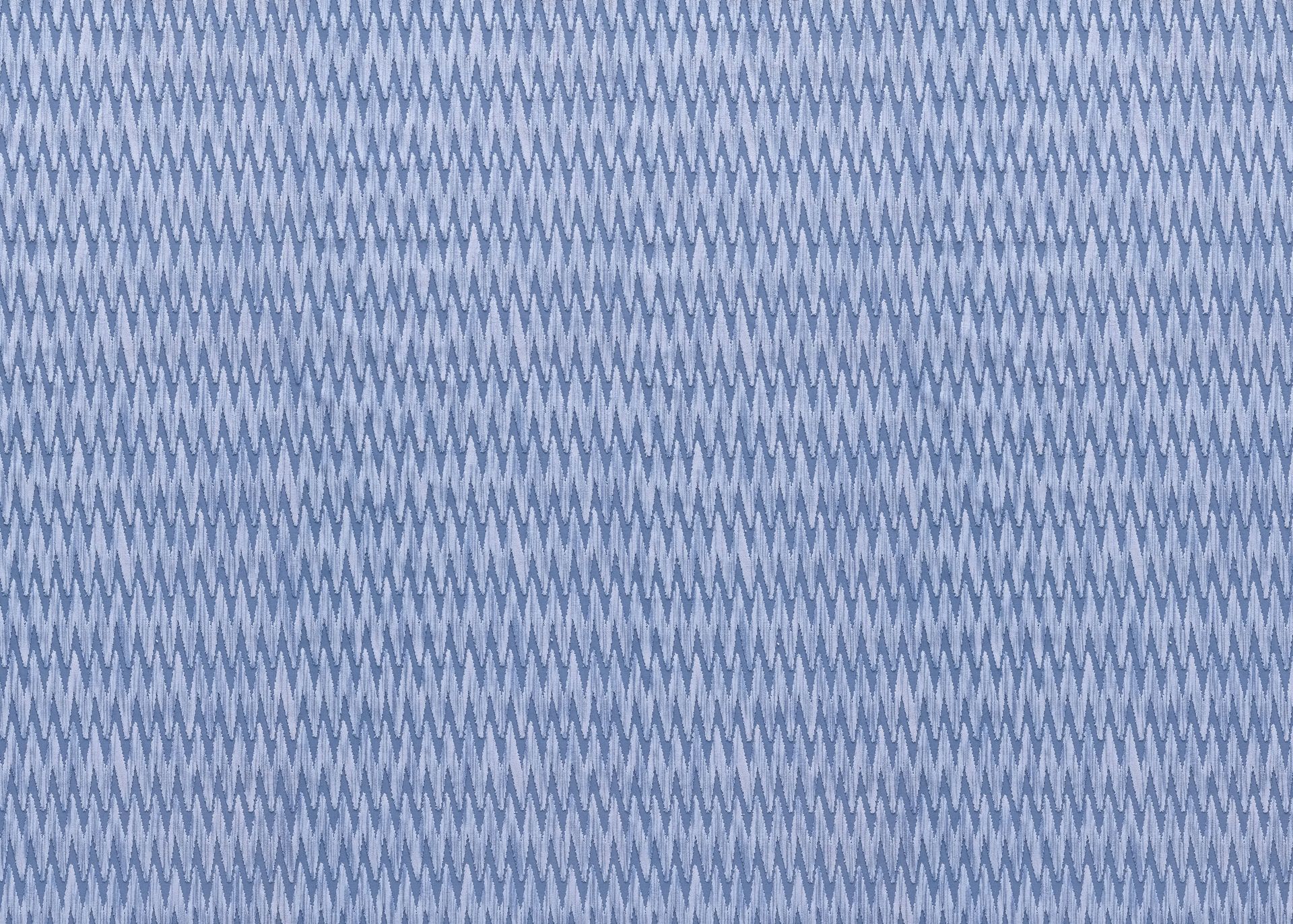
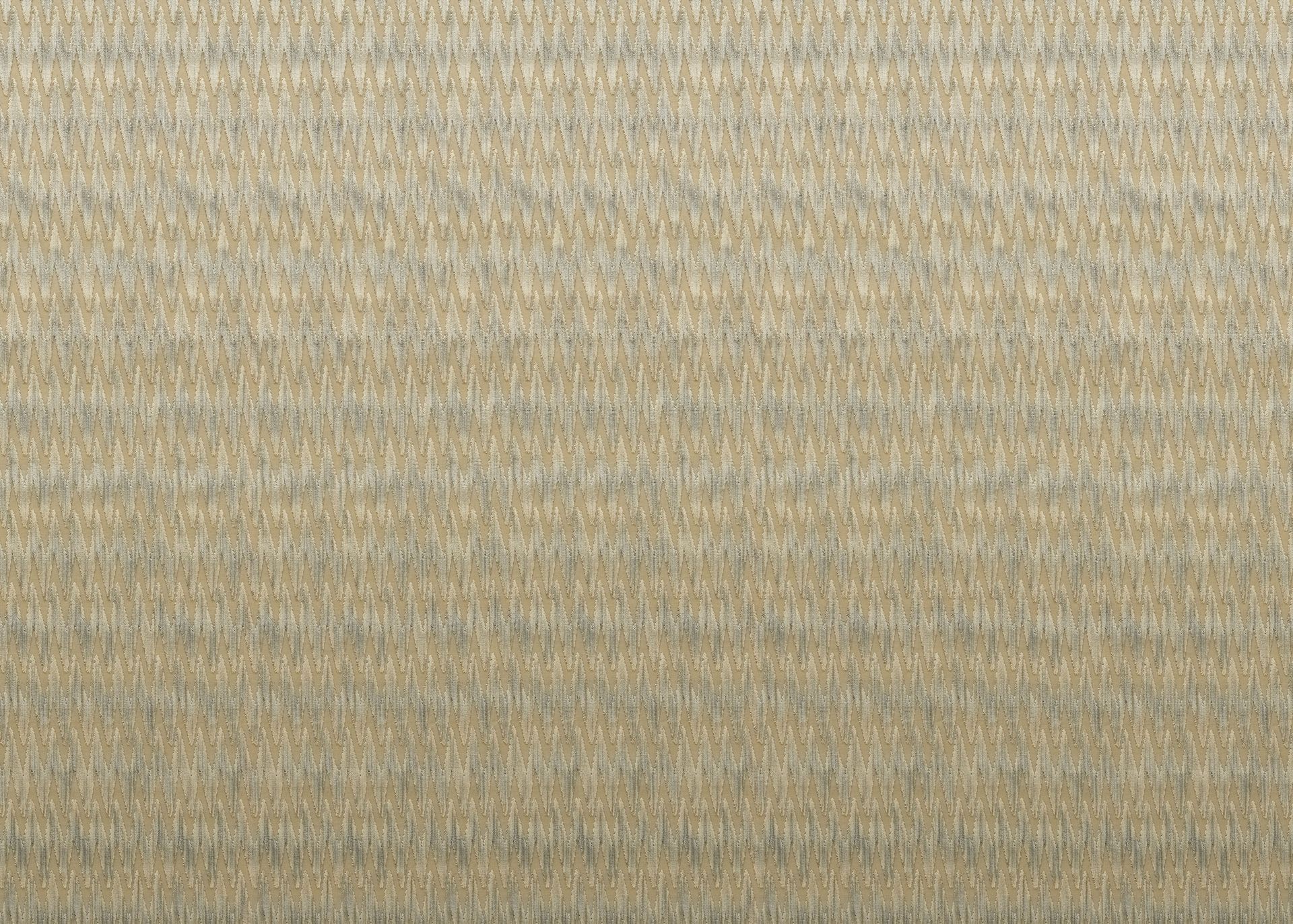
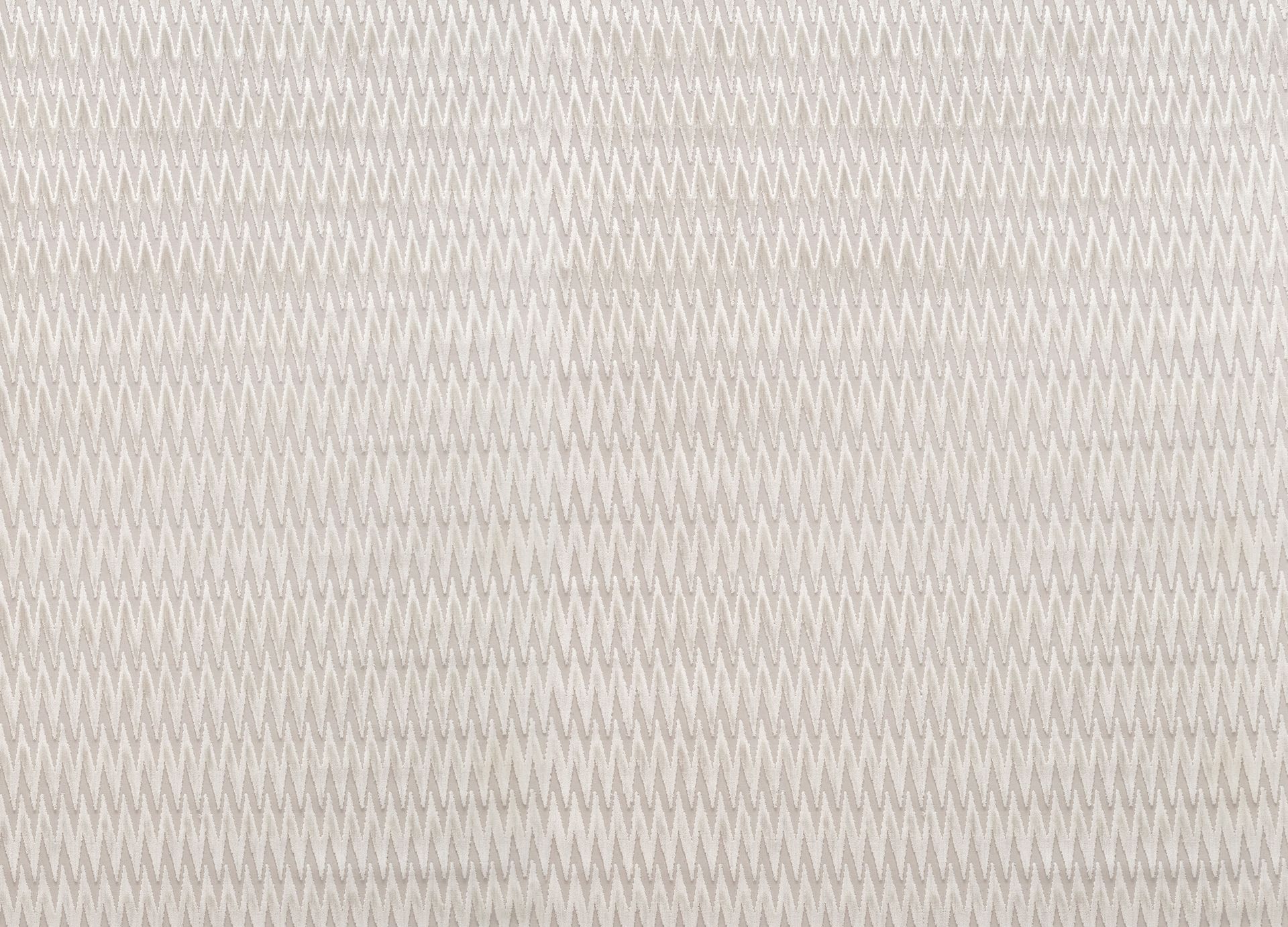
ZIG ZAG 3475
Come and visit us
The two Mario Bevilacqua shops, specializing in the production and sale of velvet fabrics in Venice, are both located in San Marco, at number 337/b Fondamenta Canonica, just behind St. Mark's Basilica and next to the Bridge of Sighs. In Campo Santa Maria del Giglio, the shop is a historic and protected storefront, one of the last vestiges of a centuries-old workshop. It has no windows, but a large door that's always open and two windows through which the fabrics are displayed to be seen, touched, and explored.


